An estate is a long conversation.
Solanna’s work begins with a walk. Joe Hodge arrives at the property alone, before proposals or estimates or scope. He looks at the sill logs, at where the water sits, at where the light falls, at how the woodline meets the roofline, at what the previous owner cared about and what the current owner has yet to notice. He listens to the house before he speaks about it.
That first walk is Solanna’s method in miniature. It is also the point at which many prospective clients understand what will follow: a considered, patient, honest engagement, delivered at a pace the work deserves.
What follows on this page is how Solanna actually works — the operational reality behind the philosophy. Who Solanna is, and how the firm came to be, is on the About page. This one is about how the work gets done.
The private property review.
Every engagement with Solanna begins the same way.
Joe arrives at the property at a time chosen by the owner — typically within two to three weeks of the first phone call, sometimes sooner when a situation warrants urgency. The visit lasts roughly an hour, occasionally longer if the property or the conversation calls for it. He walks with the owner. He takes notes. He photographs the conditions that matter — the sill courses, the water lines, the roof intersections, the interior transitions between original construction and later additions. He measures what needs measuring.
He asks specific questions and listens for the answers behind the answers. What has this house been through? What matters to the family that lives here? What has been deferred? What has been noticed but not acted on? What is the owner afraid of, and what are they hoping for?
The visit ends with an honest first read — what Joe sees, what will need further investigation, what falls within Solanna’s practice and what does not. There is no pitch on the first visit and no proposal delivered on the doorstep. What follows the walk is a written summary, sent to the owner within a week, along with photographs and any measurements taken. That summary becomes the working document for the next conversation.
The private property review is offered without obligation. Solanna covers the visit itself; the owner covers the invitation.
From walk to proposal to work.
The timeline from the private property review to a signed proposal is typically two weeks. During those weeks, Joe develops the scope, consults with the specialists a particular project will require, and works out the pricing, phasing, and terms that will make the project feasible.
Solanna’s proposal format varies by project. A focused restoration of a single element warrants a short, precise document; a full estate restoration across multiple phases will run longer. What every proposal contains is the same: a clear scope, a clear price, a clear timeline, and clear terms for the mid-project discoveries that estate work inevitably produces. Discovery and design are folded into the proposal itself — no separate discovery-phase billing before the work begins.
Once a project is under contract, Solanna is on it. One estate at a time. Joe is not managing three simultaneous projects across four states while yours waits its turn. He is deep in your property, on your timeline, with your crew.
Mid-project discoveries are inevitable in restoration work. A wall opens up and reveals rot that was invisible at the walk. A foundation reveals settlement that only shows itself once weight is redistributed. A permit inspection surfaces a code question that could not have been anticipated from the outside. When it happens — and on serious restoration projects, it will happen — Joe calls the owner directly. Sometimes the conversation is on the phone; sometimes it warrants an on-site walk to look at what’s been found together. Nothing gets buried in a change order the owner didn’t see coming. Nothing gets priced without a conversation first.
The core work: log, timber-frame, and heritage restoration.
Solanna’s core competency — the work Joe has done the most of, and the work he personally directs — is log home restoration, log cabin restoration, and timber-frame restoration. This is the specialty that formed the practice and continues to anchor it.
When a substantial log estate needs sill log replacement, the work begins with an assessment of what caused the failure — usually water, sometimes insect activity, occasionally settlement — because replacing a rotted log without addressing what rotted it produces a house that will rot again. Solanna’s restoration approach starts with the cause, not the symptom.
The replacement itself follows traditional Northern methods: the failed log is removed course-by-course, the replacement is scribed to the courses above and below it, the joinery is executed to match the original wall’s geometry. Chinking is applied to specifications that assume a forty-year service life, not a five-year one. Where full log replacement is not warranted, half-log facades preserve the visible character of the original while restoring the load-bearing function beneath.
Timber-frame work follows the same principle — original joinery preserved where possible, new joinery cut to match where necessary, no fastening approach used that would not have been available to the original builders unless the alternative would compromise structural integrity.
The scale of this work is not theoretical. Joe personally restored 360 linear feet of deteriorated log at a substantial log estate at Okemo Resort in Vermont — a project that stands as a working reference for the kind of restoration Solanna is built to deliver.
Materials.
Solanna’s preferred chinking is Perma-Chink combined with a traditional formulation the firm has developed and refined across years of restoration. The choice is not about cost or convenience. It is about authentic quality and longevity — the two things a chinked joint has to deliver over the decades a restored log wall is expected to serve.
Replacement wood comes from local Vermont mills. Solanna has a long-standing supply relationship with a family sawmill in Burke, Vermont — Mr. Deth’s operation, in the Northeast Kingdom — where the wood is grown, cut, and milled by people who understand what it will be used for. When a project calls for reclaimed material, Solanna sources it too. The species that show up most often in Solanna’s log and timber work are Eastern white pine and oak, chosen for how they age, how they match what is already in the wall, and how they hold up under Northeast weather.
The full complement of estate services.
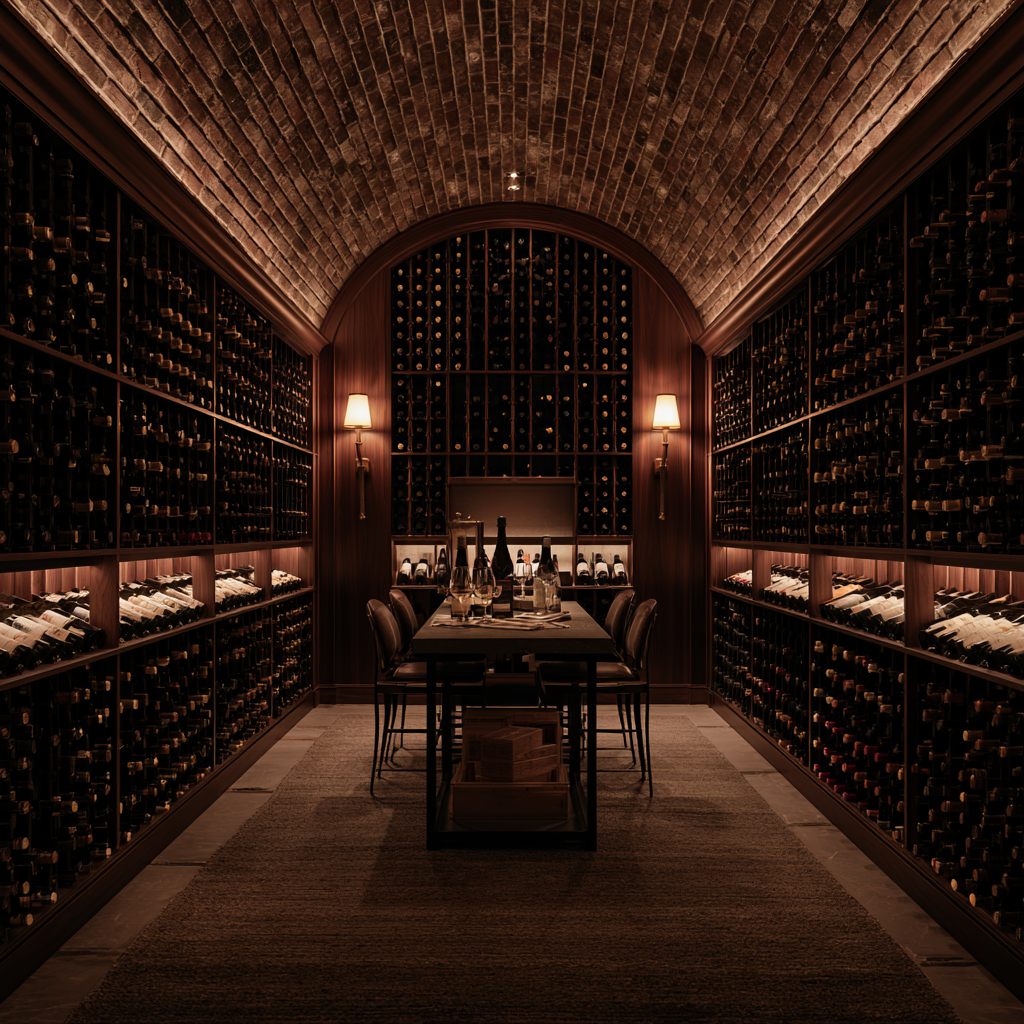
Around the log and timber core, Solanna delivers the full complement of estate renovation services. The current catalog includes chef’s kitchens and butler’s pantries, primary suites and spa baths, outdoor living and grounds, wine cellars and specialty rooms, custom doors and windows, standing-seam and slate roofing, home theaters and screening rooms, home gyms and wellness suites, guest and carriage houses, boat houses and waterfront structures, luxury horse barns, safe rooms and storm shelters, reinforced below-grade levels, and the full suite of future-ready systems — standby power, solar and battery, geothermal, radiant heat, whole-home water filtration, and home elevators.
Every one of these is scoped by Joe personally, regardless of whether he is in the field on that particular workday. The catalog is long because estates are complex; the standard applied to each service is the same.
The trusted partners.
Solanna’s public product partnerships — Sub-Zero, Wolf, Marvin, and Kohler Generators — are preferred-installer relationships. Solanna specifies, sources, and installs across these product lines regularly enough that the technical familiarity is real. When a client’s project calls for one of them, Solanna’s team knows the specifications, the installation subtleties, and the long-term service considerations that matter.
Beyond the four public partners, Solanna works with a network of Vermont and New England specialty firms — the kind of long-standing relationships that make restoration work feasible at estate scale.
Timber and lumber.
Local Vermont mills anchor the wood supply — chief among them the family operation of Mr. Deth in Burke, Vermont. For high-end custom timber-frame work, Currier Forest Products, an FSC-certified Vermont sawmill producing custom timbers up to sixty feet in length, is a standing resource. For larger-volume Eastern white pine orders, Britton Lumber Company (Fairlee, Vermont; sawmill in Bath, New Hampshire) — sawing pine from the Connecticut River Valley since 1946 — supplies standardized product at scale.
Stone.
Vermont Structural Slate Company, in Fair Haven, was founded in 1859 and remains one of the country’s oldest continuously operating slate producers. Burlington Marble and Granite (Shelburne, Vermont) fabricates and installs interior stonework — countertops, hearths, vanities — for projects across Solanna’s territory.
Slate and copper roofing.
Slate Affair, Inc., a Vermont firm with thirty-plus years of trade experience and a direct lineage to traditional European roofing methods, is Solanna’s roofing partner for projects that demand slate or standing-seam copper at the standard the material deserves.
Historic window restoration.
Open Sash, based in Waterbury just outside Stowe, is Solanna’s specialist partner for window retrofit and restoration. Their proprietary thermal-retrofit technique — adding glass to existing sash without altering appearance or function — is exactly the kind of specialist capability an estate restoration firm needs on call. Open Sash’s portfolio includes major Vermont historic properties, including the White House in Calais and the Unitarian Church in Montpelier.
Chinking.
Perma-Chink Systems, the industry’s original elastic log home chinking manufacturer since 1981, is Solanna’s primary chinking source, complemented by the traditional formulation Solanna has refined for specific applications over years of restoration work.
The annual estate condition review.
Estates are not finished. They are handed off from one steward to the next, over decades, and the best of them accumulate care rather than repairs. The Annual Estate Condition Review is the mechanism by which that stewardship becomes continuous rather than reactive — the practice by which small issues get seen and addressed before they become large ones.
The review is conducted by Joe personally, together with James — Solanna’s senior foreman, a fifteen-year Marine veteran, woodworker, mason and mechanic whose eye for what a building needs before it needs it is the reason Solanna trusts him to walk properties alongside Joe. Two sets of experienced eyes on the property, working in concert.
The visit itself takes an hour. Timing varies by client and by property — some estates are best reviewed in late spring after the winter thaw has revealed what the freeze put stress on; others are best walked in early fall before the next freeze arrives; still others are scheduled around when the owners are actually in residence. The review meets the property on its terms.
The owner receives two things afterward: a written report with photographs — a document that lives with the property and accumulates over years as its own record — and an in-person conversation to talk through what was found, what is pressing, what can be deferred, and what is genuinely optional. The report is a record; the conversation is where the decisions get made.
The Annual Estate Condition Review is priced as a standalone service, typically ranging from $5,000 to $7,500 depending on the size and complexity of the estate. For clients in an ongoing relationship with Solanna, the review is included as part of the standing engagement.
Reviews build on themselves. Year one establishes the baseline. Year two reveals what has moved, what has held, and what has begun to demand attention. By year five, the report becomes something no other firm can produce — a longitudinal record of the property that informs every decision the owner is going to make for the next several decades.
What Solanna declines, and why.
Being explicit about who Solanna is not the right firm for is part of the practice.
Solanna is not the right firm for the client who is shopping on price alone. The work Solanna does is priced according to what it takes to do it correctly, and the firm has learned that clients who begin with “what is your lowest number” typically end with a project that neither party is proud of.
Solanna is not the right firm for the client who wants a fast start. Serious estate work takes serious preparation, and Solanna’s calendar reflects that. Prospective clients who need work to begin within thirty days are usually better served by a firm with different capacity.
Solanna does not take on properties being renovated for a flip. The philosophy of Solanna’s work is stewardship — preparing a house for its next decades and its next steward. Flip work operates on a different clock and by a different logic, and it is better handled by firms built for that pace.
Solanna does not take on projects where the design has already been finalized in a way that conflicts with how Solanna would have approached it. When the plan is set and the work is only to be executed to someone else’s specification, another firm is usually the better choice. Solanna’s value is in the thinking as much as the building.
Solanna does not engage projects for clients in active dispute with a previous contractor. This is not about avoiding difficulty; it is about the reality that a project begun in the aftermath of a broken engagement rarely finishes well for either party. When the previous relationship is resolved, the conversation can begin.
Solanna generally does not engage projects below $100,000. The overhead of Solanna’s approach — the walk, the report, the personal involvement across the project’s duration — is not suited to smaller work. Firms serving that segment of the market are plentiful, and Solanna will happily direct a prospect elsewhere.
The long relationship.
The projects Solanna takes on are not transactions. They are the beginning of a relationship with a property that is intended to last decades.
Some examples of what that looks like in practice:
A family in Stowe whose first project with Solanna in 2016 was a single-scope log restoration on a summer property has since brought us back for four additional projects — additions, systems upgrades, an outbuilding, and a full spa bath — each one building on the working knowledge Solanna accumulated from the last.
A property in Shelburne that Solanna first restored for one owner has continued as a Solanna project through a change in ownership; the new owners inherited the annual condition review along with the deed, and have kept the standing engagement in place across the transition.
A client family in Charlotte whose parents worked with the practice in its predecessor era has now returned as adult children with homes of their own — bringing Solanna into a second generation of work, on new properties, with the same standards and expectations the family knew from the first.
This is what Solanna is built for — not the one-time renovation, but the standing engagement with a house and the people who care for it. The Northeast is full of substantial homes that need this kind of long, considered attention. Solanna exists to be the firm that provides it.
Beginning.
The first step is a conversation with Joe — a call, an email, or an introduction from someone whose judgment you trust. Solanna’s serious work does not begin with an online form; it begins with an exchange between two people, one of whom has an estate they care about and one of whom has spent a career caring for estates.
802 · 710 · 0333 Email
If you have been thinking about your property — its condition, its future, its next steward, or simply what it could be — the walk is where the conversation starts.
Solanna serves Vermont, New York, New Hampshire, and Maine.
Signature Restoration Services
The five capabilities that
anchor most Solanna projects
-
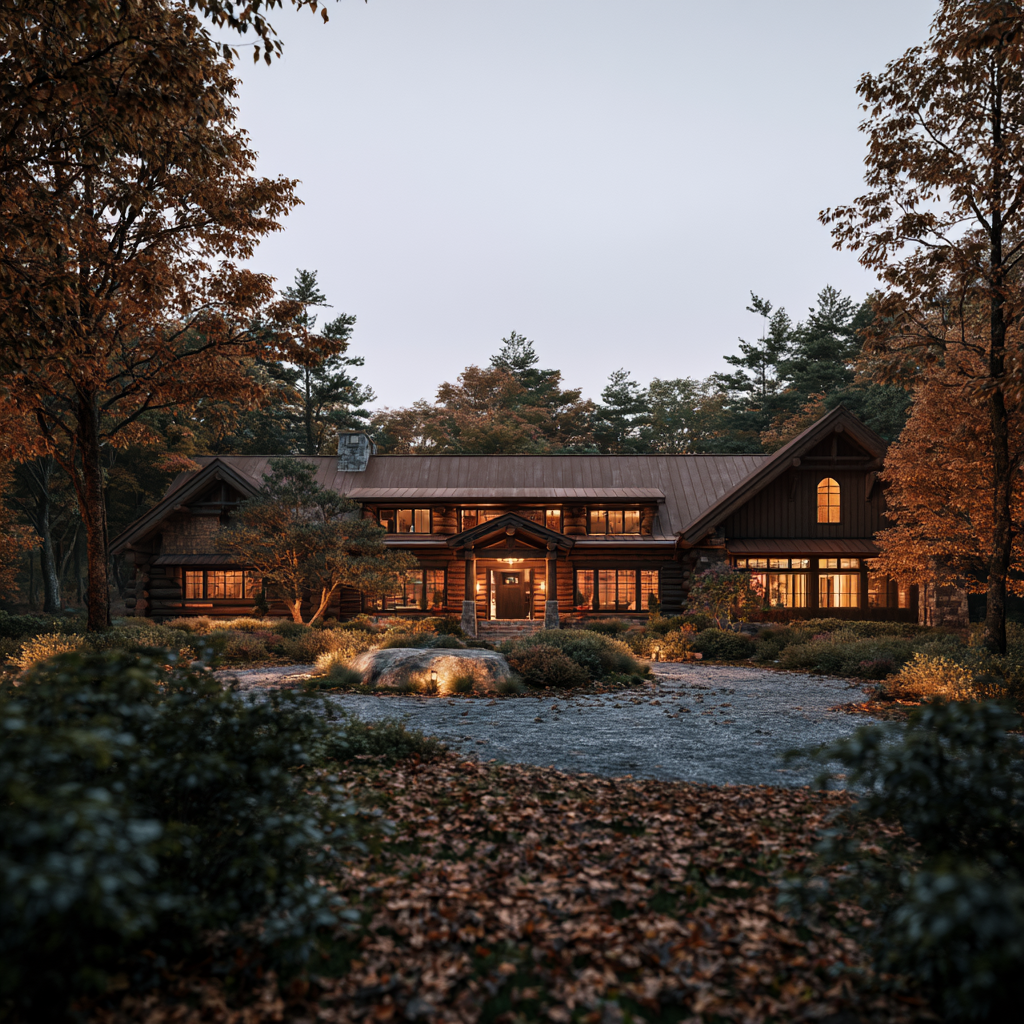
![Substantial Rye New Hampshire log estate at golden hour after complete restoration, hand-hewn logs with fresh chinking, standing-seam copper roof, autumn foliage, warm windows glowing, sense of renewed timeless character.]()
Log & Timber Frame Home Restoration
Structural logs, chinking, timber frames, historic masonry.
-
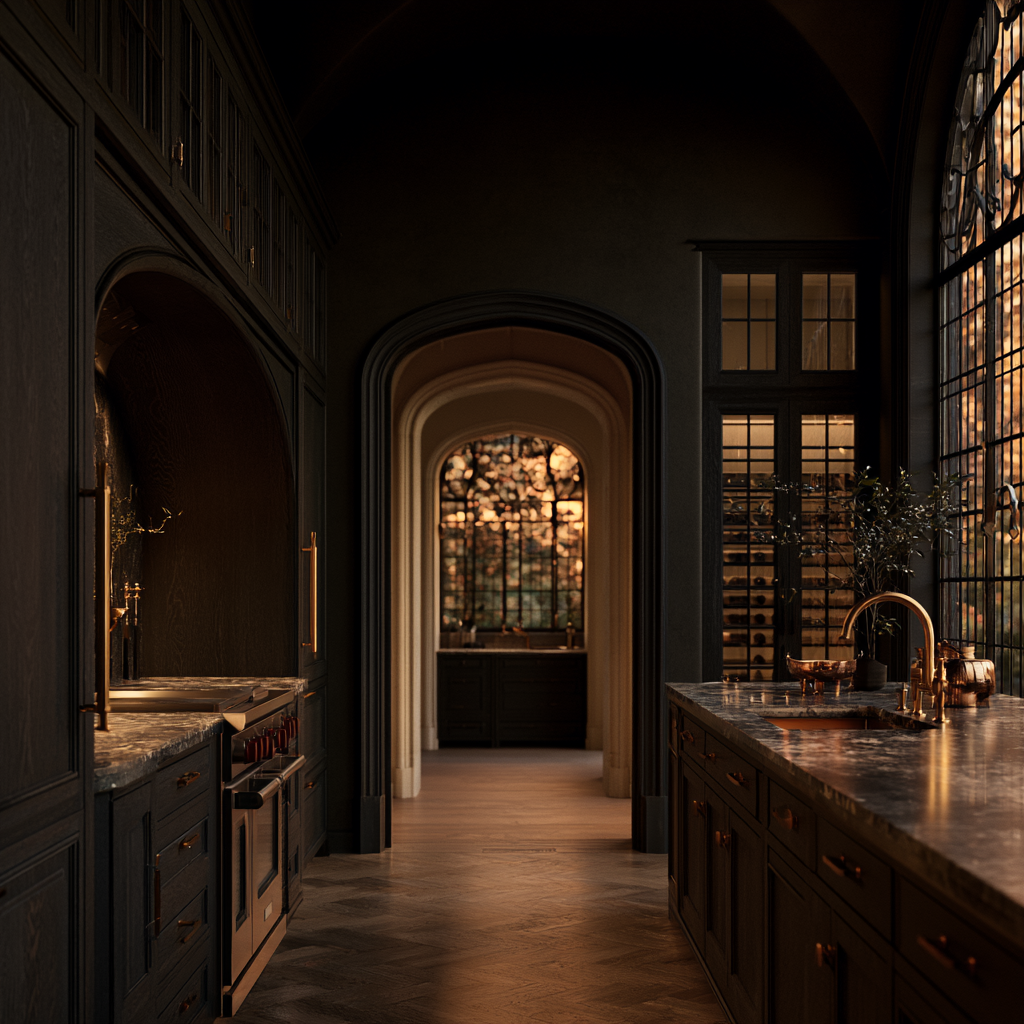
![Stowe Vermont grand estate chef's kitchen with Sub-Zero and Wolf appliances, dark stained wood cabinetry, honed marble countertops, warm brass hardware, integrated wine display, view into butler's pantry through arched doorway]()
Chef's Kitchens & Butler's Pantries
Culinary spaces built around Sub-Zero and Wolf, crafted for daily use and formal occasion alike.
-
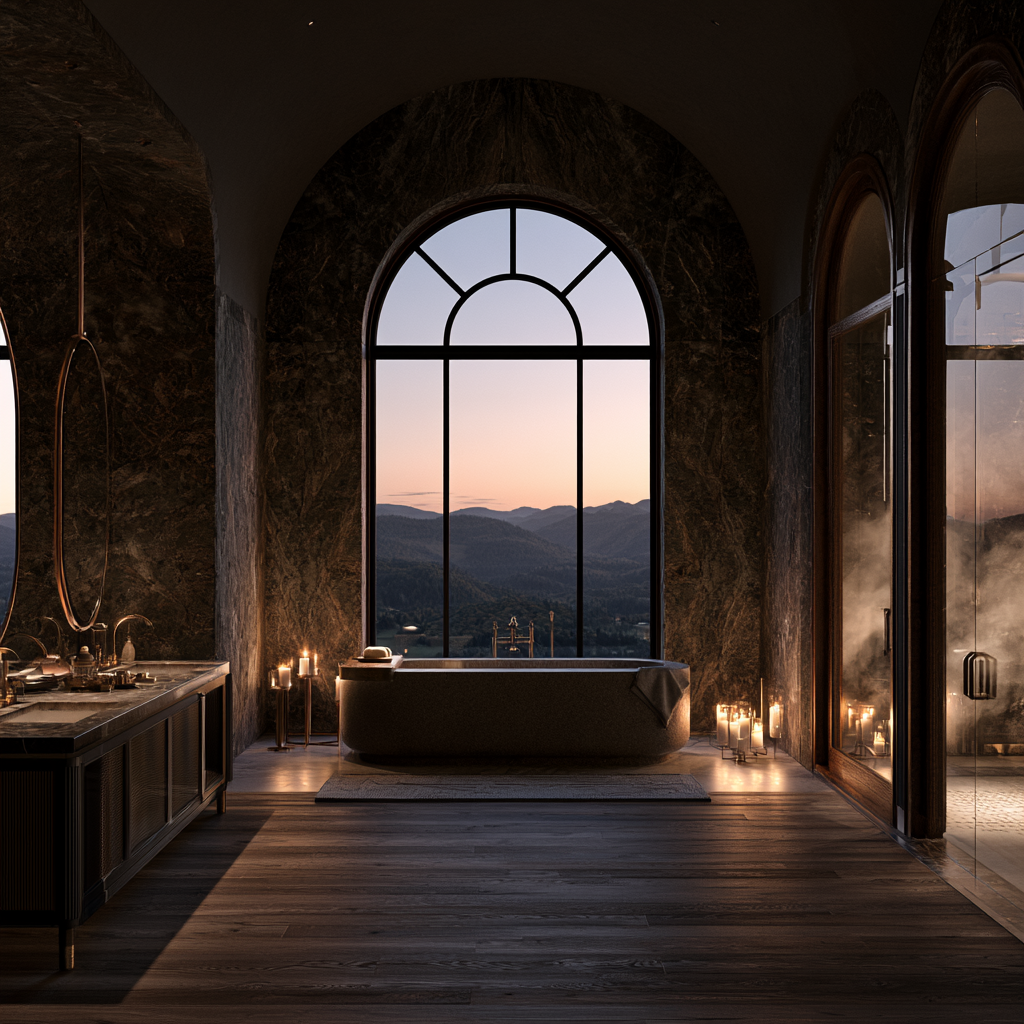
![Saratoga Springs, New York Luxurious primary suite spa bathroom, freestanding tub in front of large arched window overlooking mountains at dusk, book-matched natural stone walls, wide-plank wood floors with radiant heat, custom vanity, brass fixtures]()
Primary Suites & Spa Baths
Private retreats within the estate — steam, stone and stillness, arranged for restoration.
-
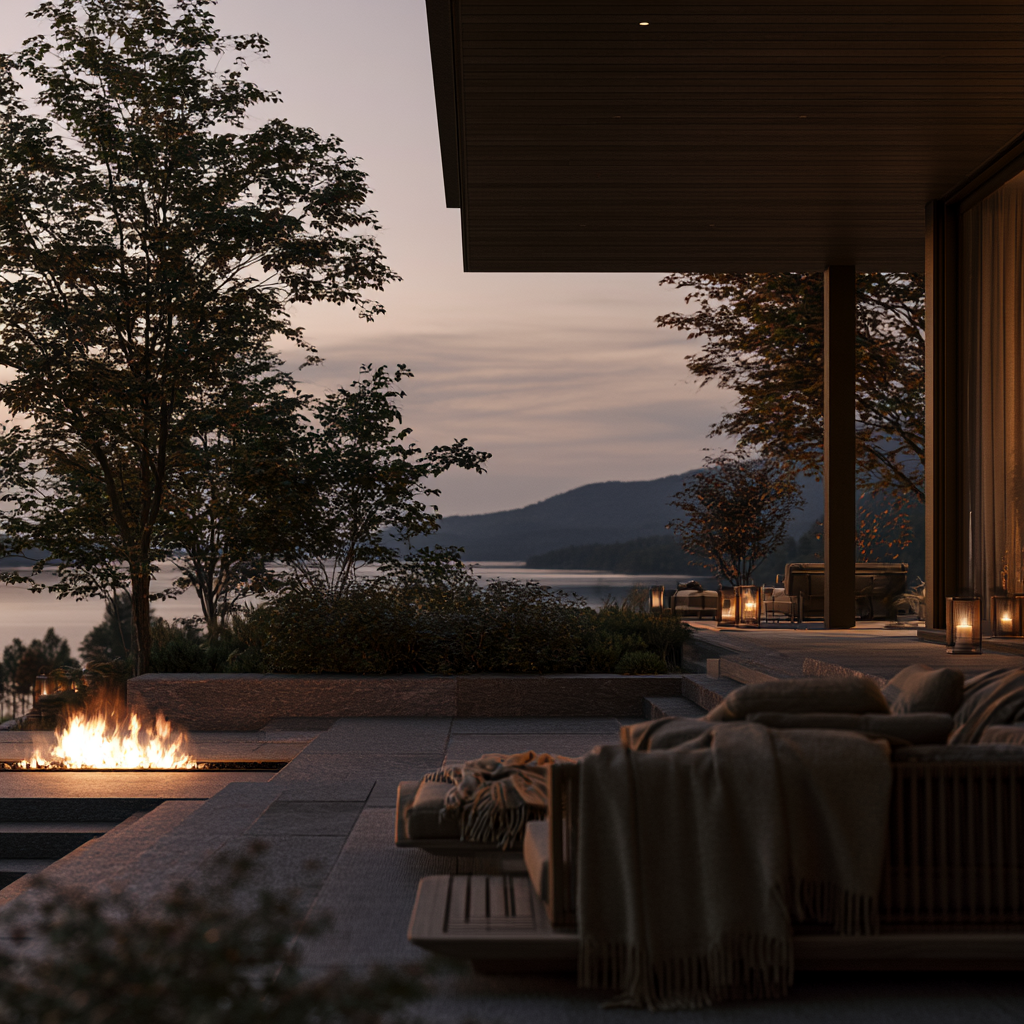
![Grand covered outdoor terrace of a Cape Elizabeth Maine estate at dusk, fire feature glowing, custom stone hardscape, mature plantings, Atlantic Ocean view beyond, warm lantern lighting, teak furniture with cashmere throws.]()
Outdoor Living & Grounds
Terraces, gathering spaces and grounds shaped for lasting use across every season.
-
![Custom Charlotte Vermont estate wine cellar with hundreds of bottles in dark walnut racks, arched brick ceiling, central tasting table, warm sconce lighting, atmospheric depth, luxurious hospitality space.]()
Wine Cellars & Specialty Rooms
Custom environments for collection, hospitality and retreat, tuned to the estate's character.