Take a look at a selection of our recent projects, crafted with care and designed to make an impact.
Visions for a 100-year-old Tudor Estate in Burlington, Vermont
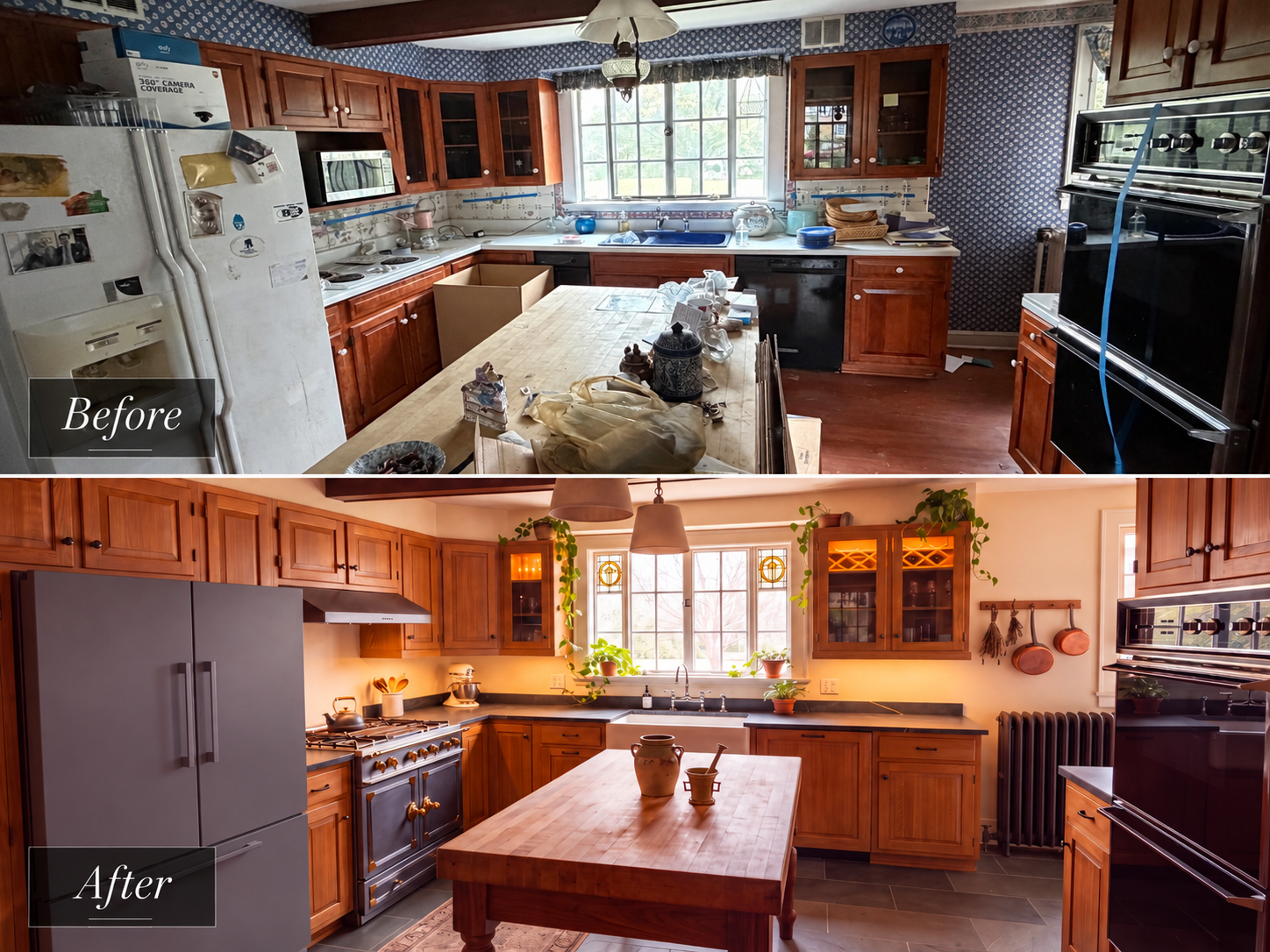
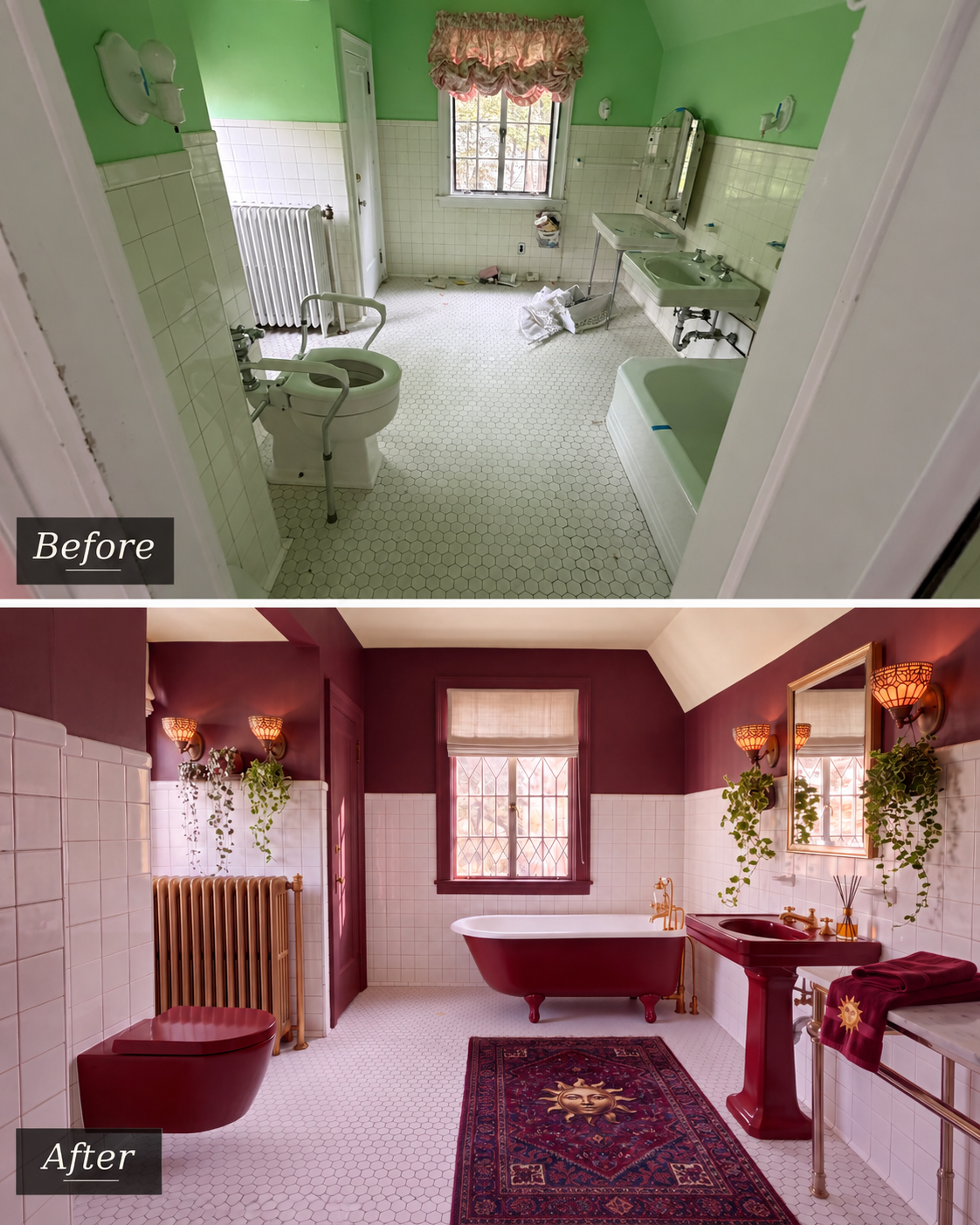
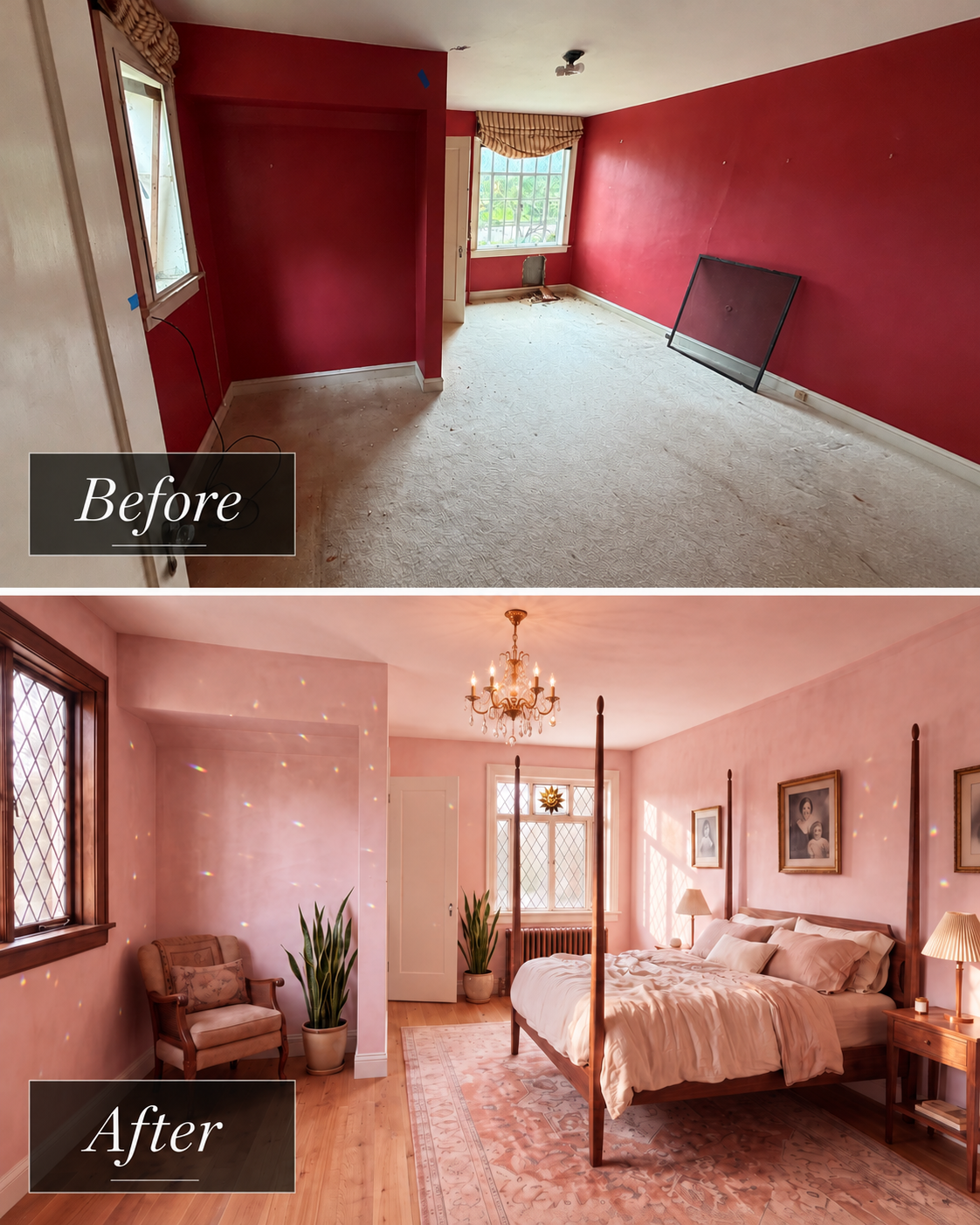
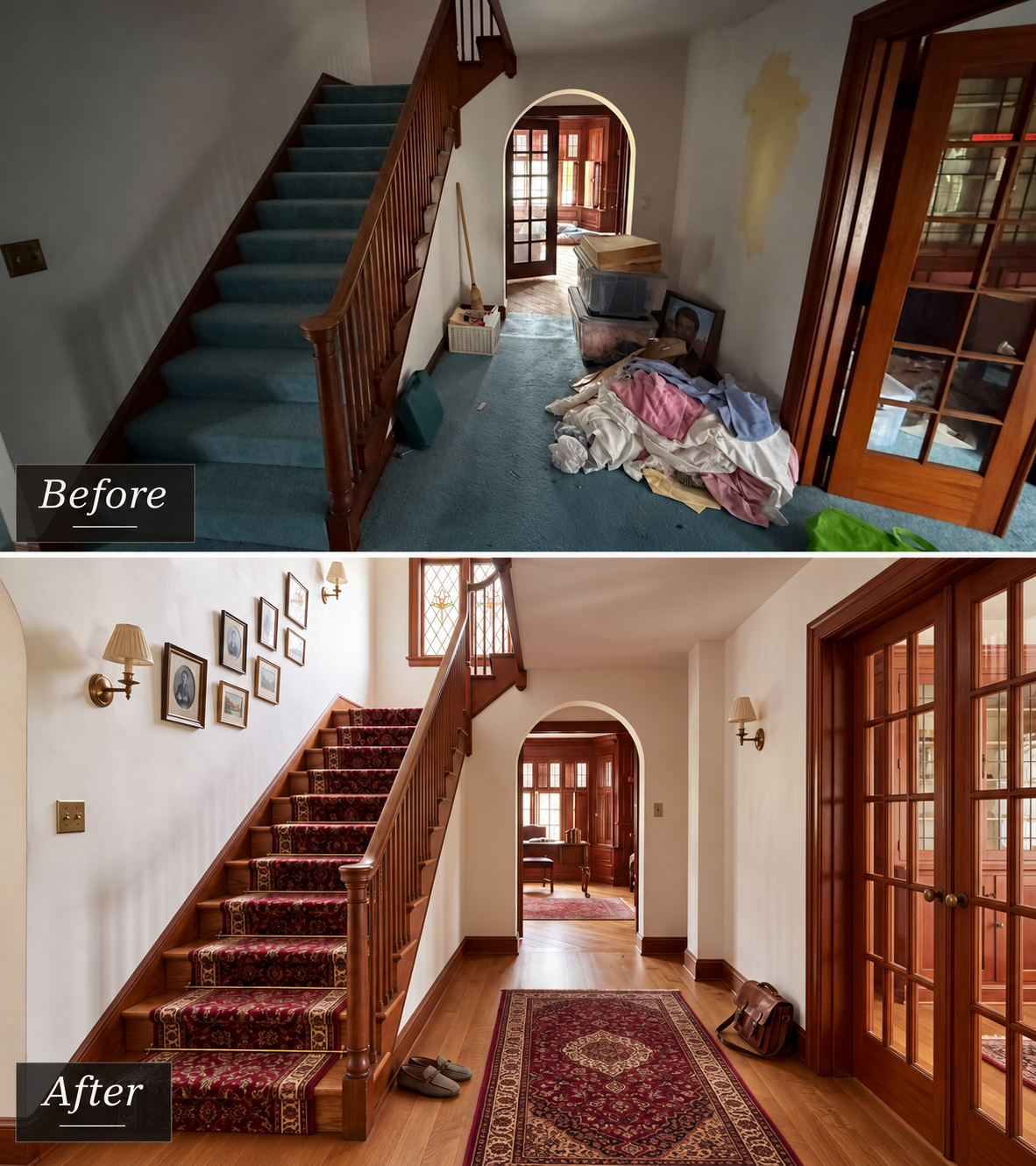
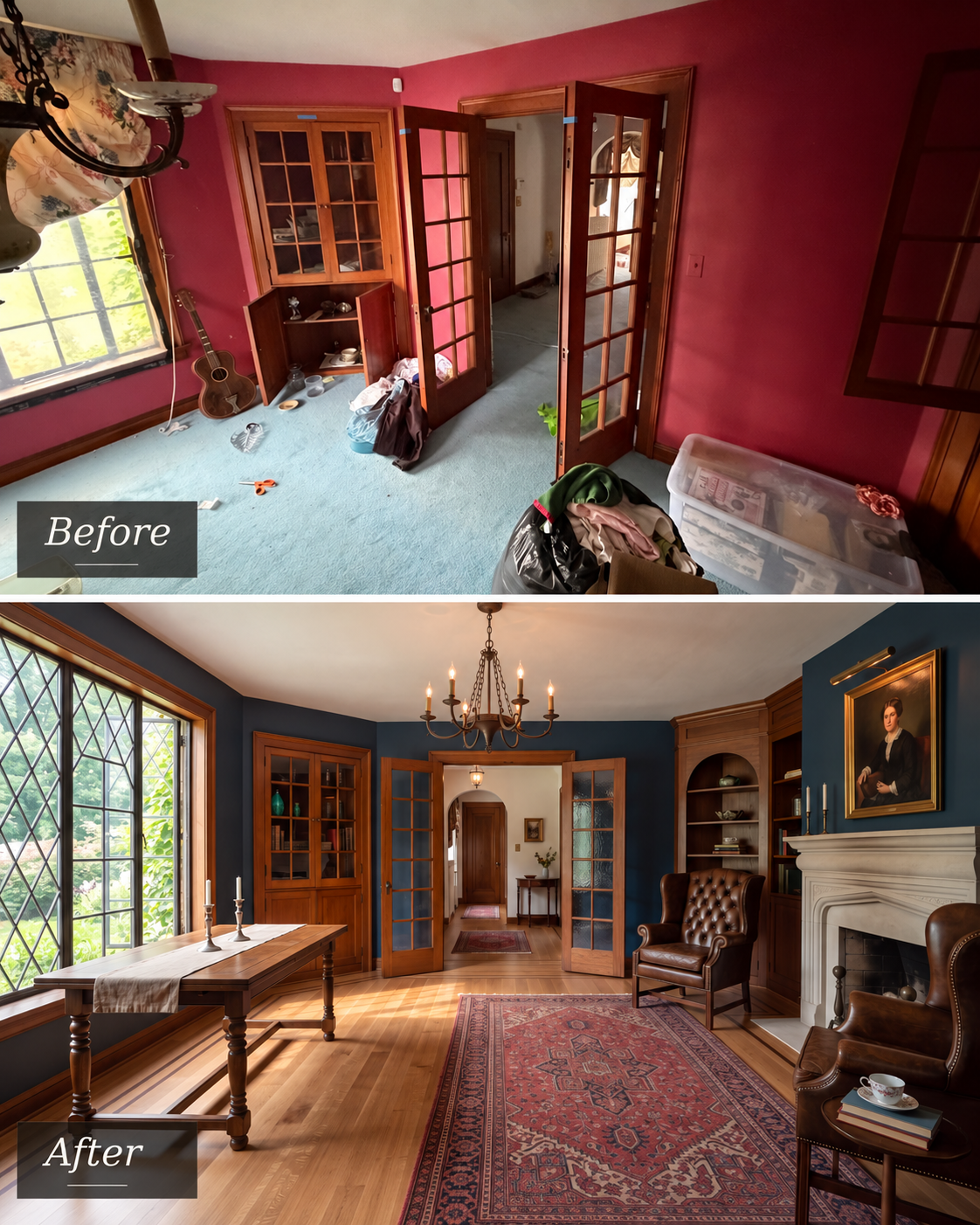
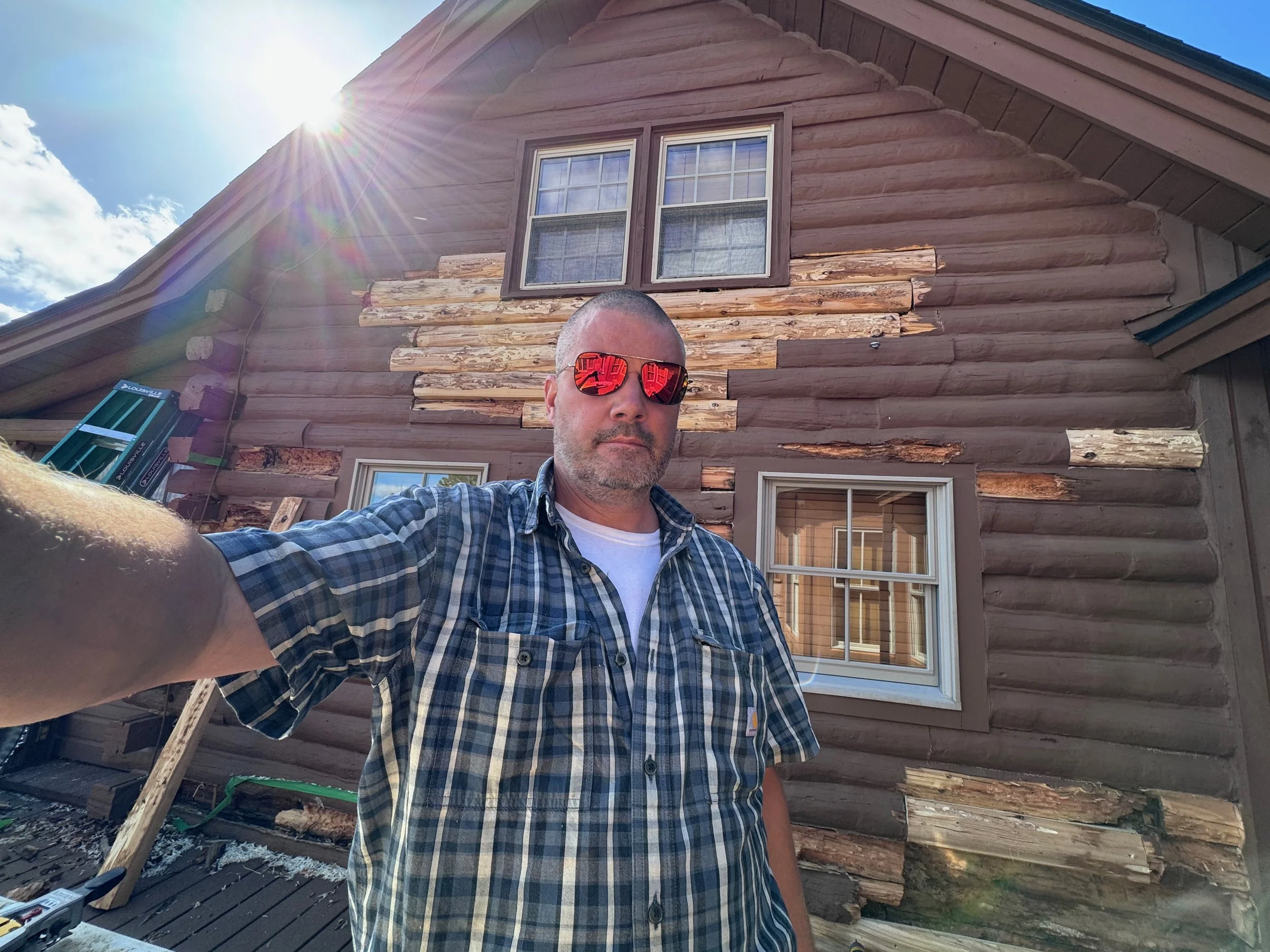
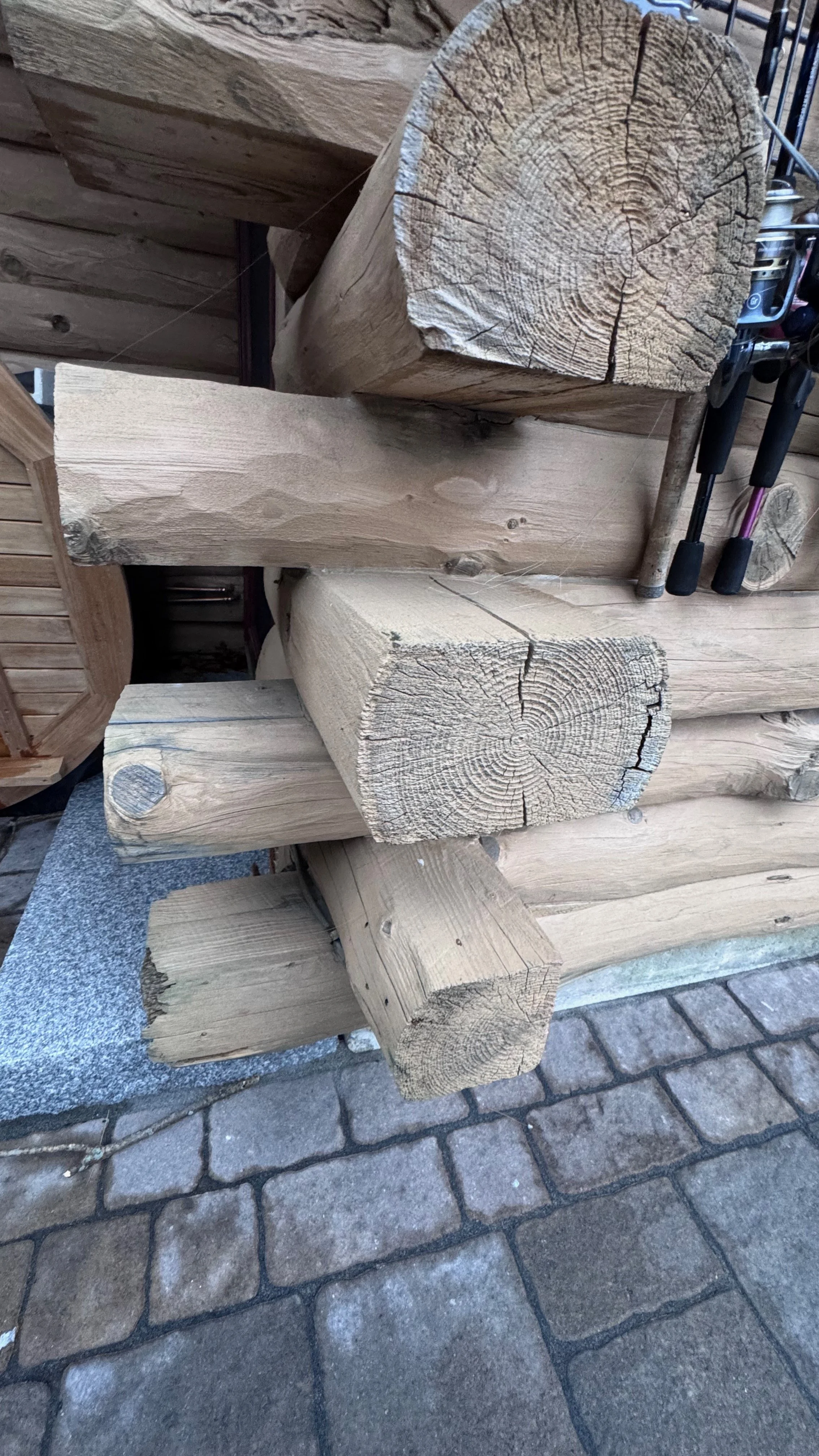
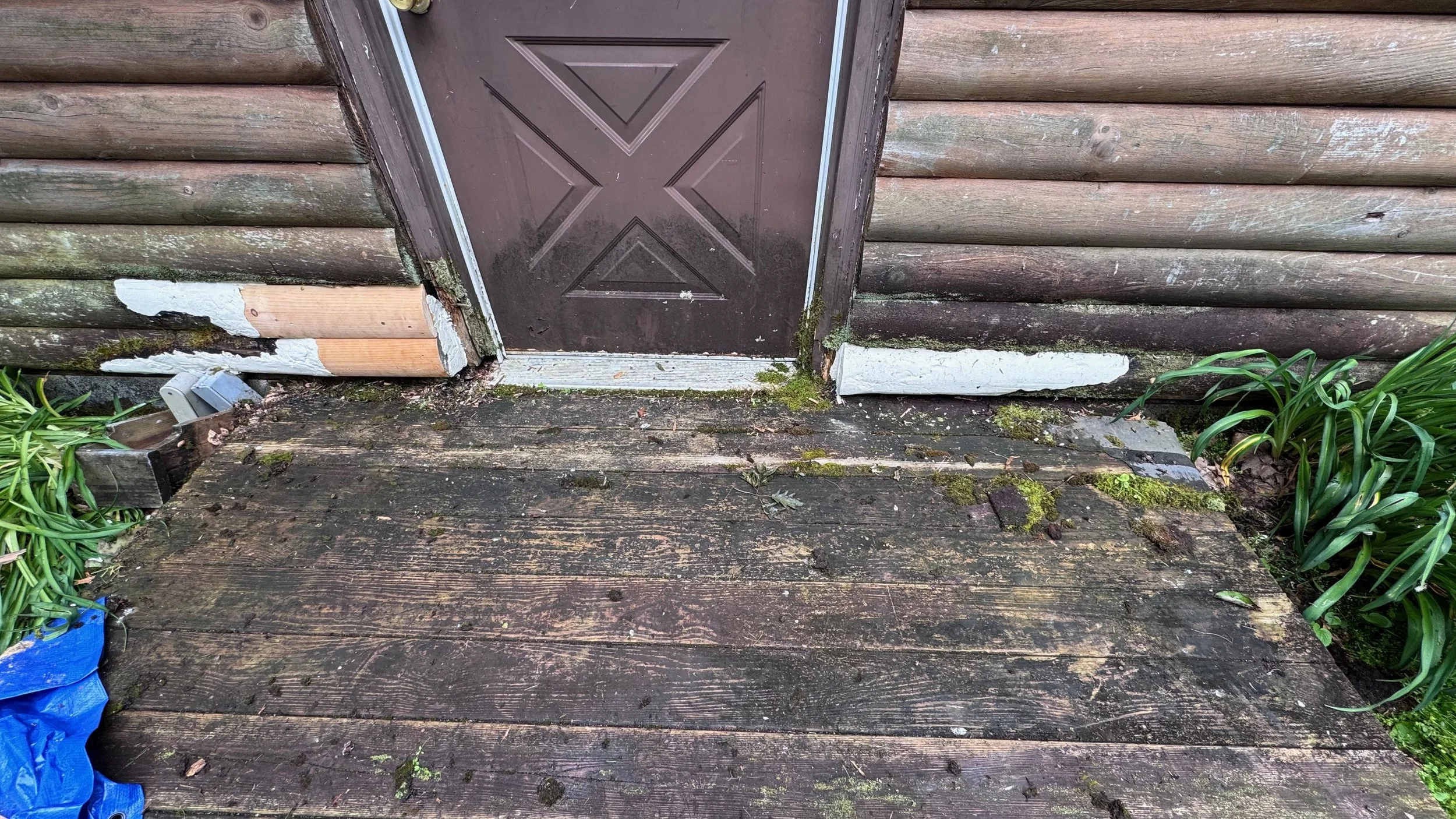
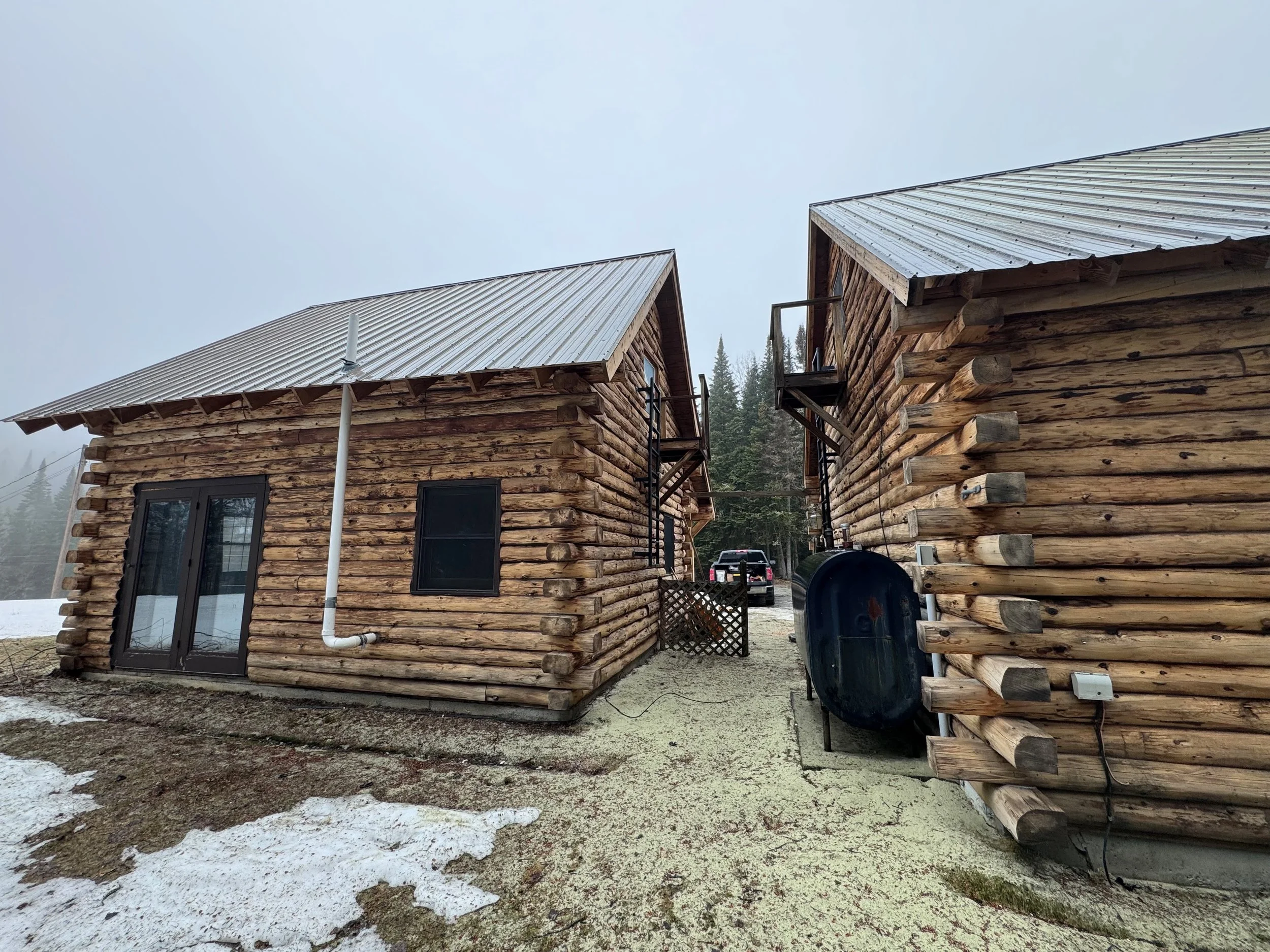
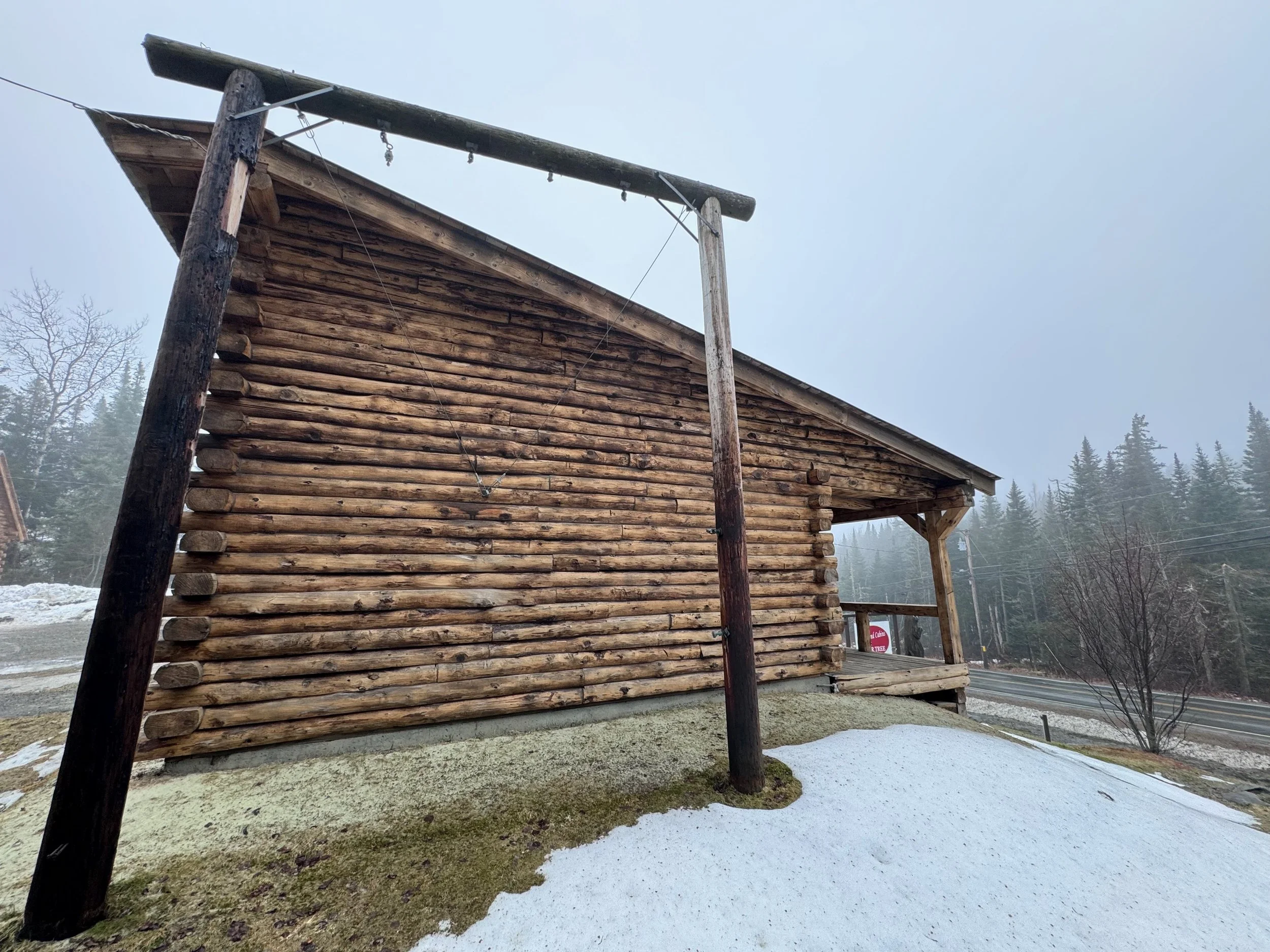
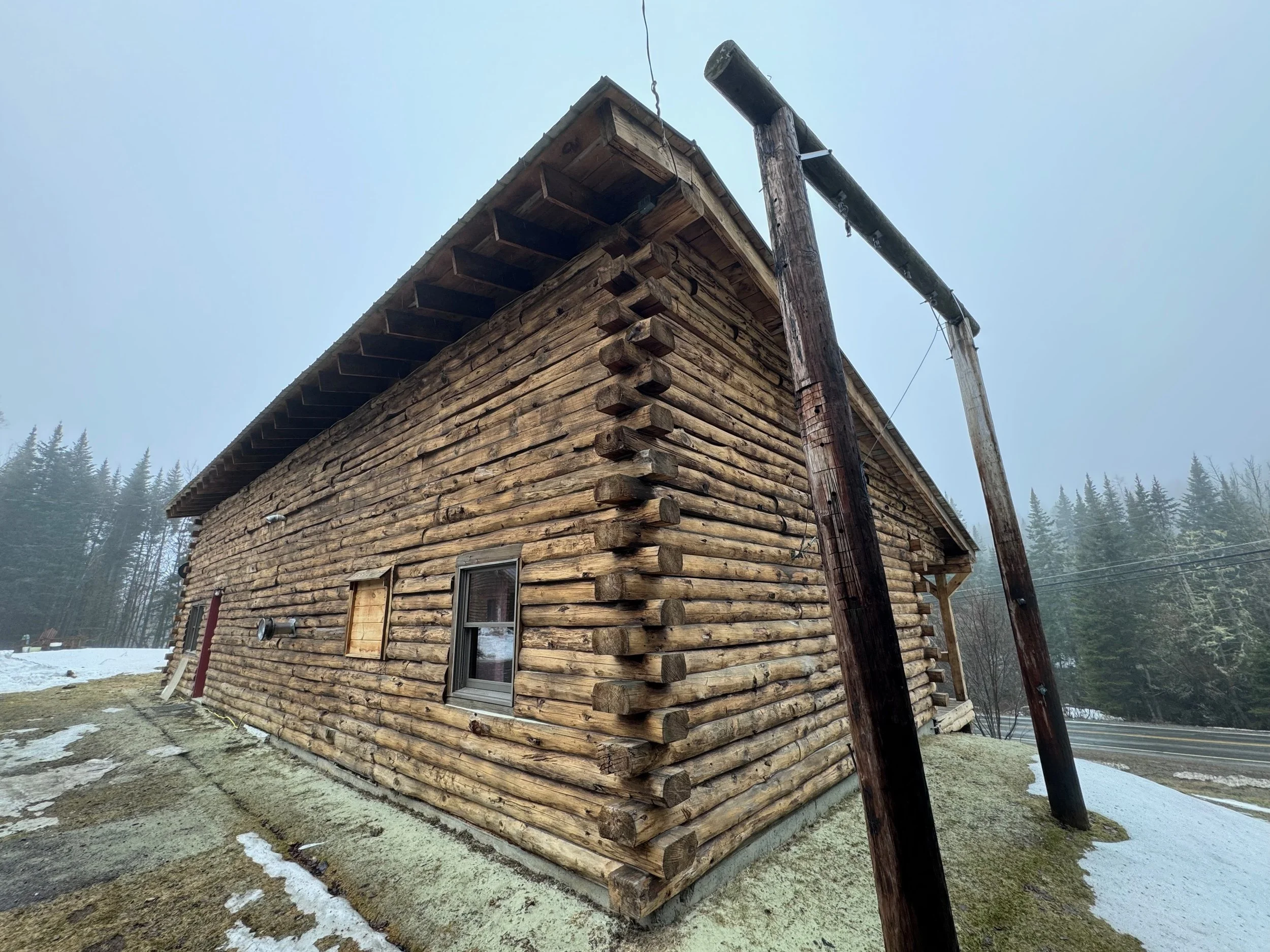
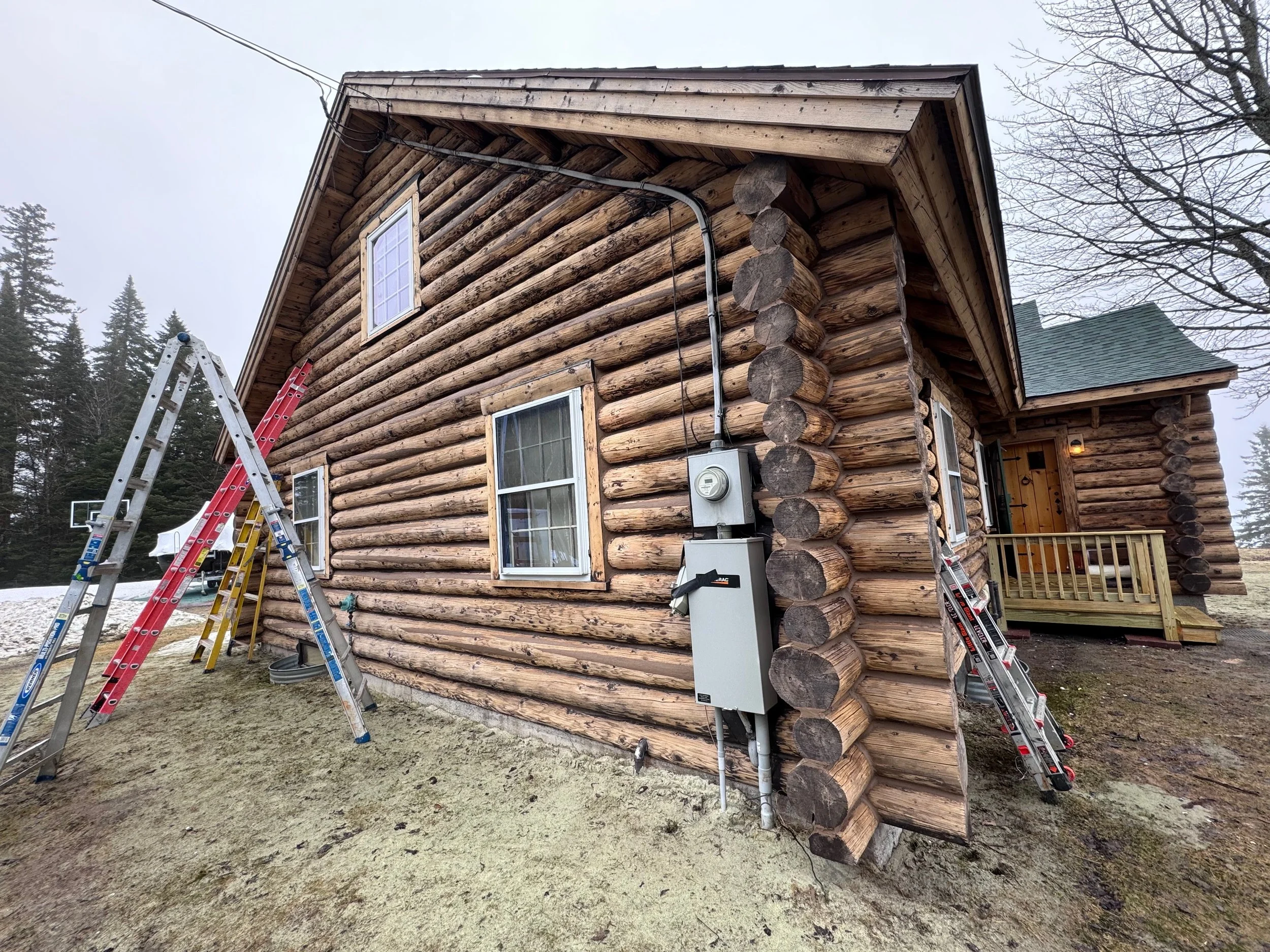
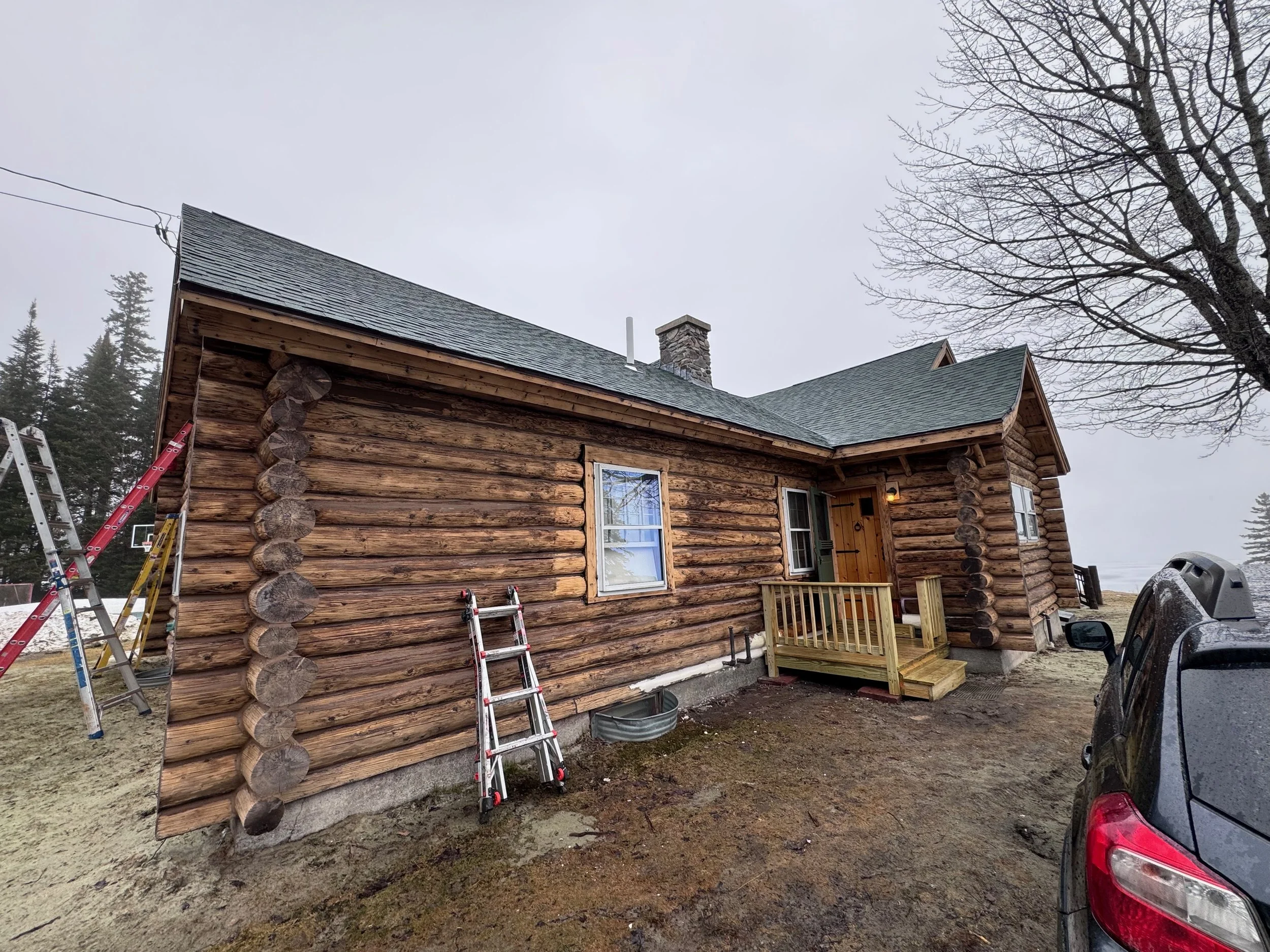
Sunday River, Maine Restorations, 2026.
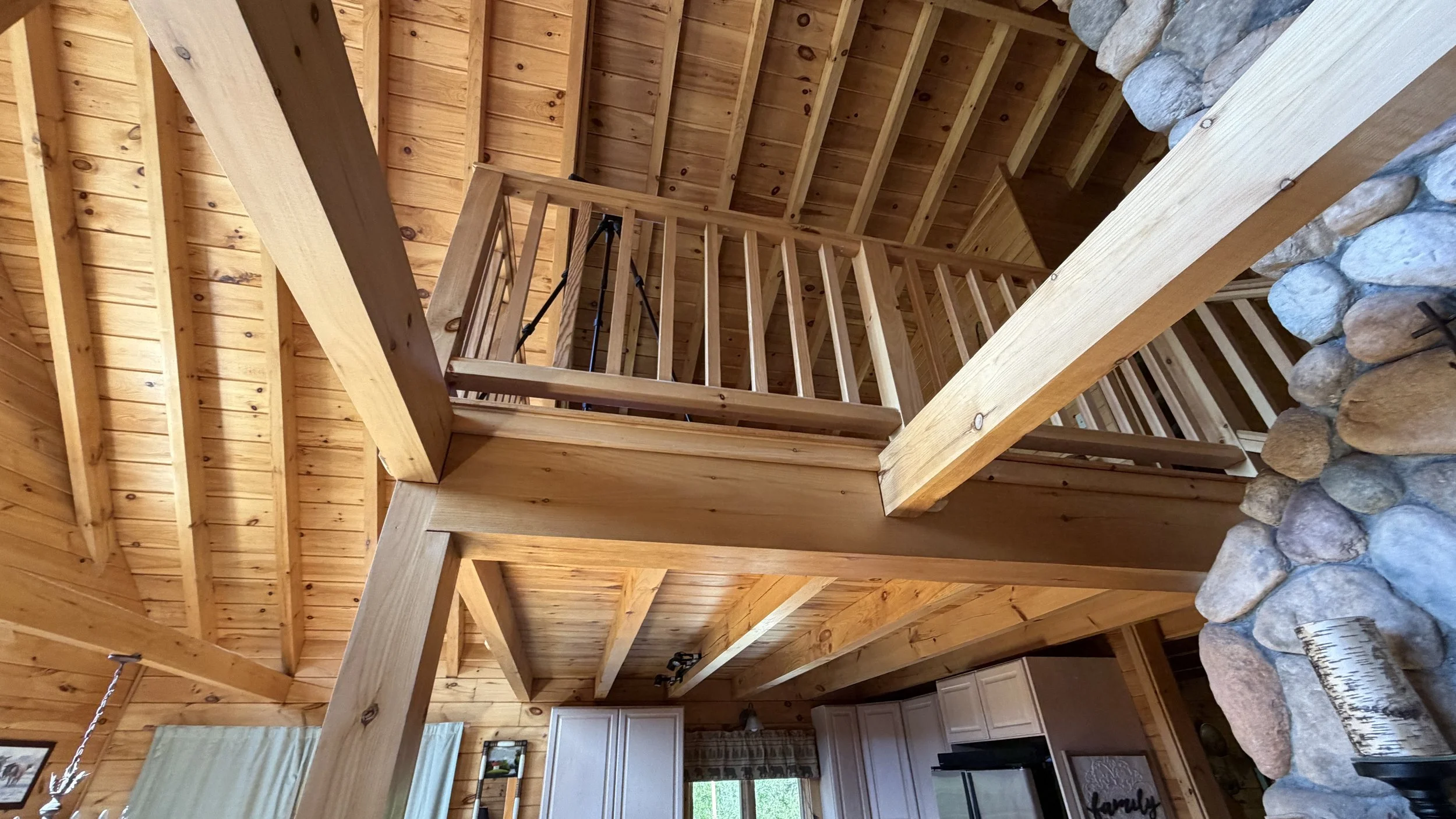
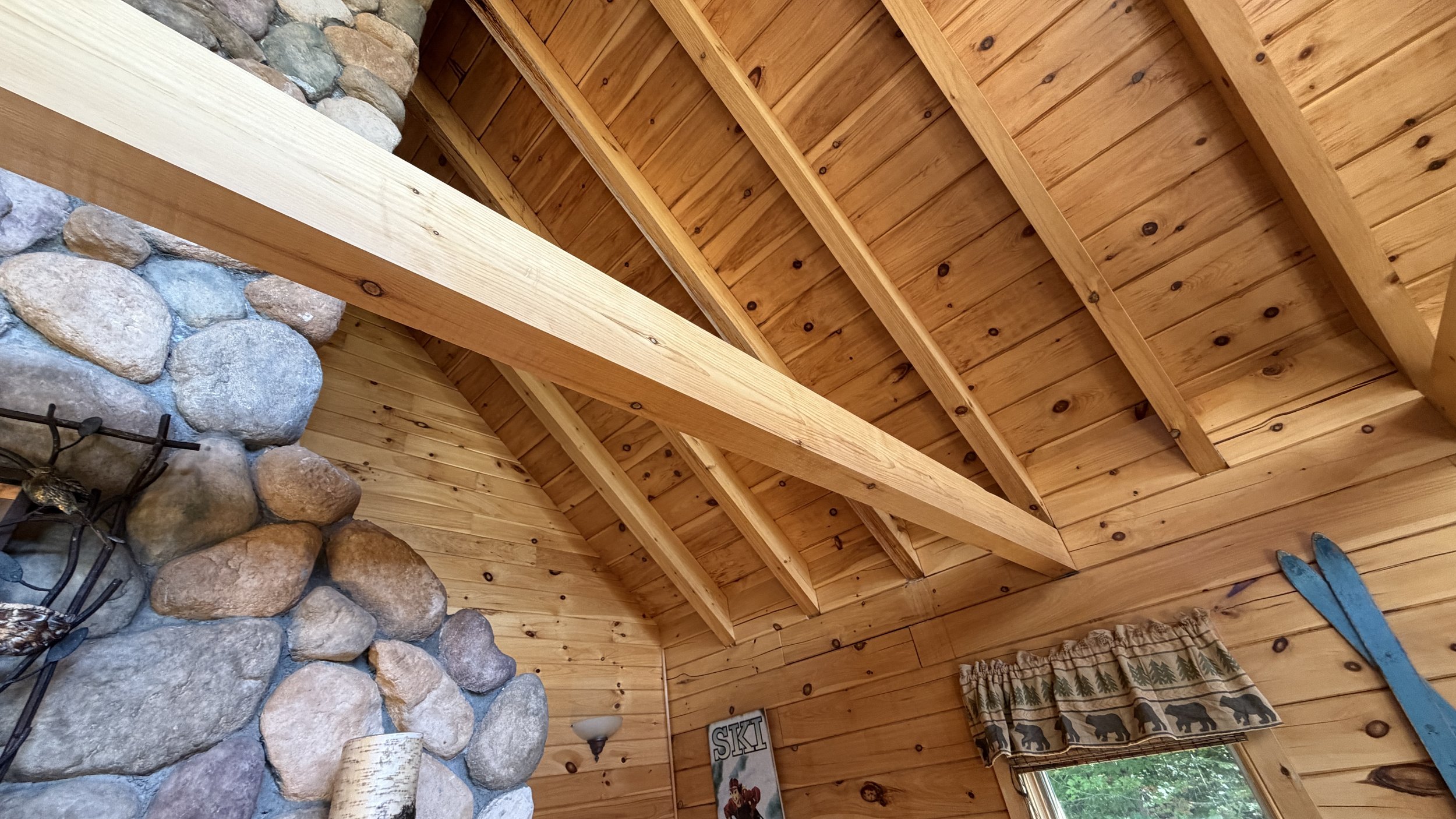
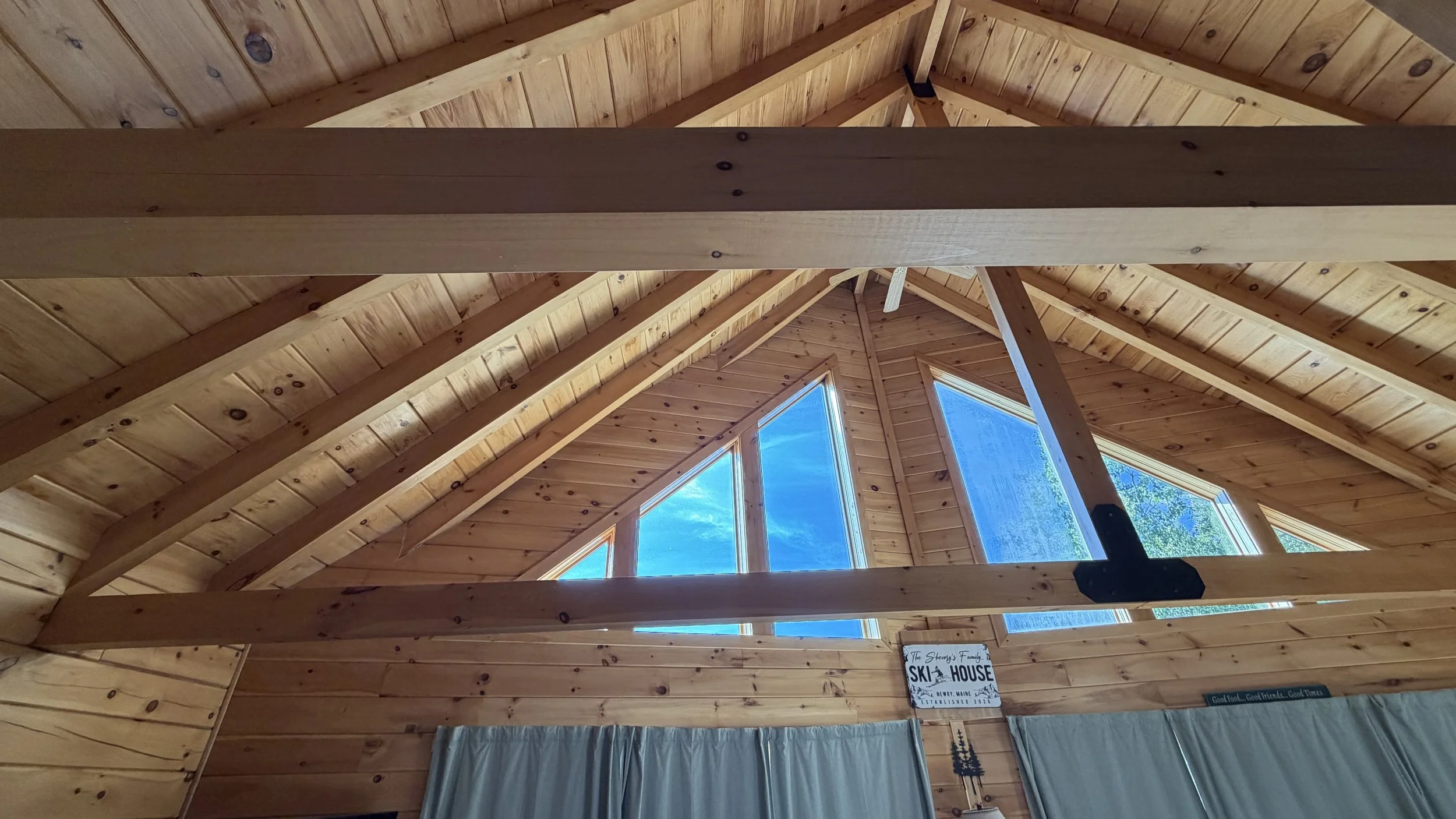
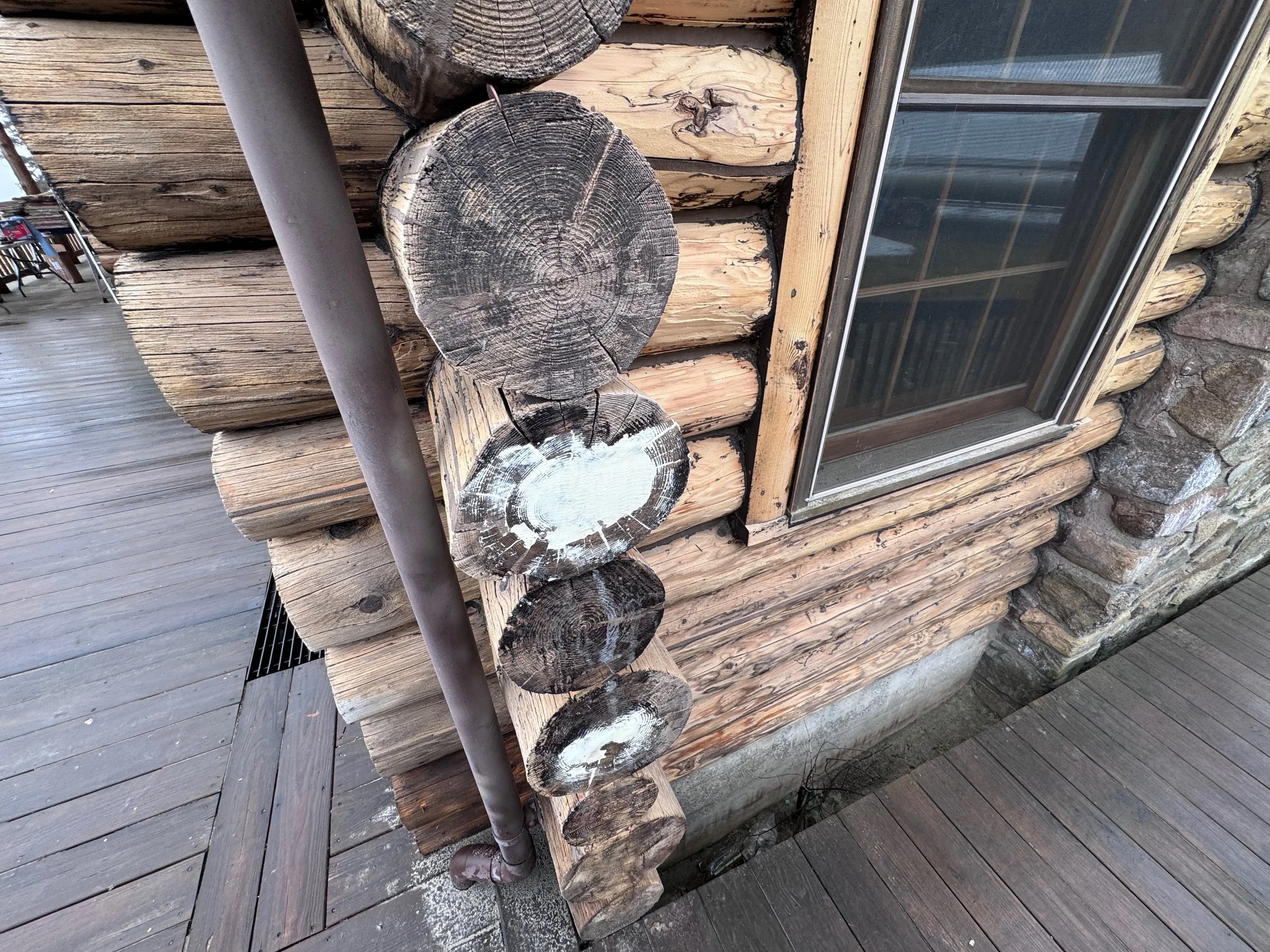
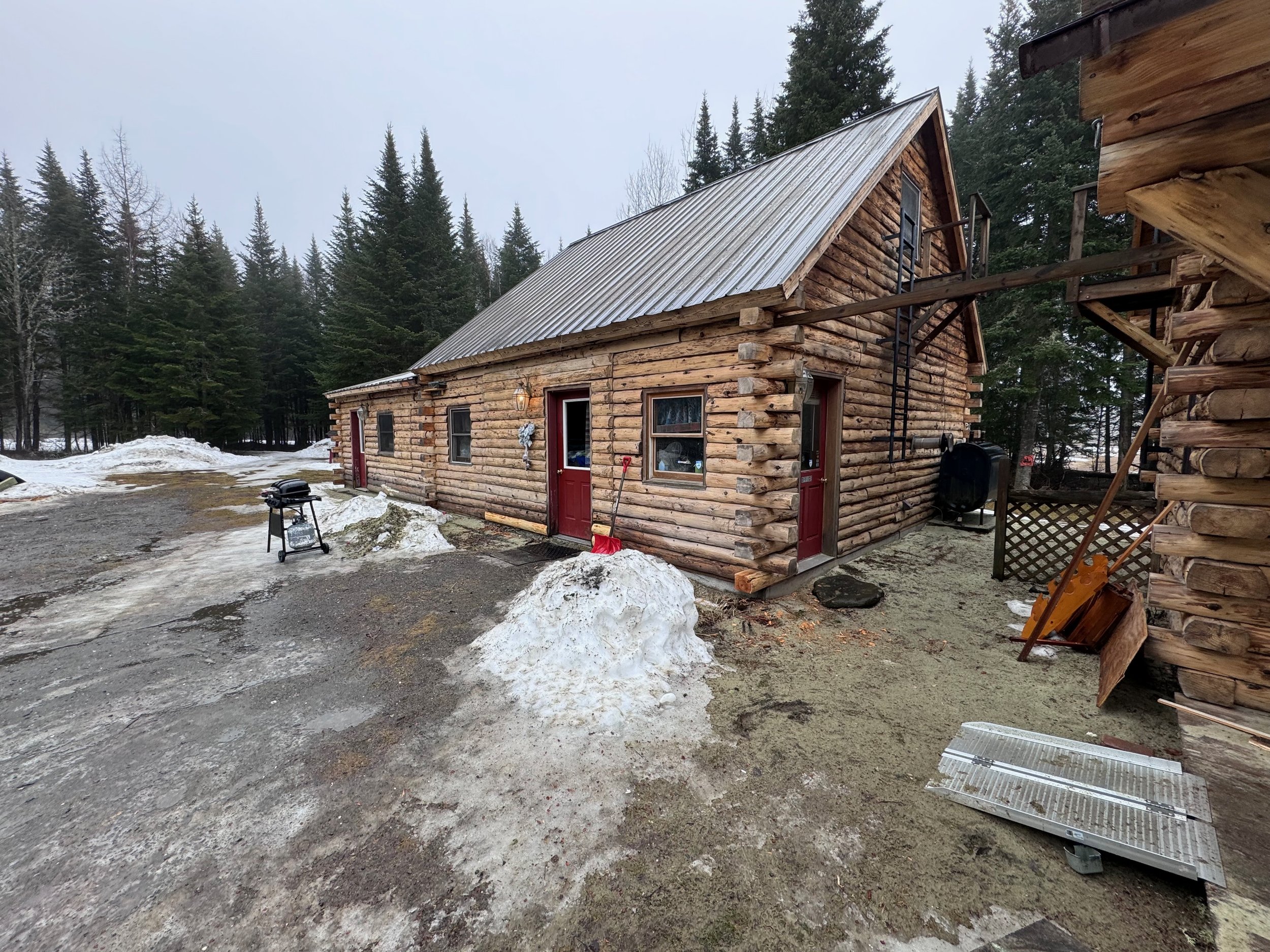
Thetford, Vermont Restorations, October, 2026.
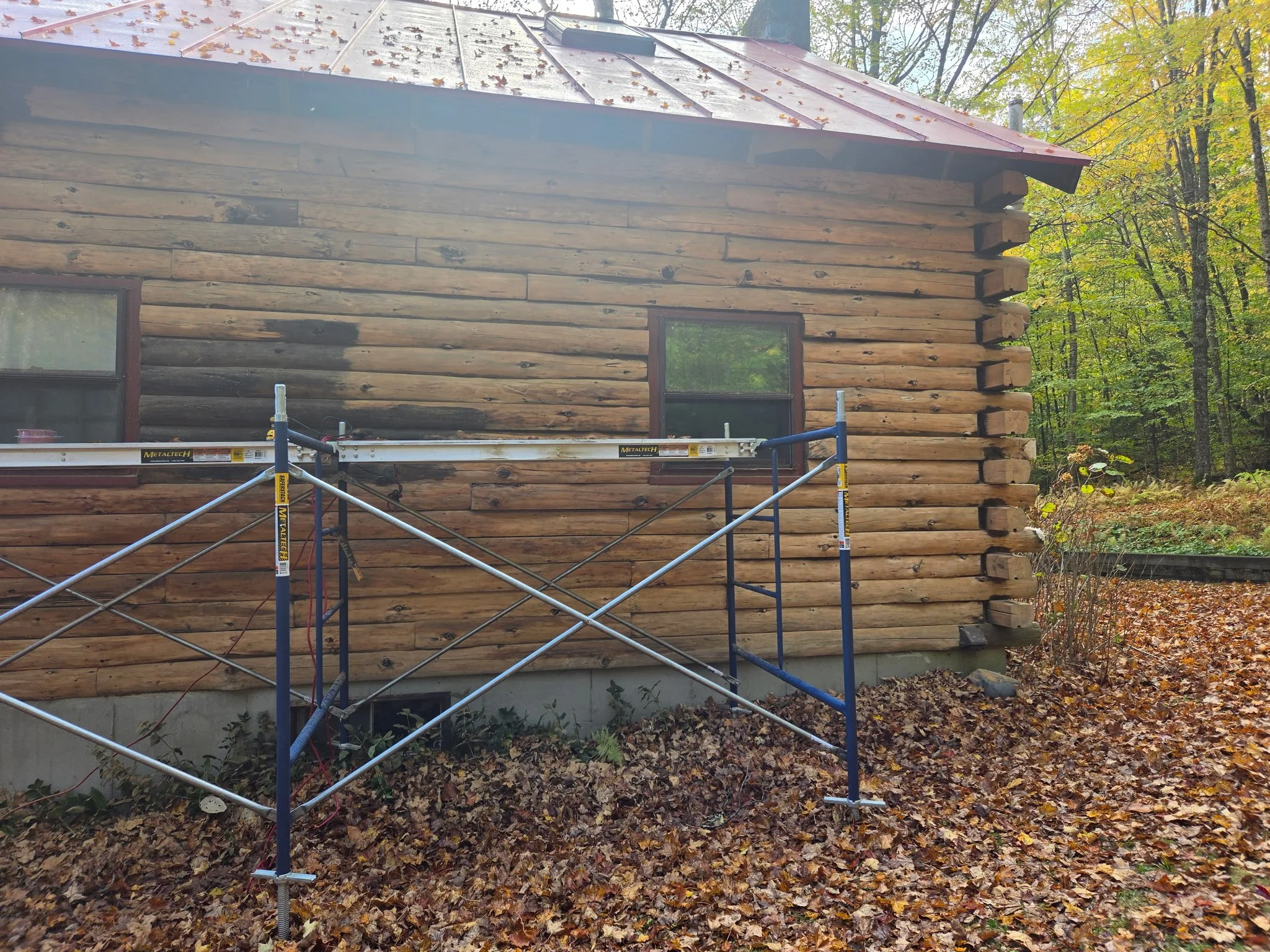
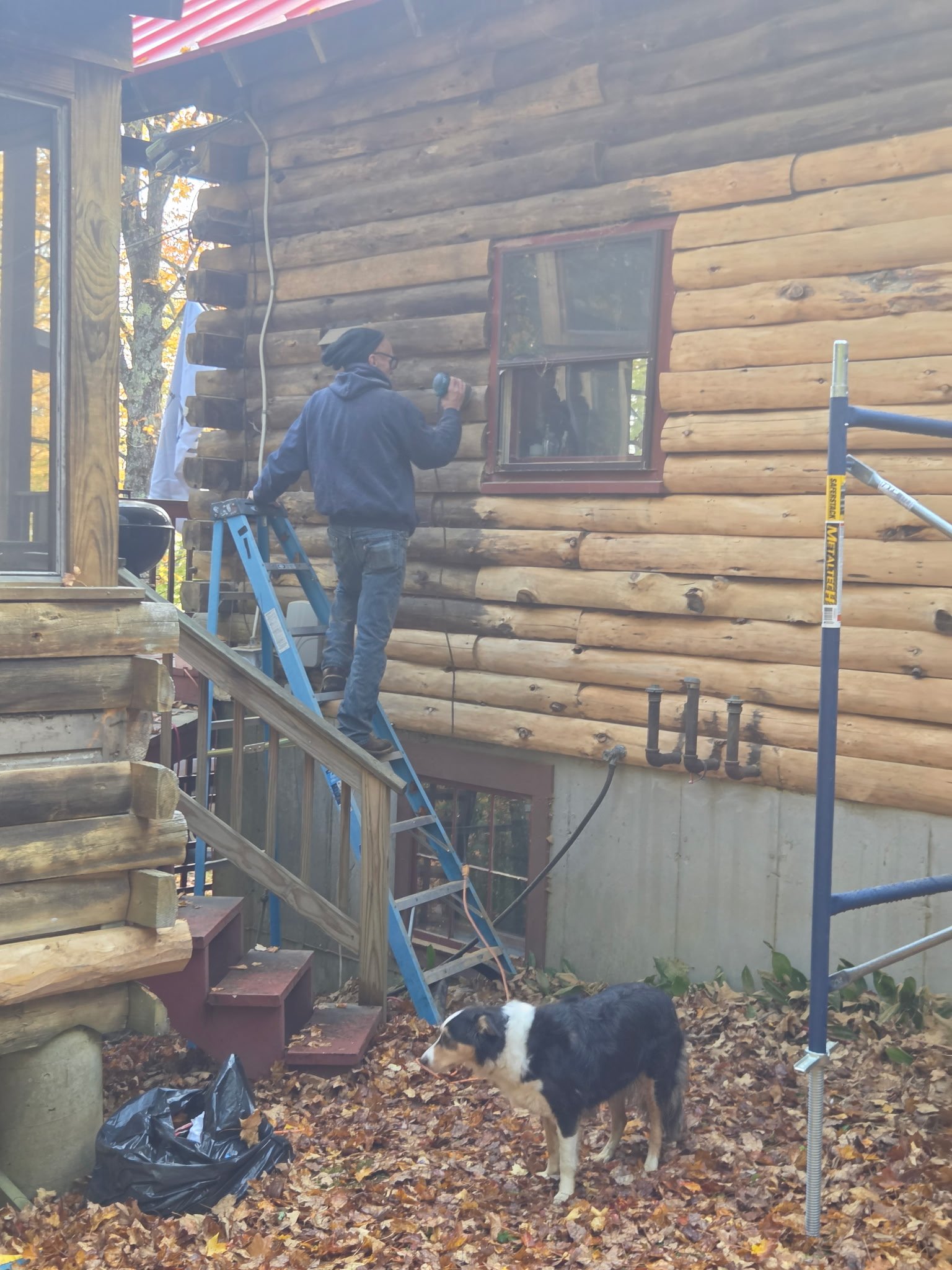
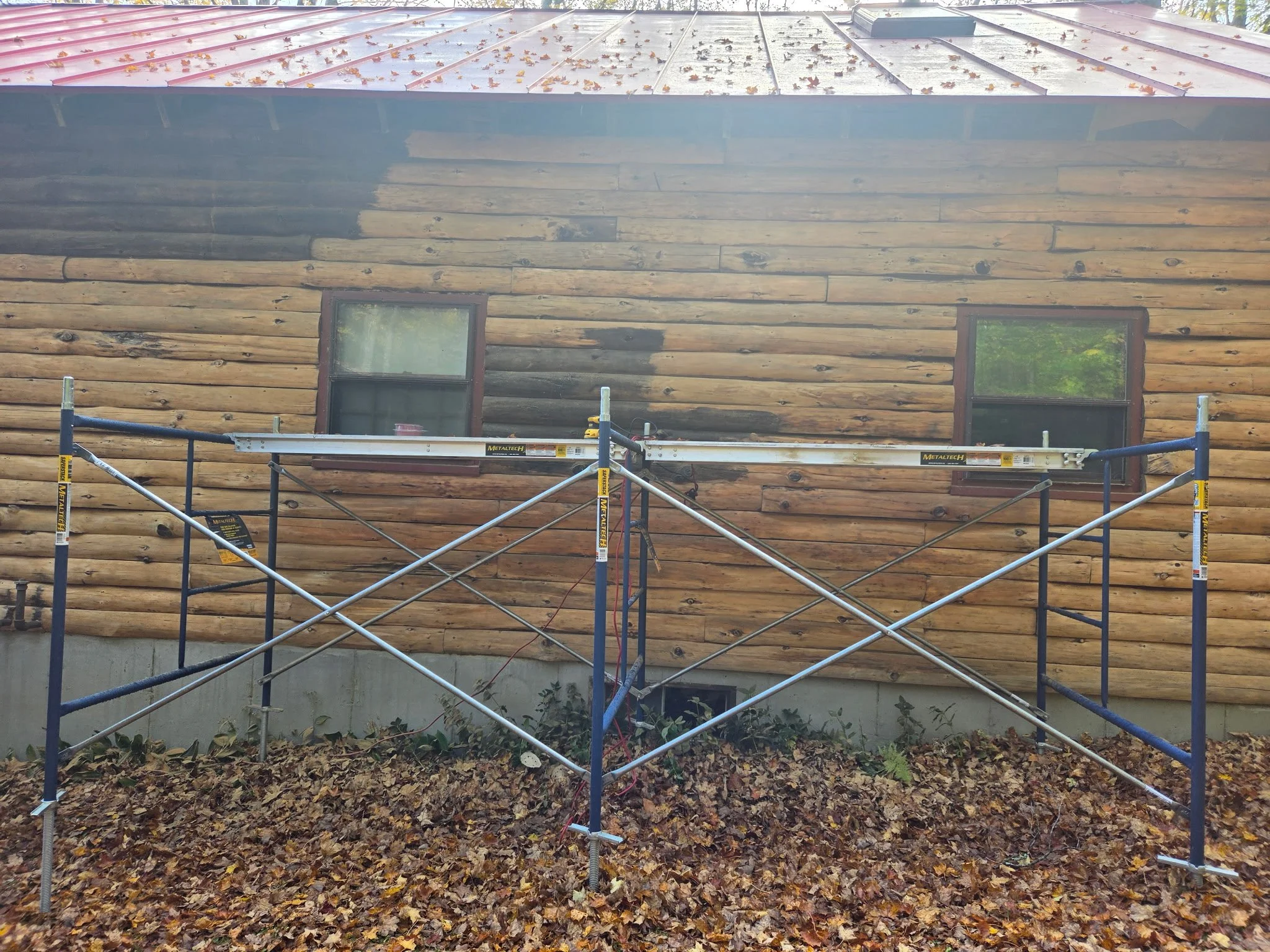
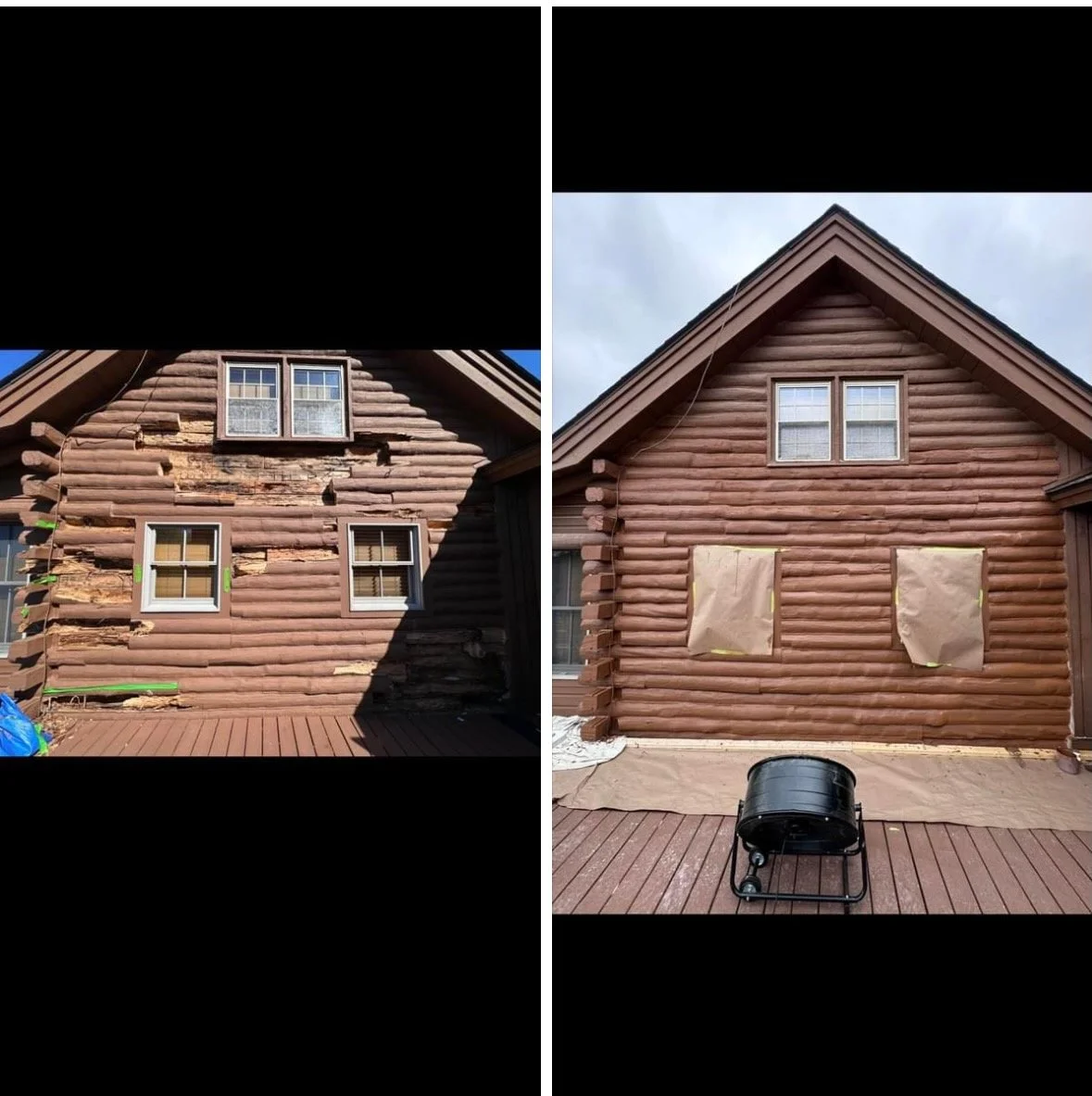
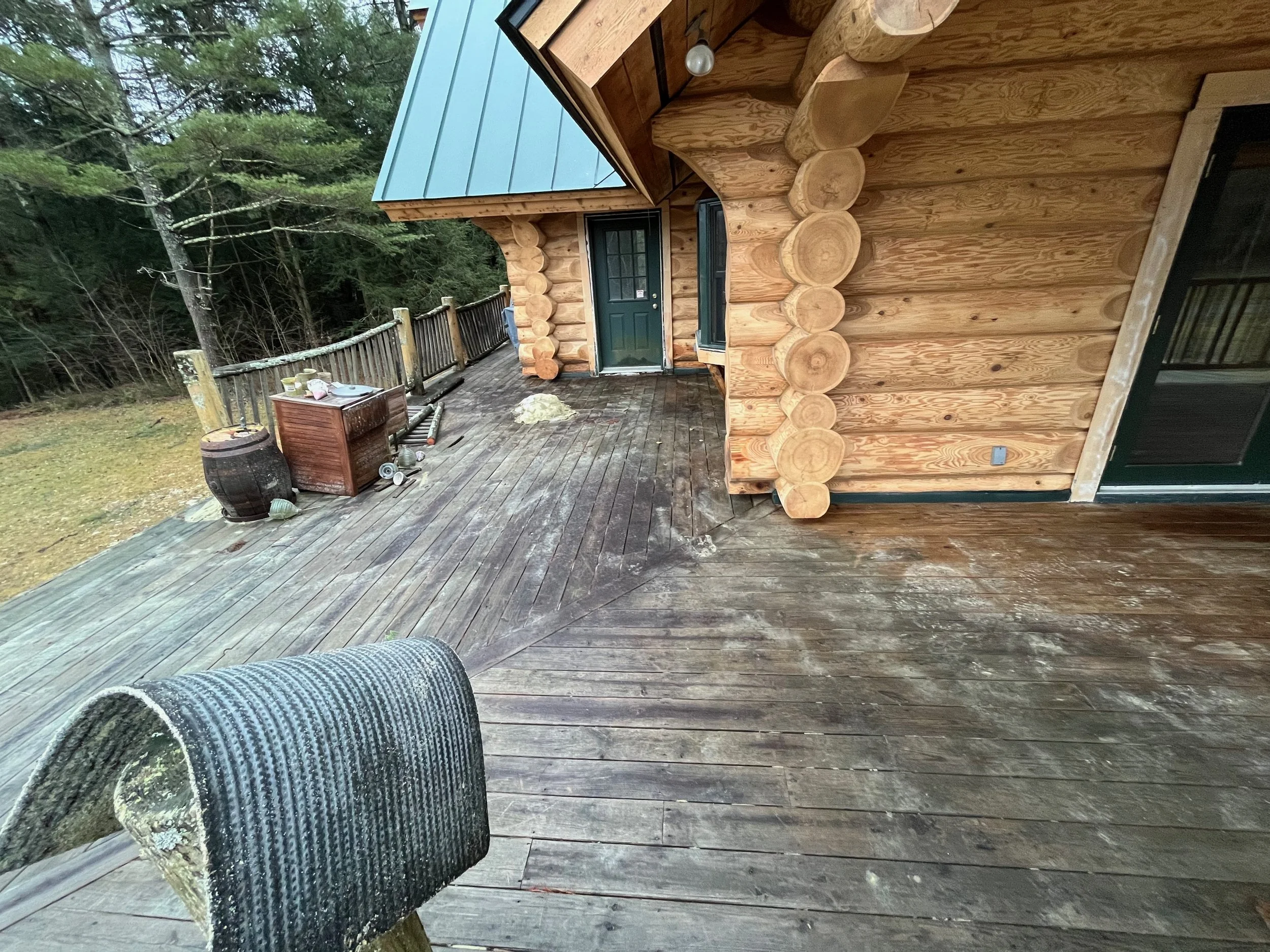
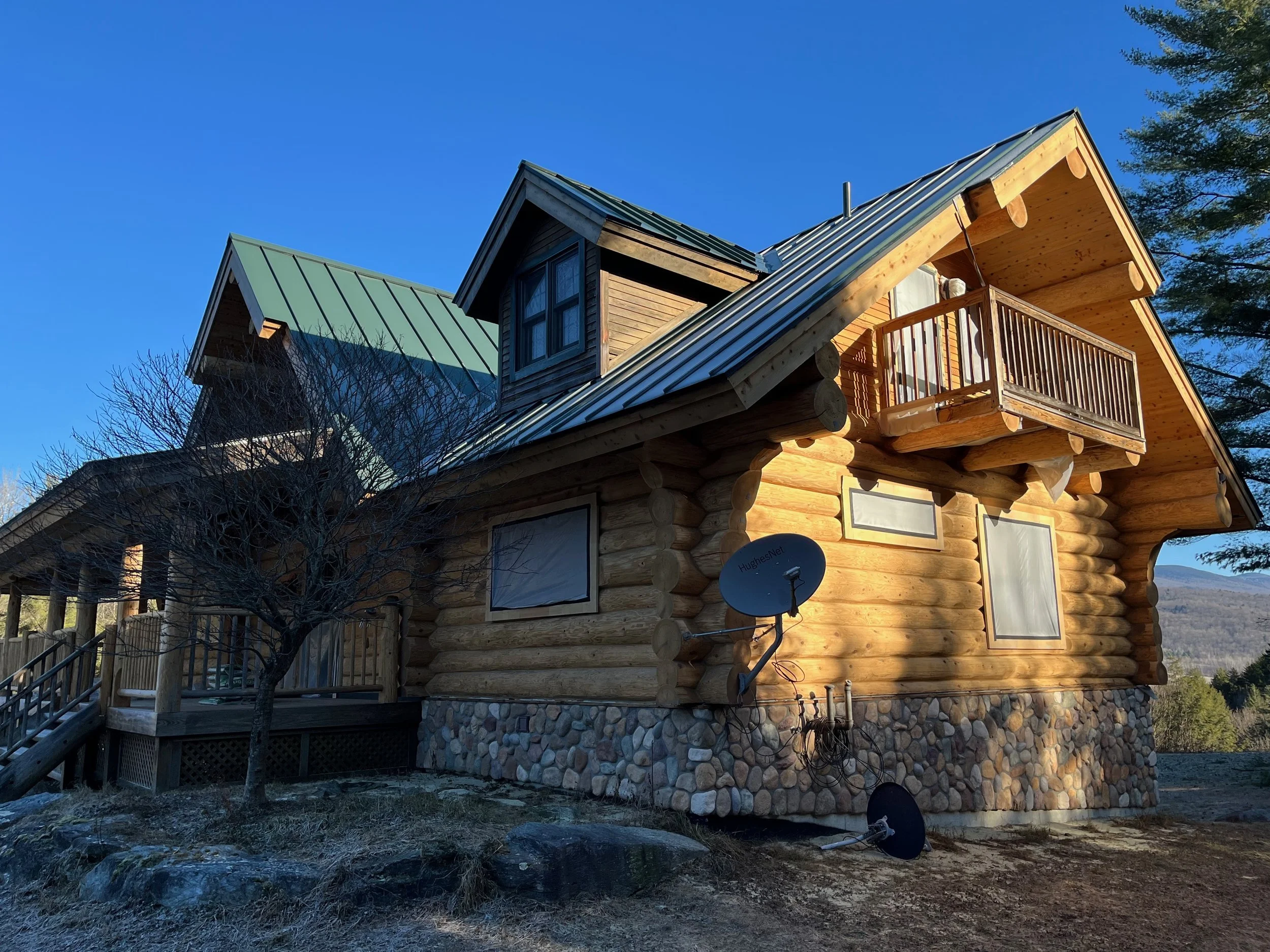
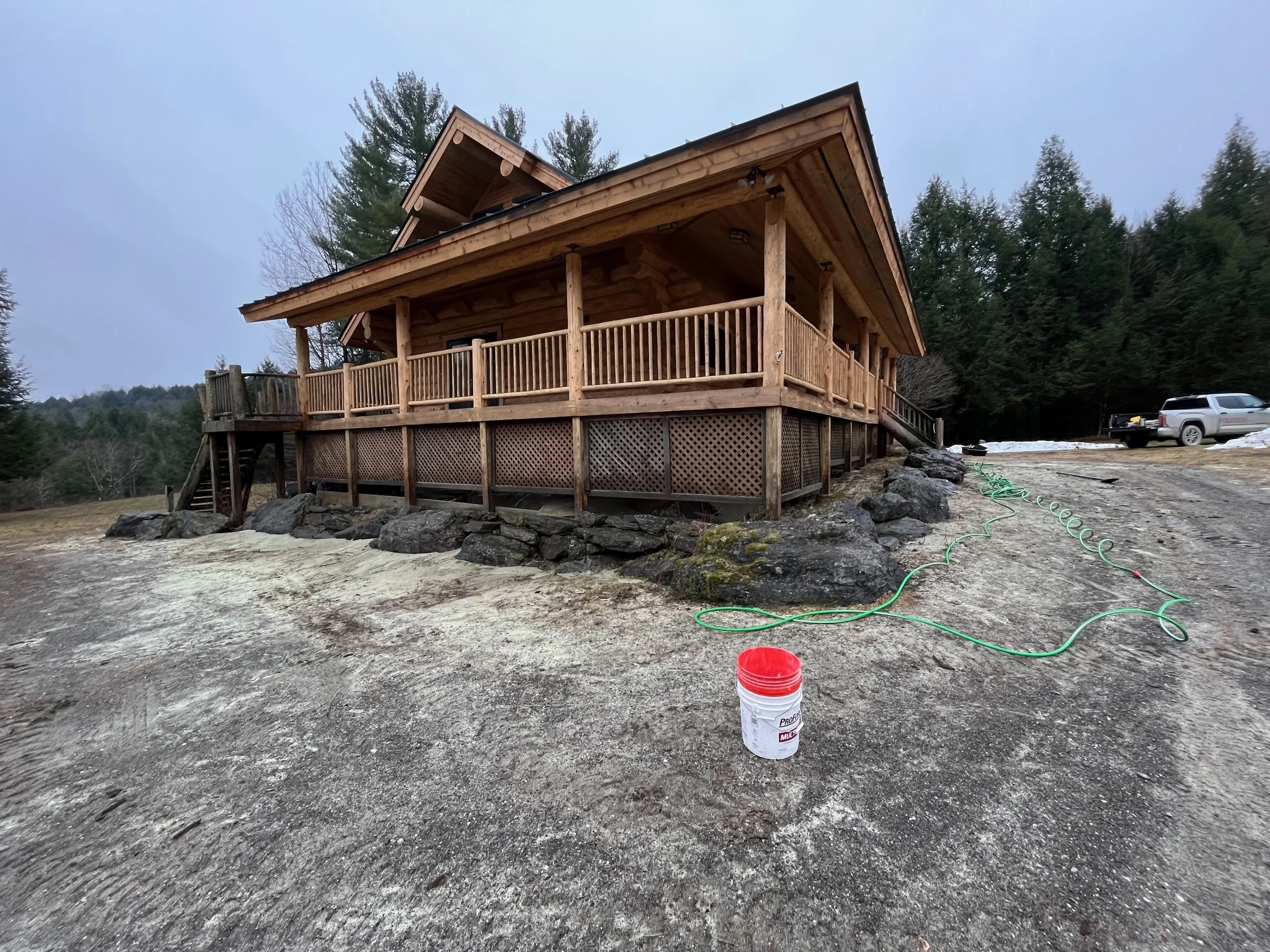
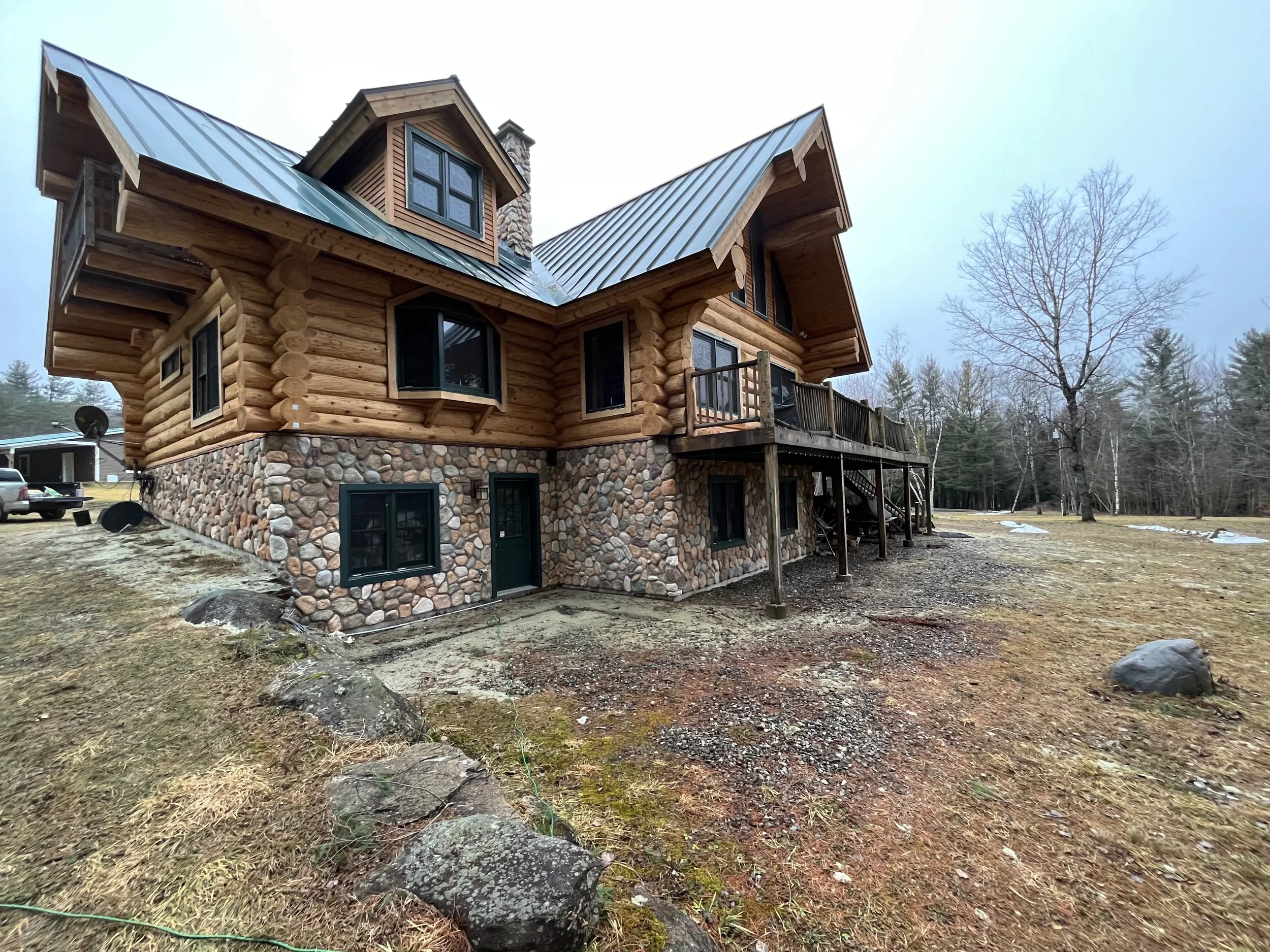
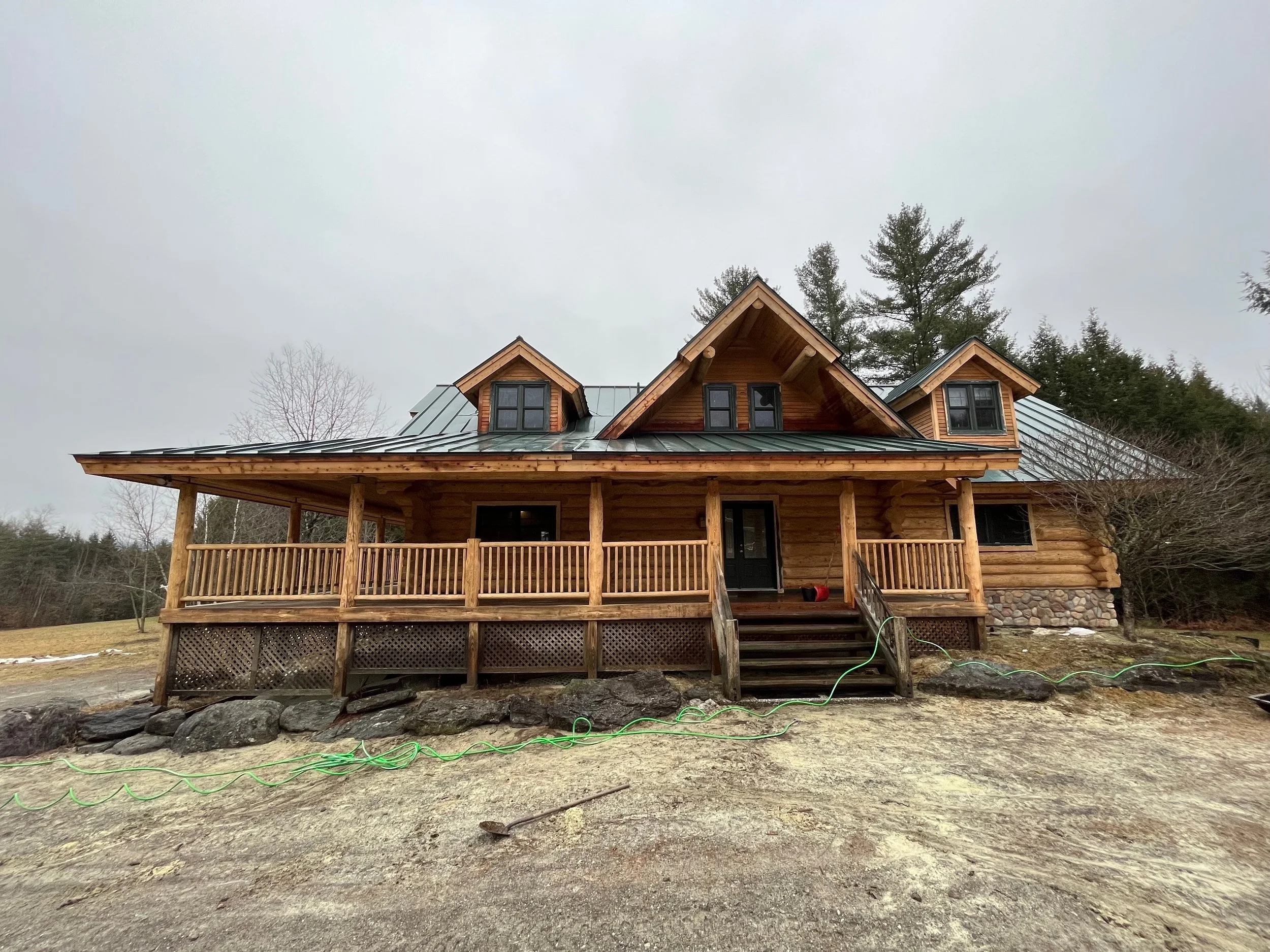
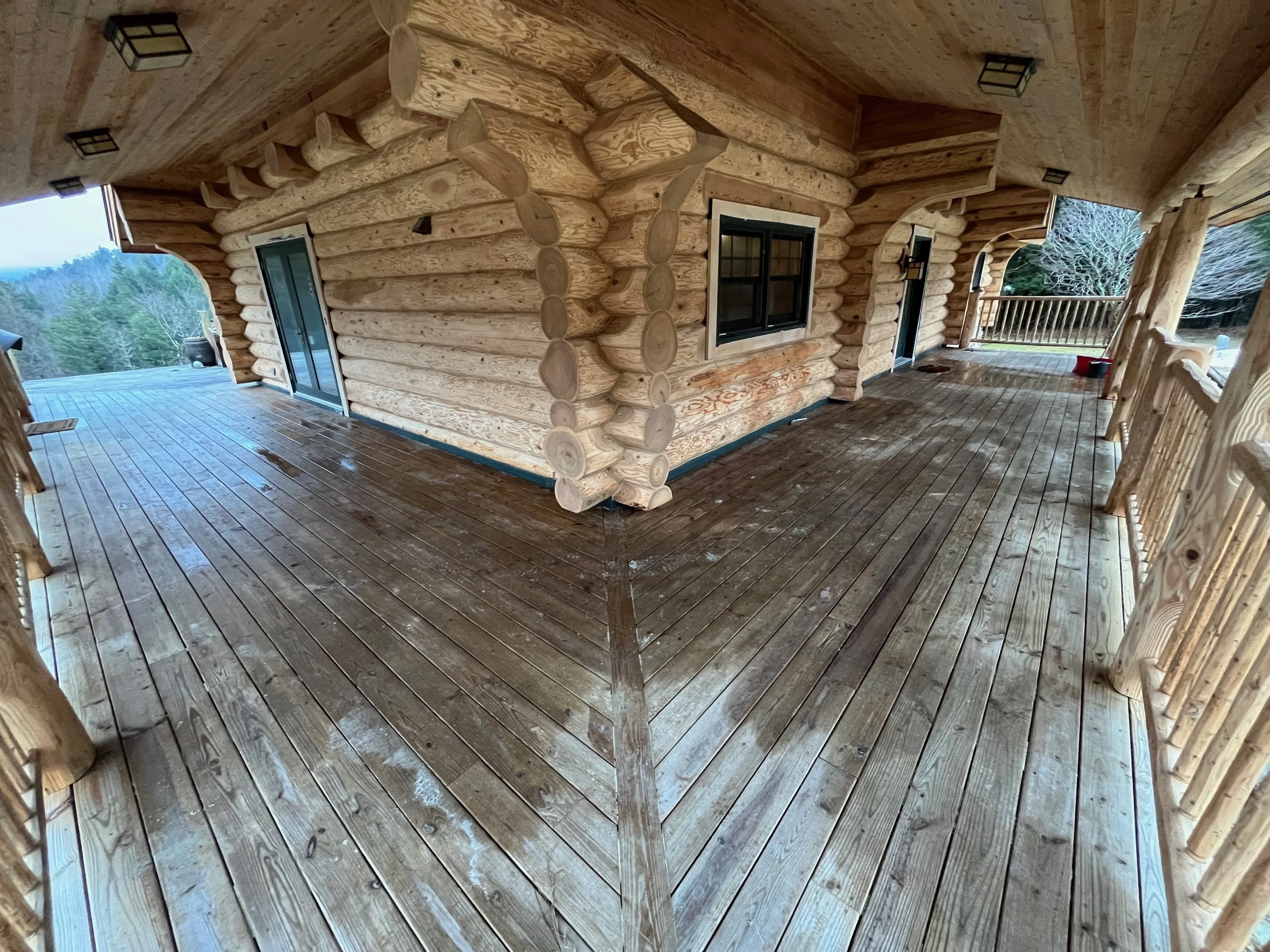
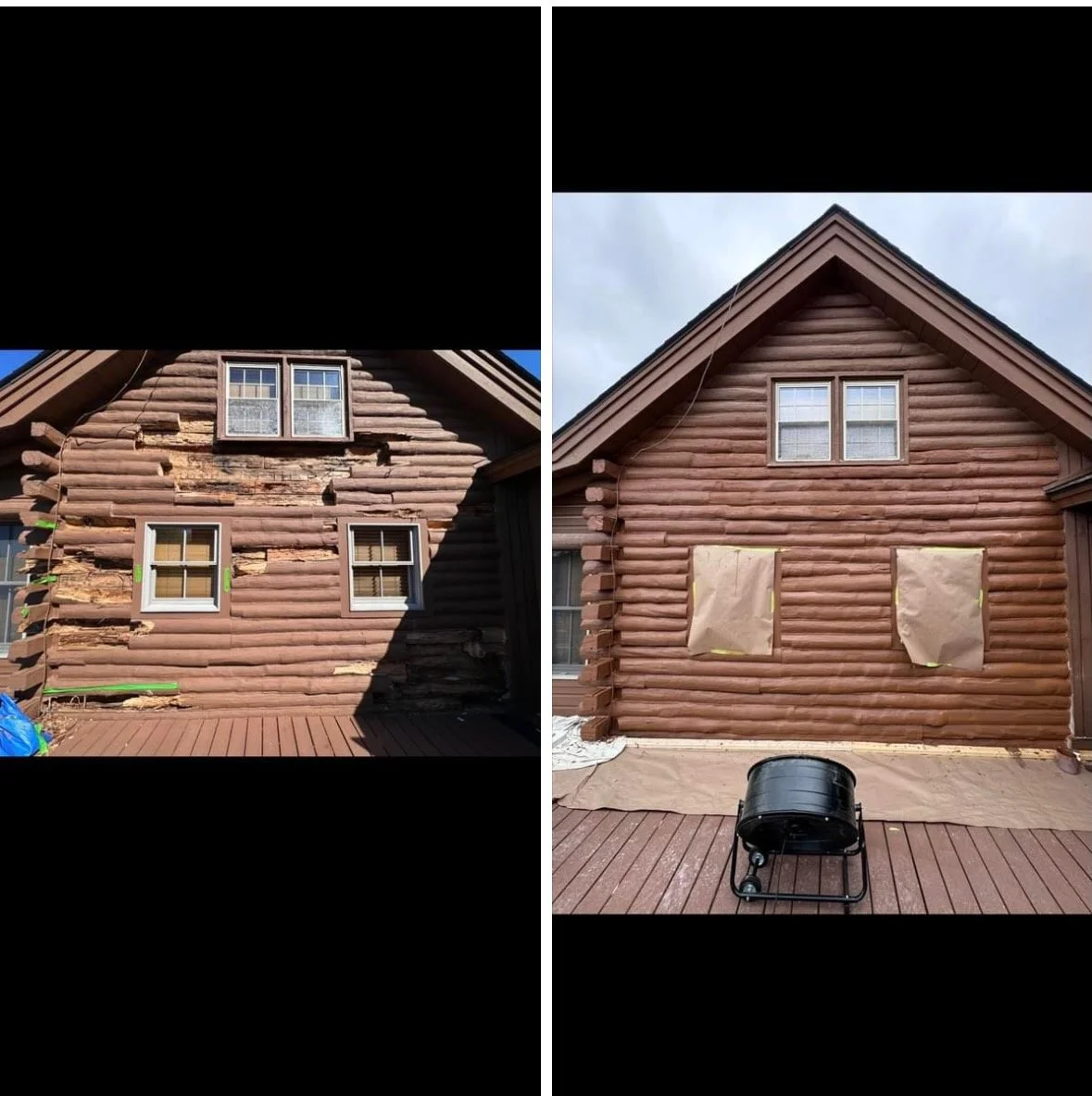
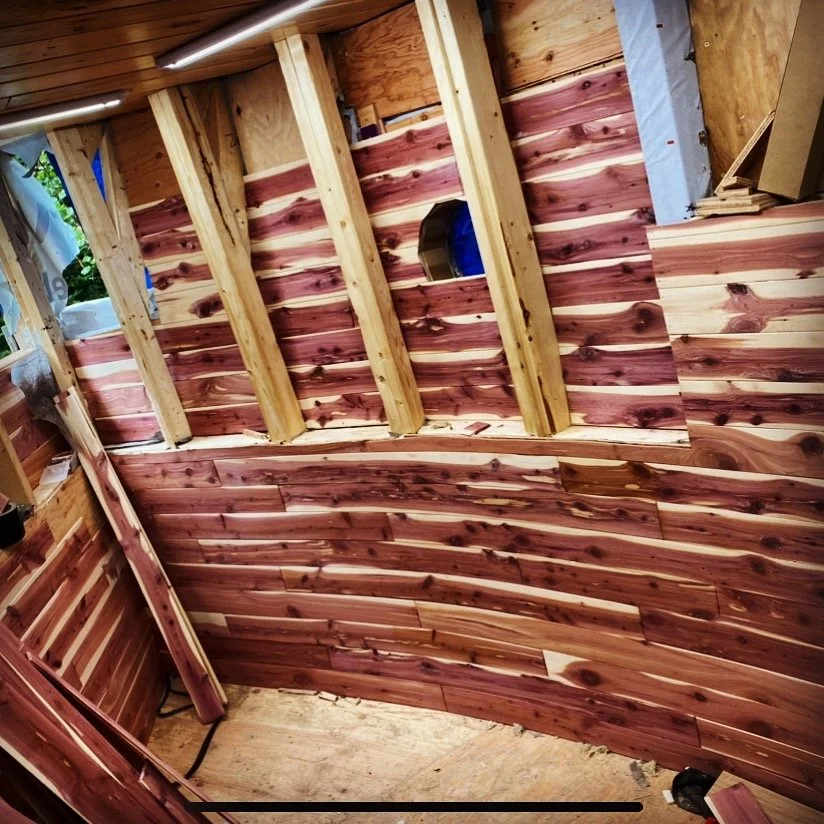
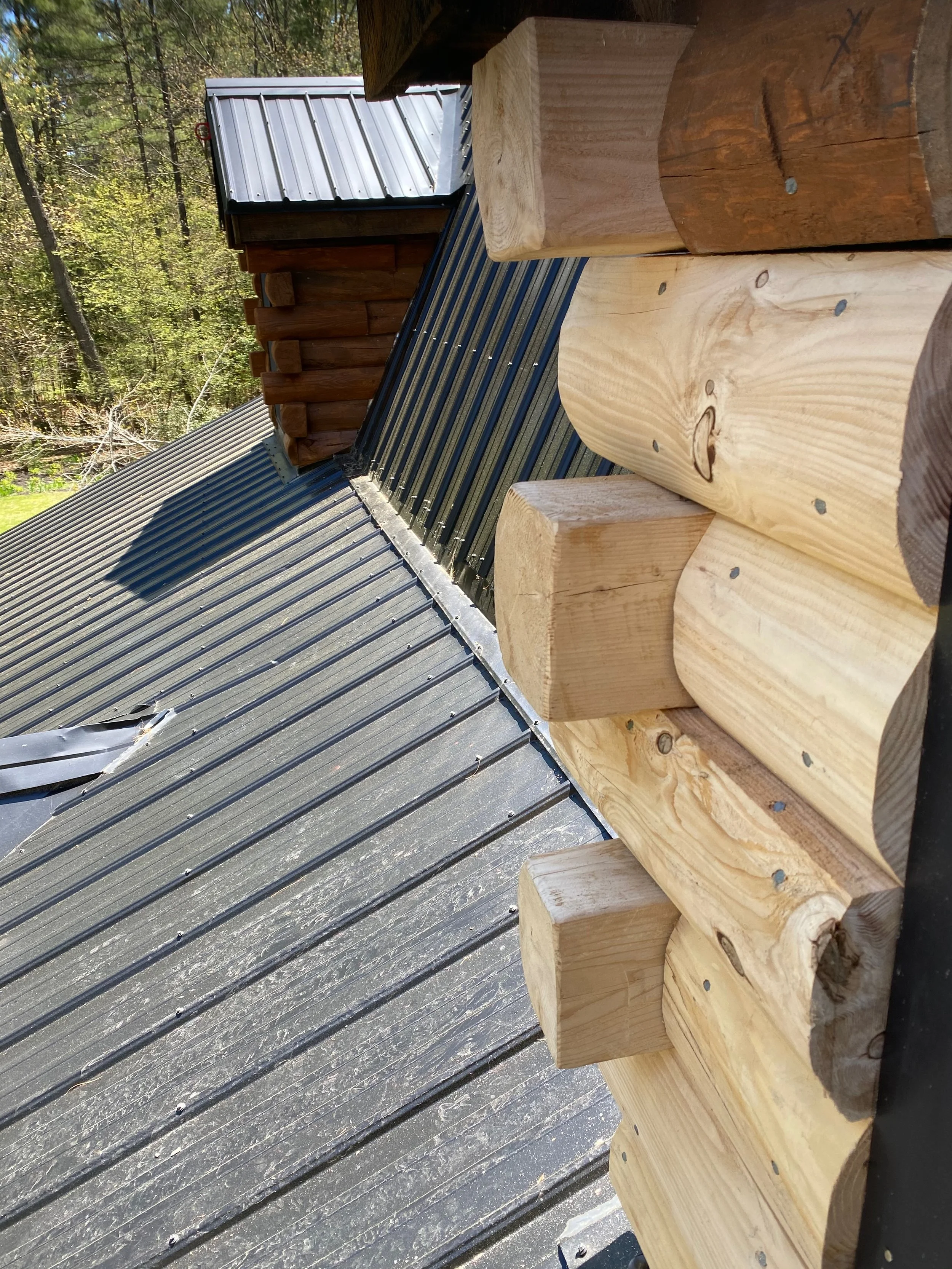
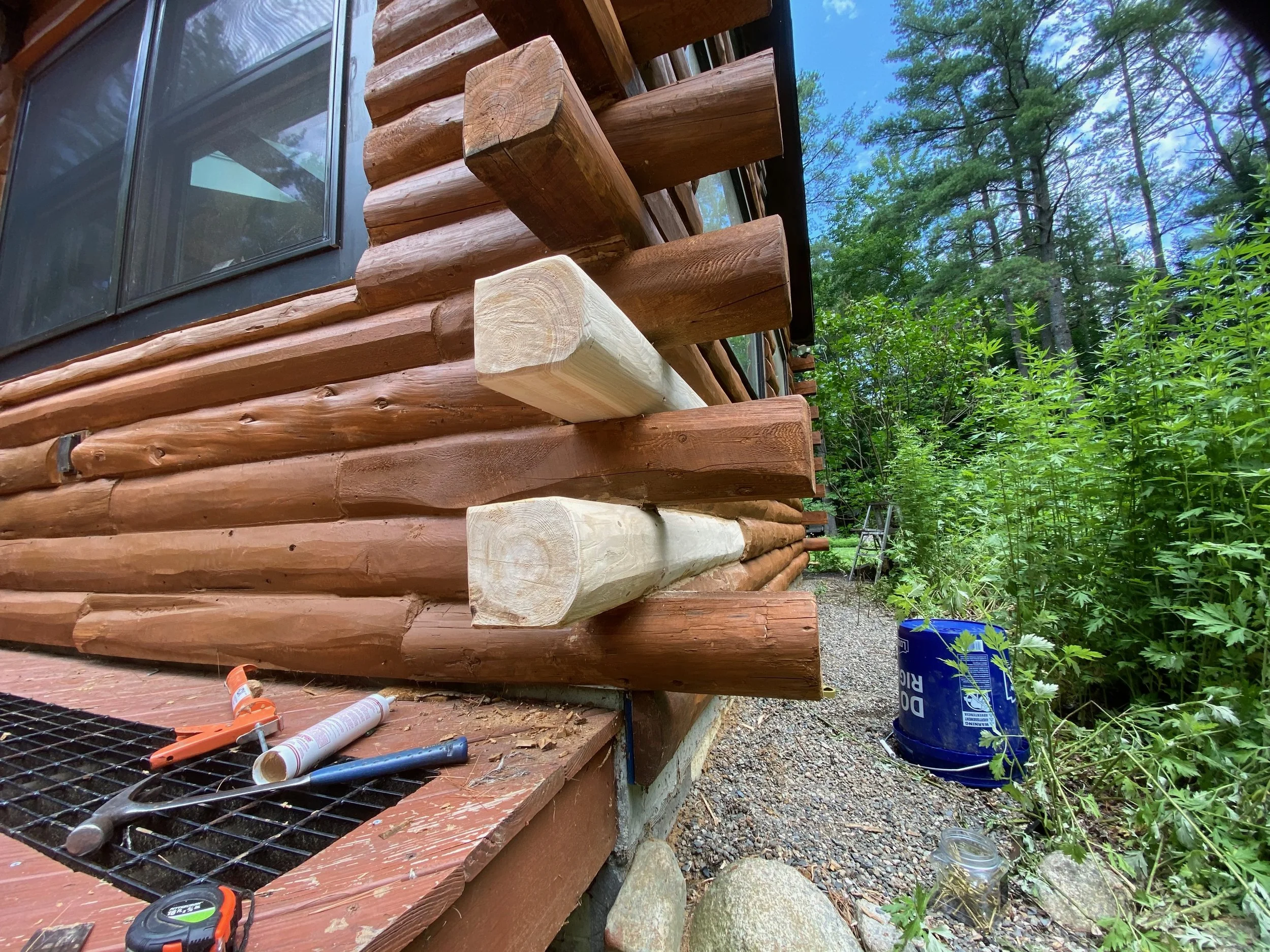
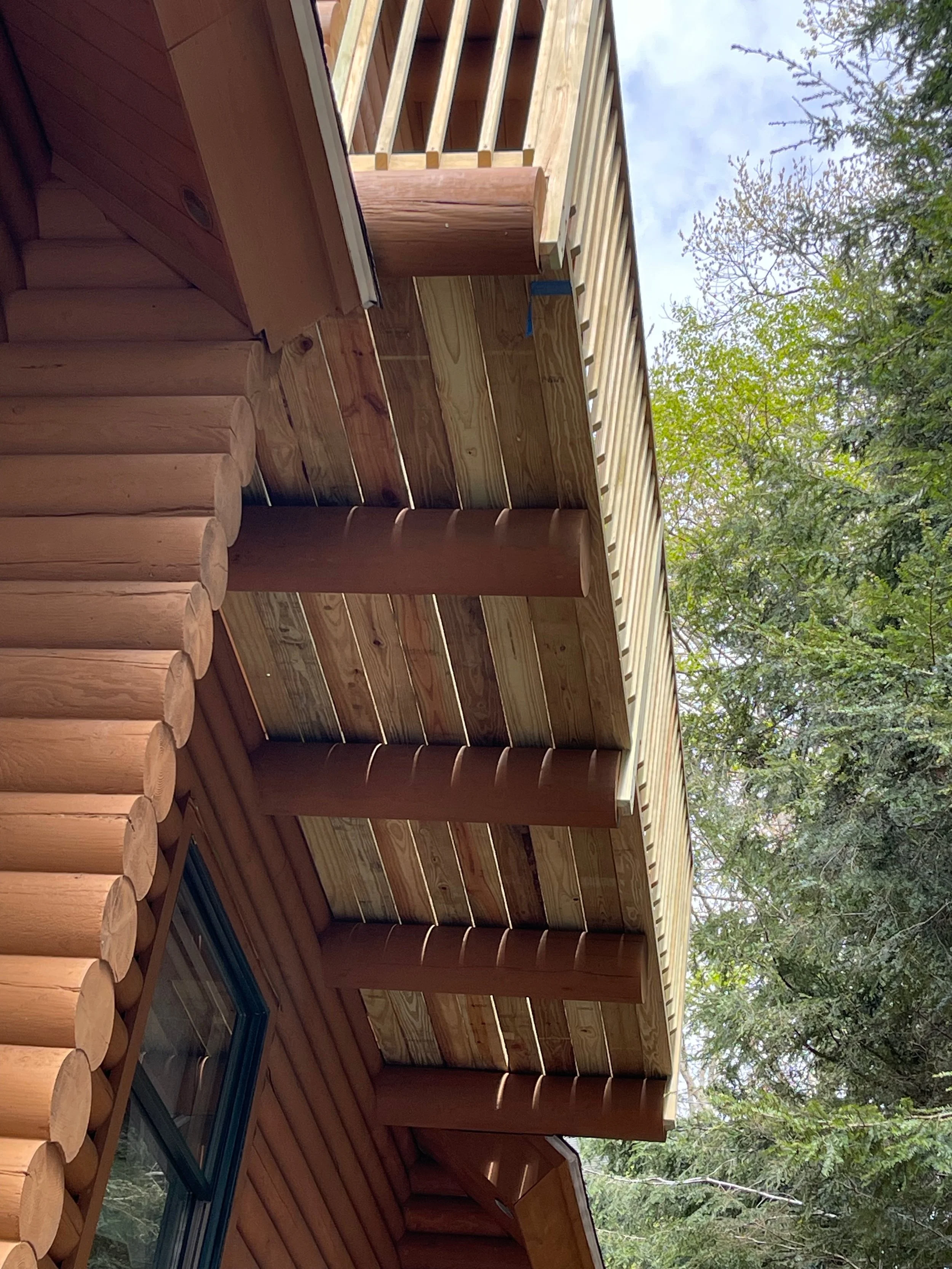
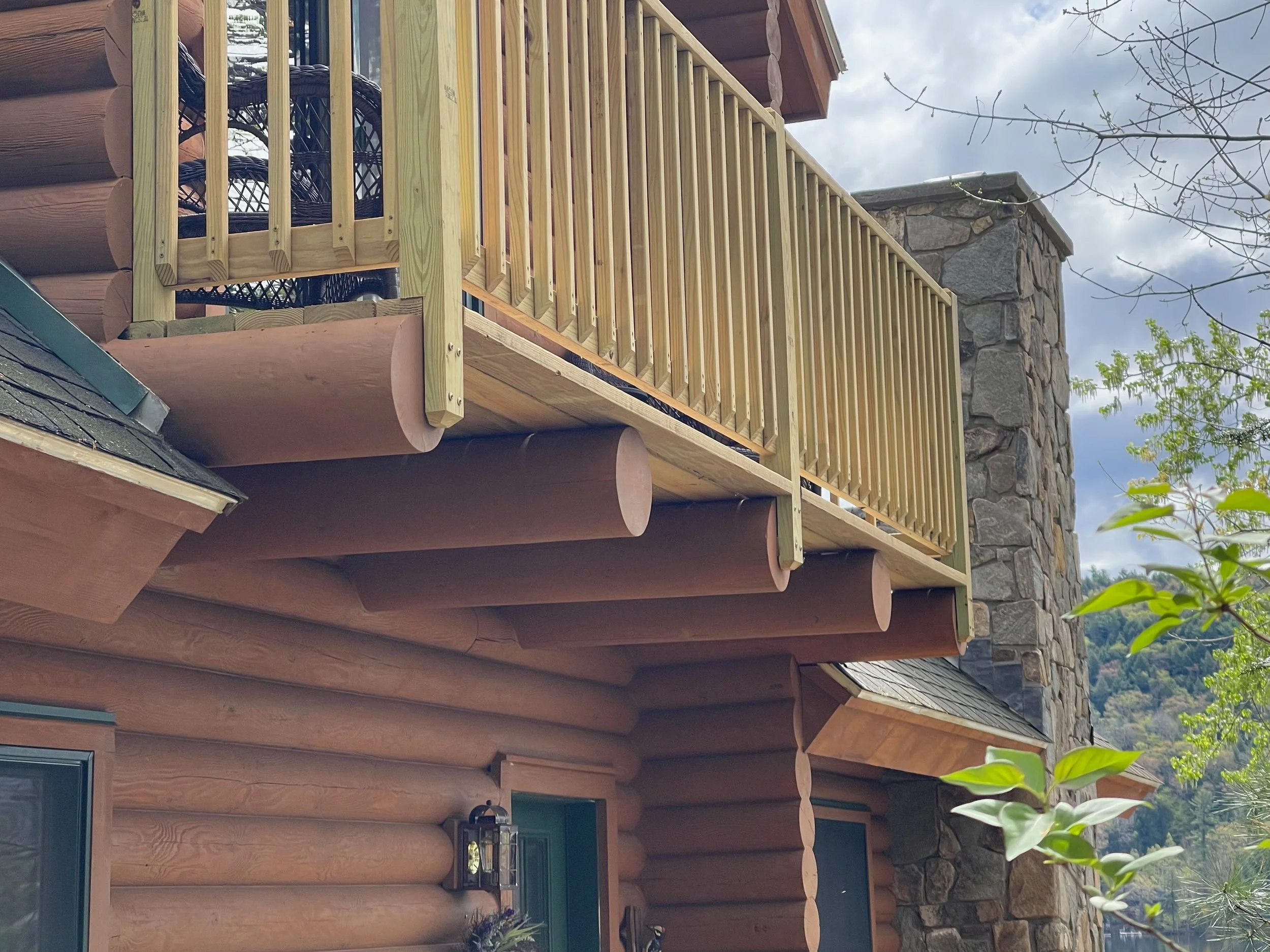
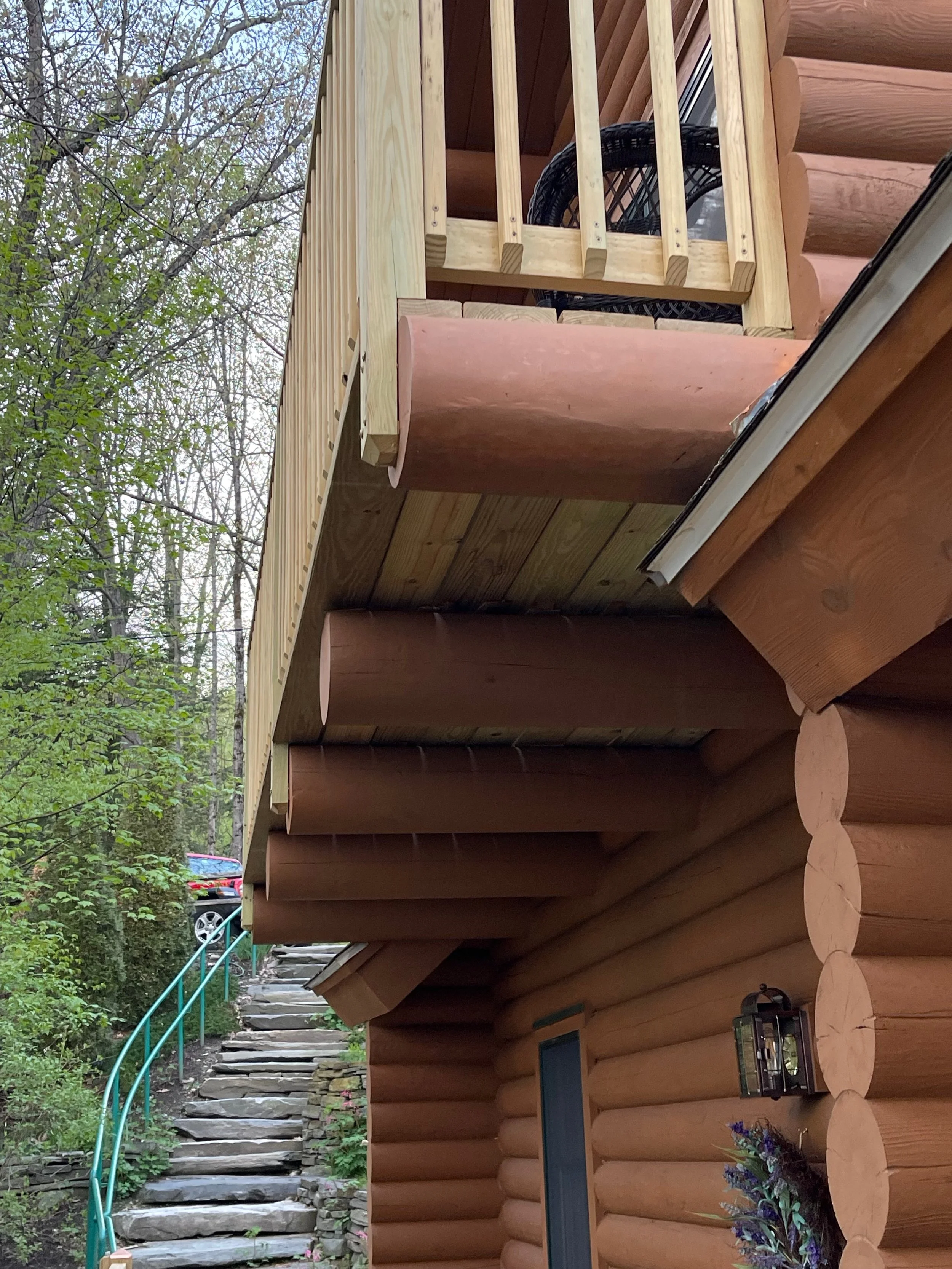
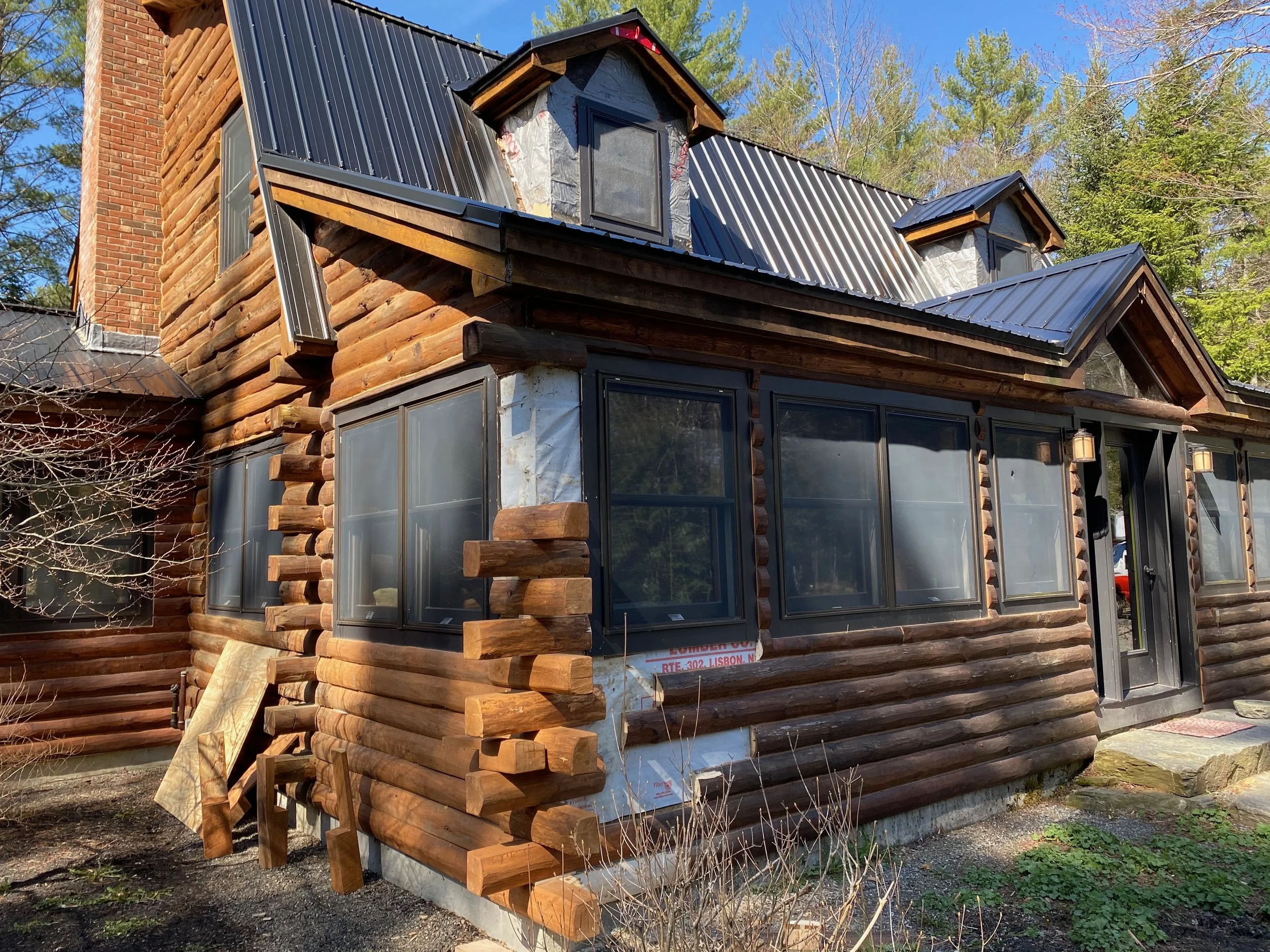
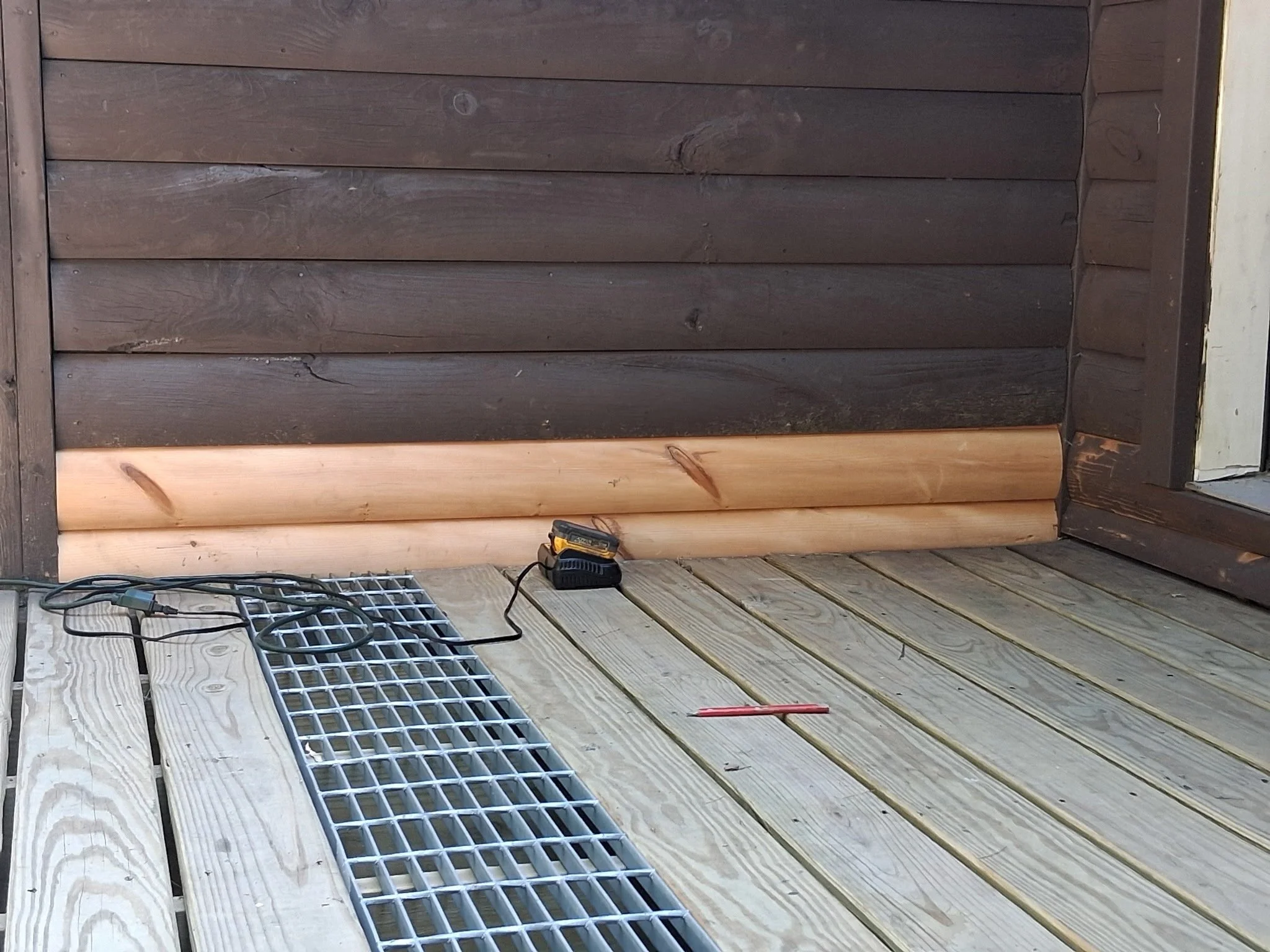
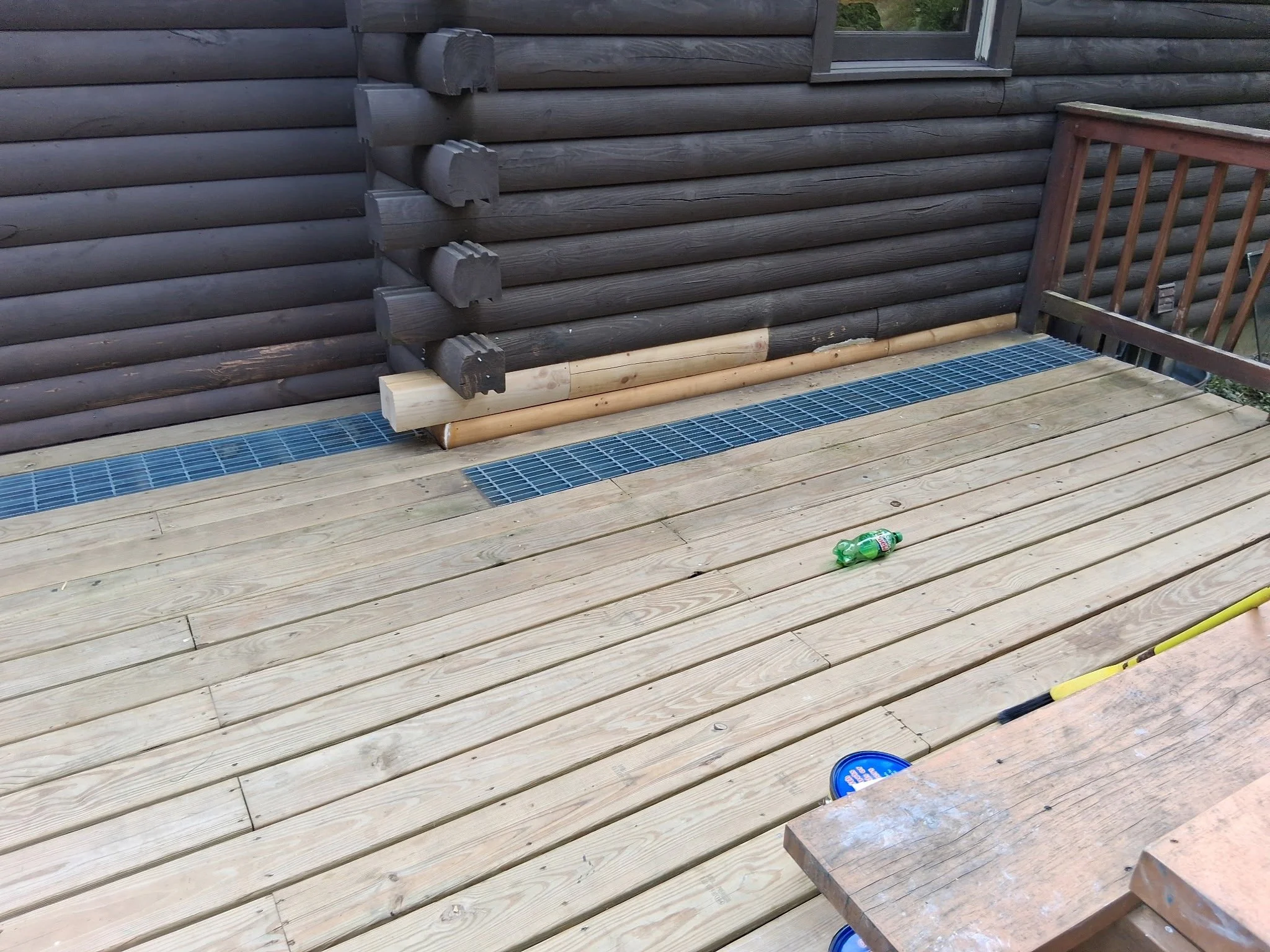
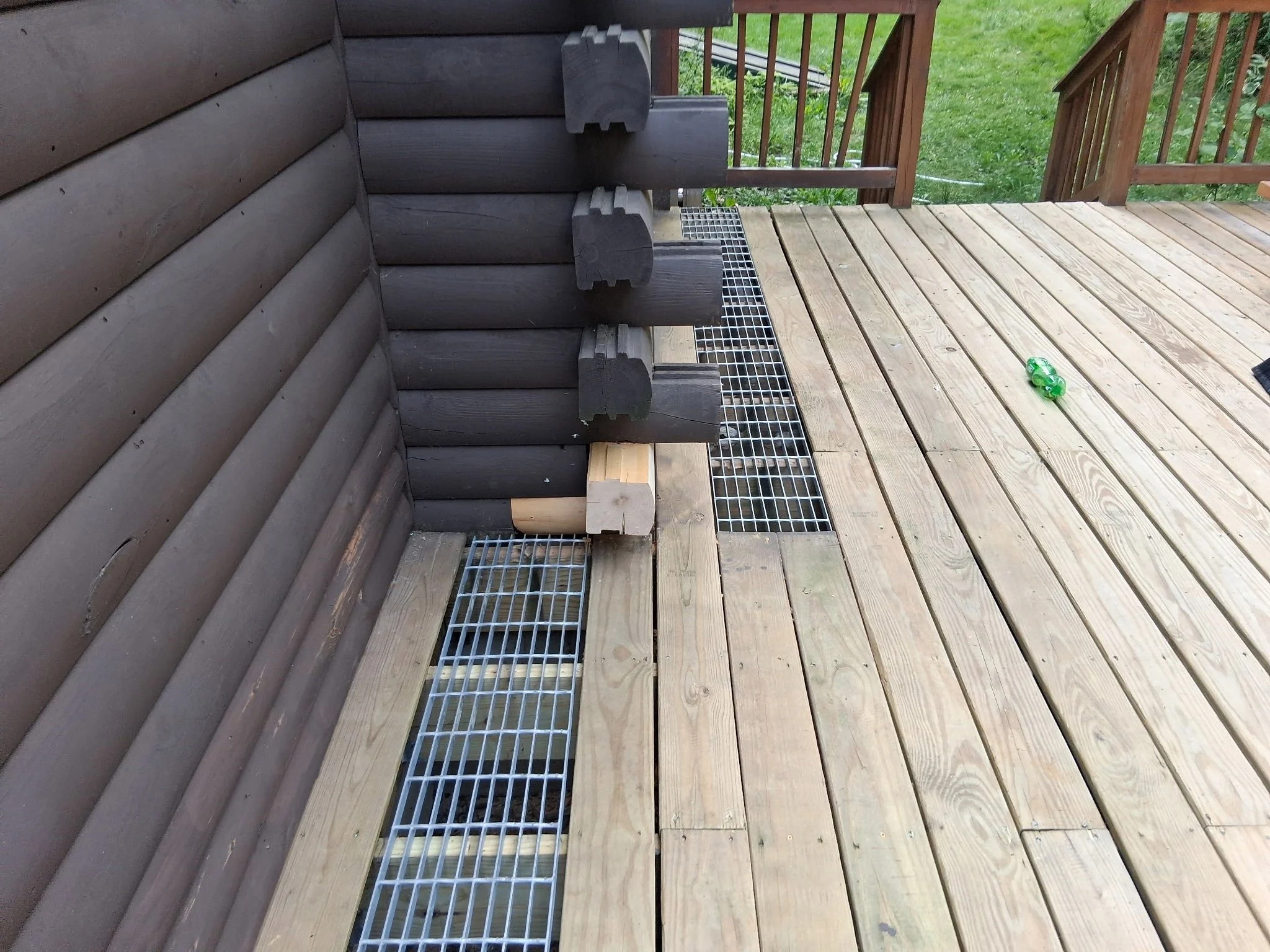
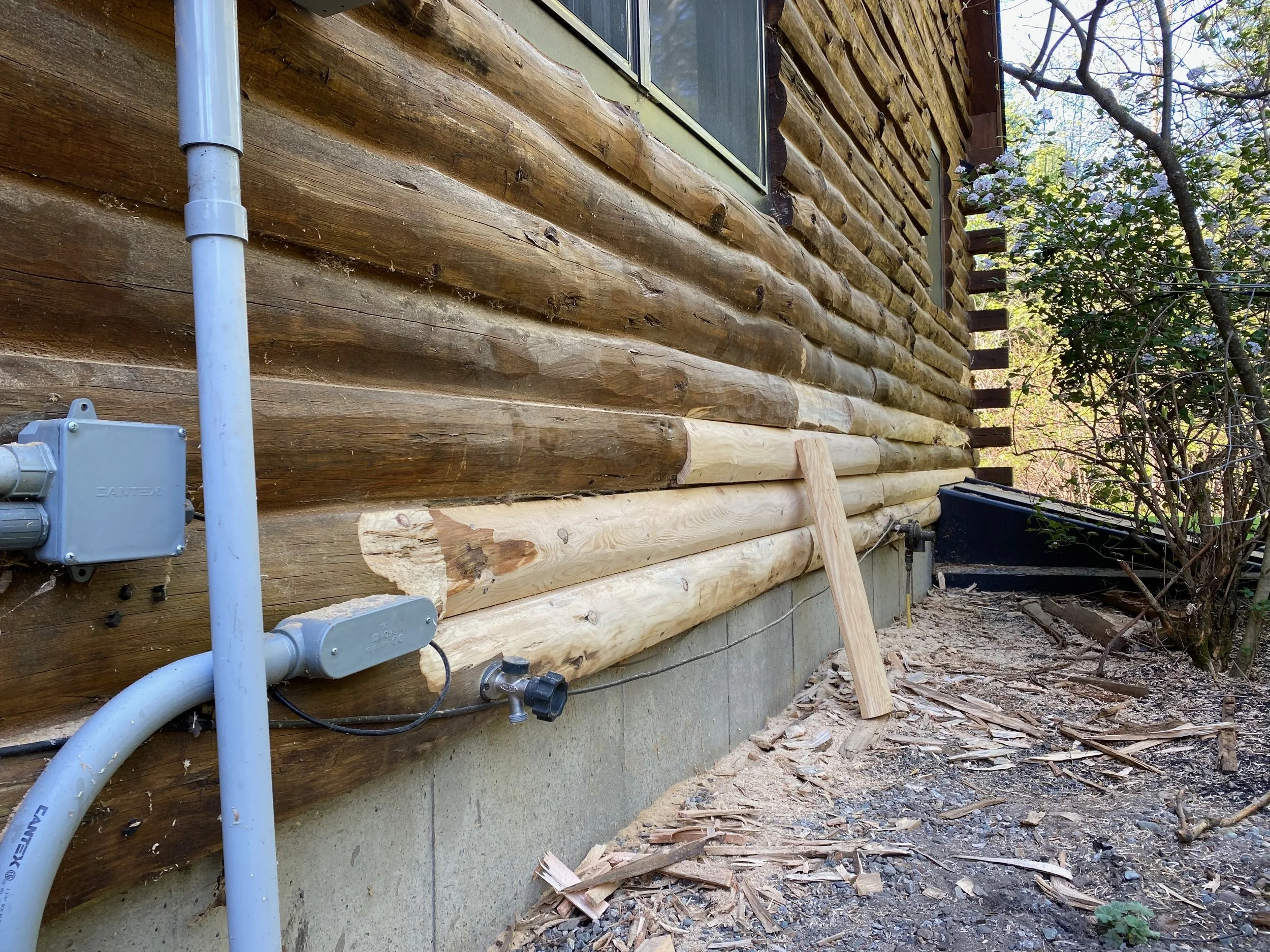
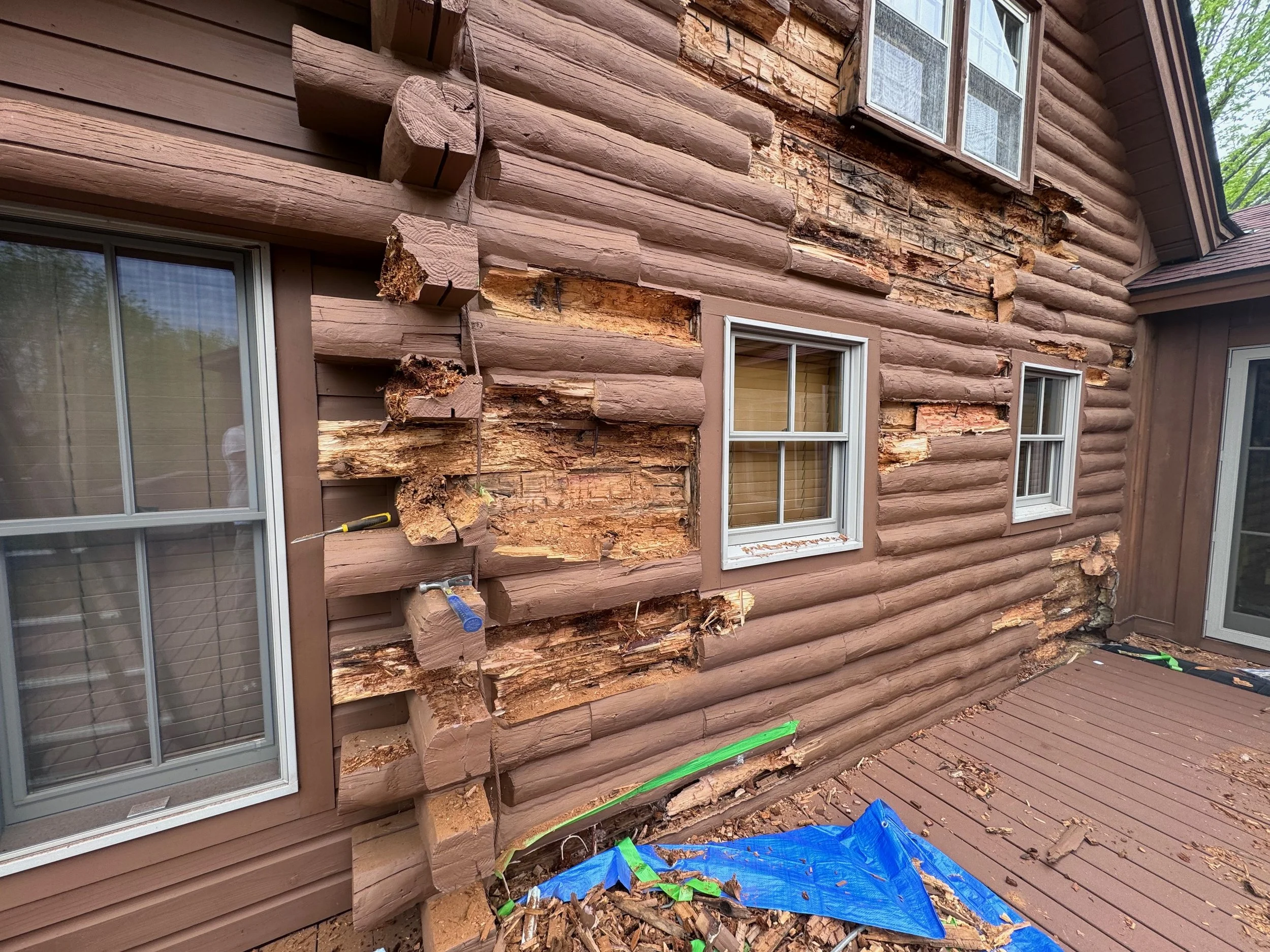
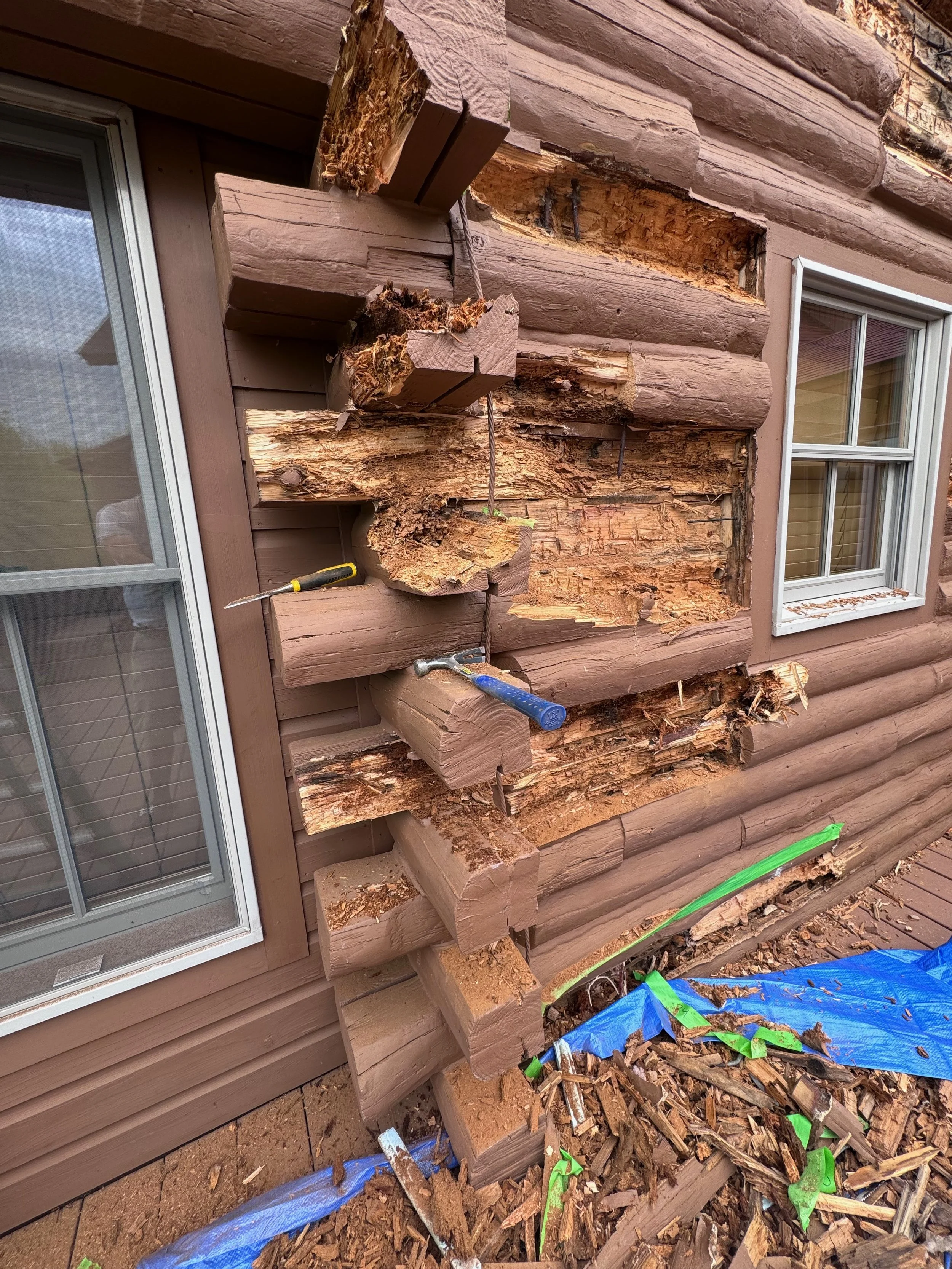
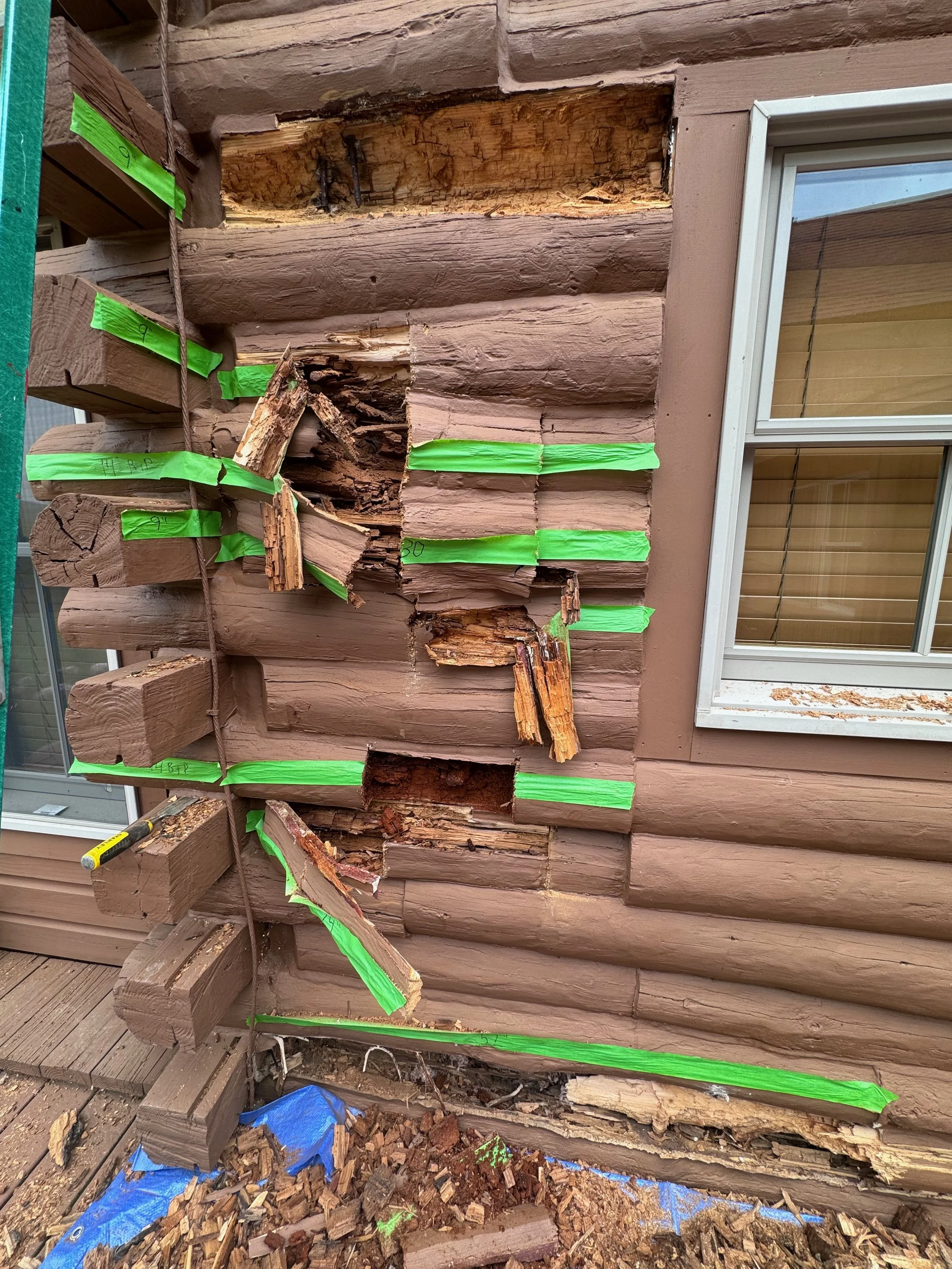
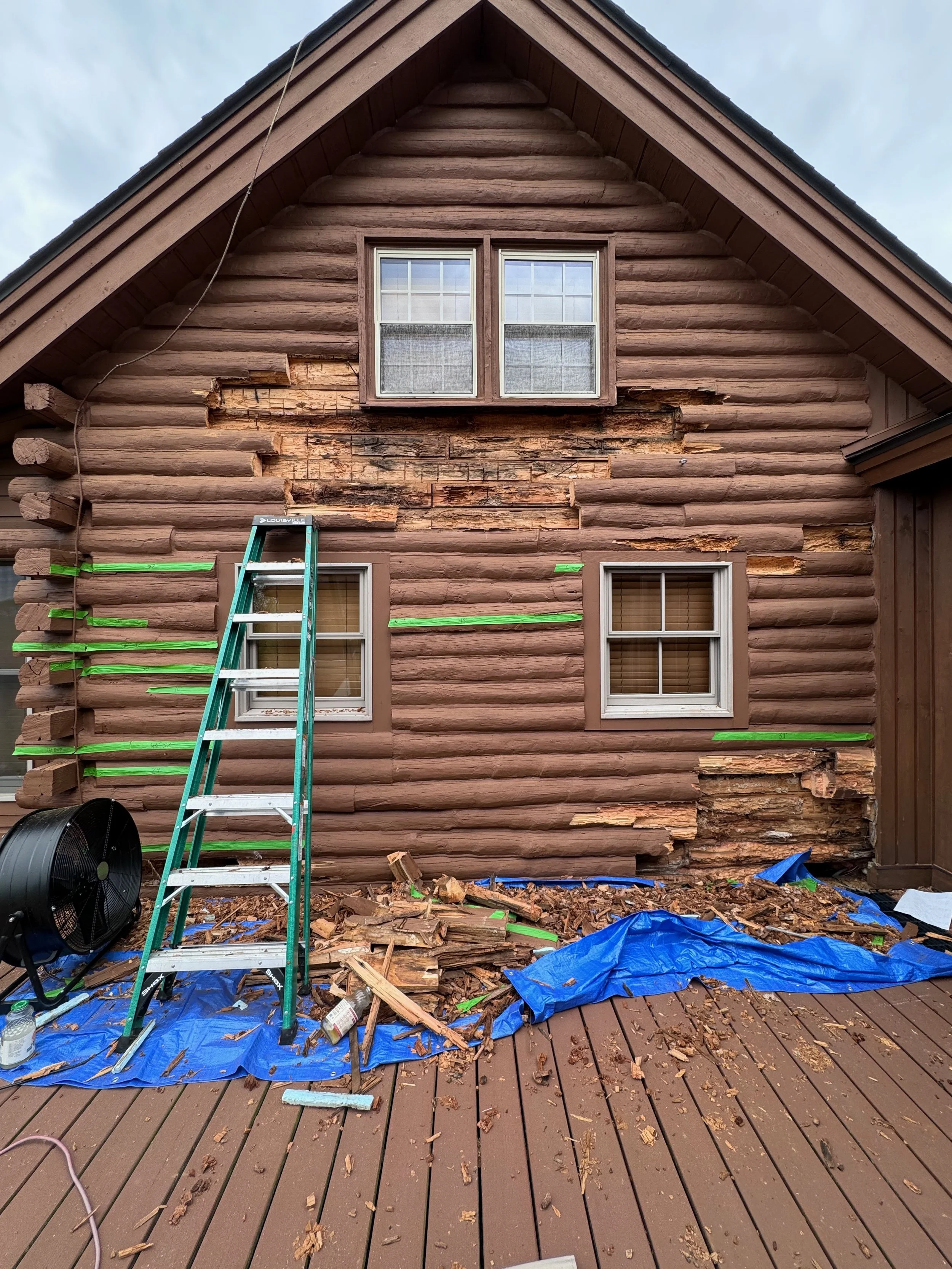
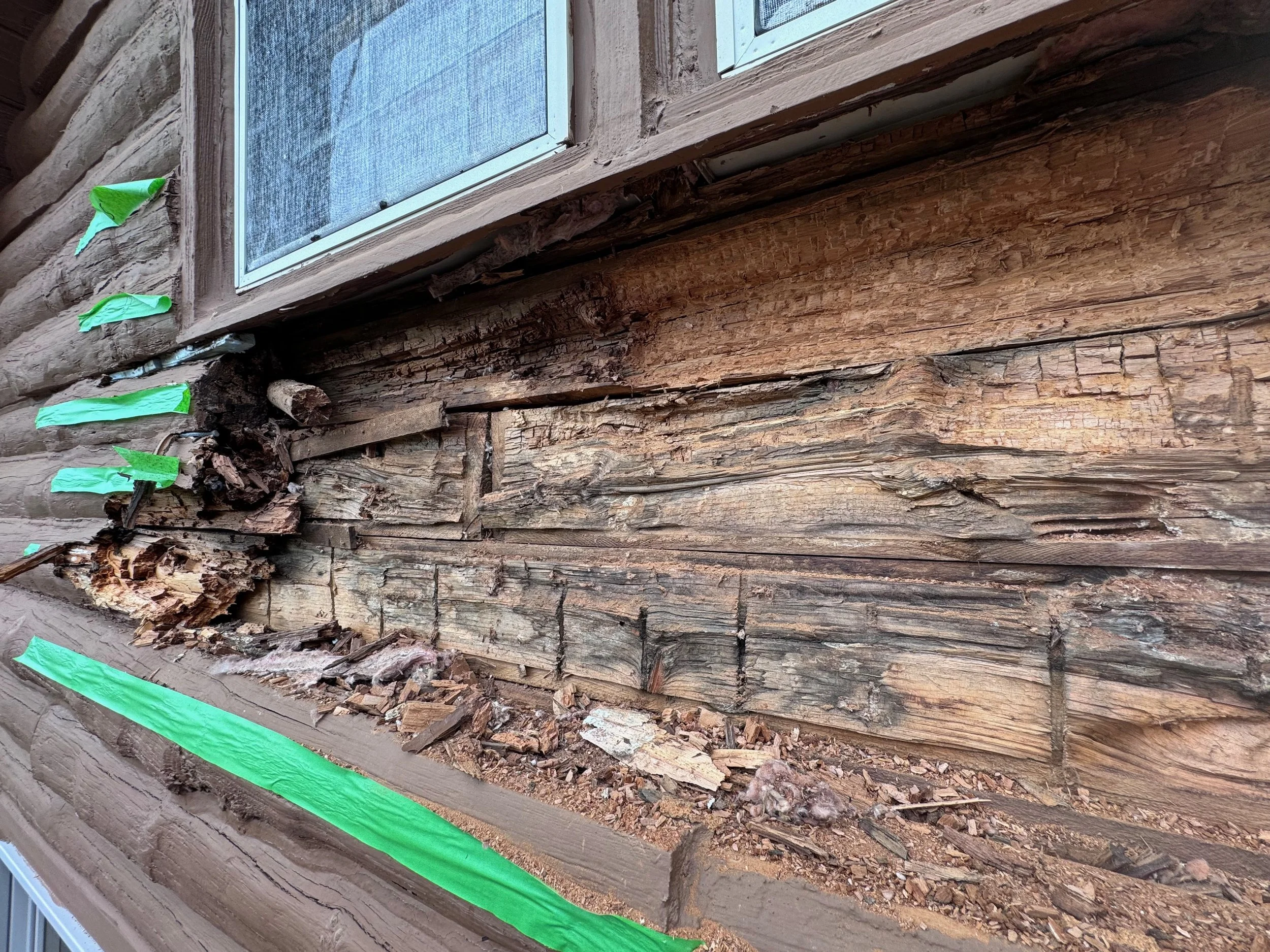
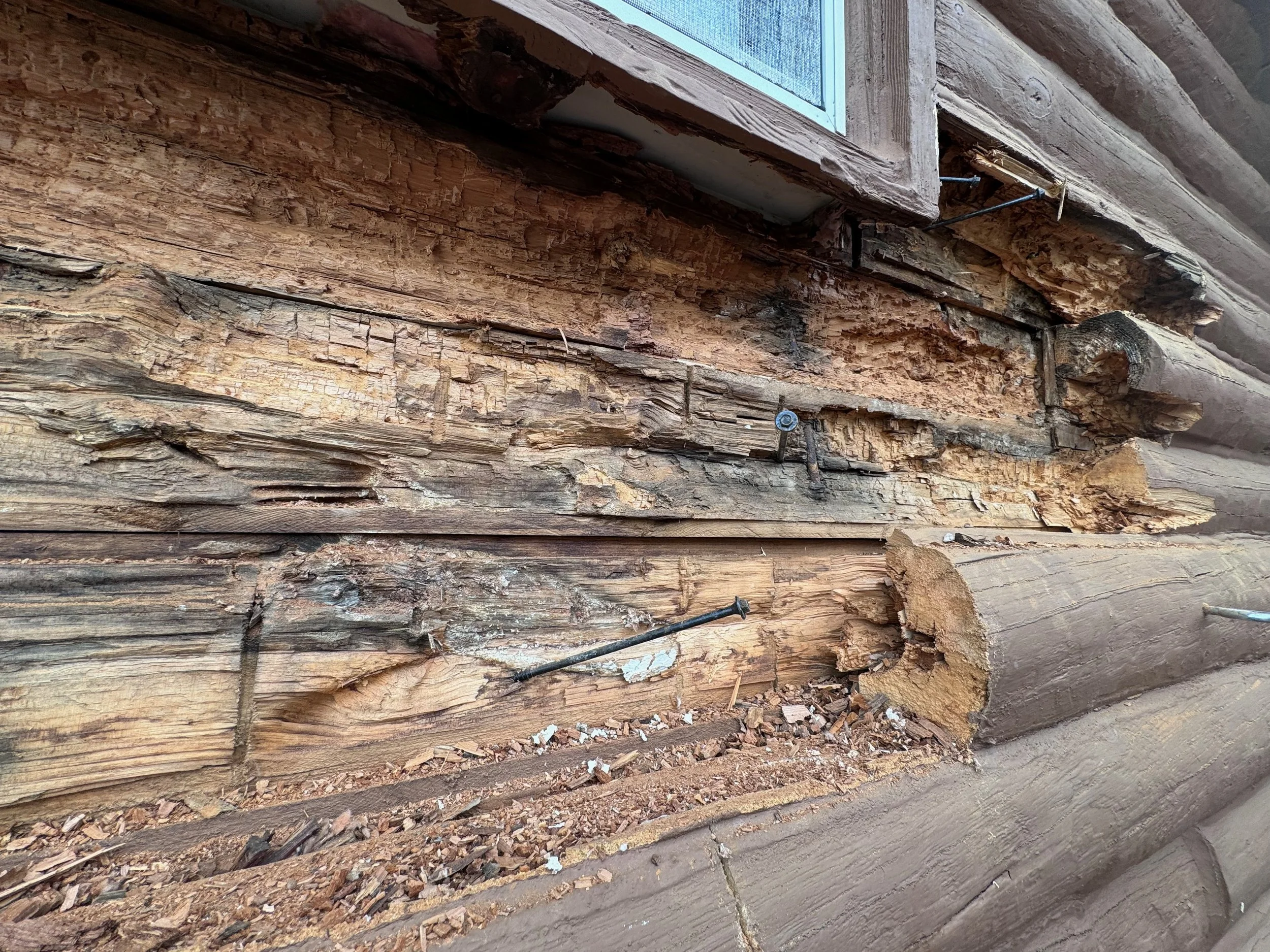
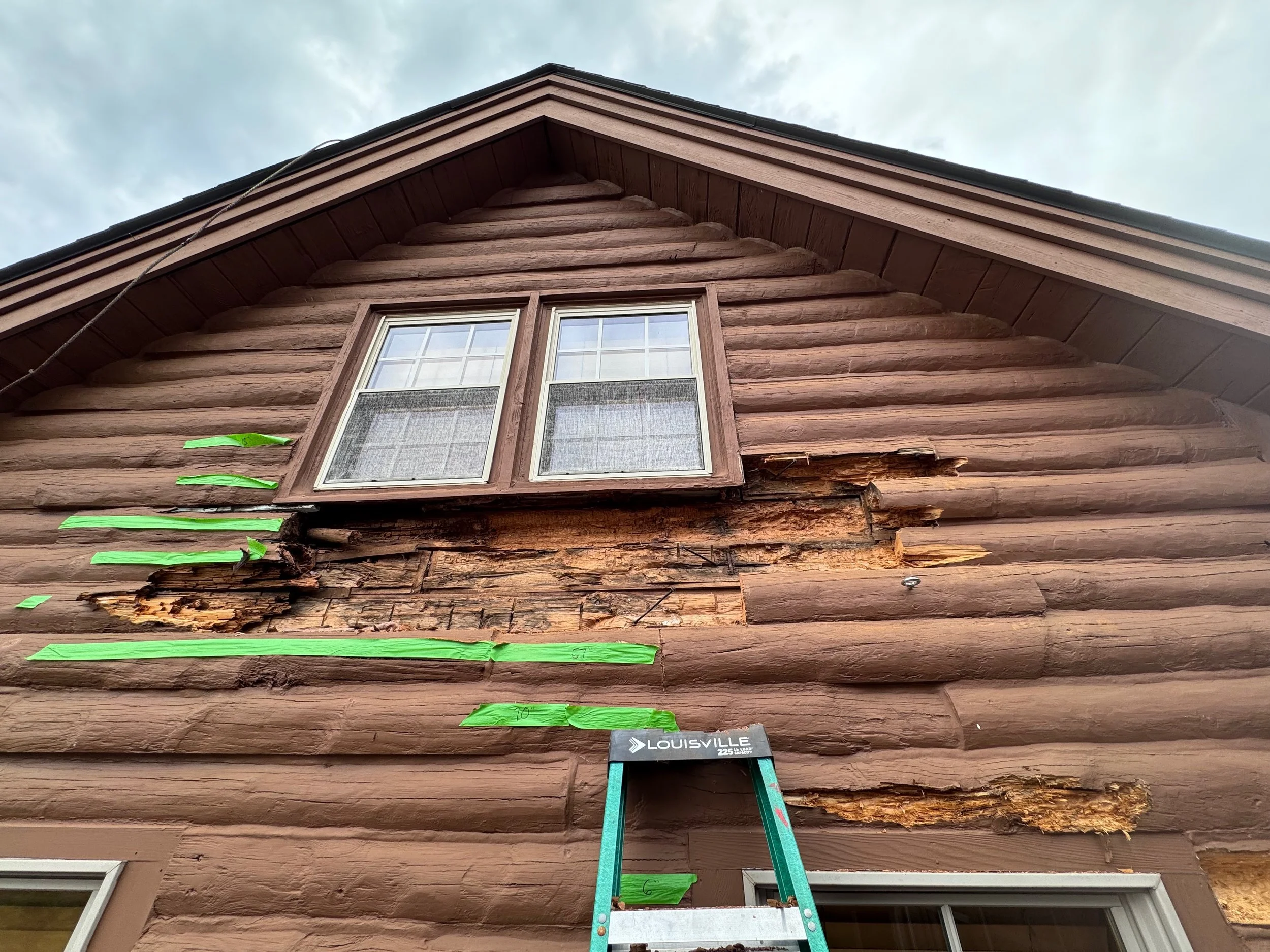
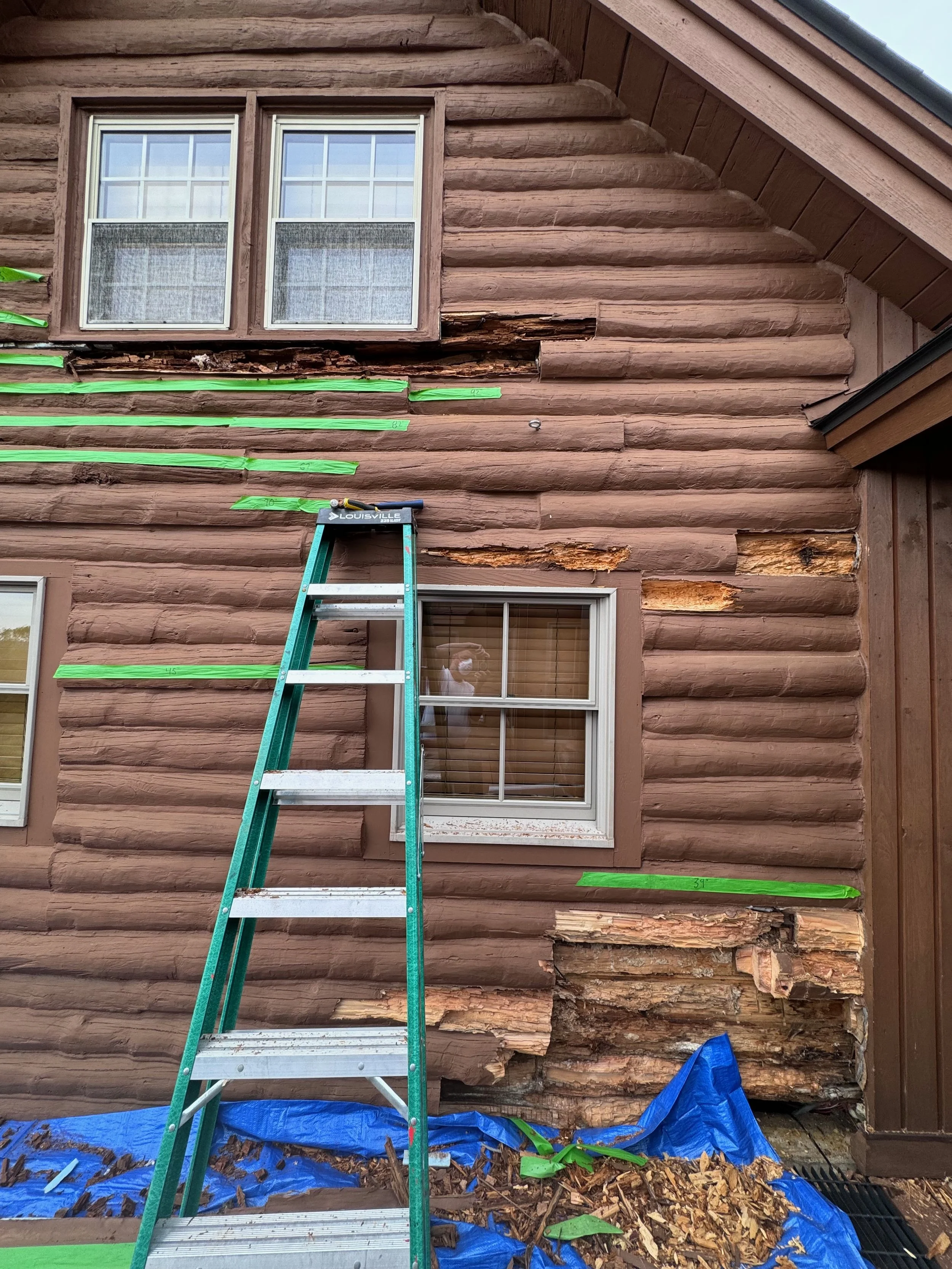
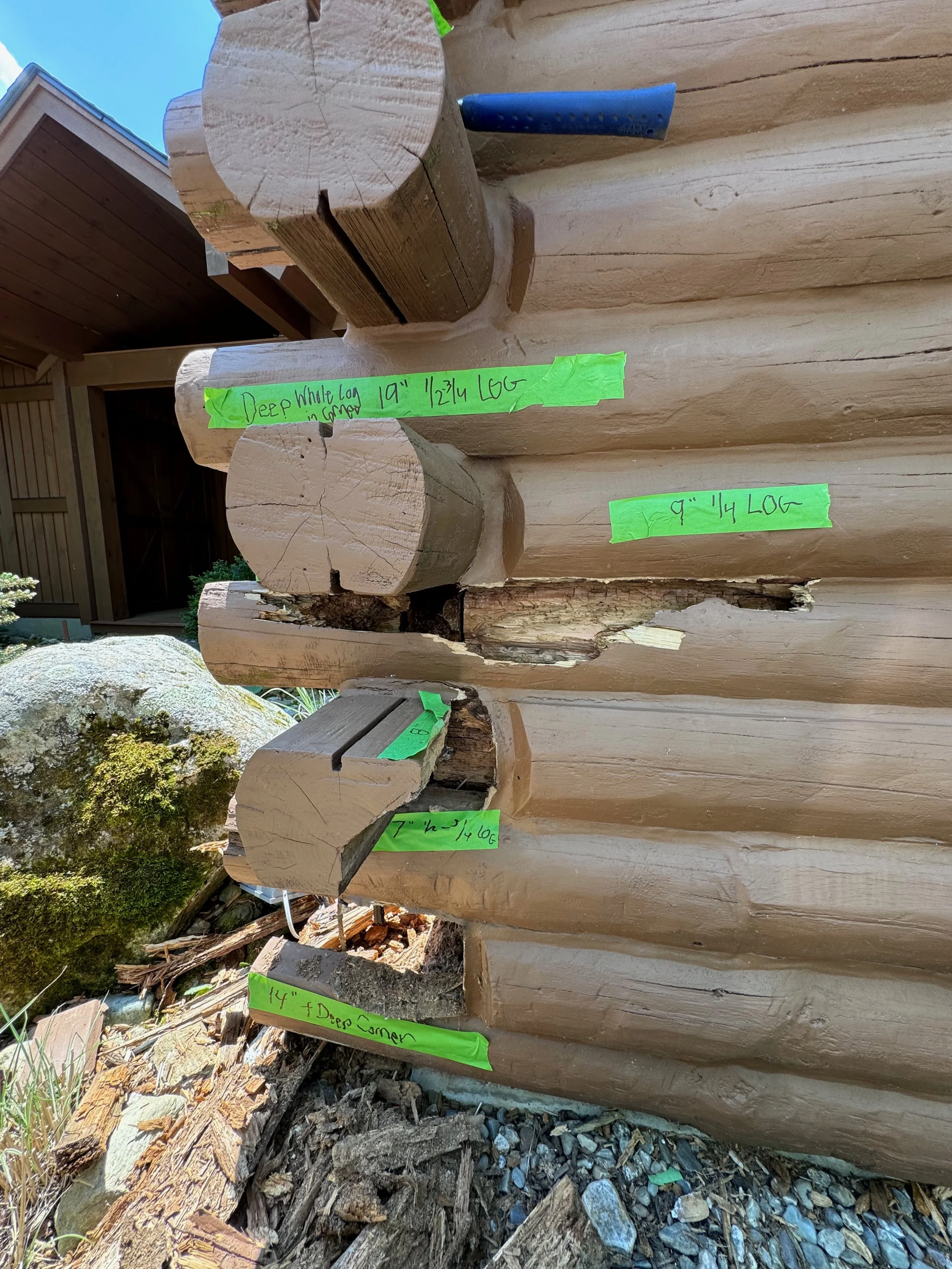
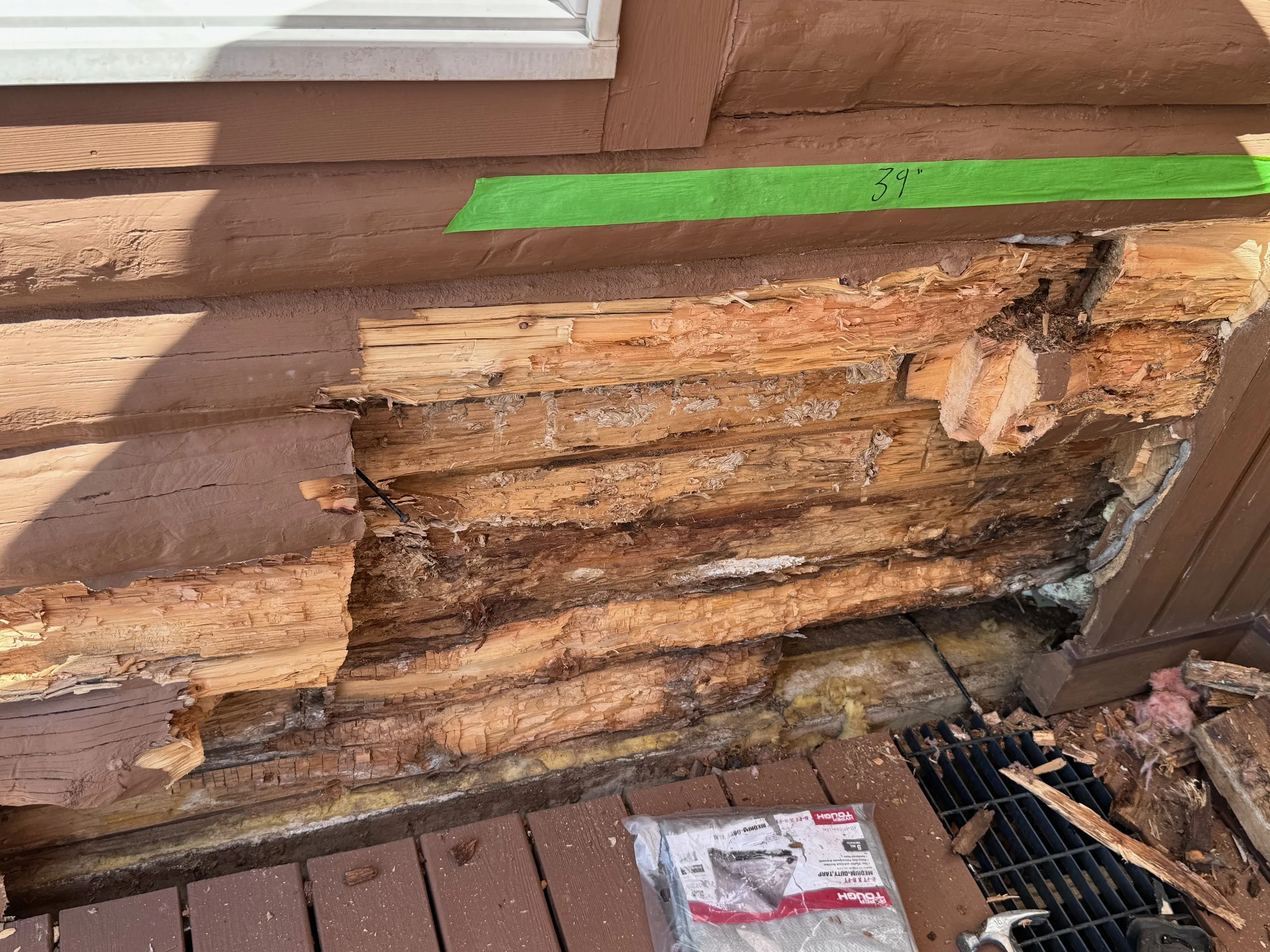
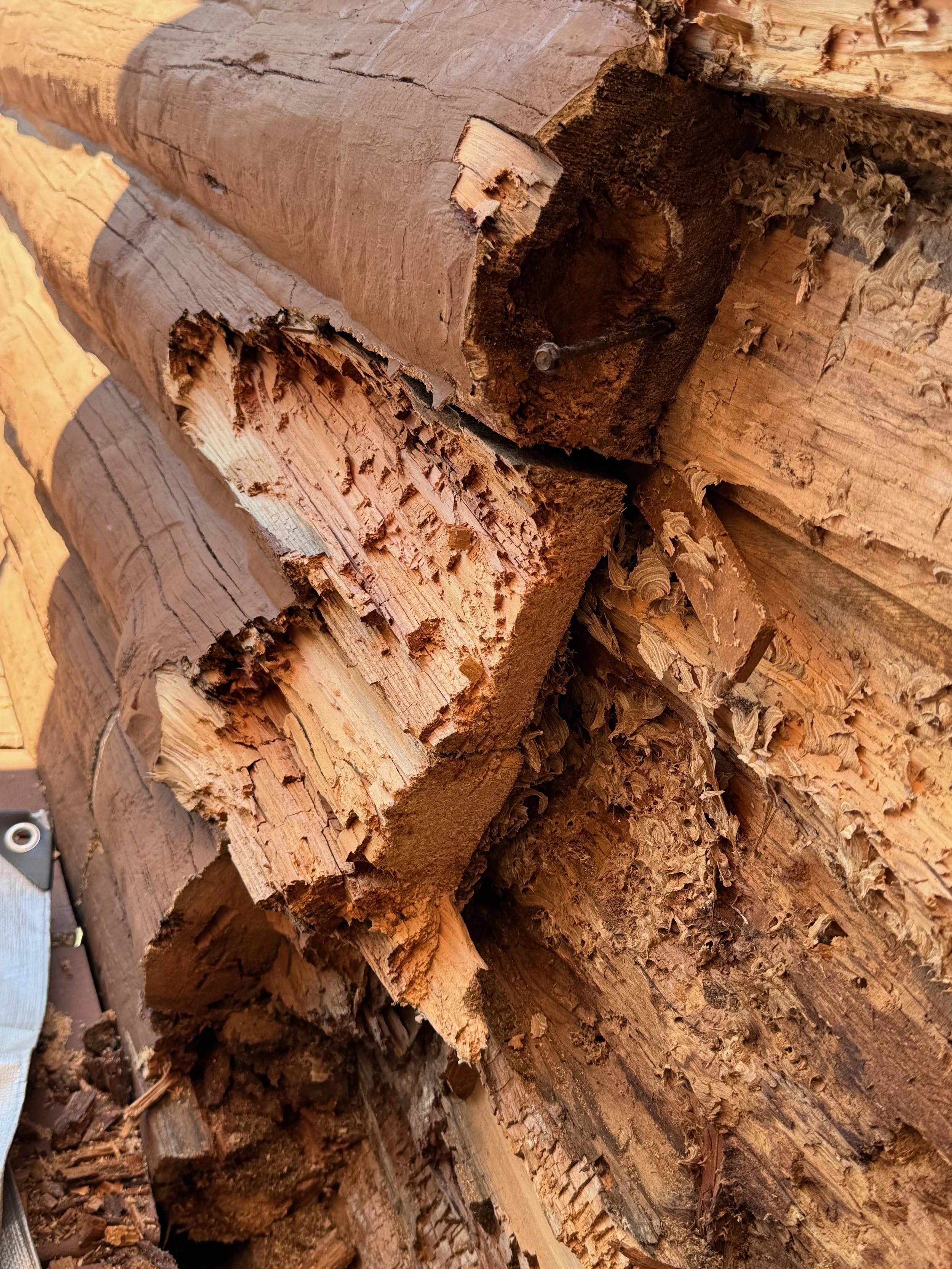
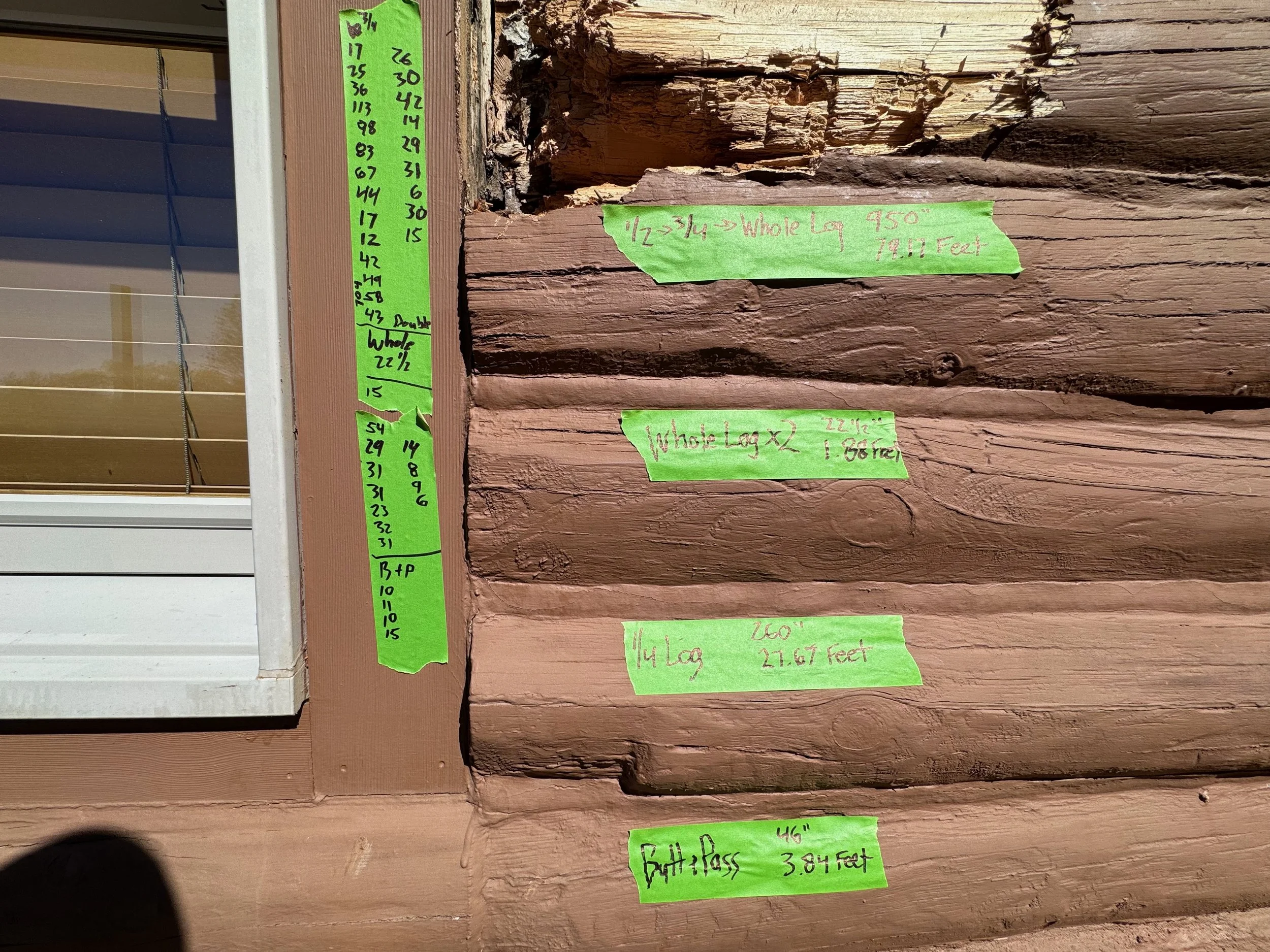
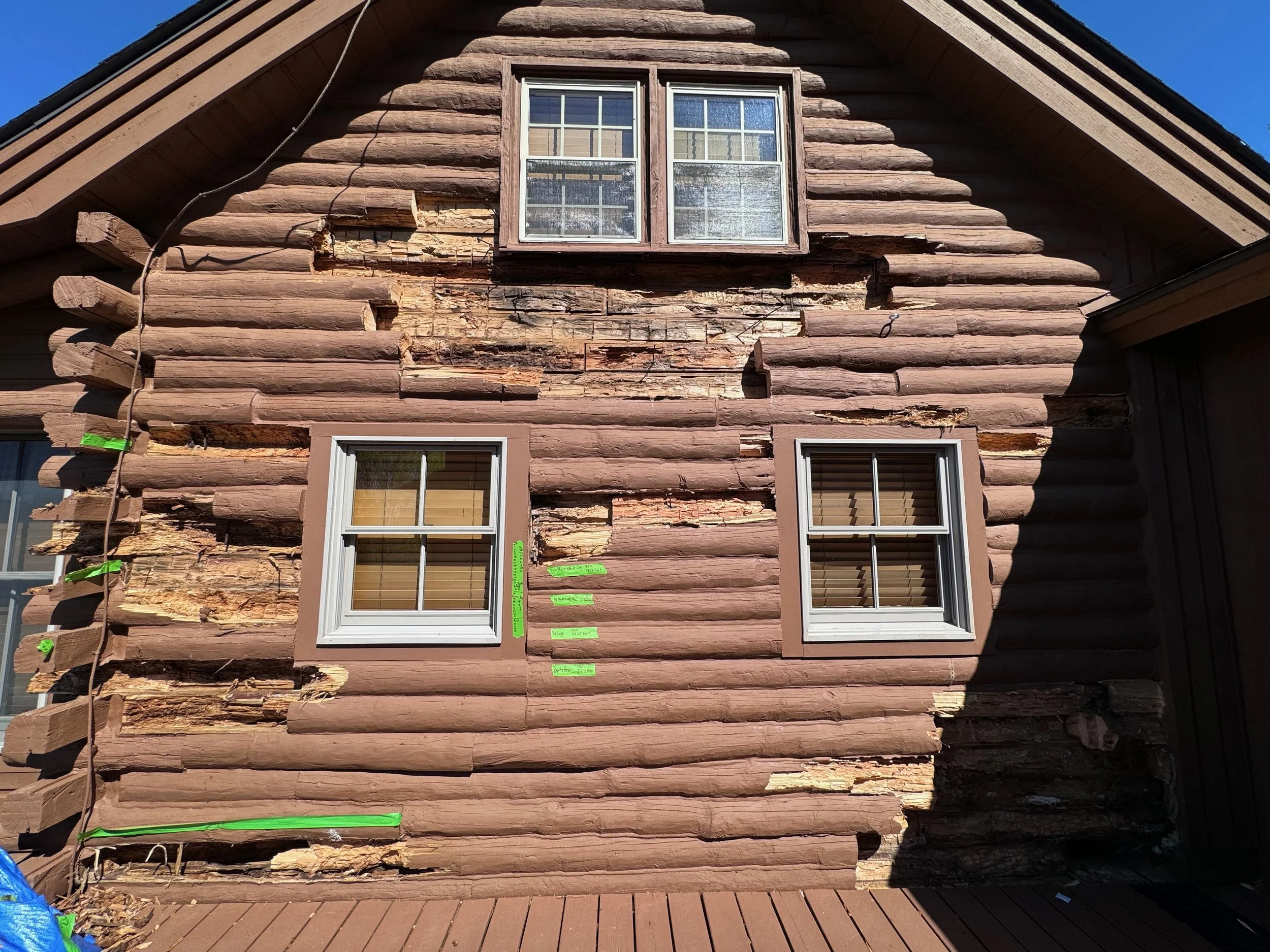
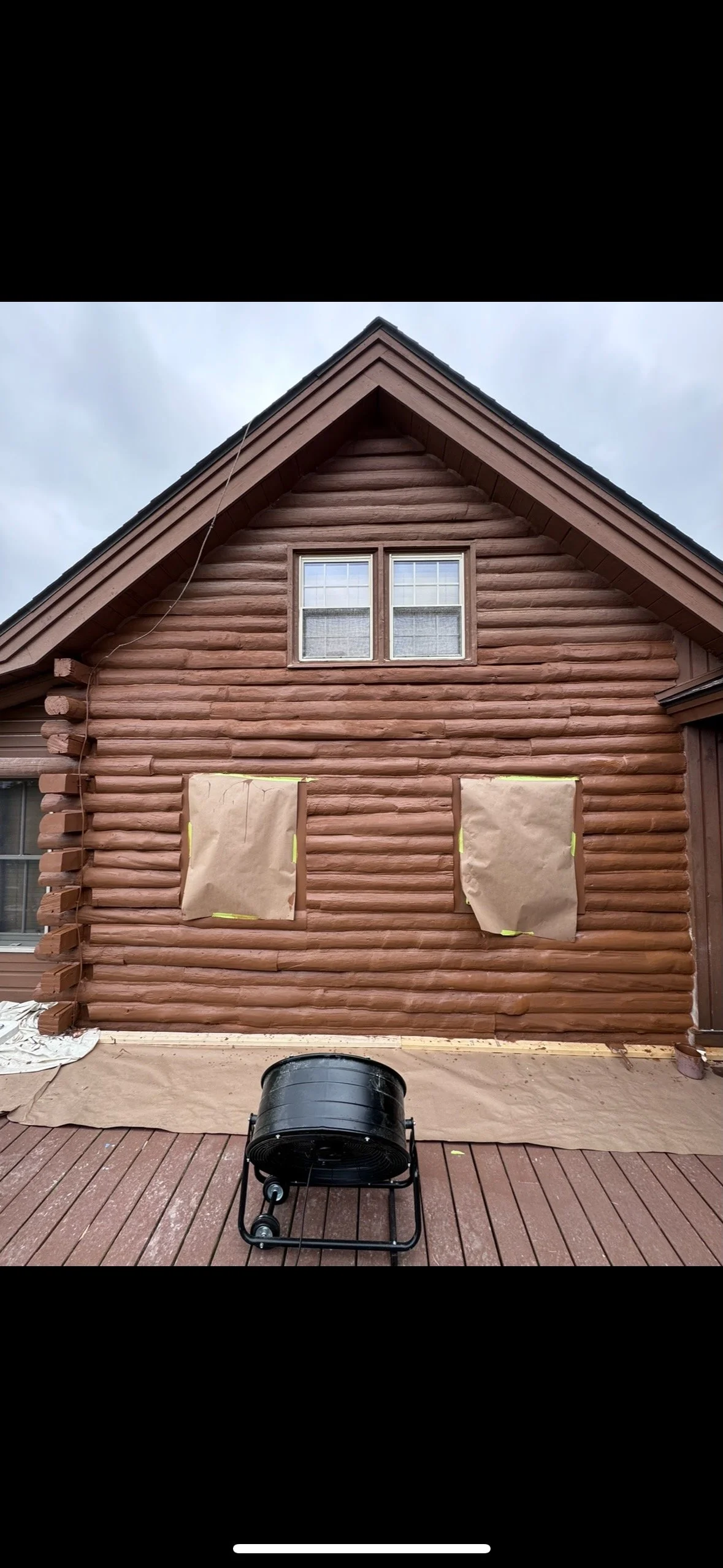
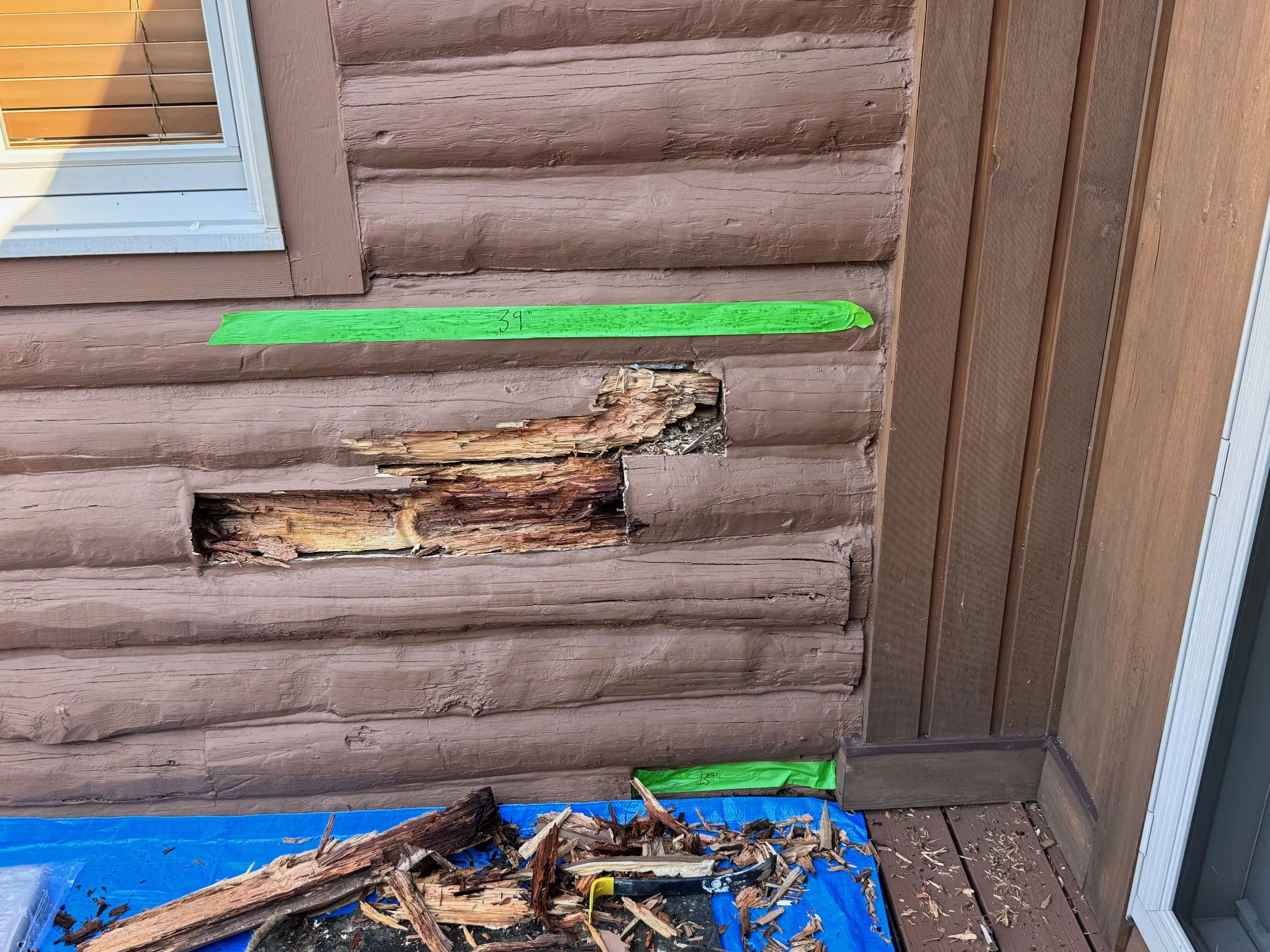
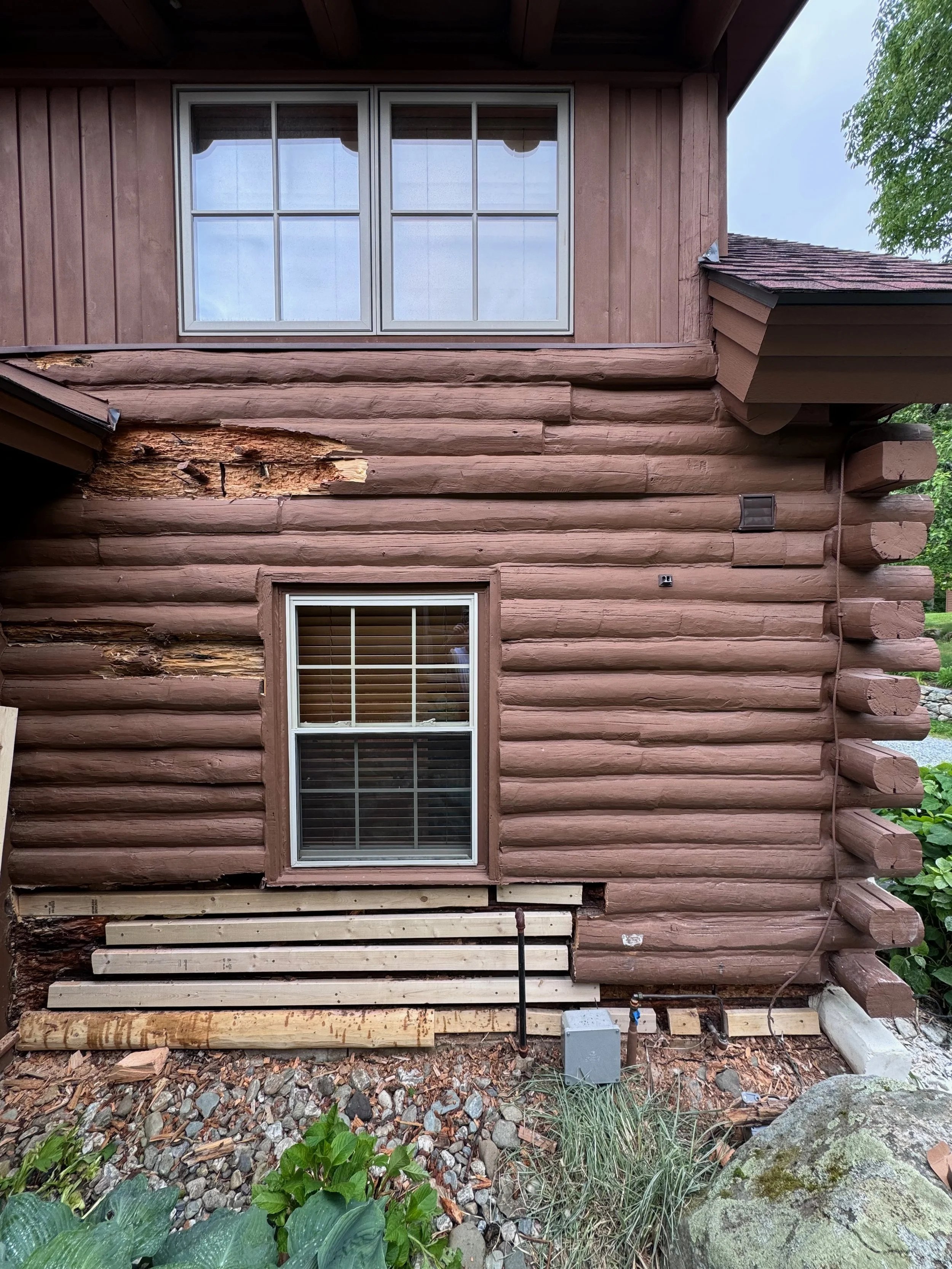
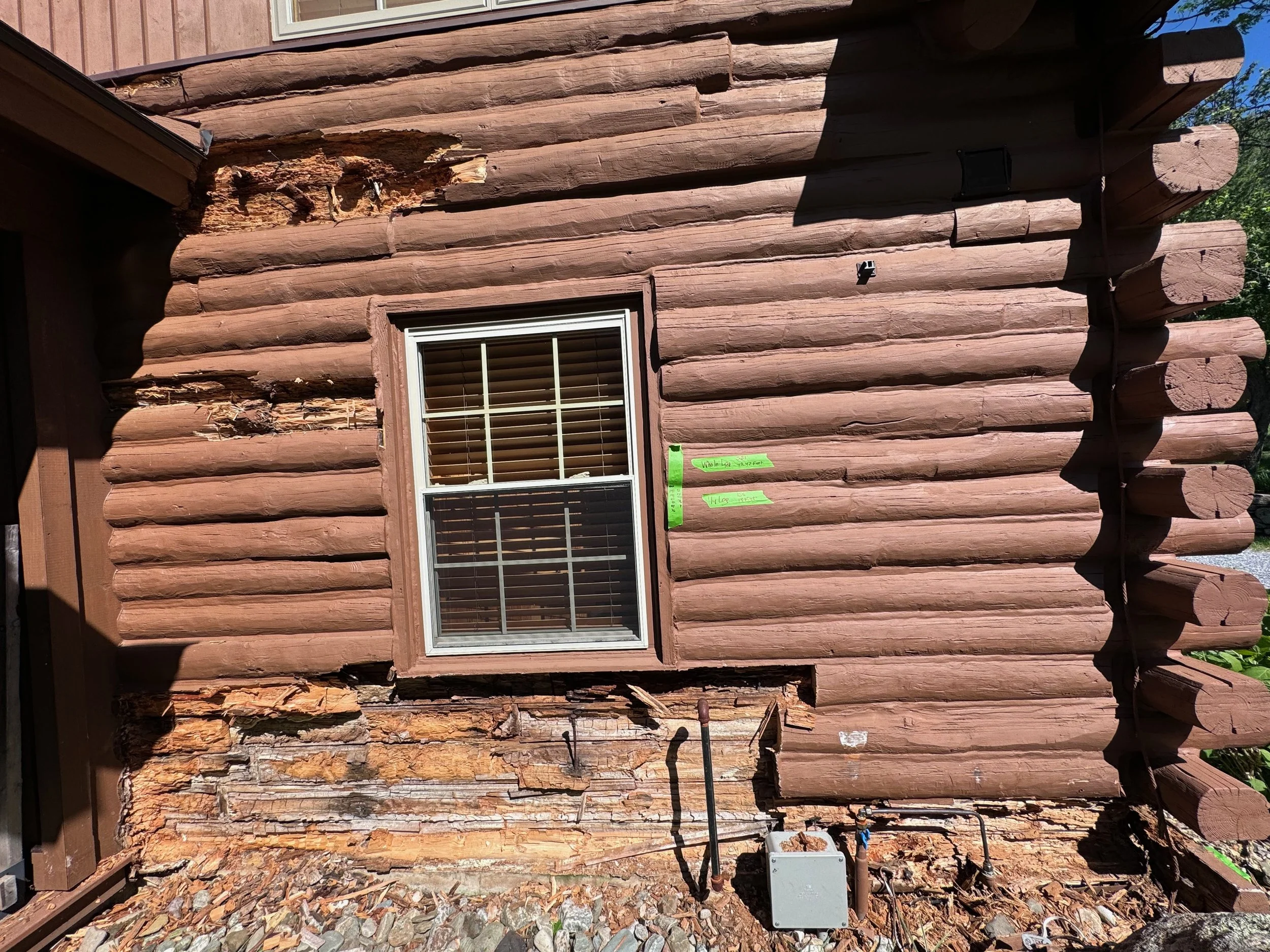
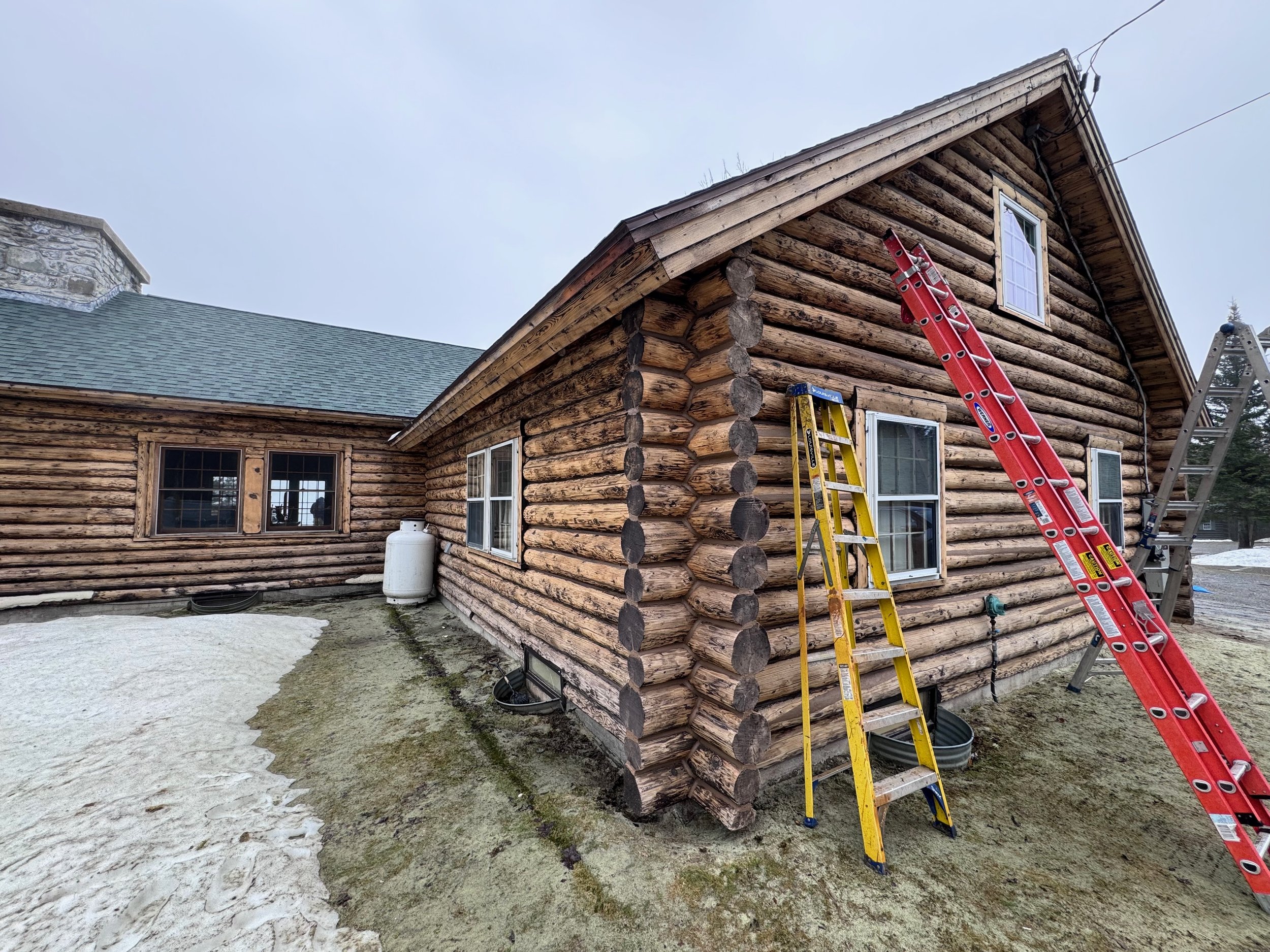
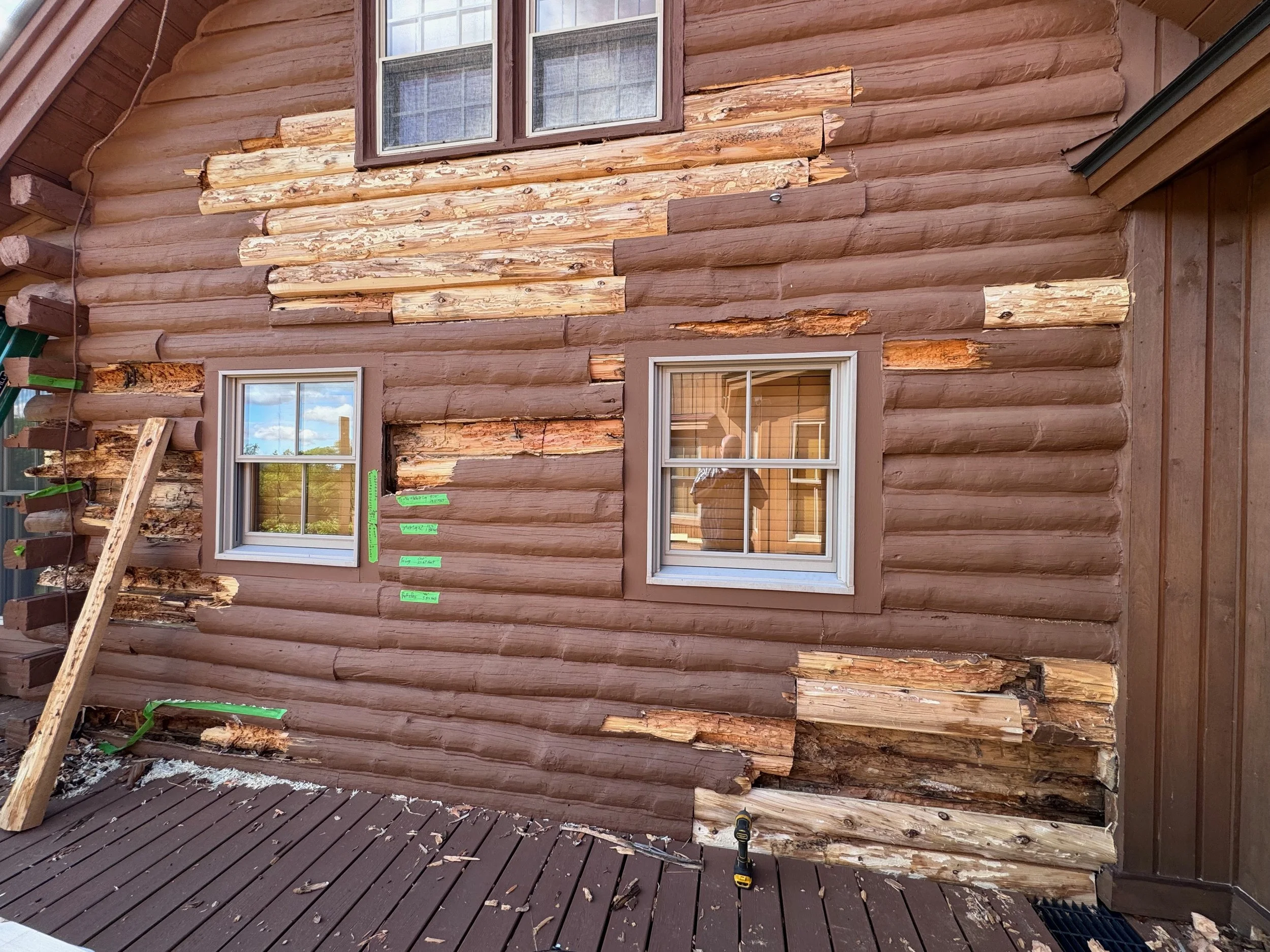
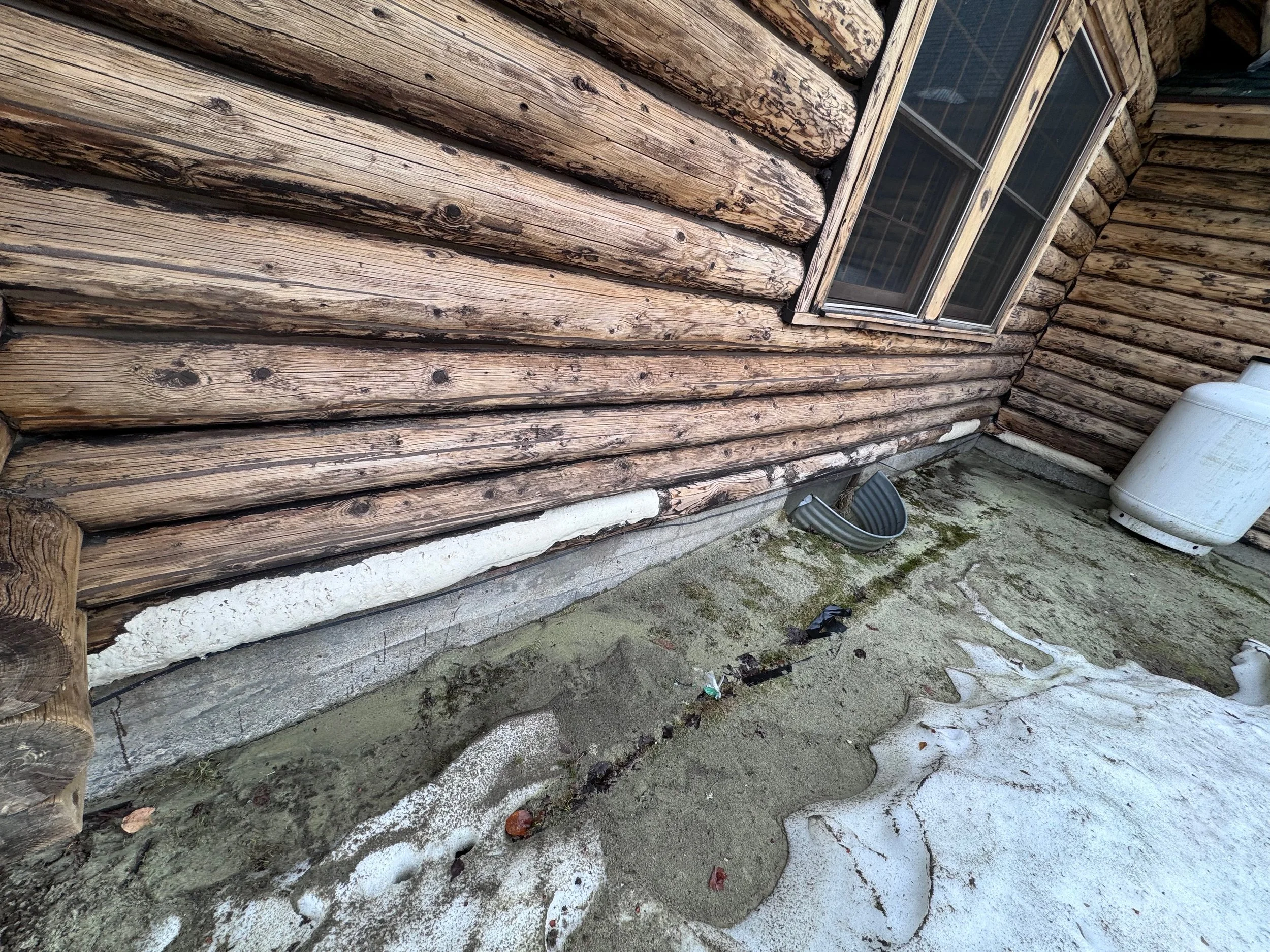
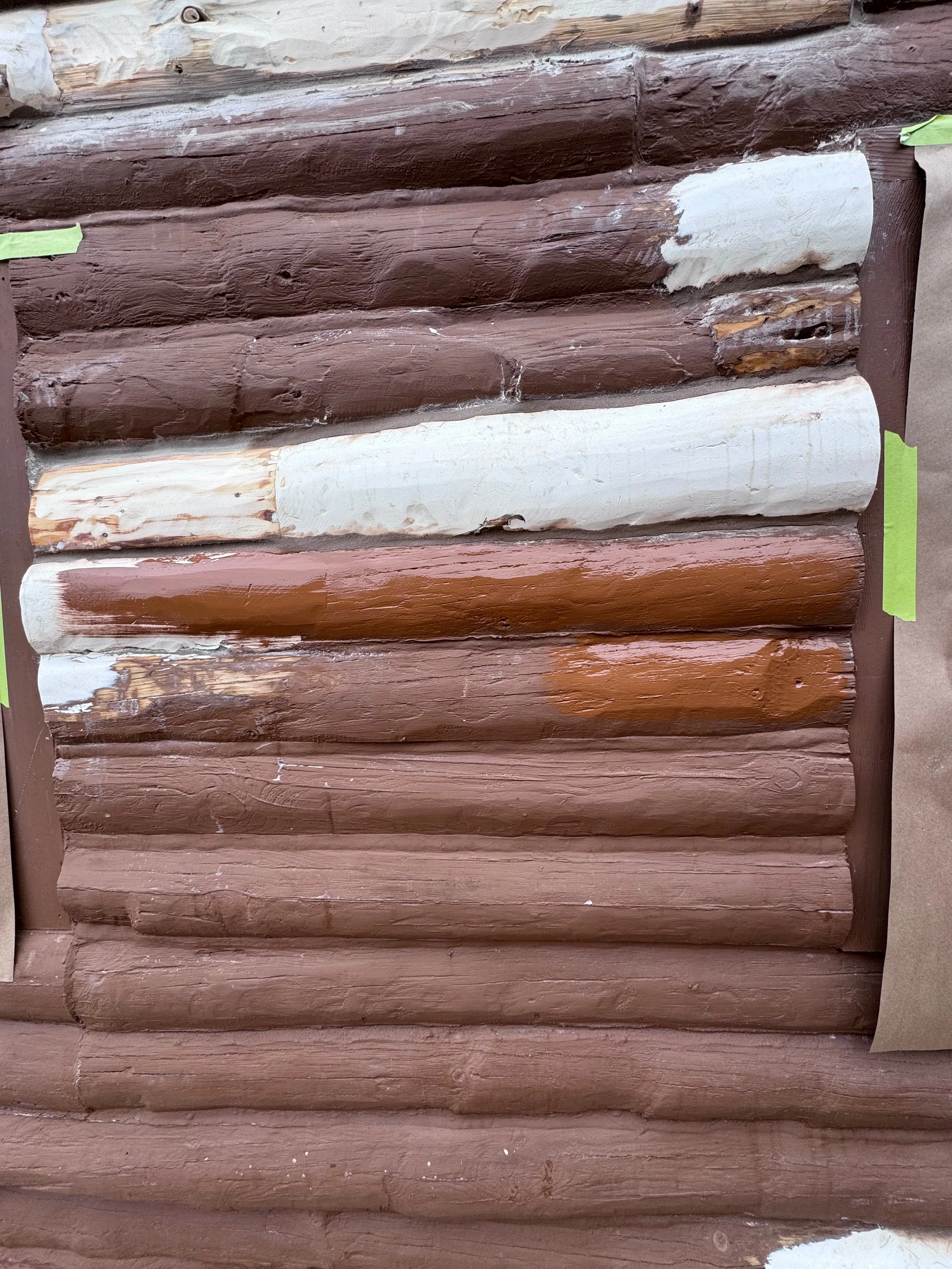
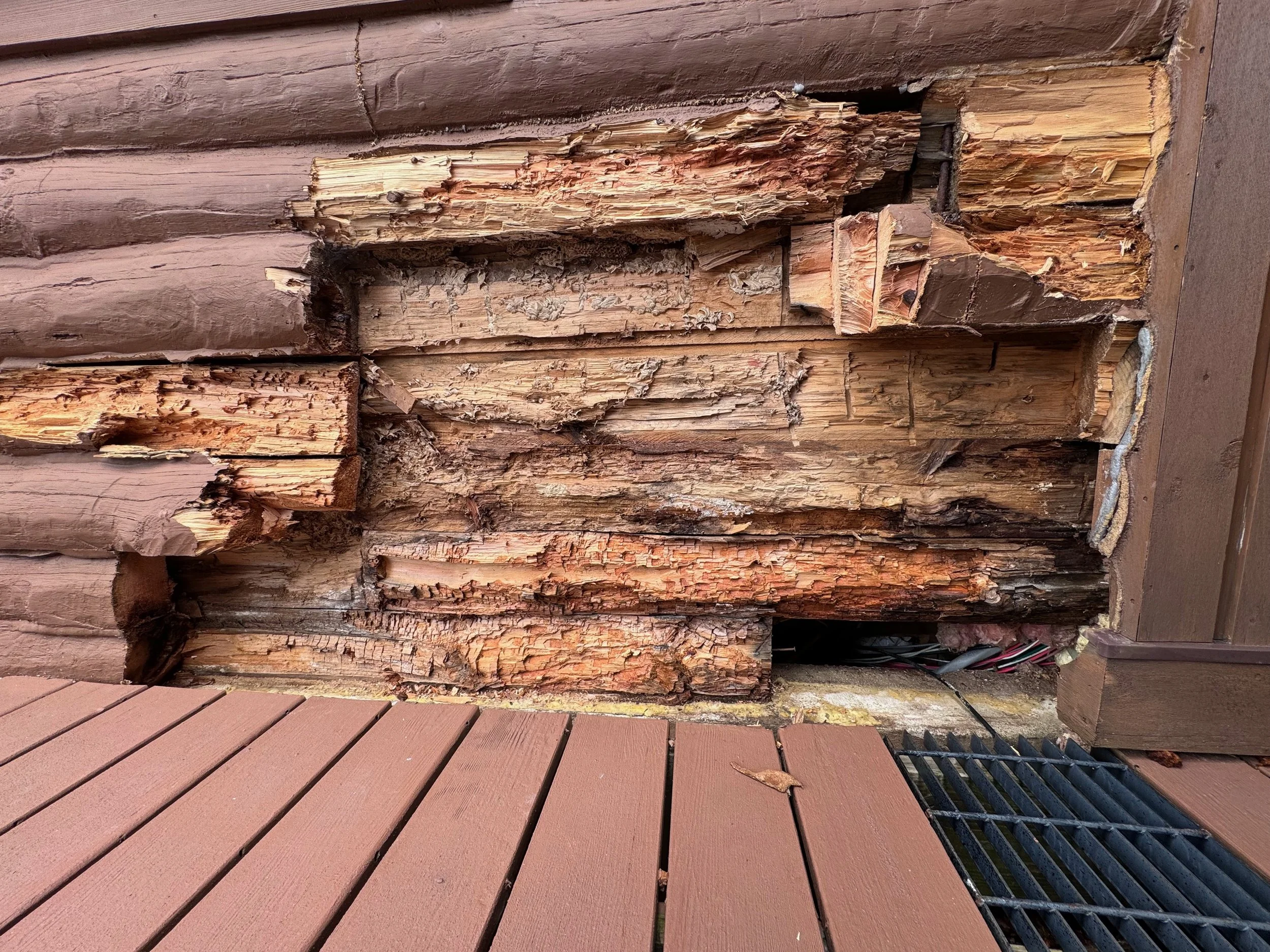
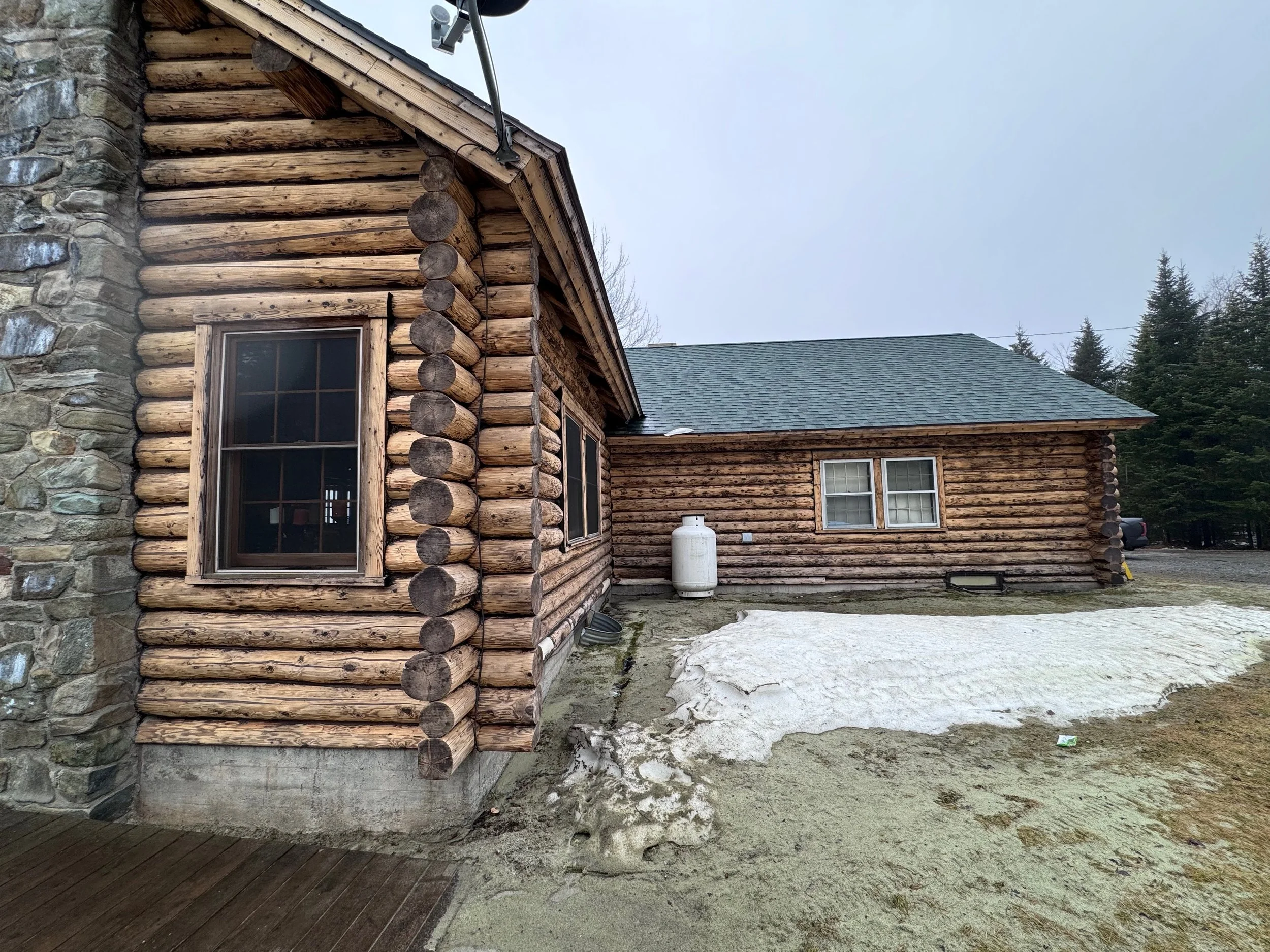
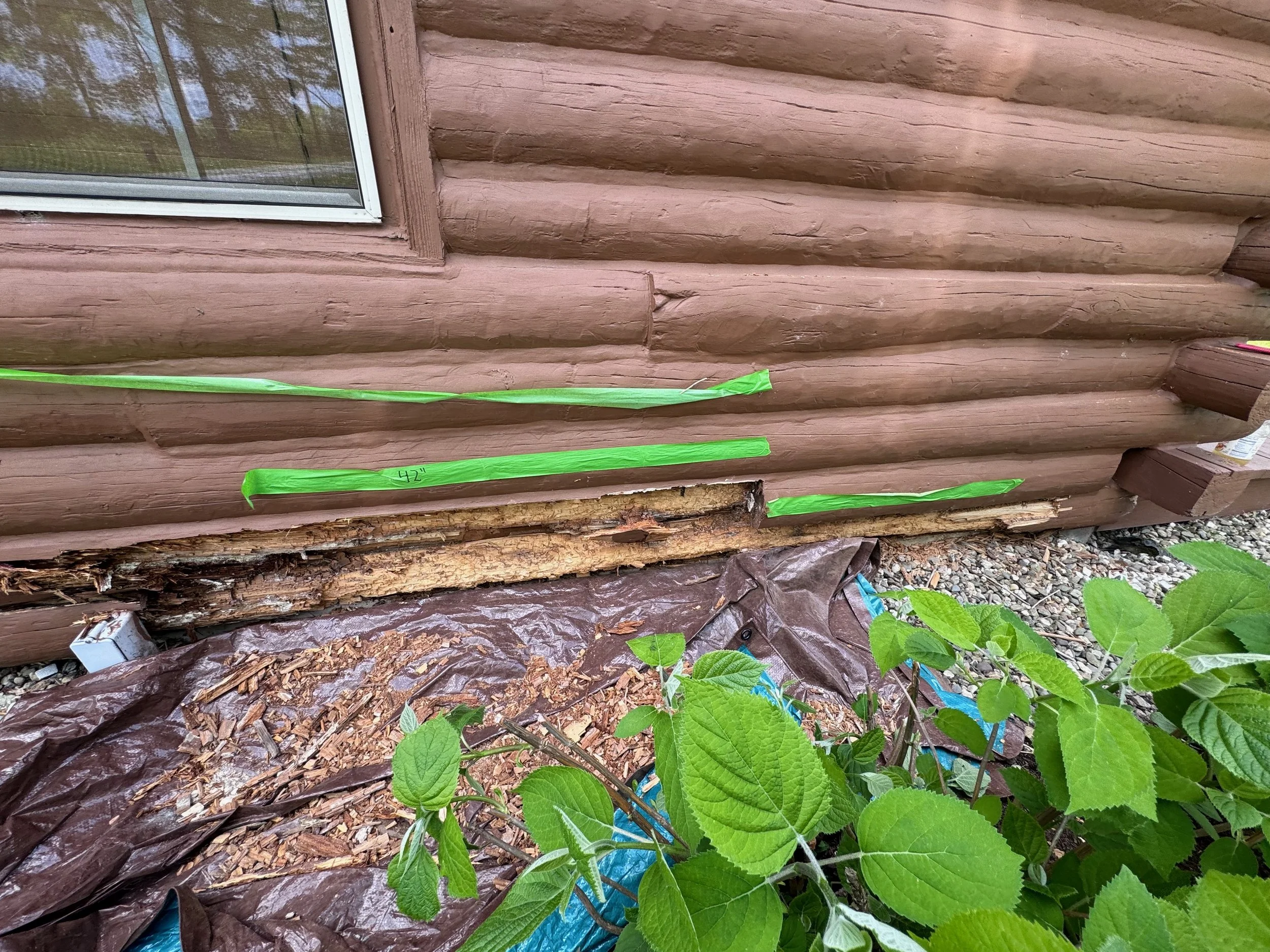
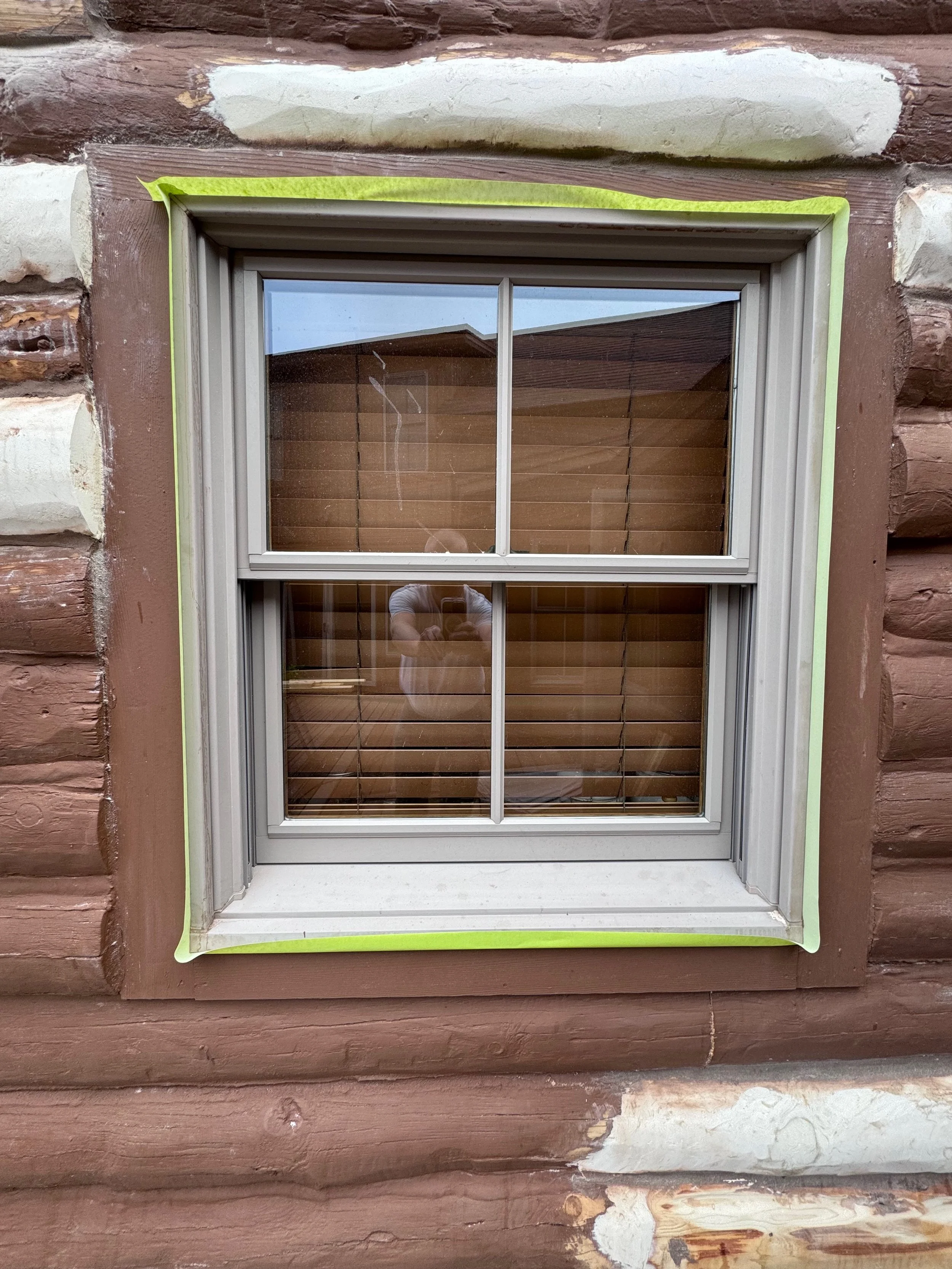
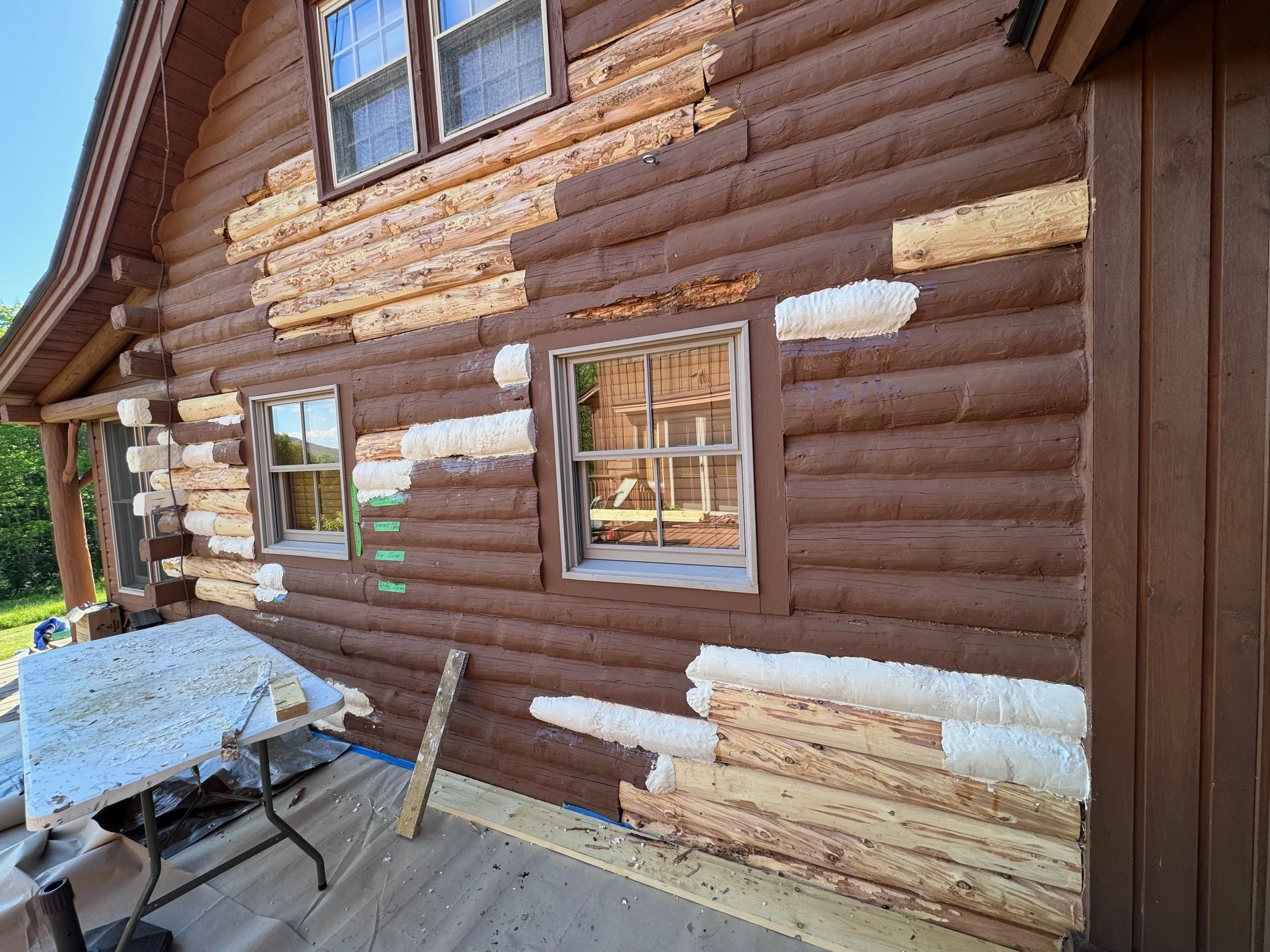
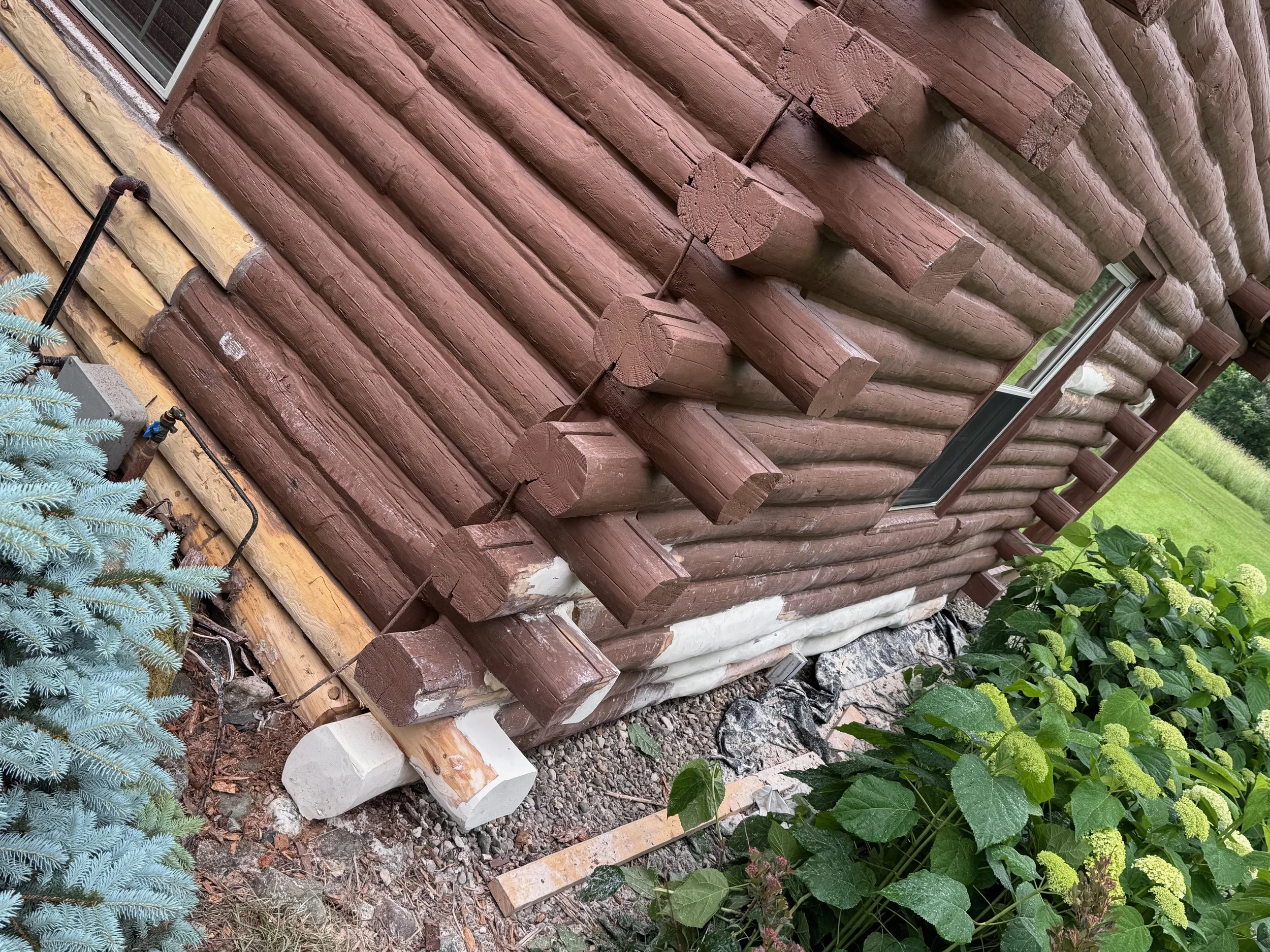
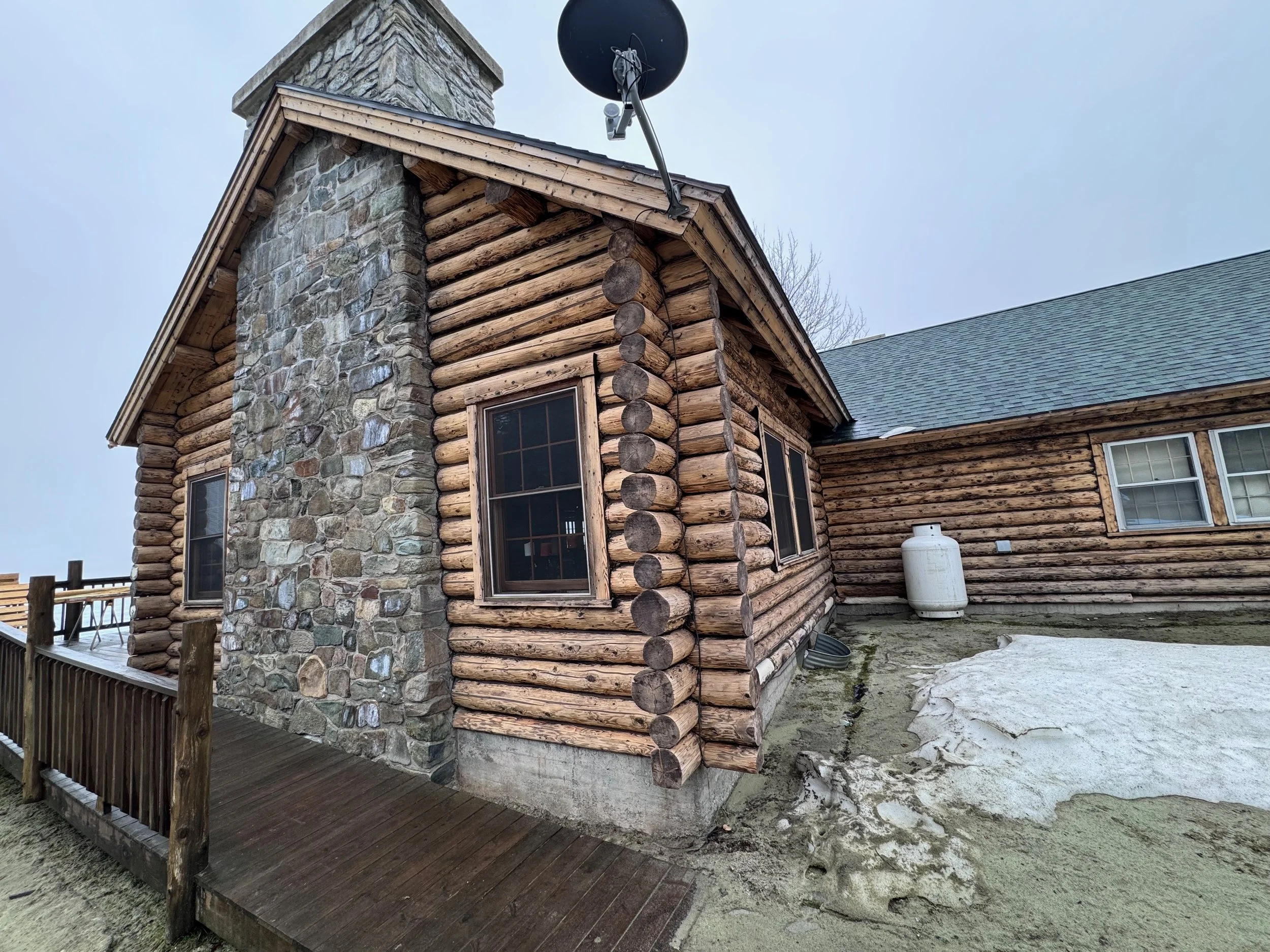
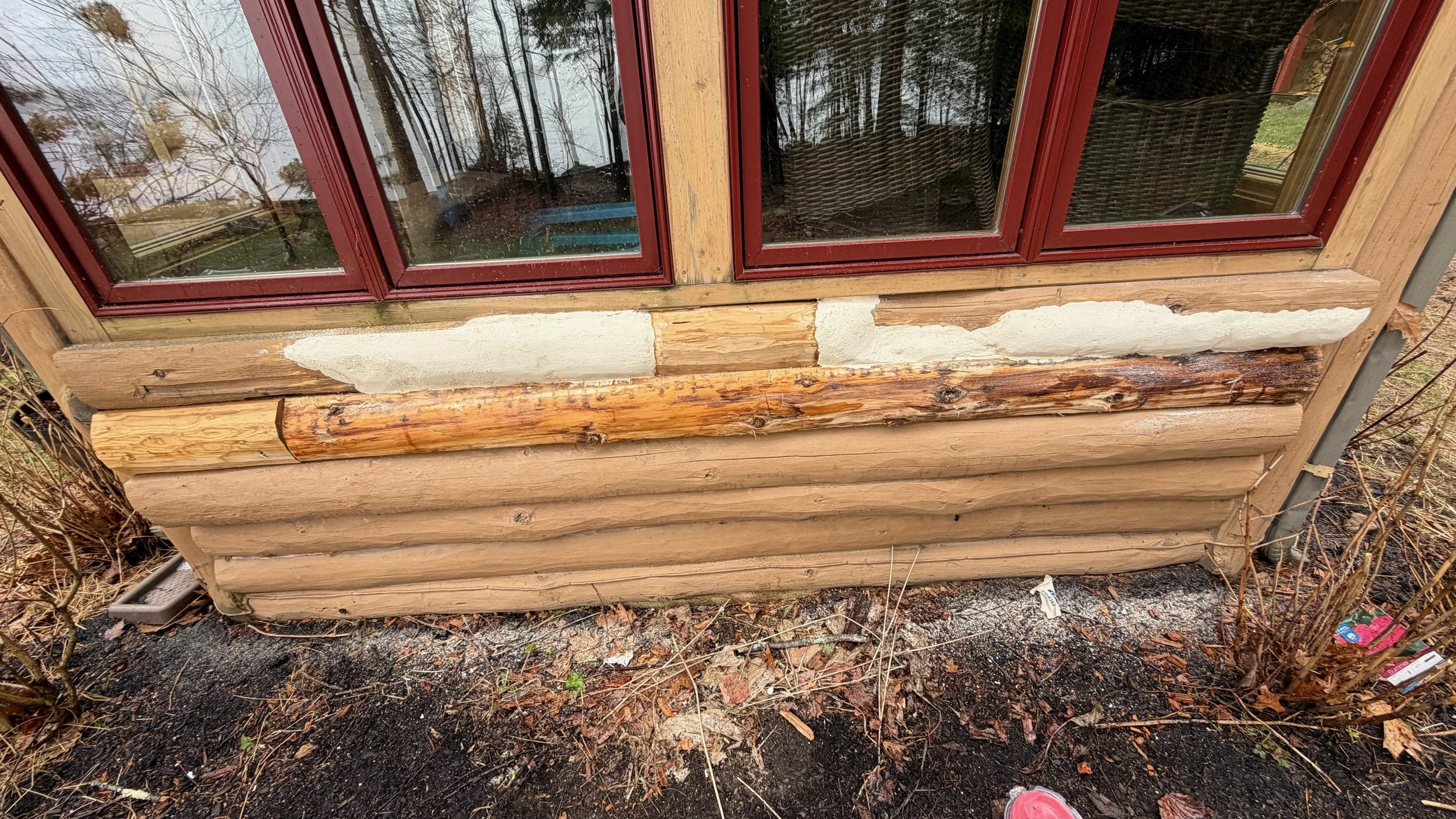
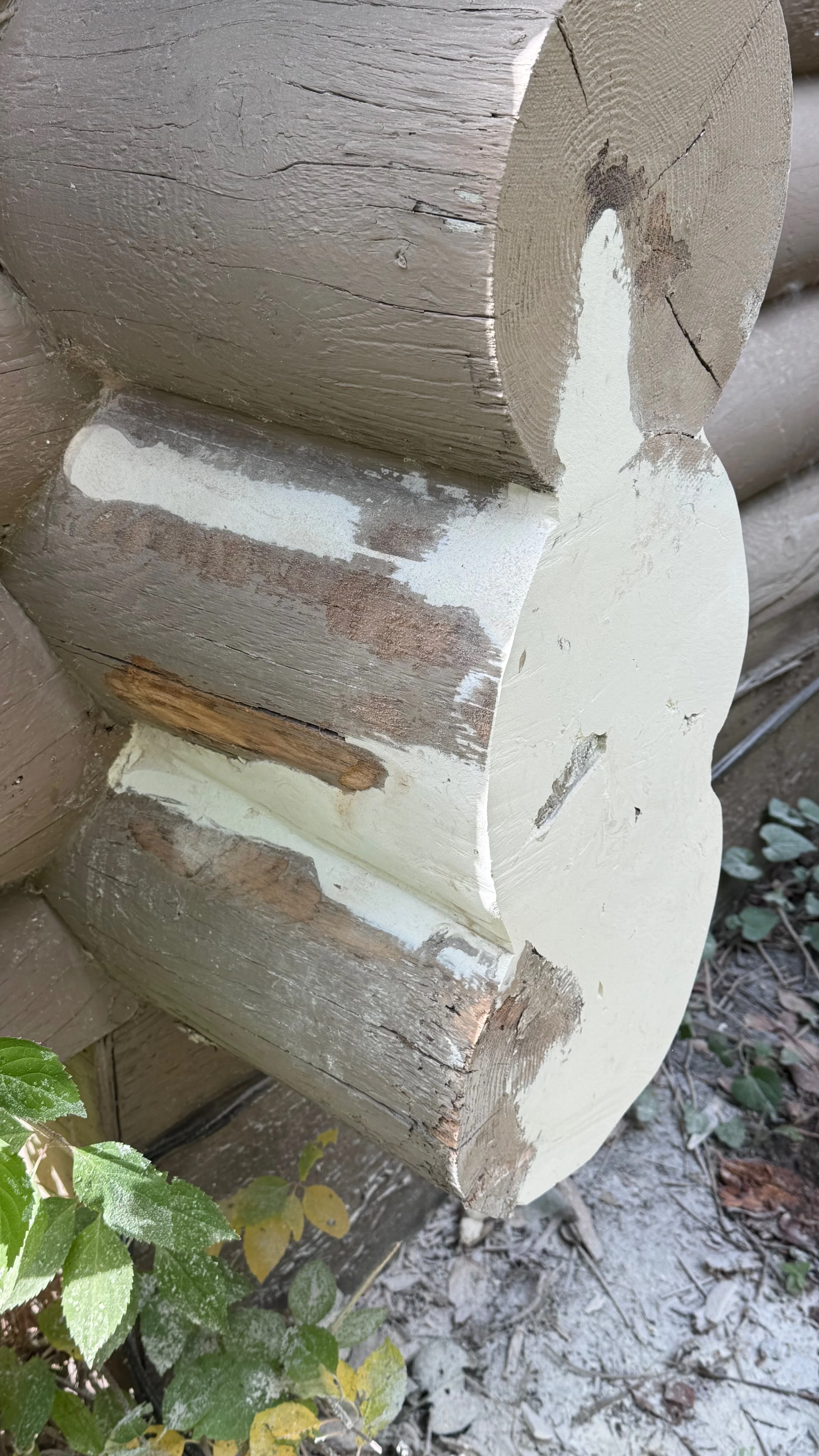
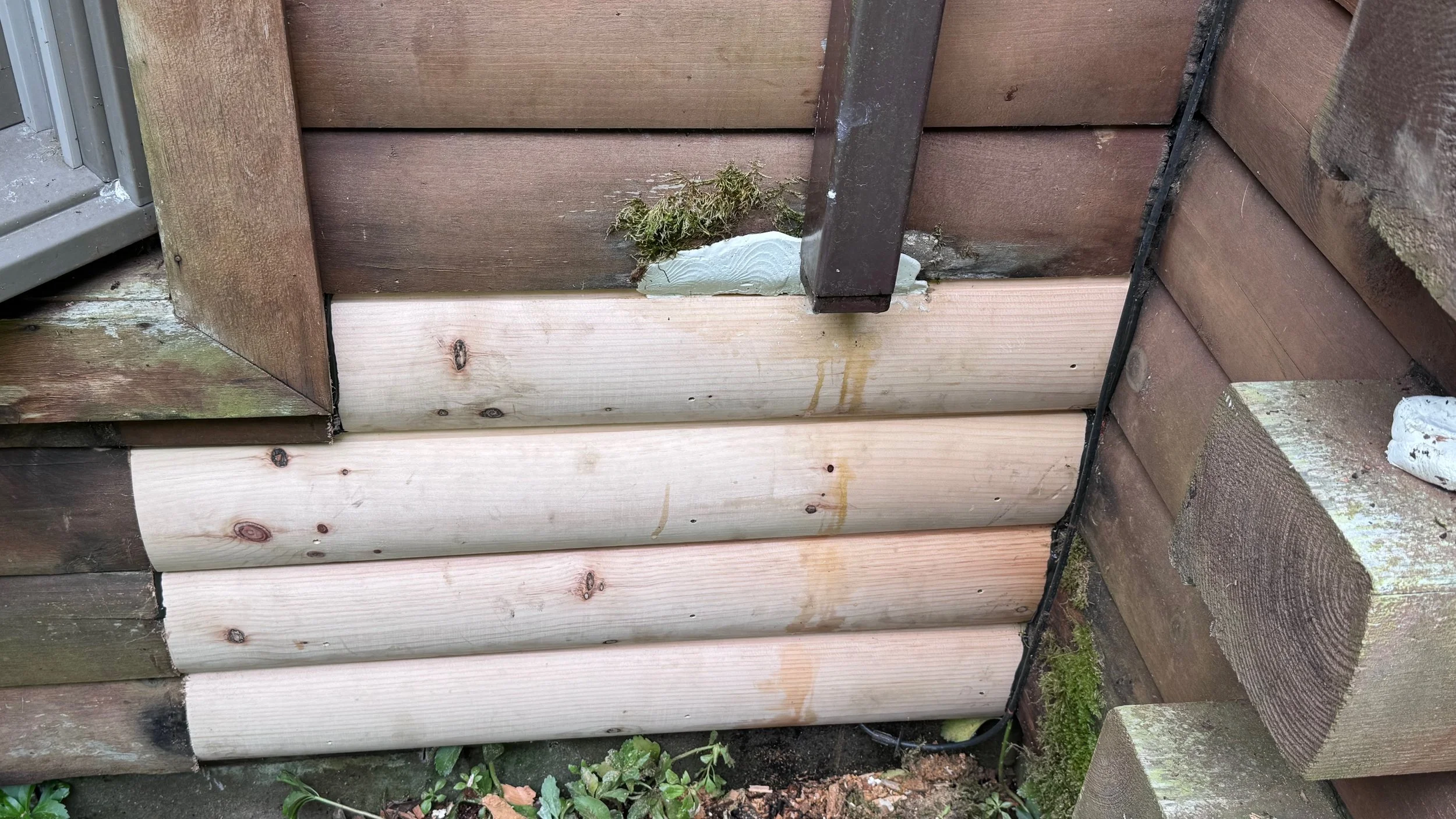
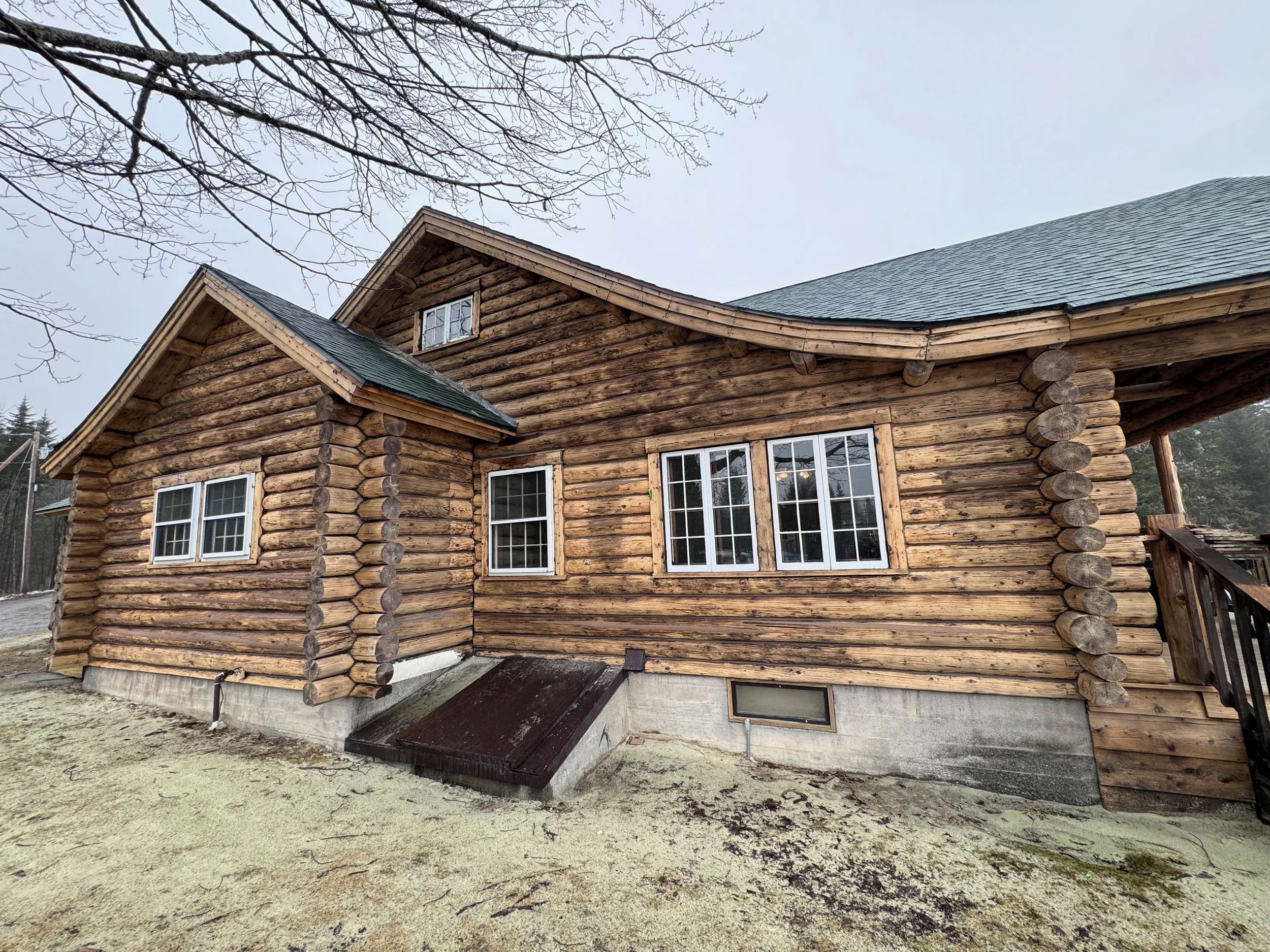
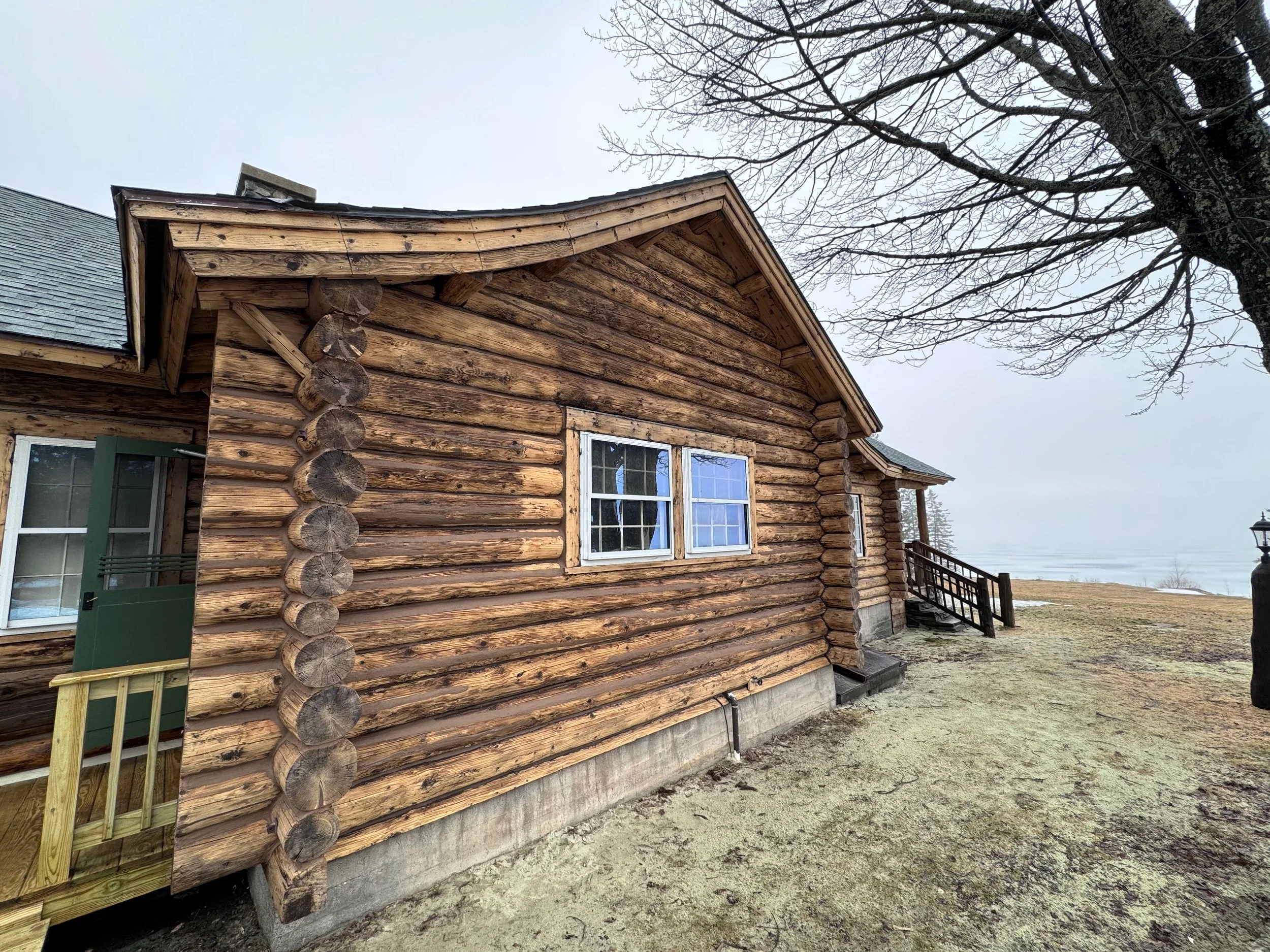
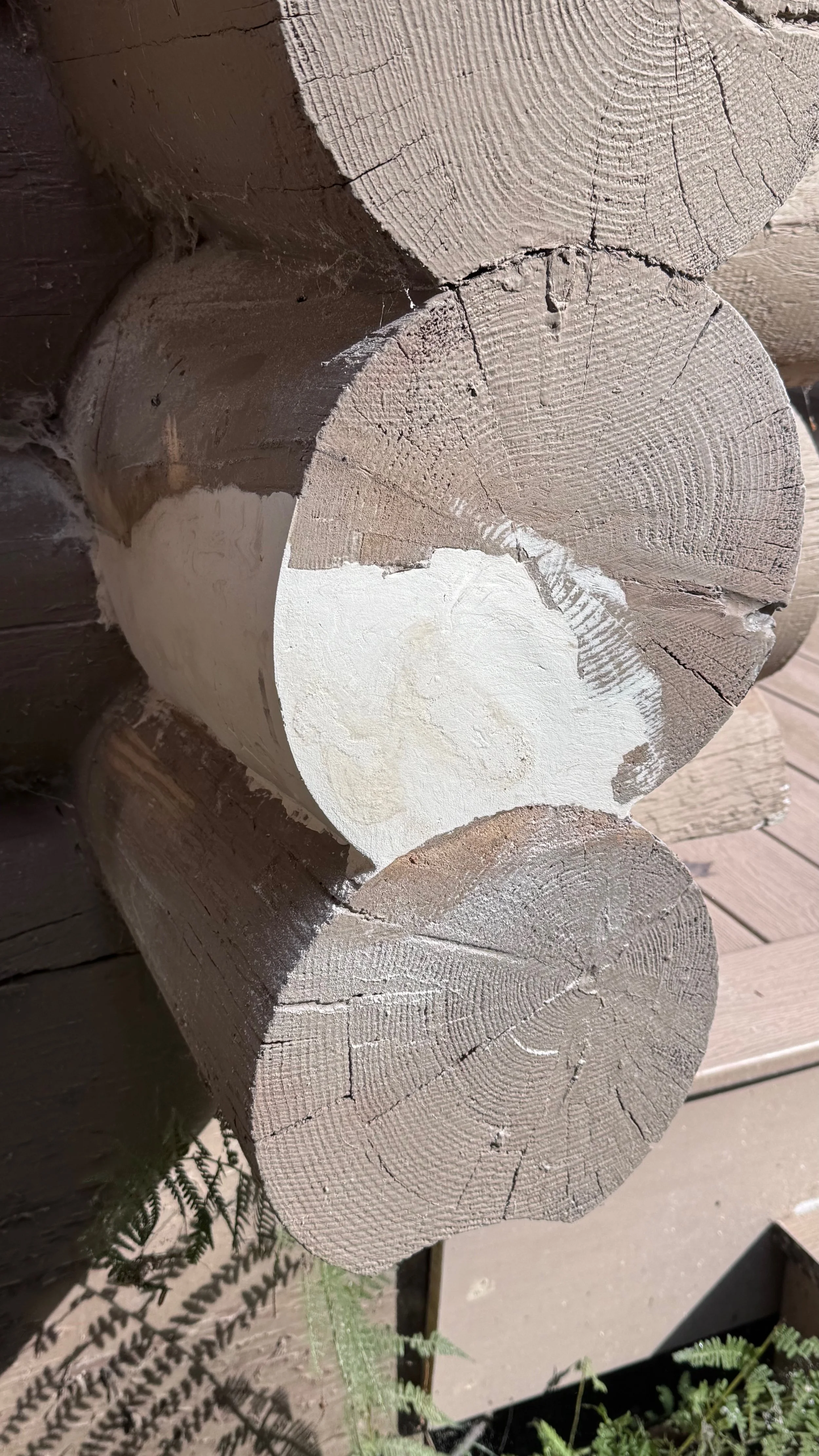
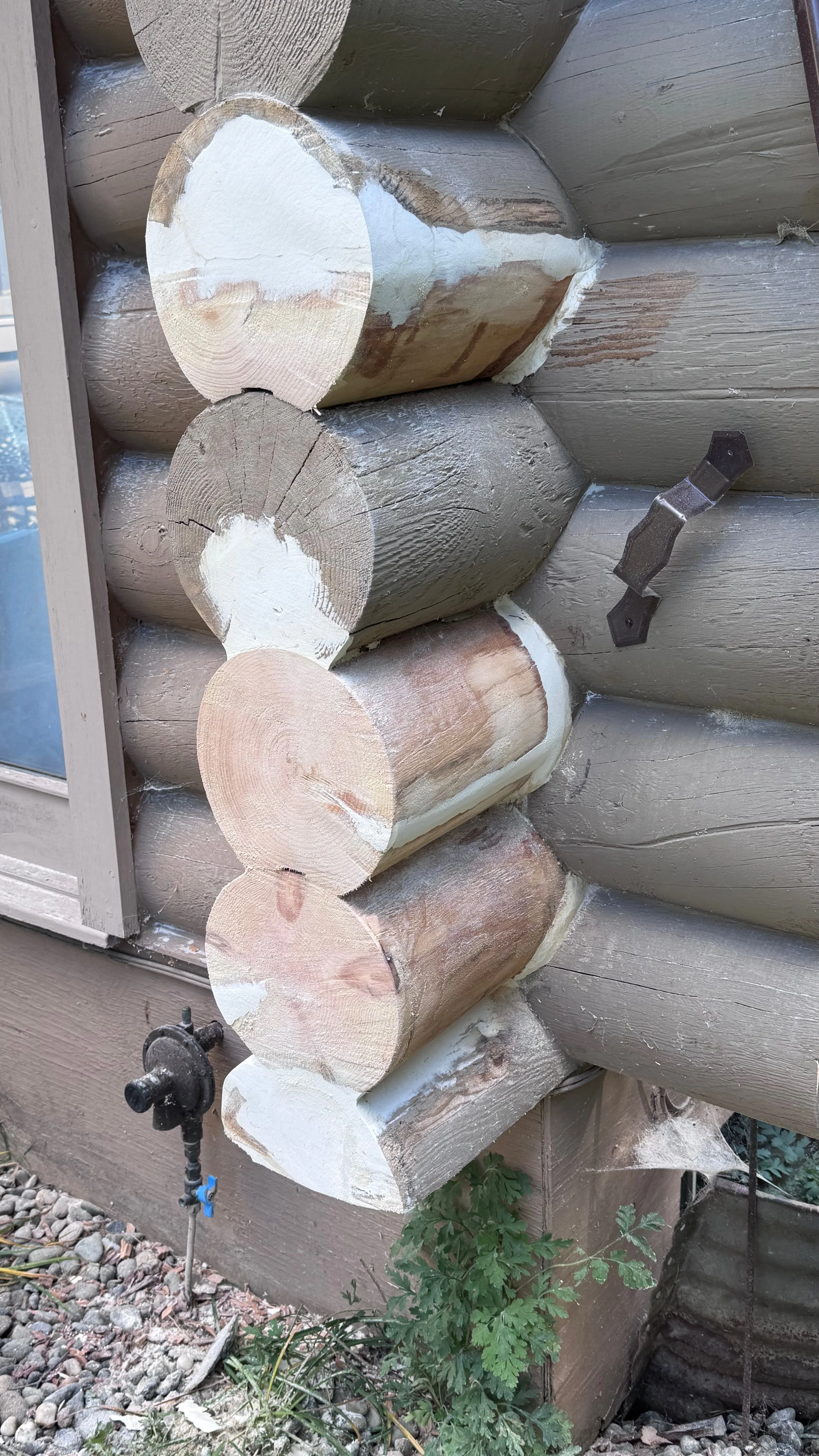
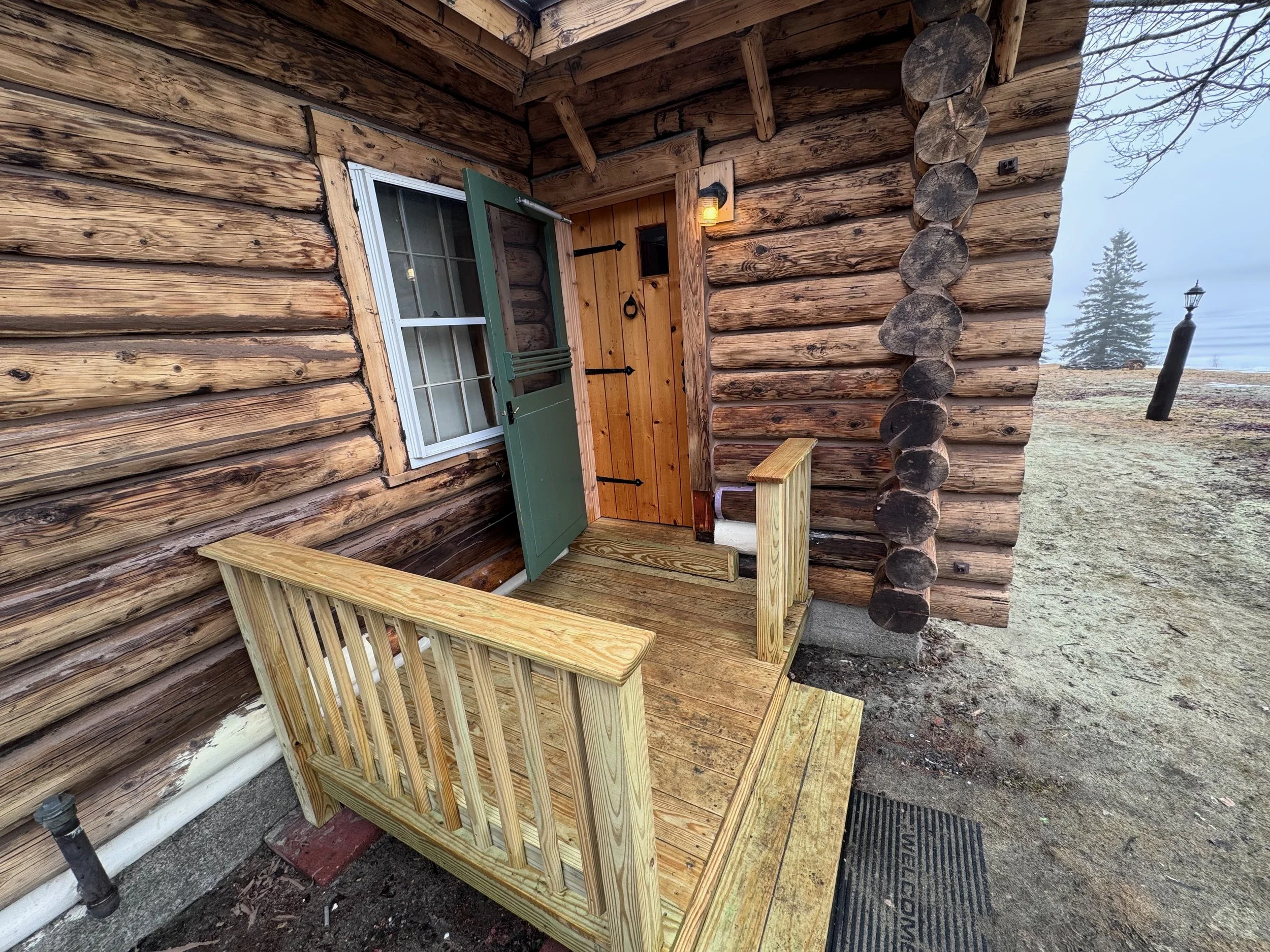
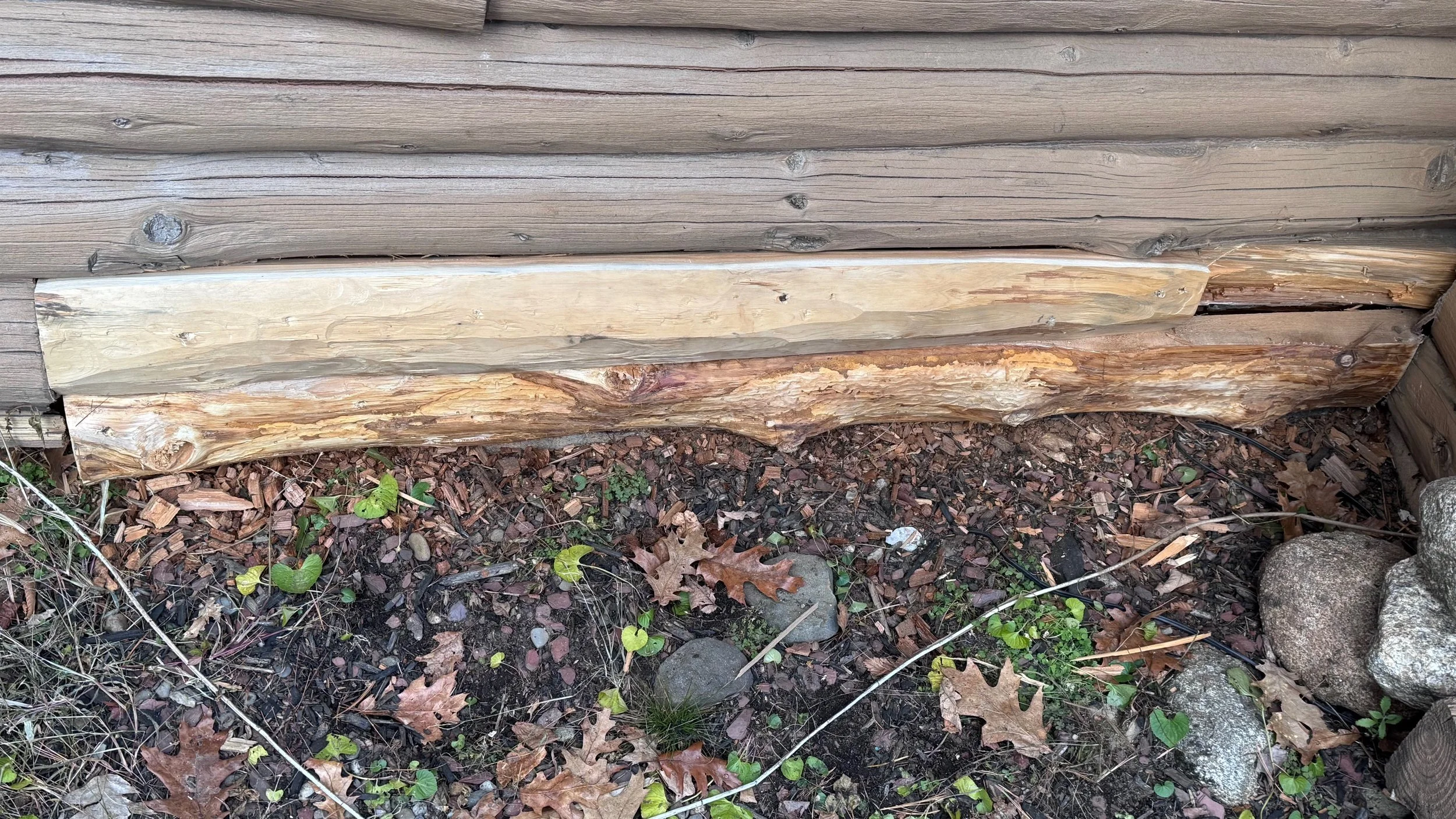
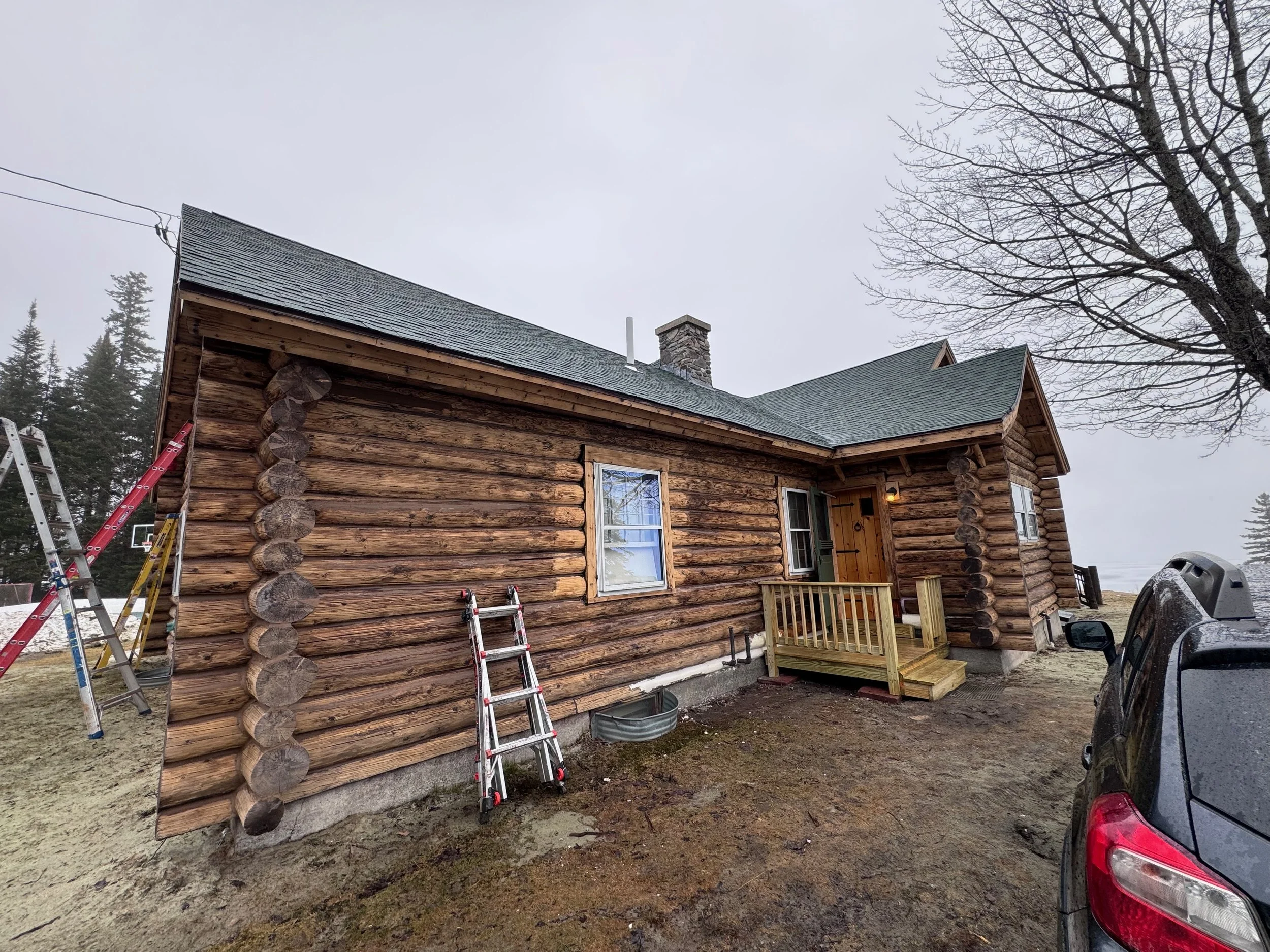
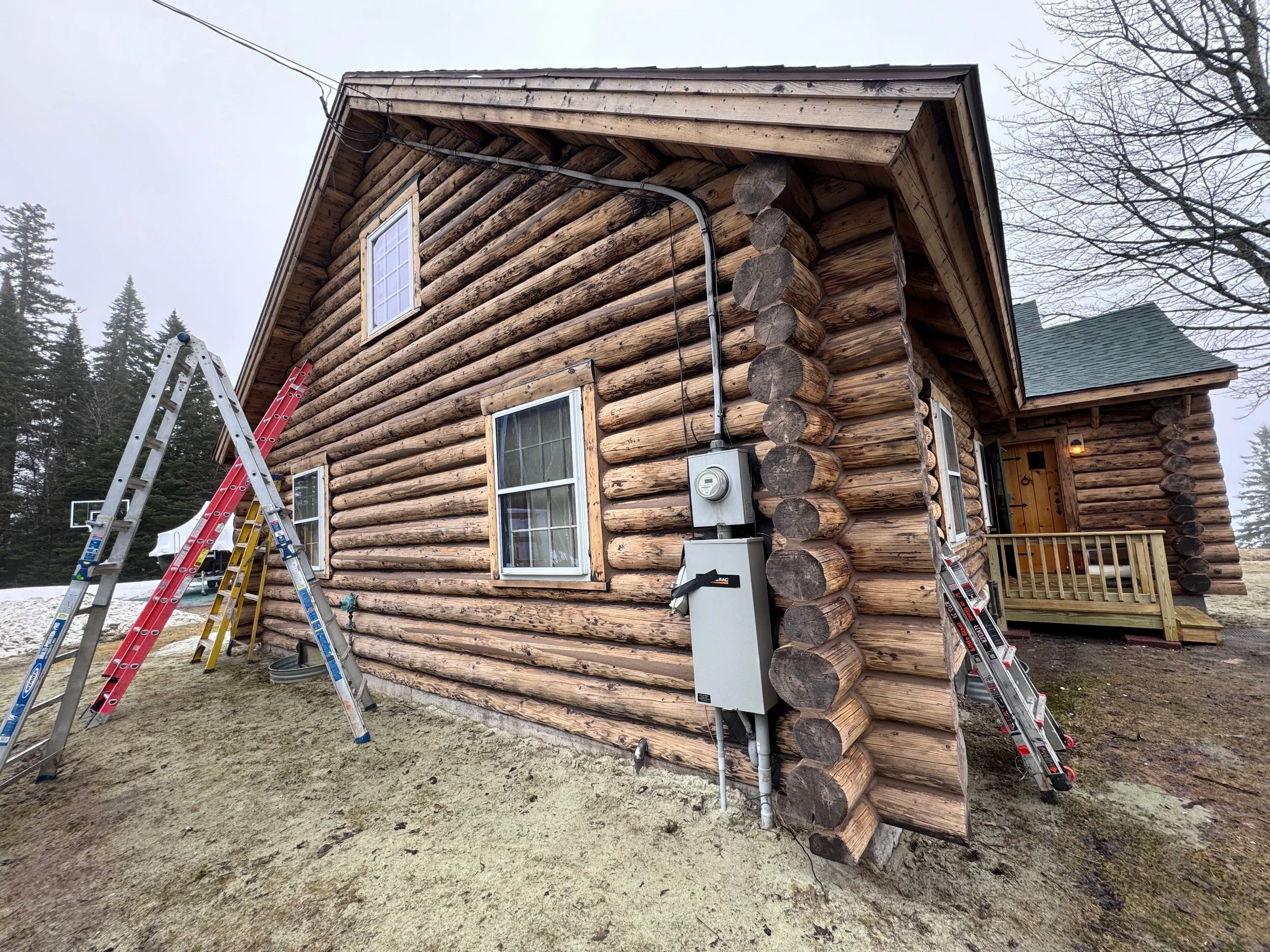
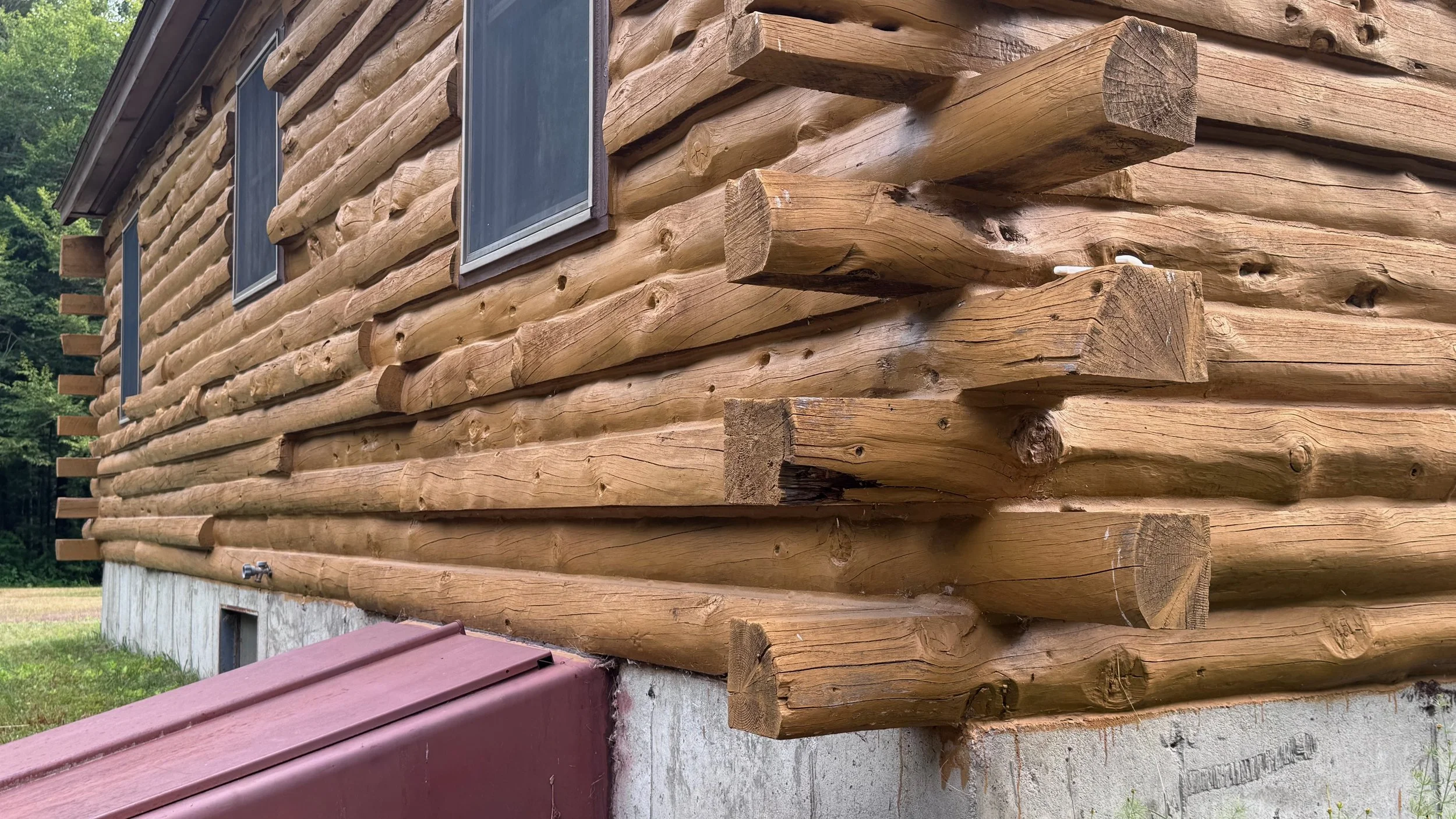
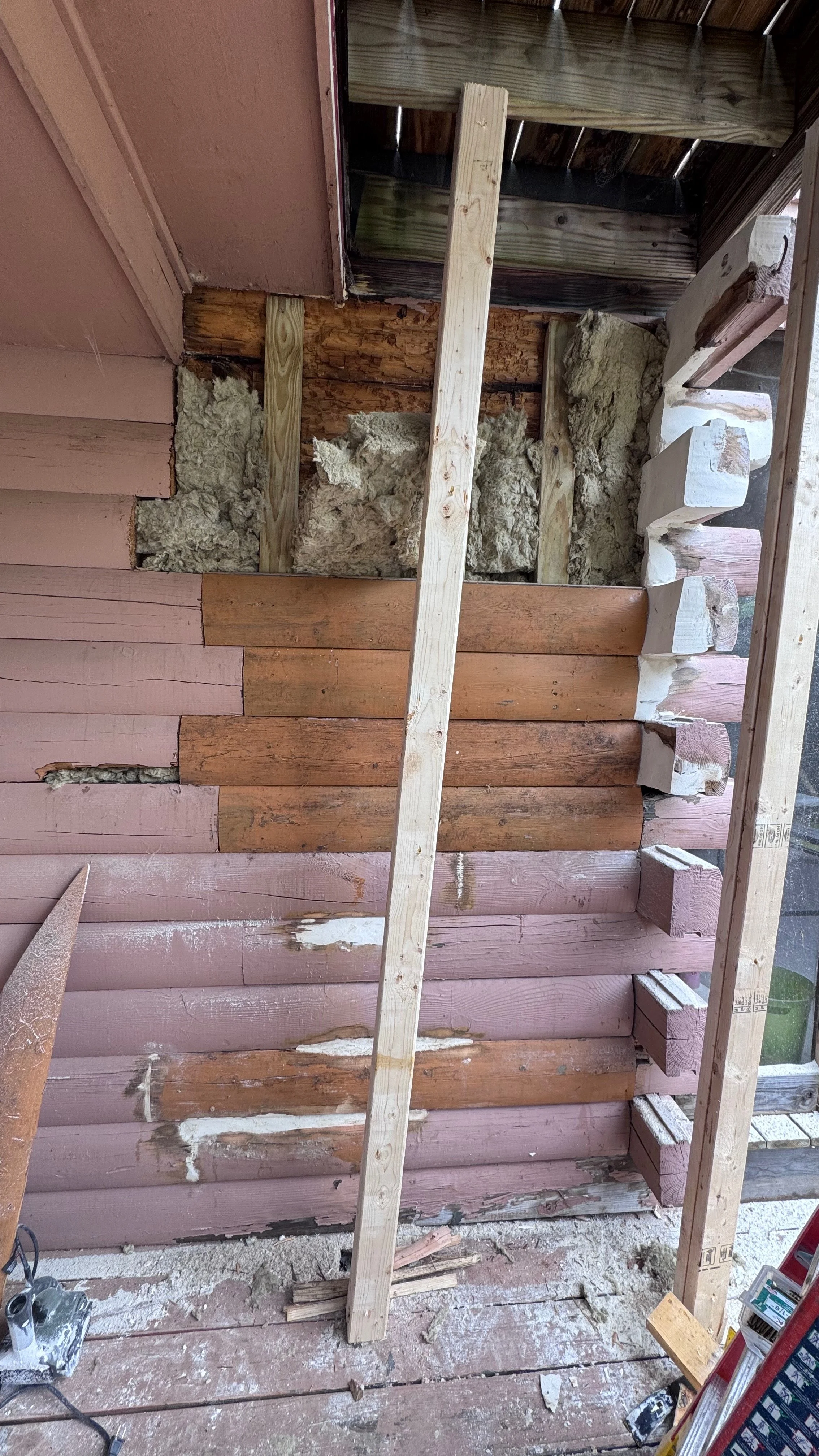
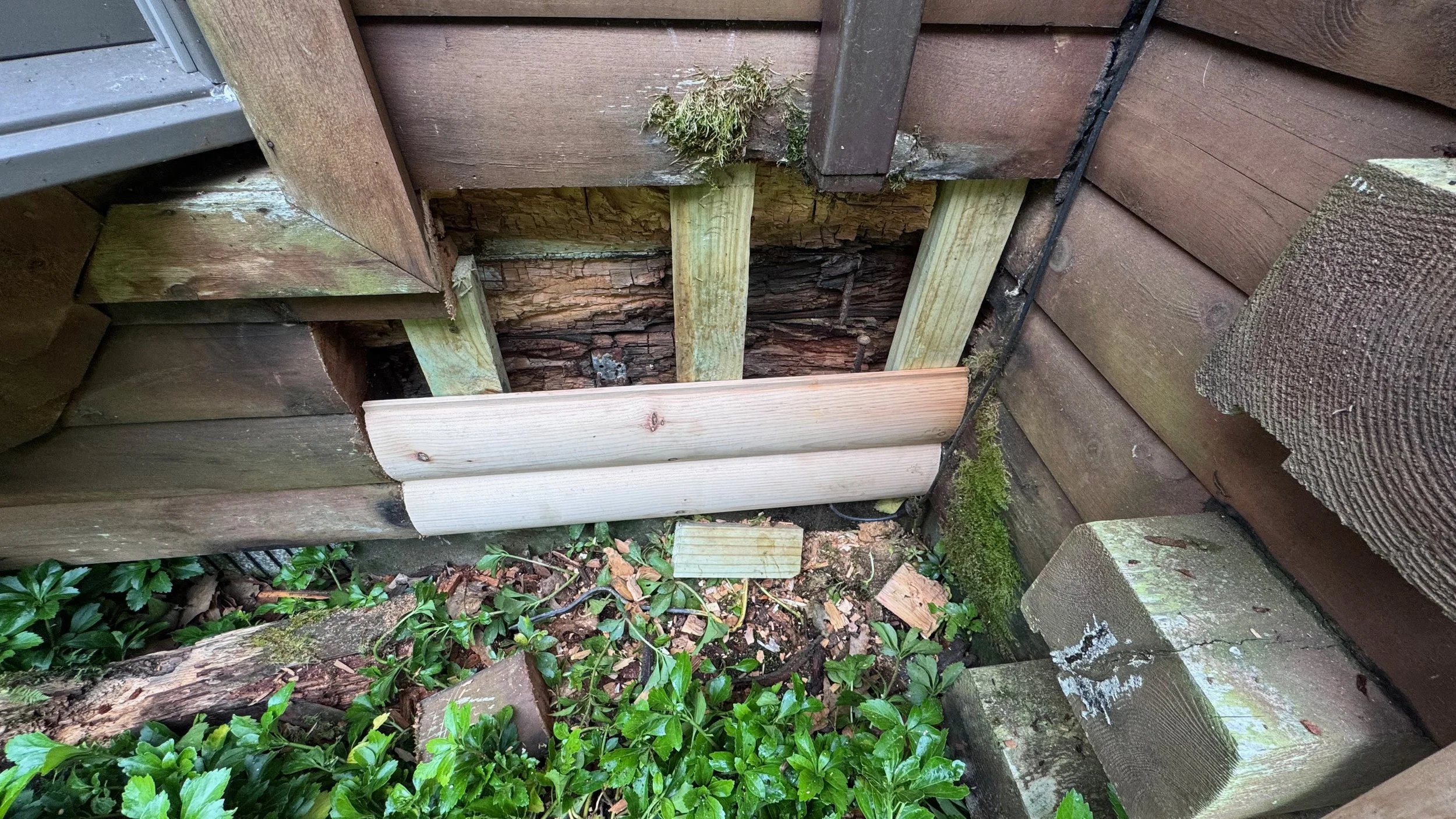
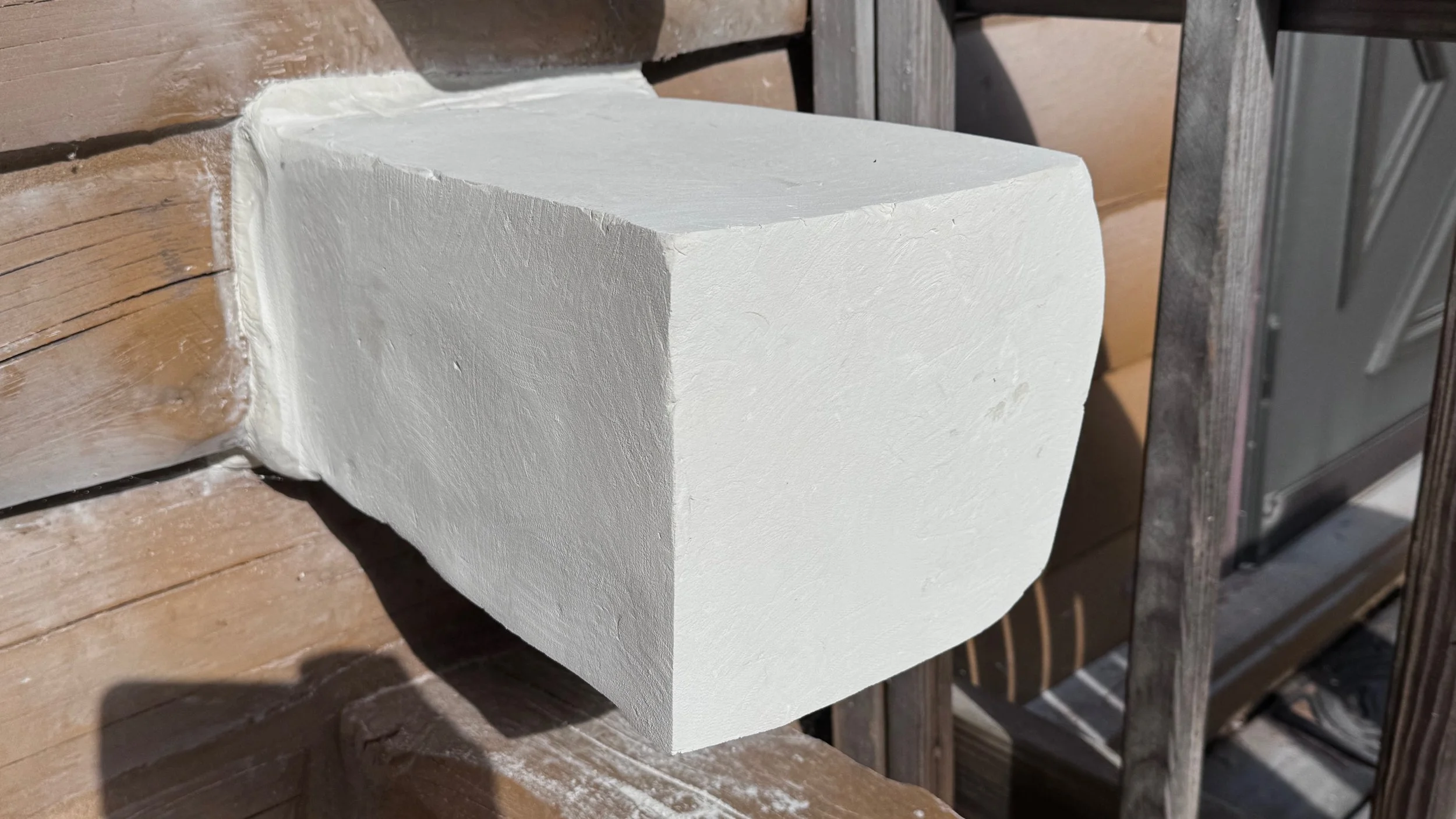
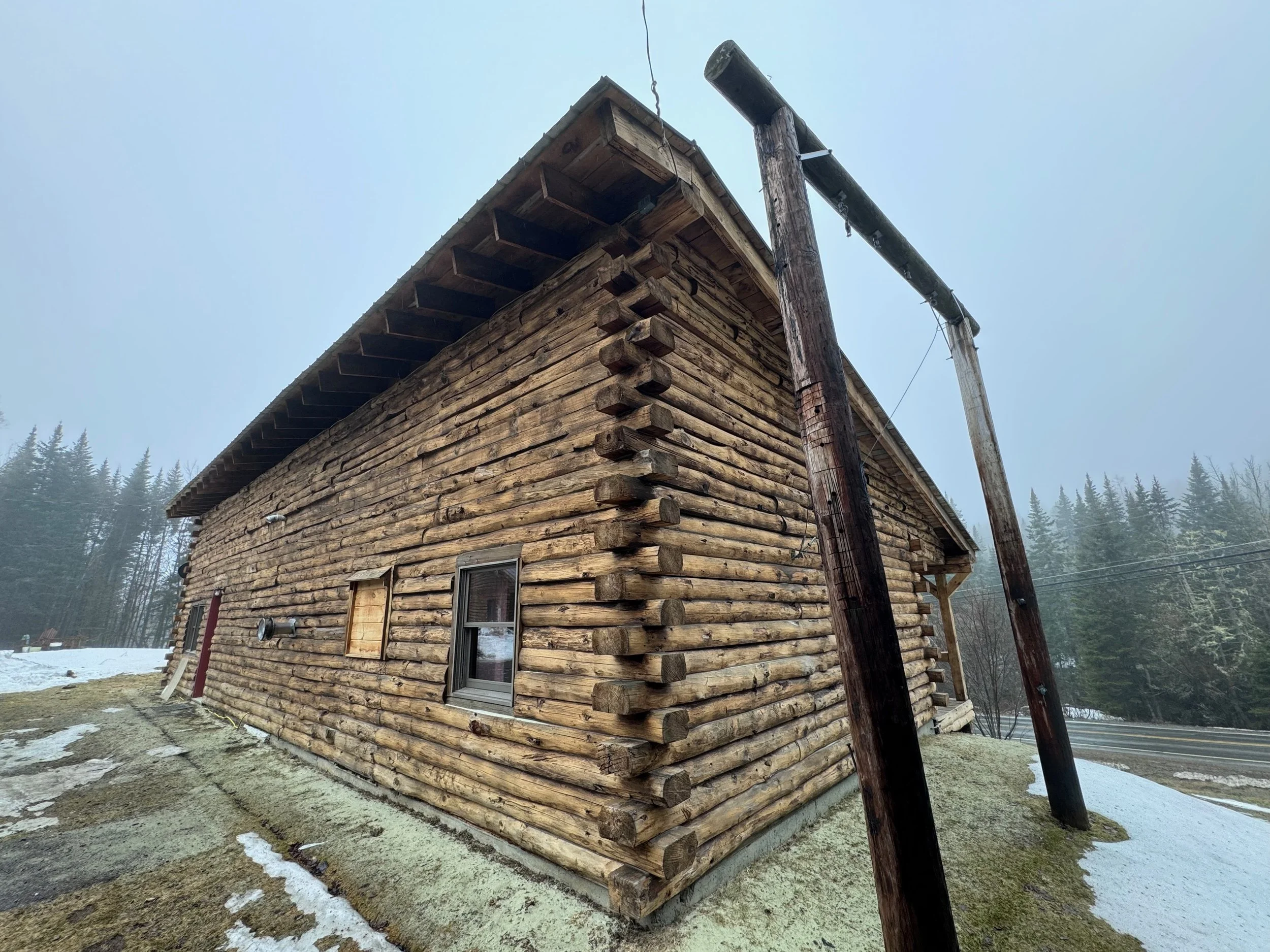
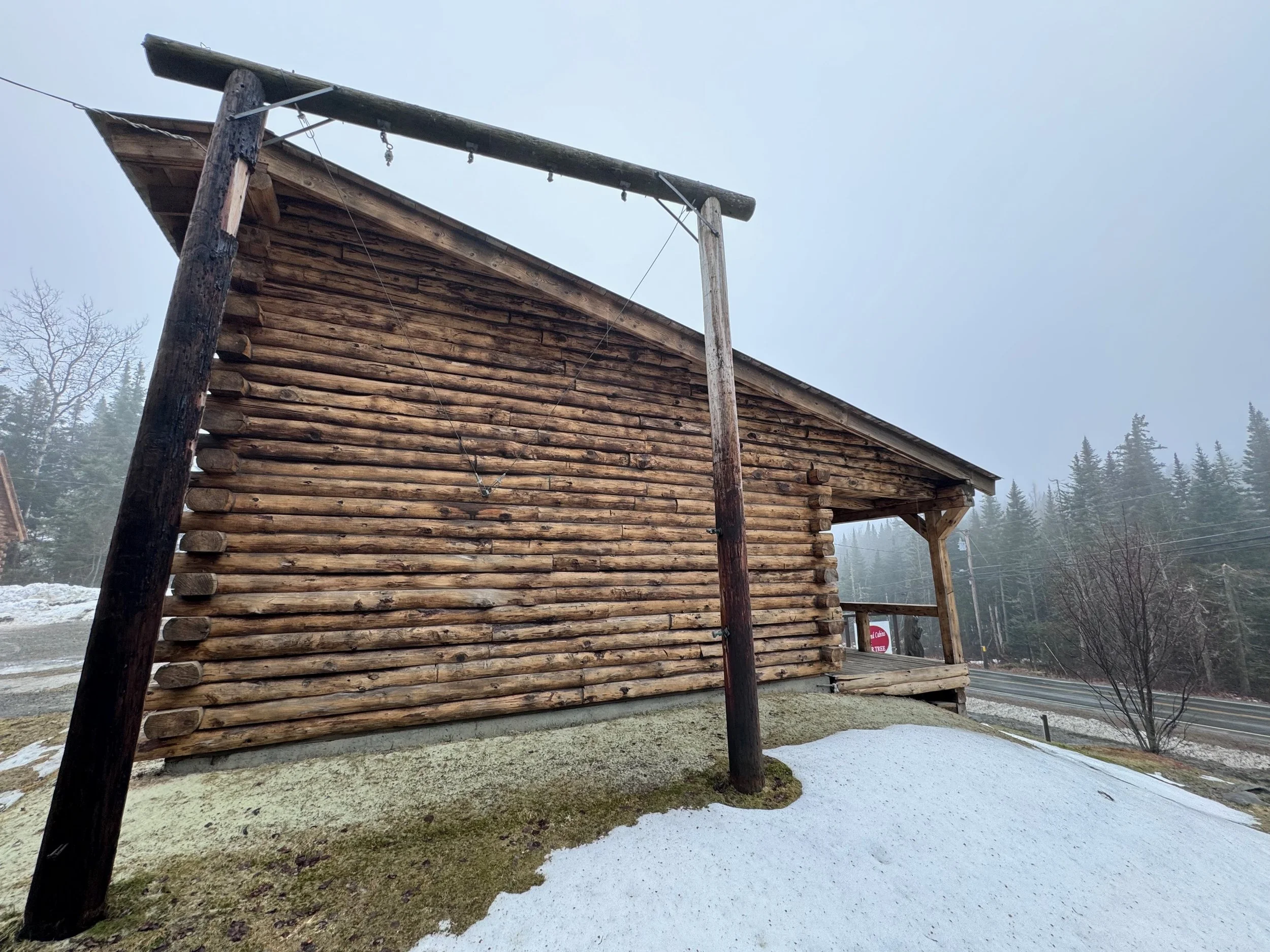
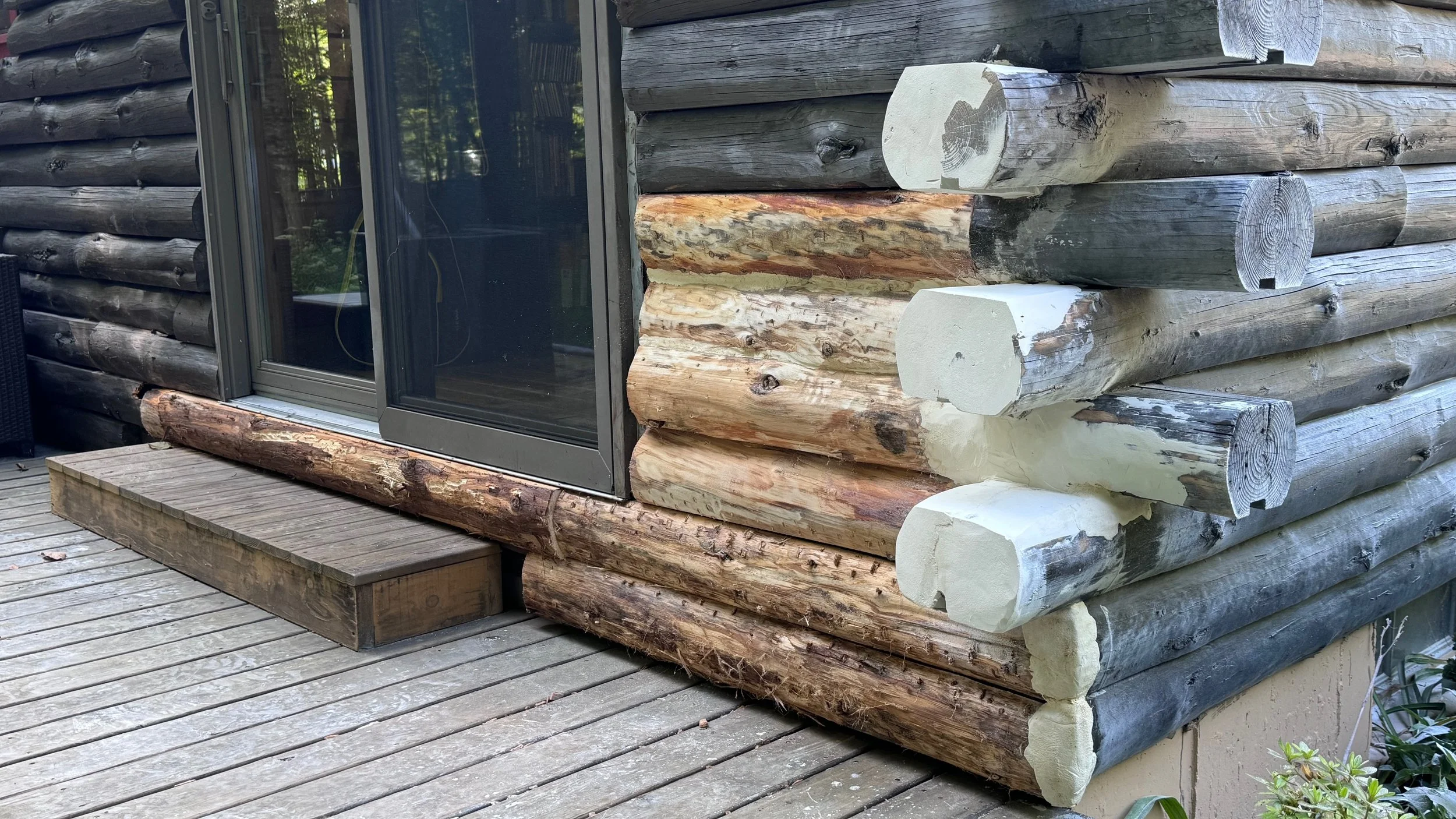
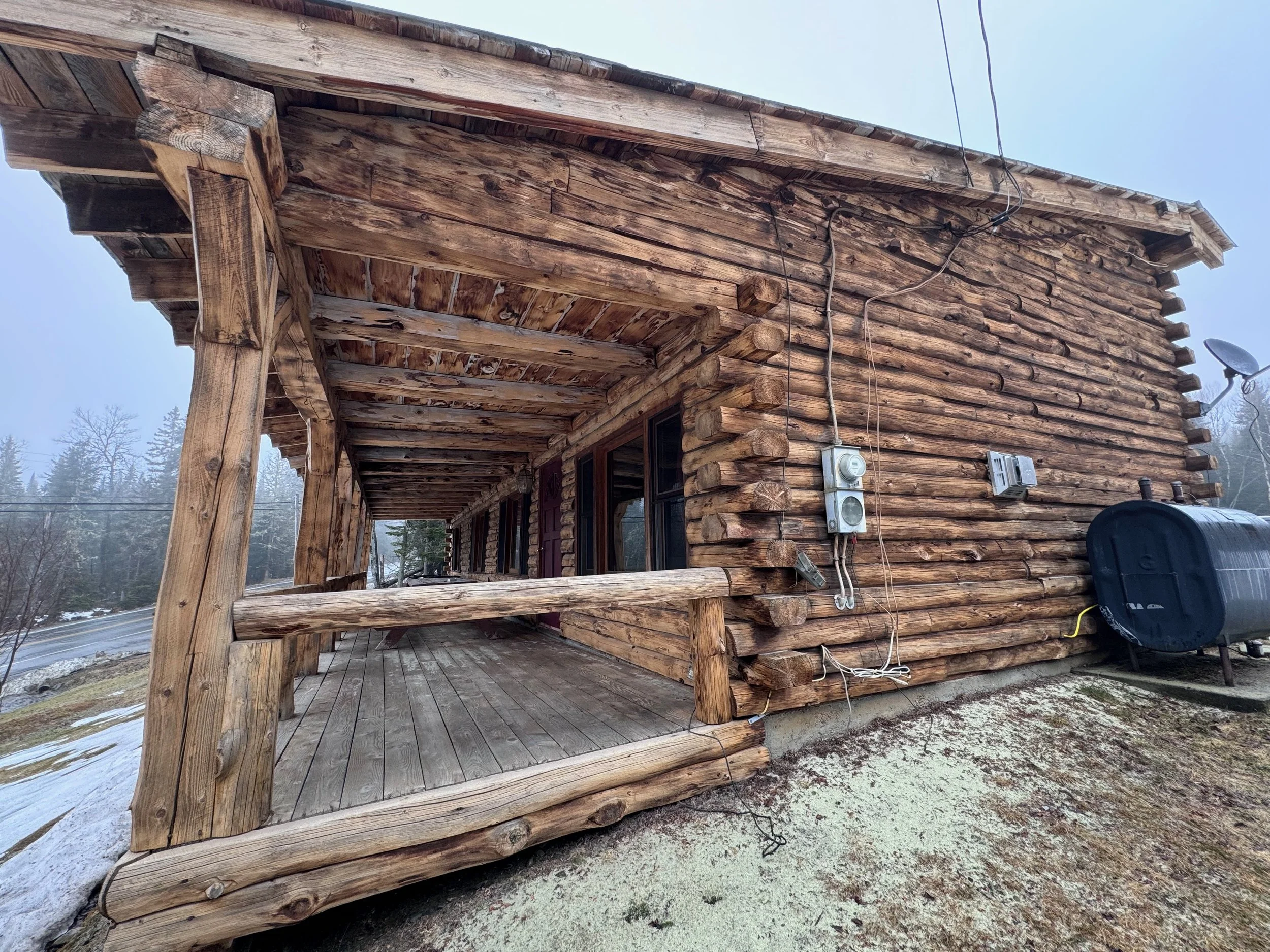
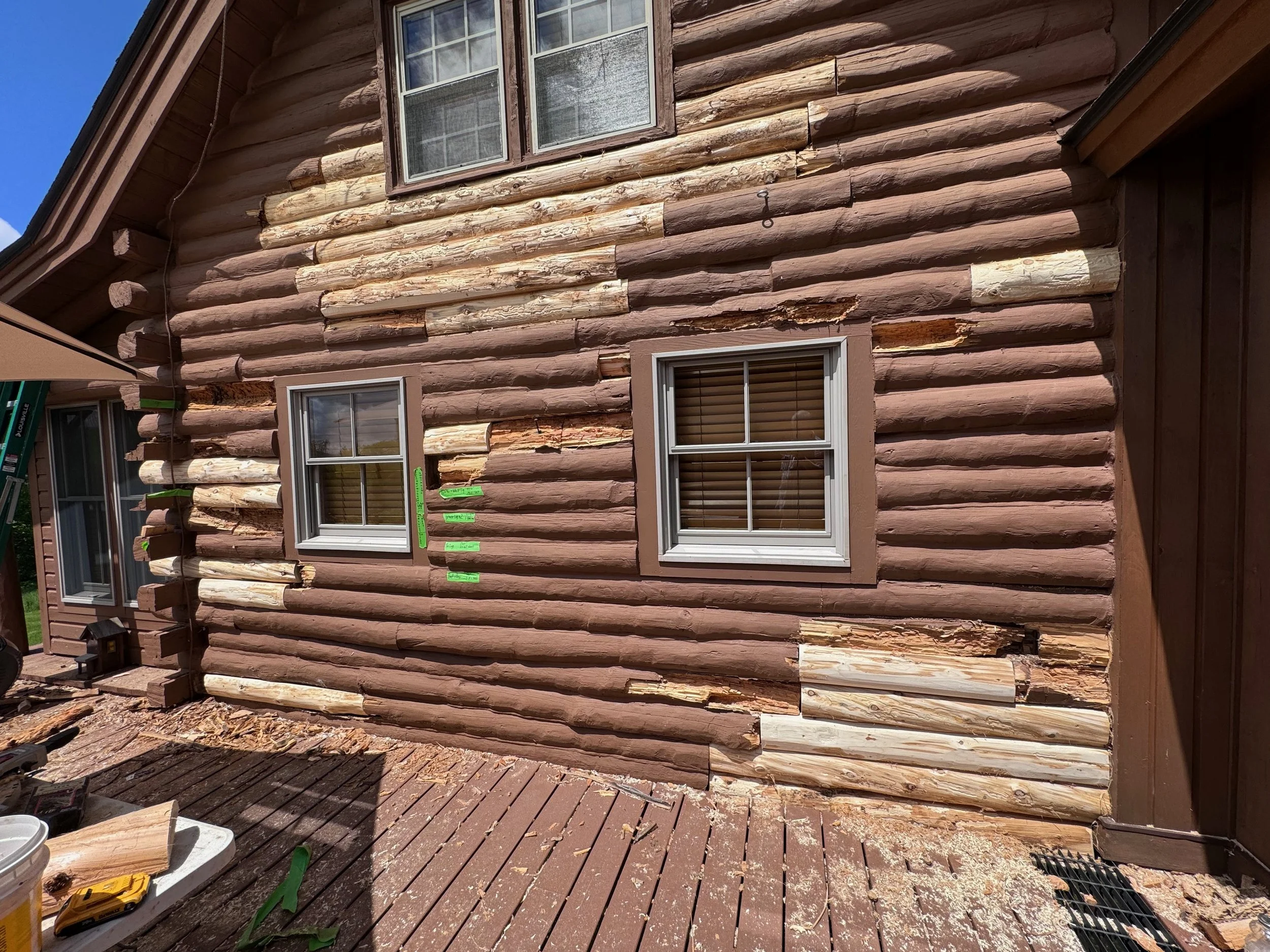
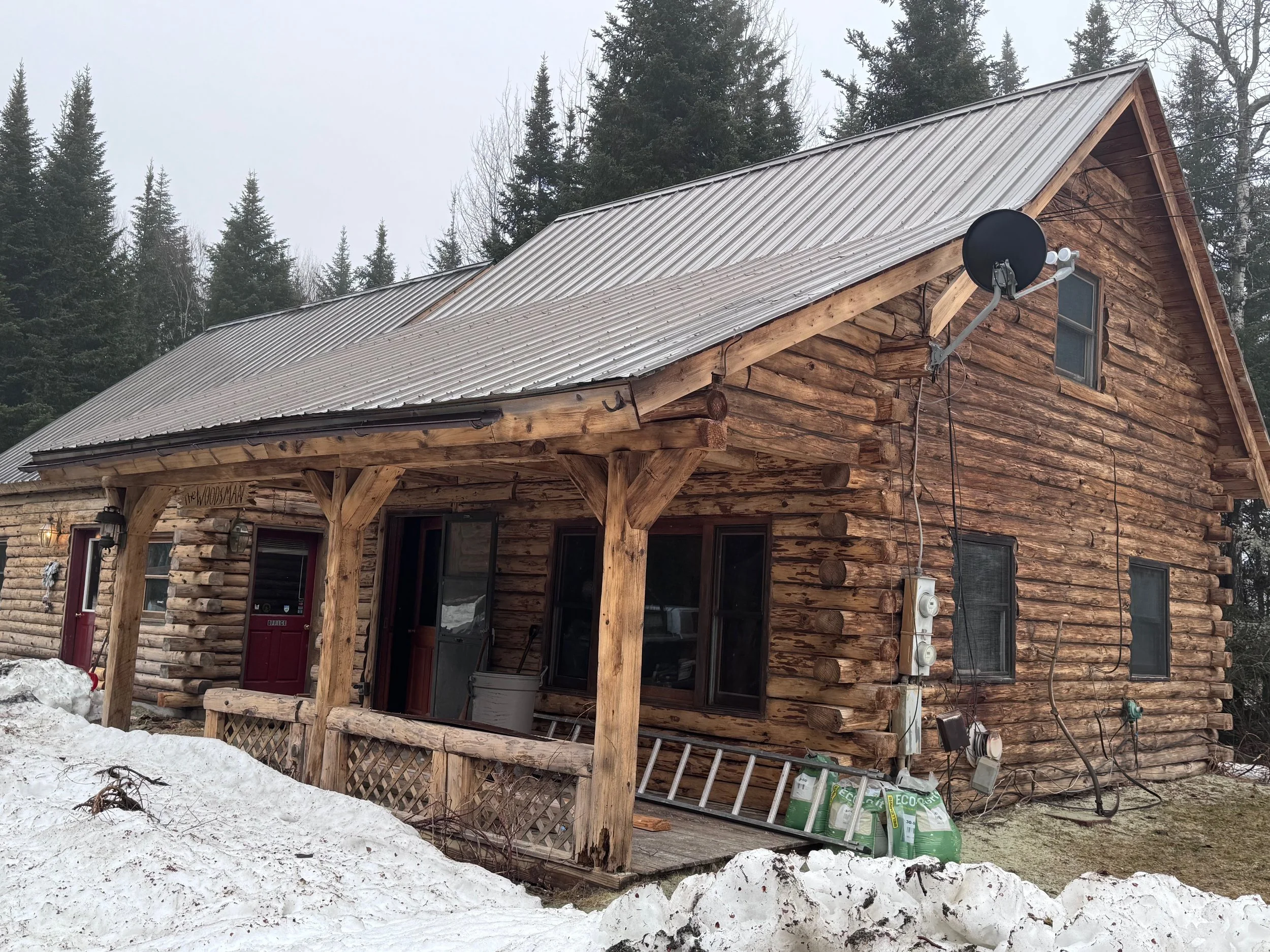
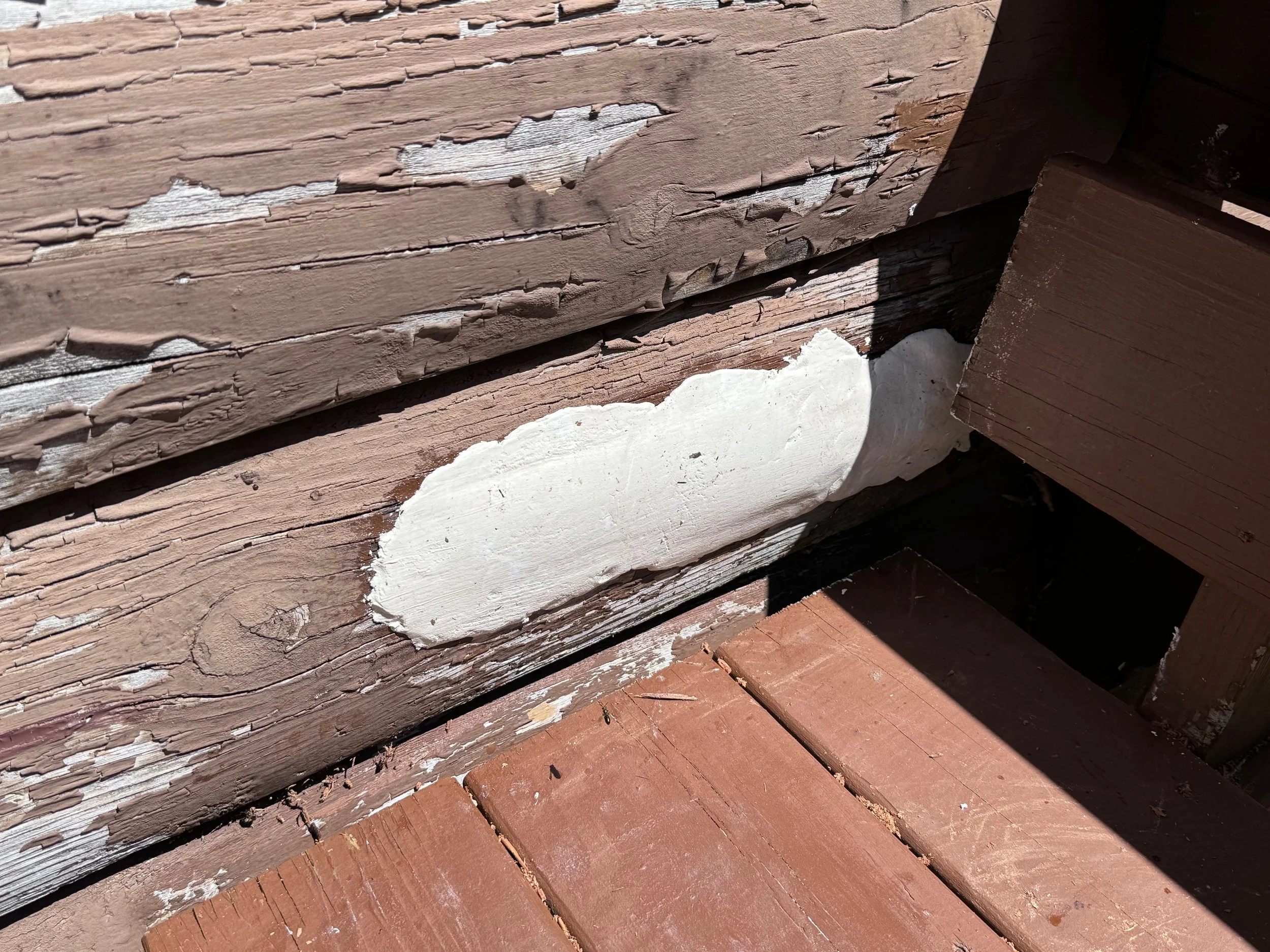
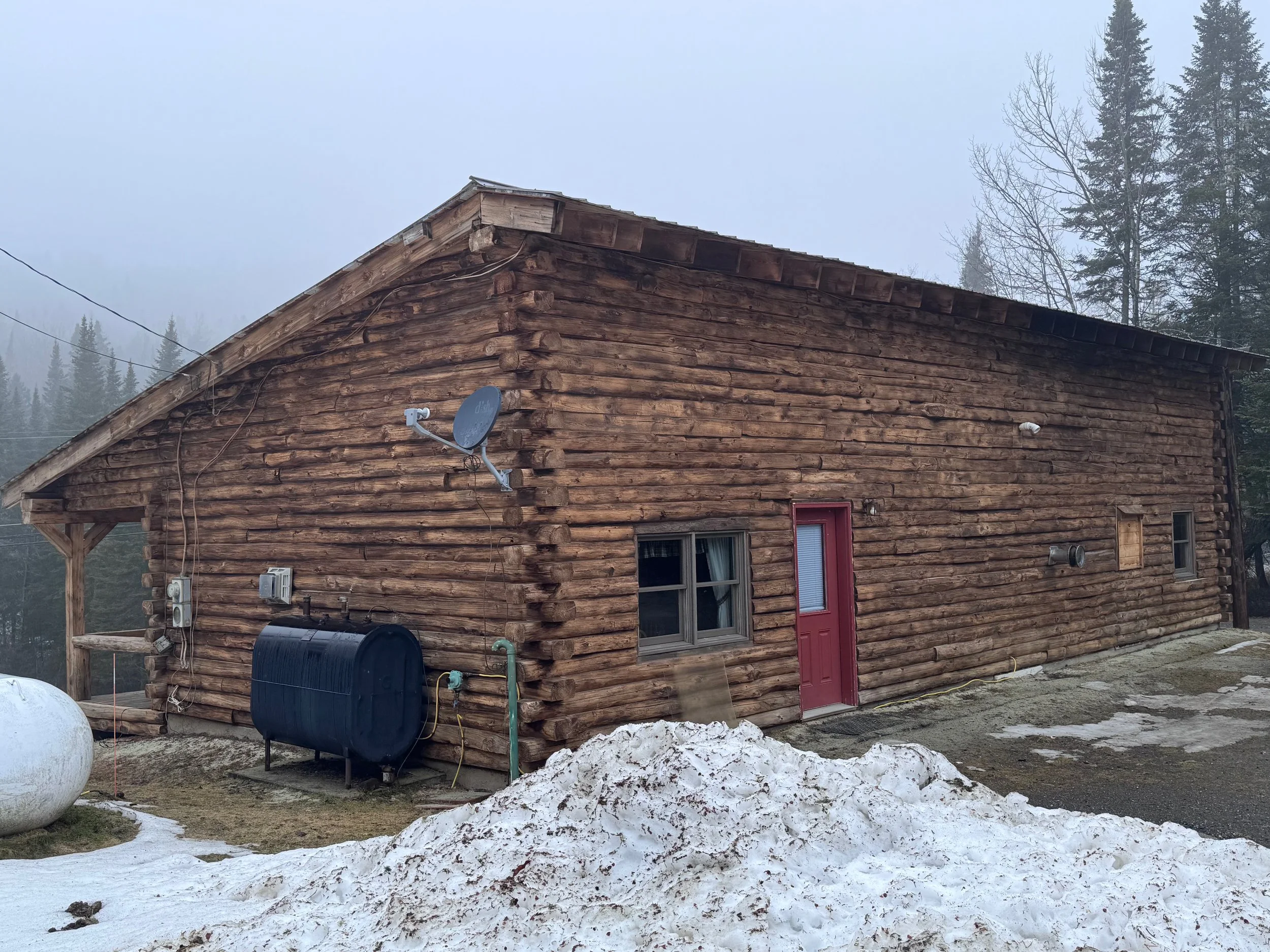
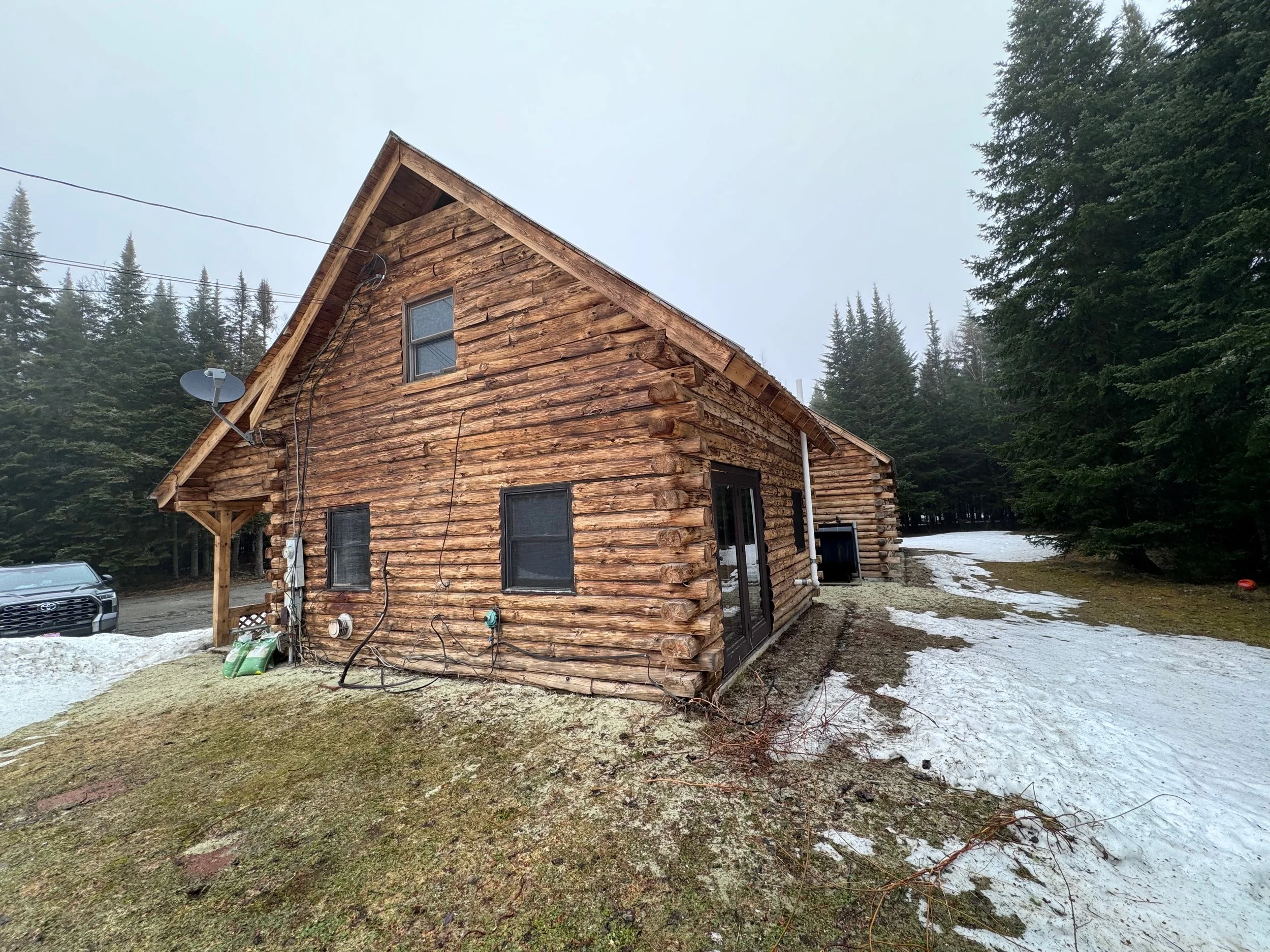
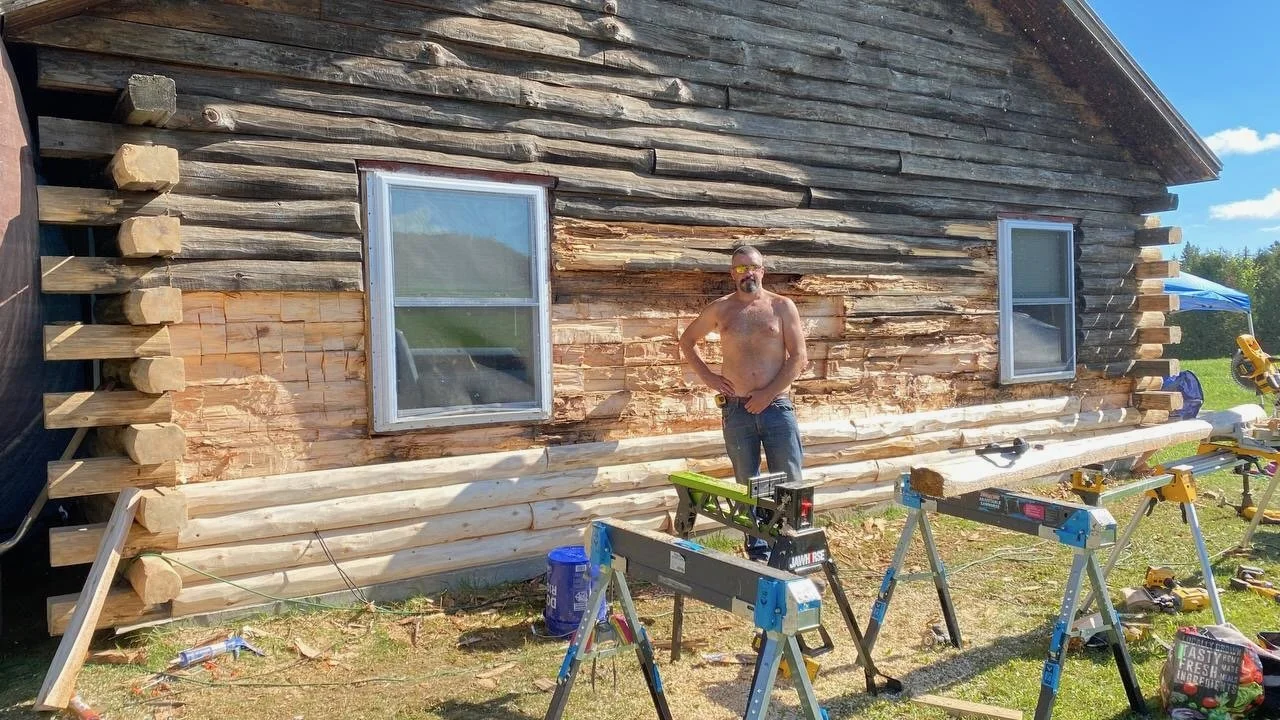
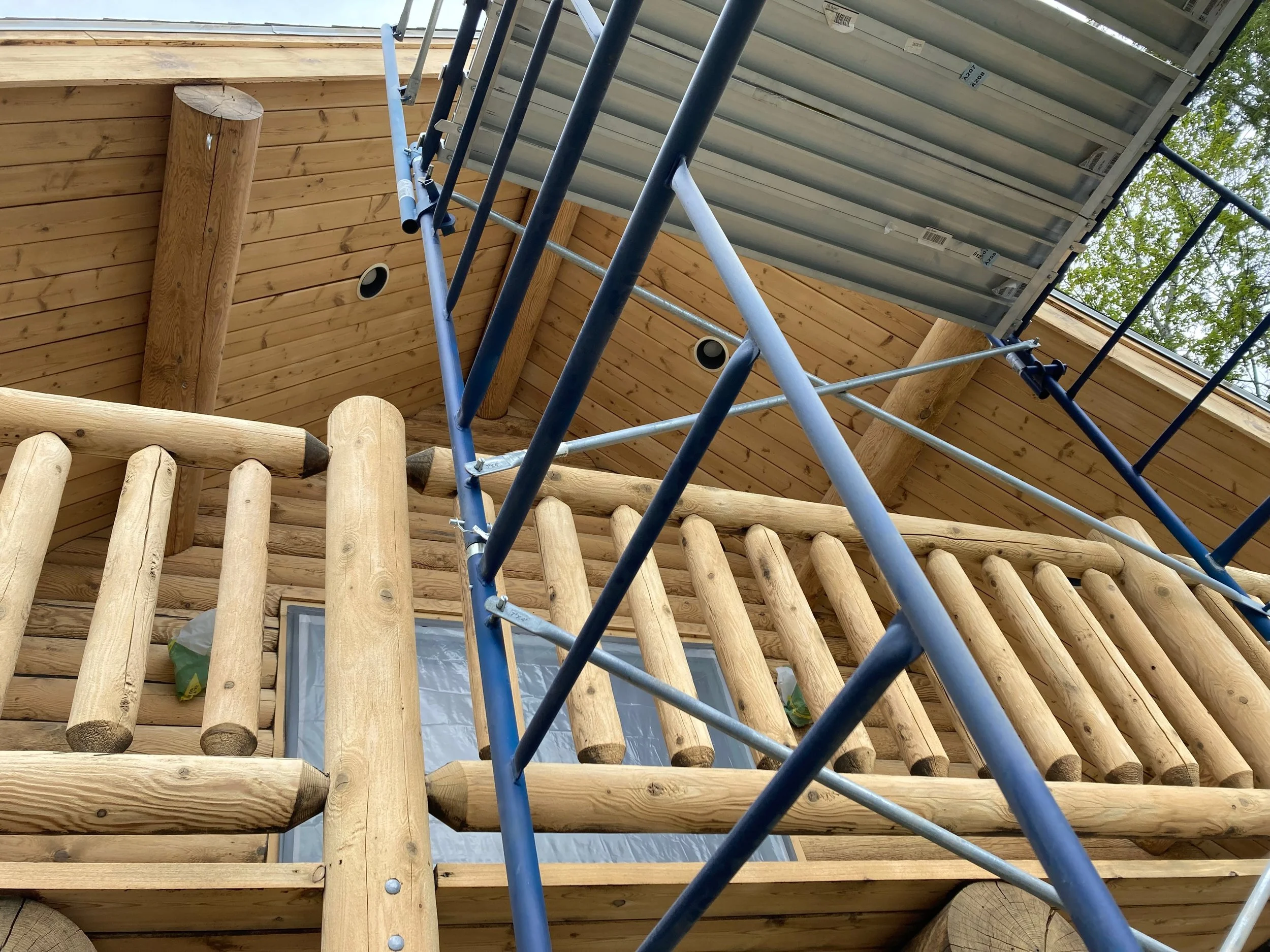
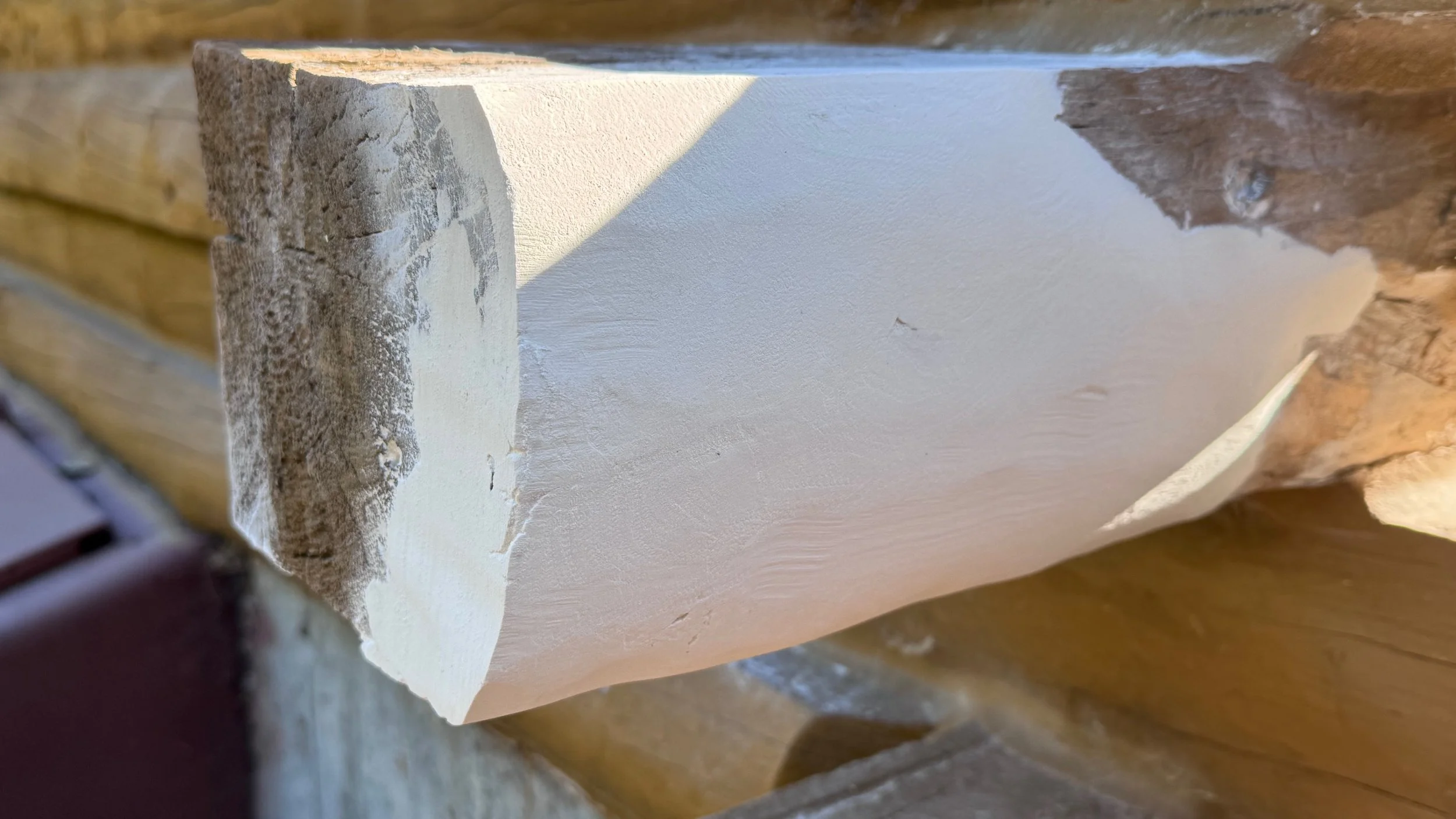
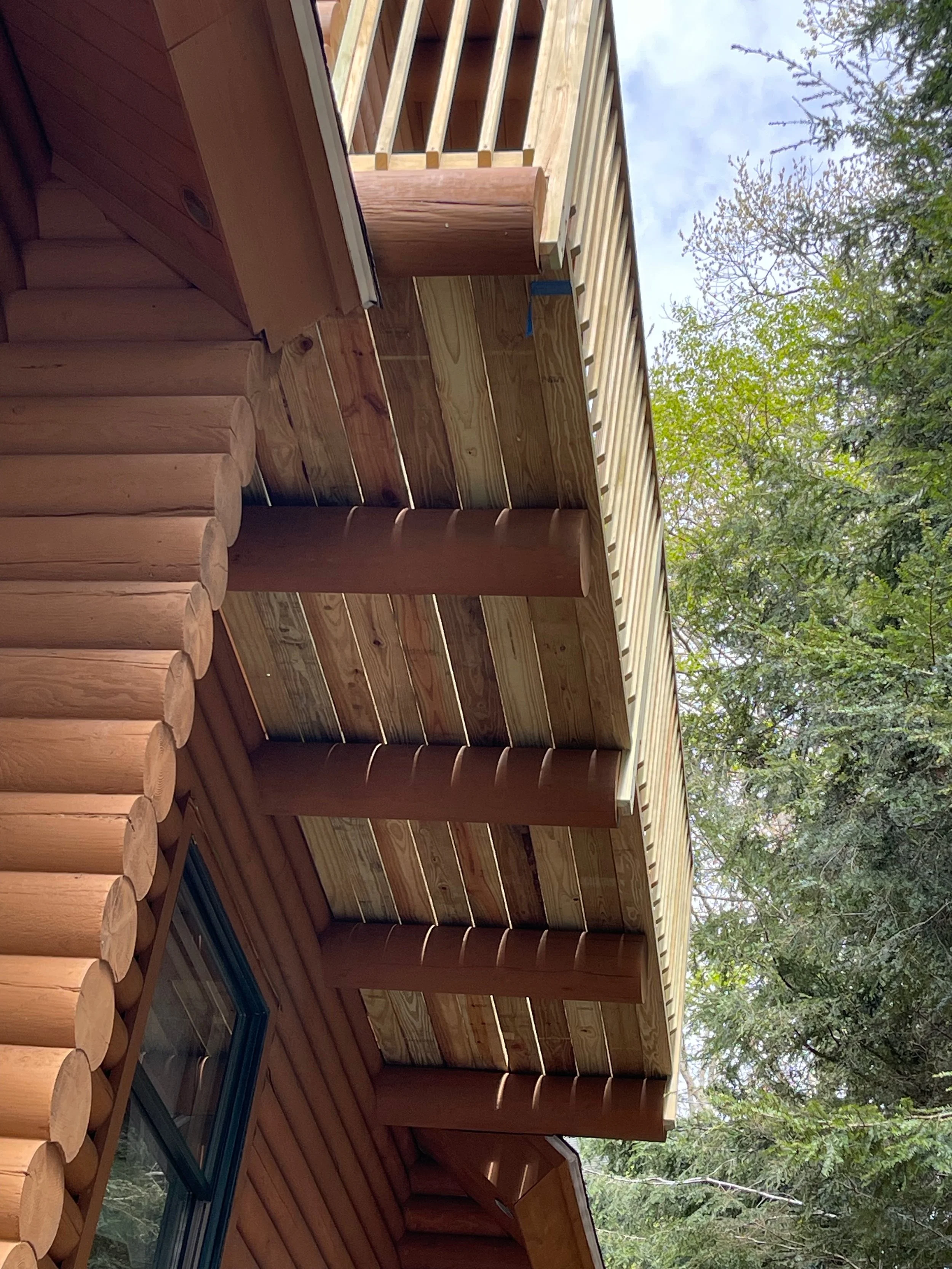
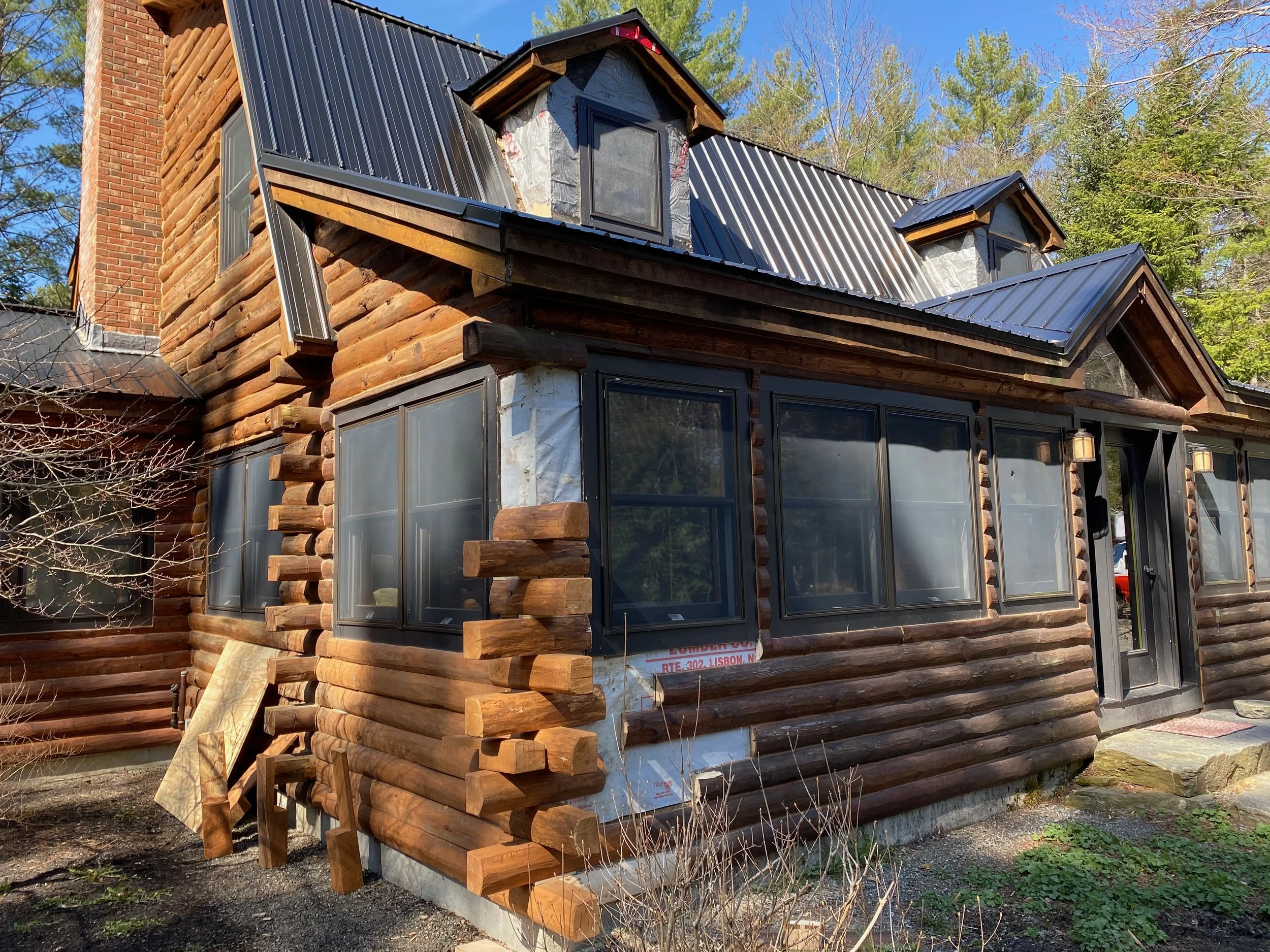
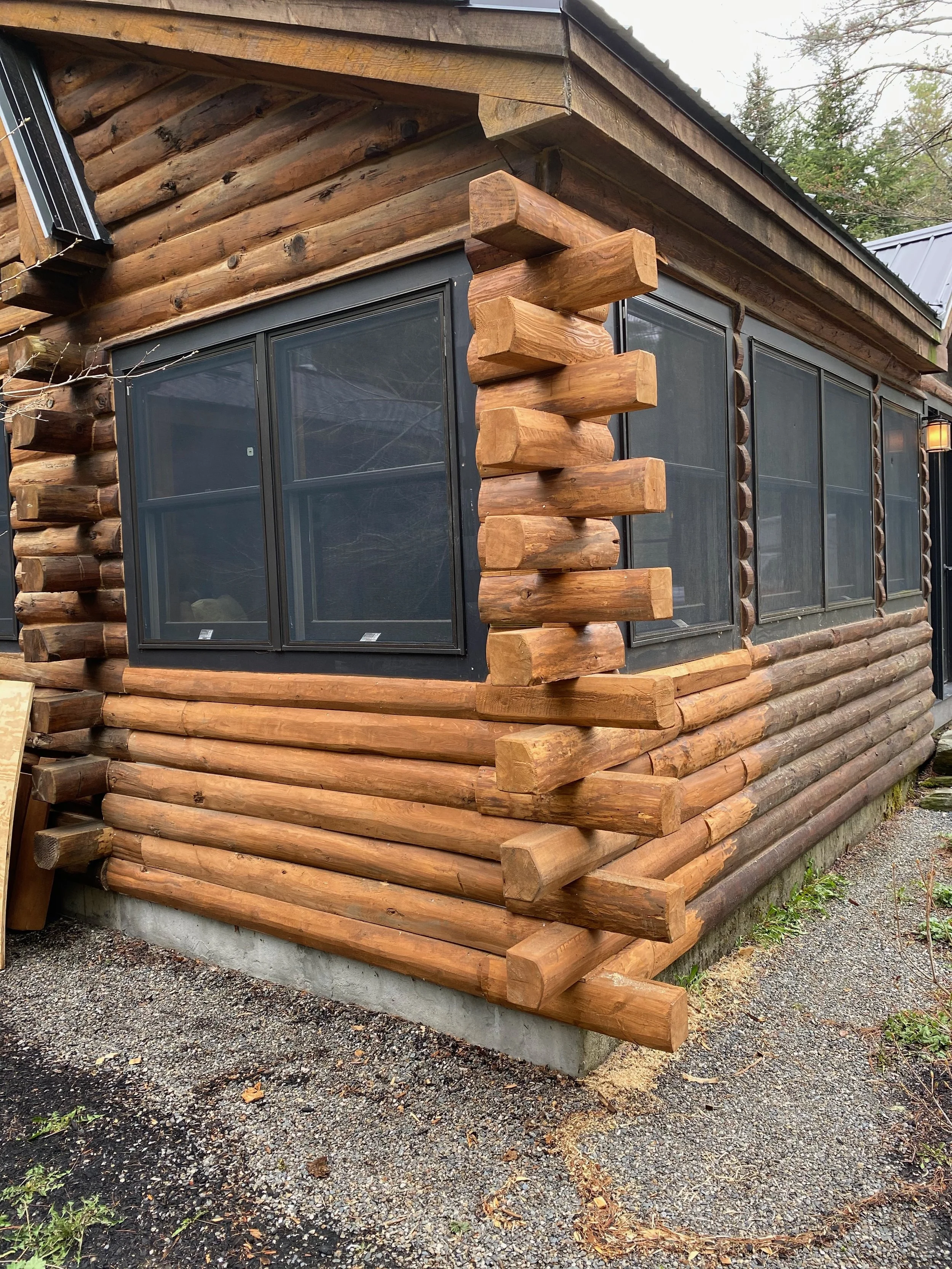
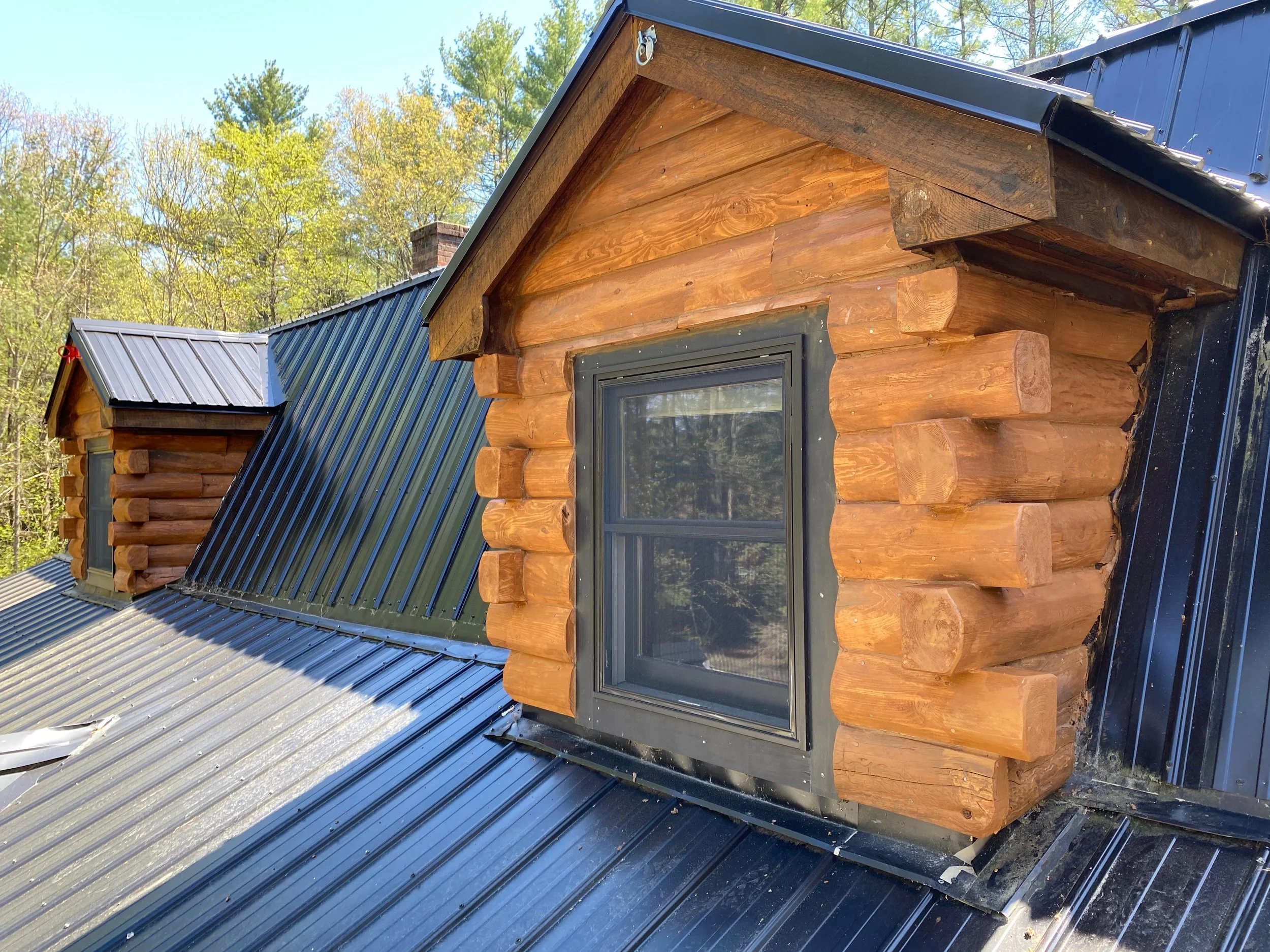
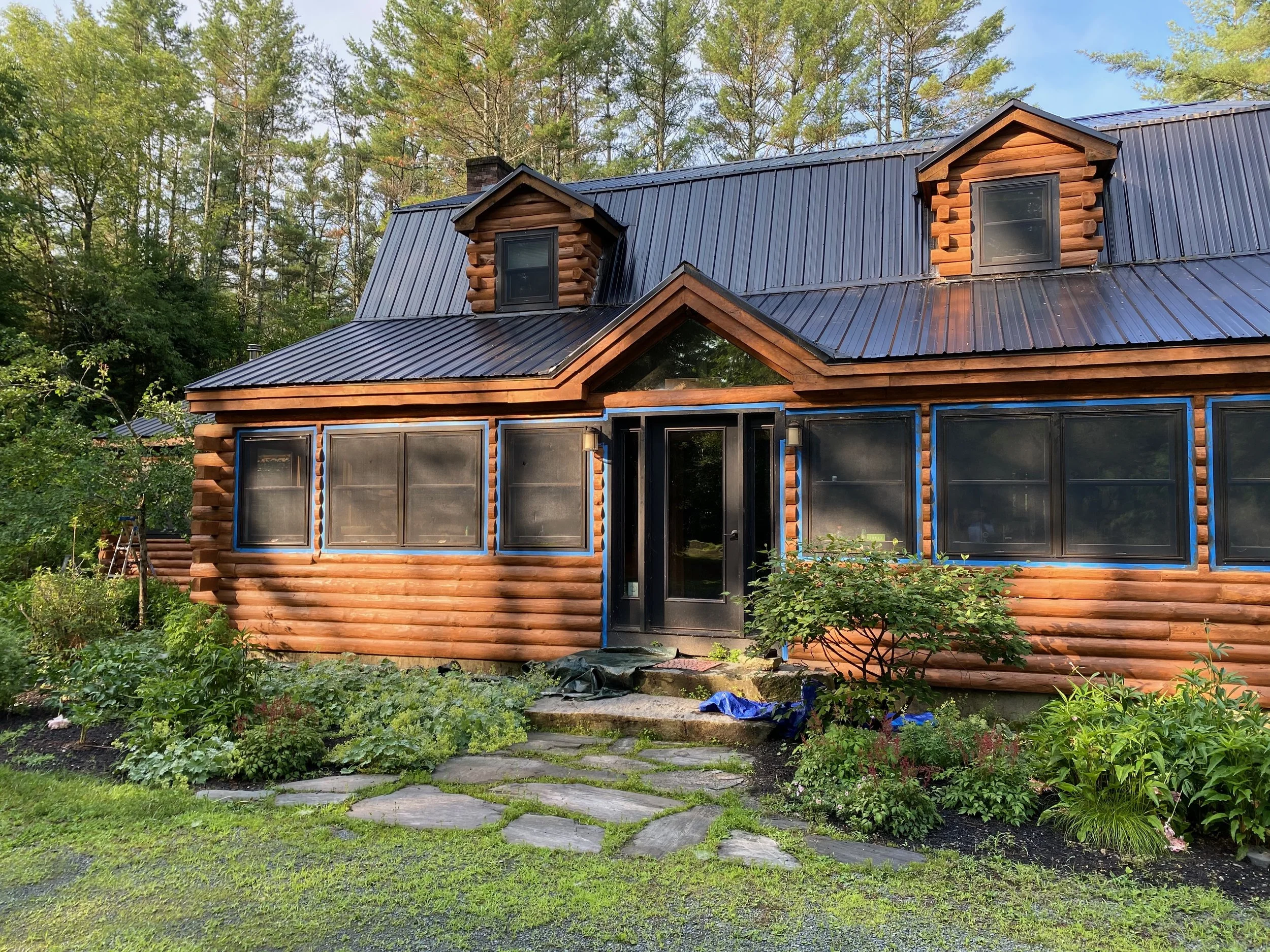
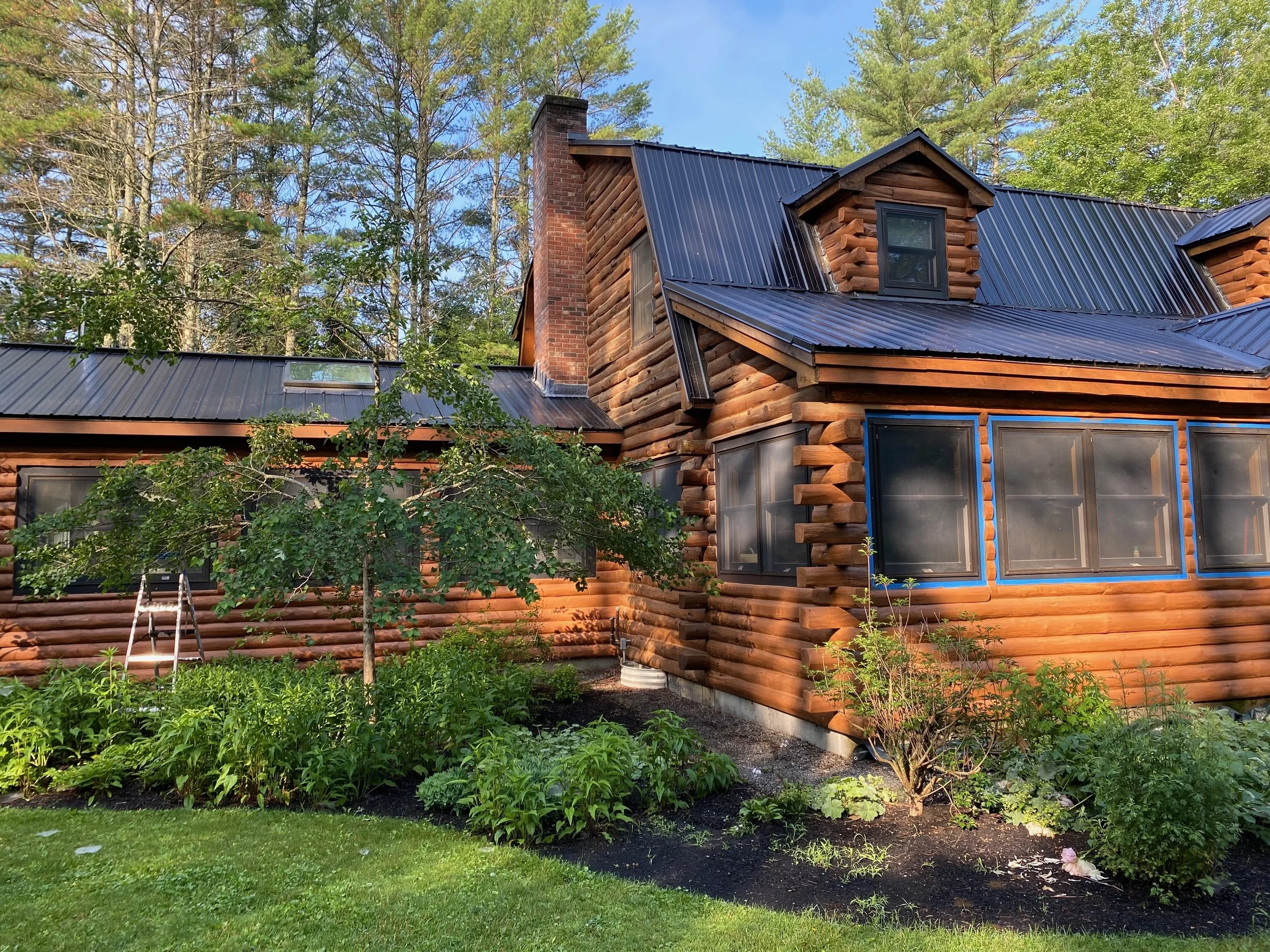
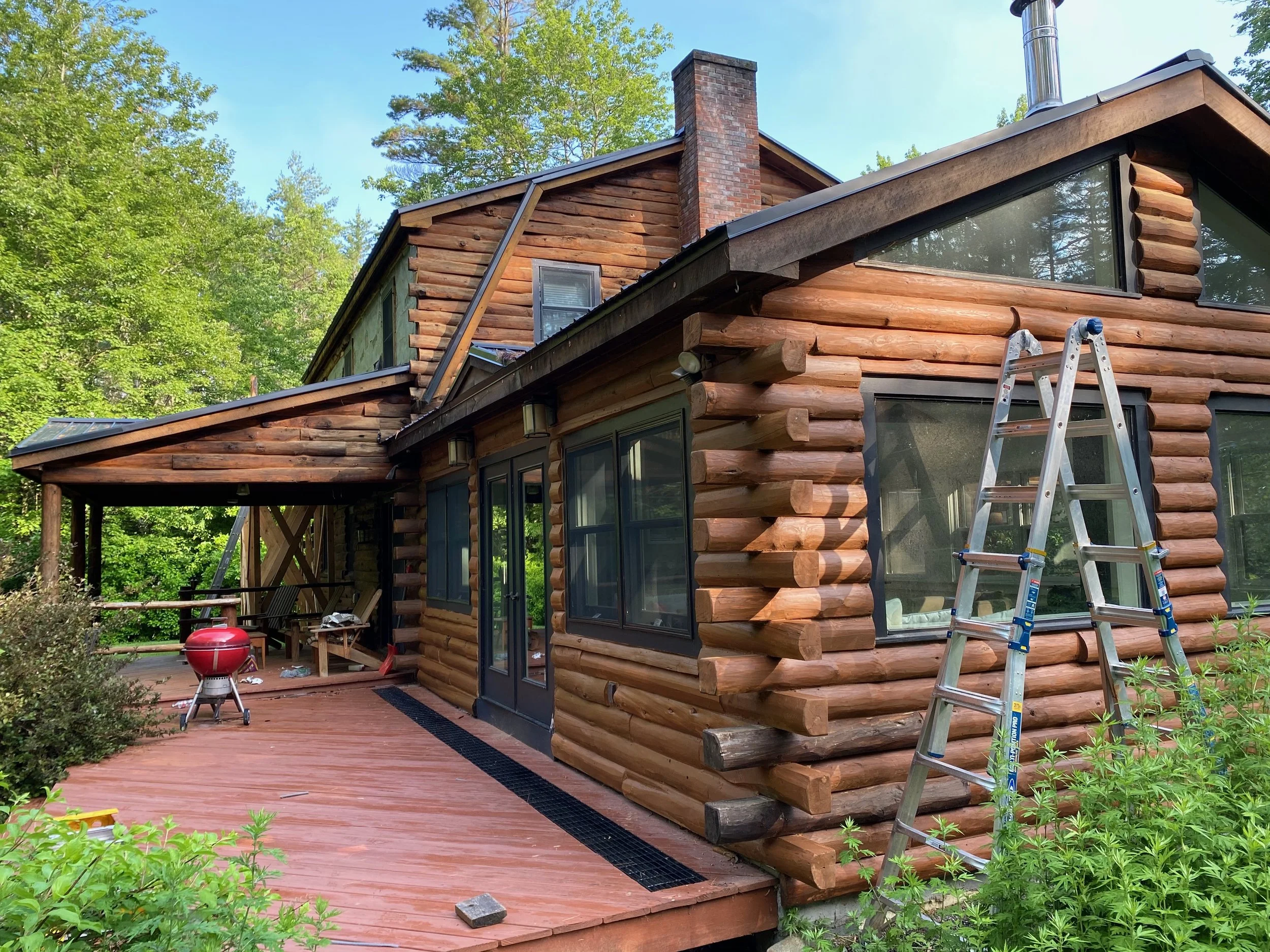
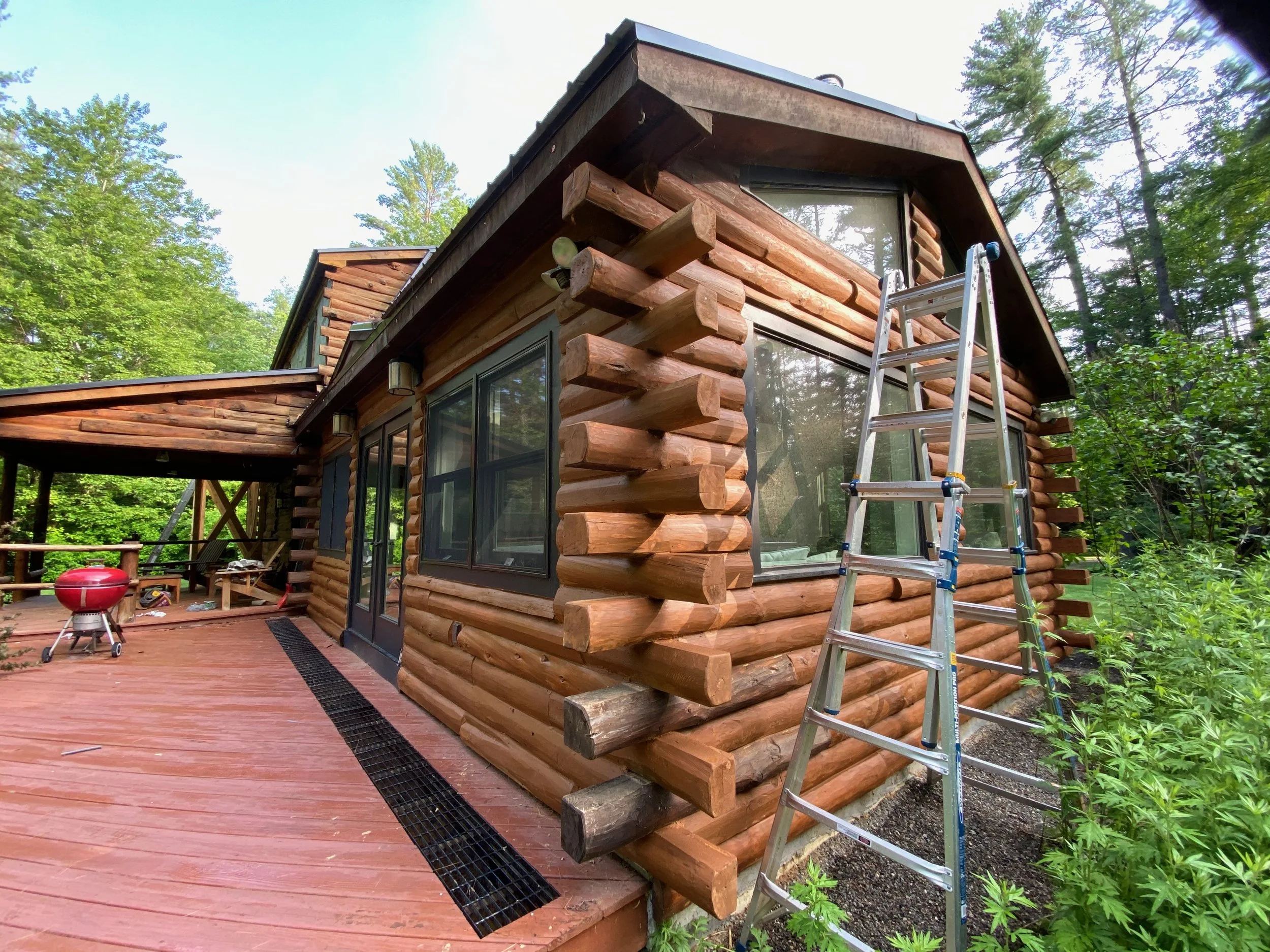
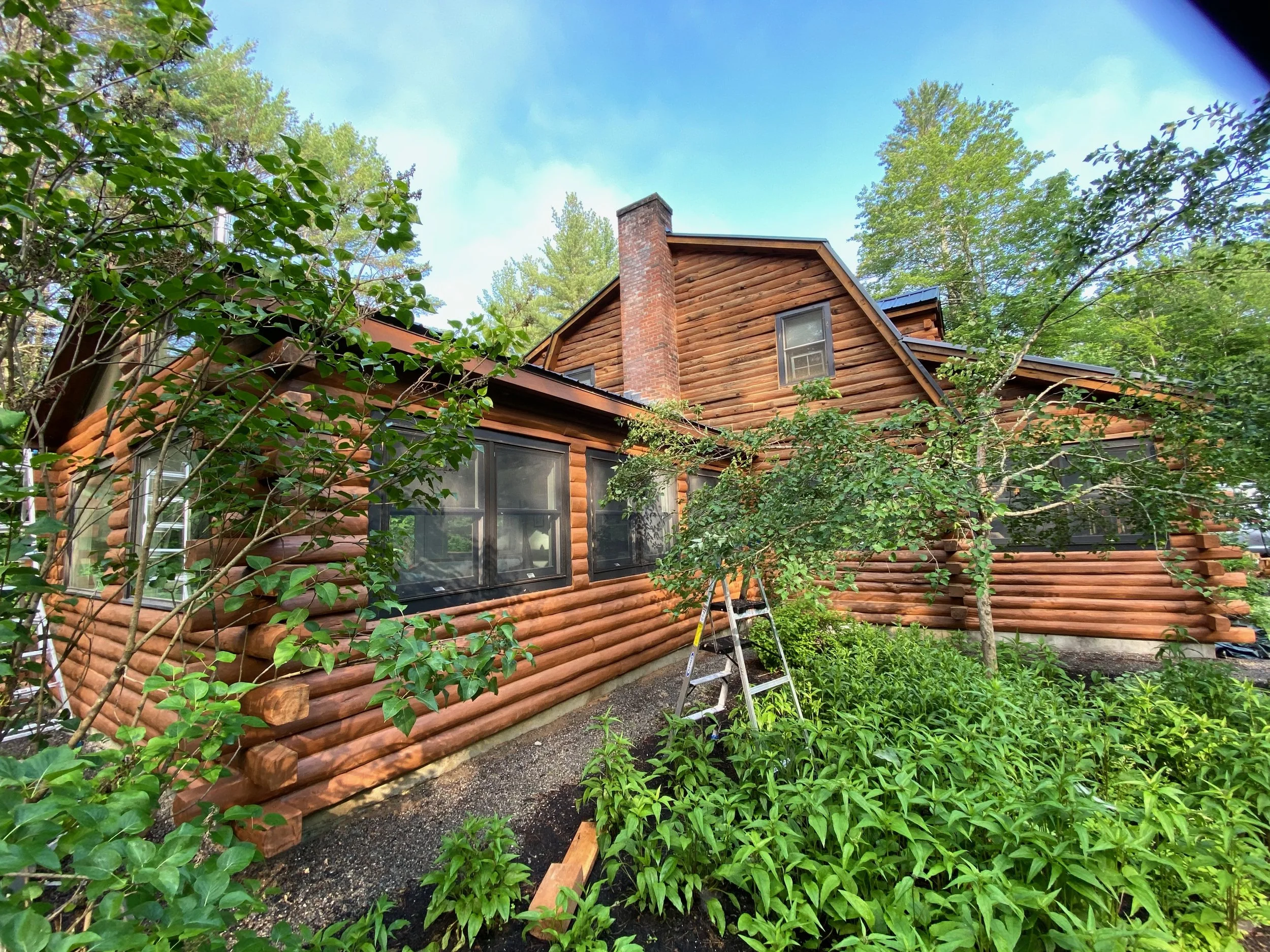
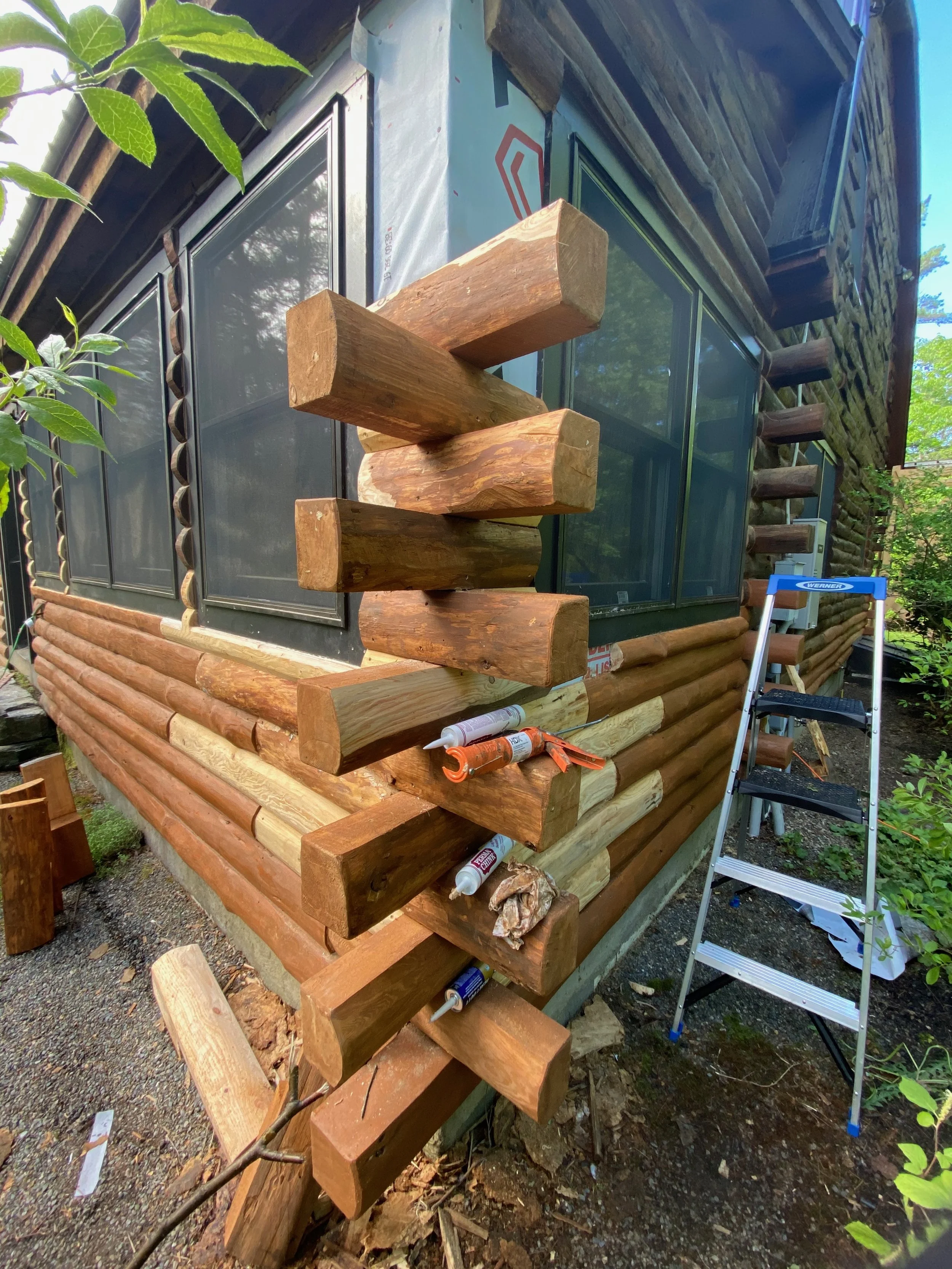
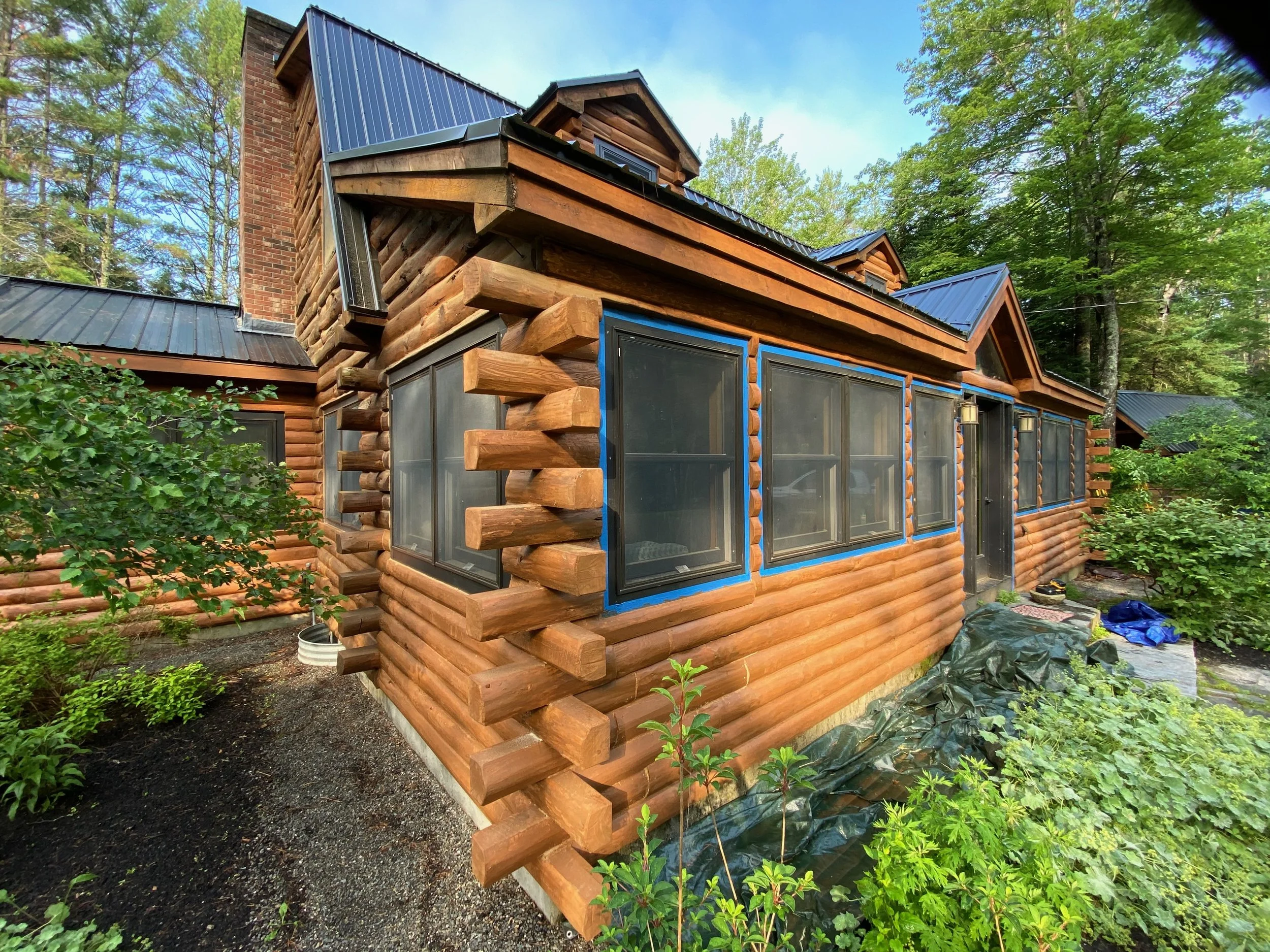
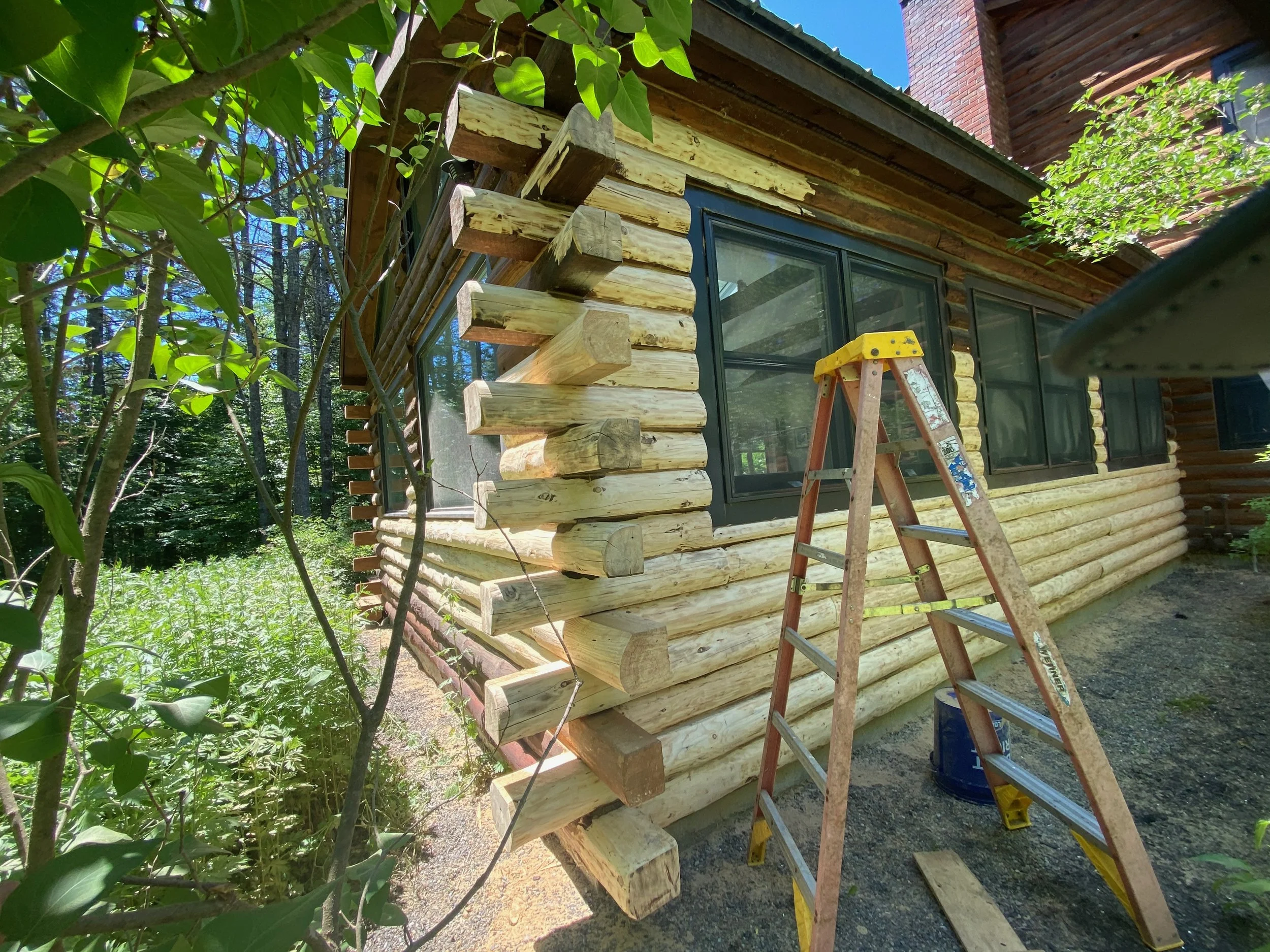
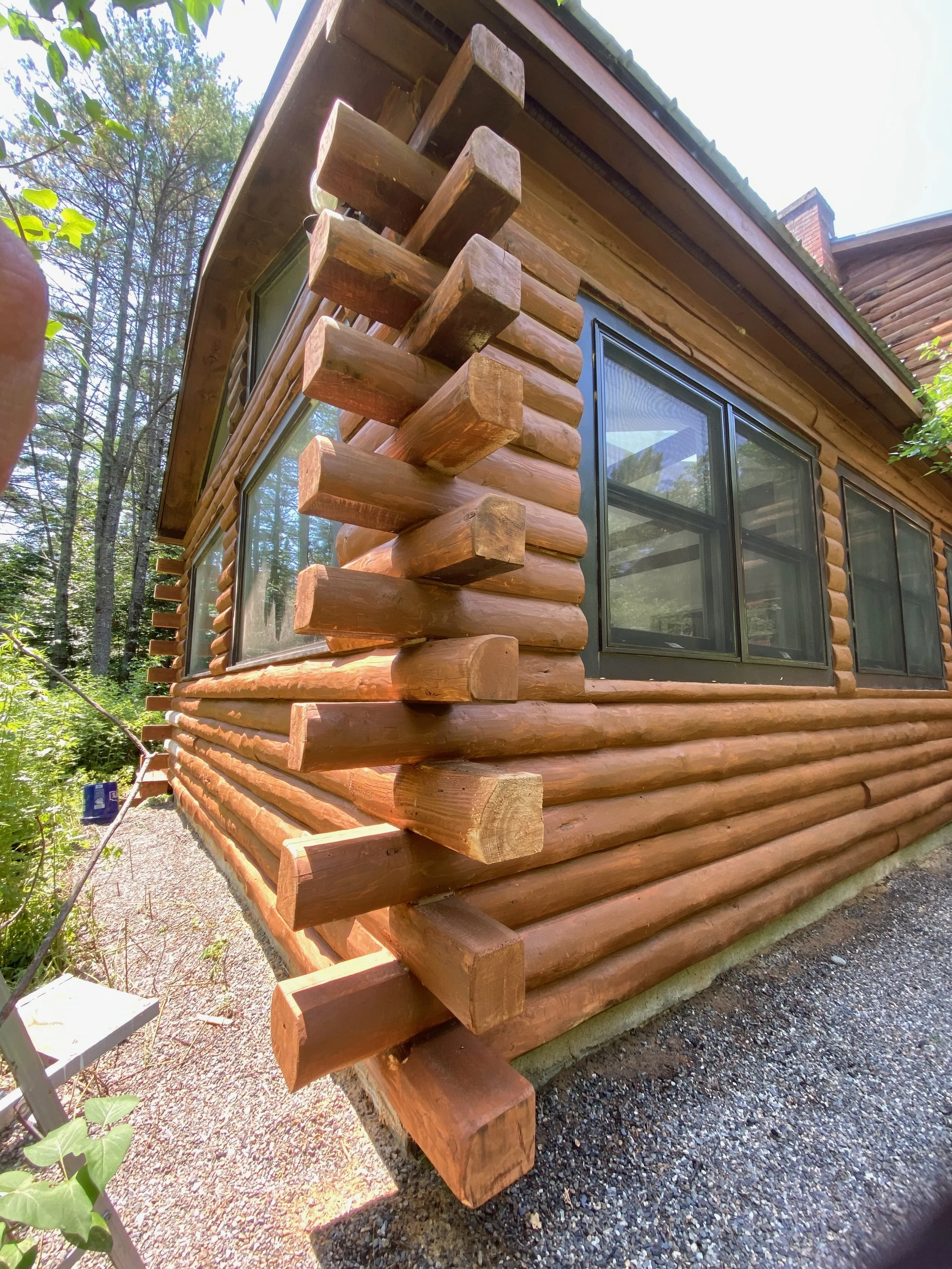
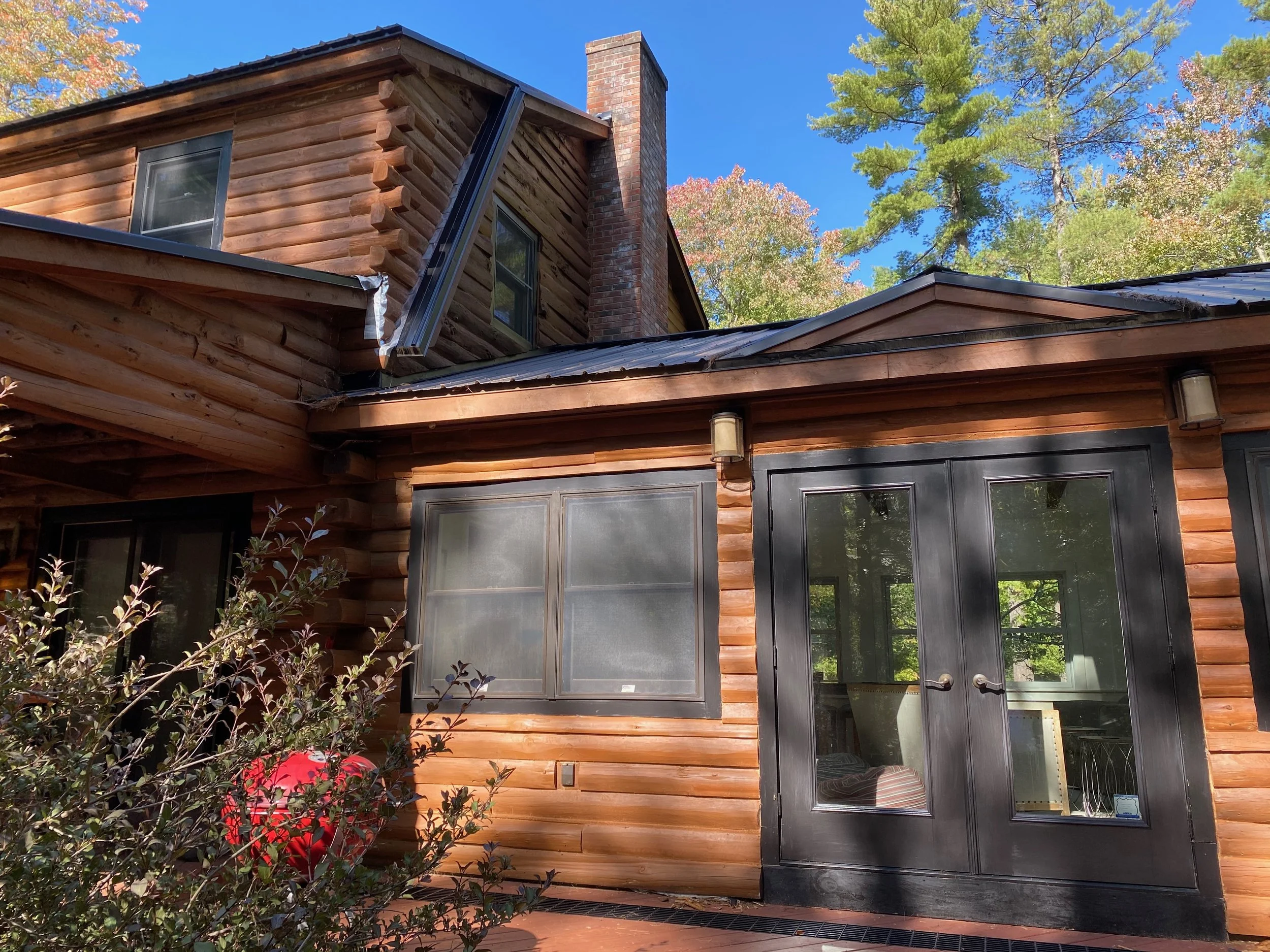
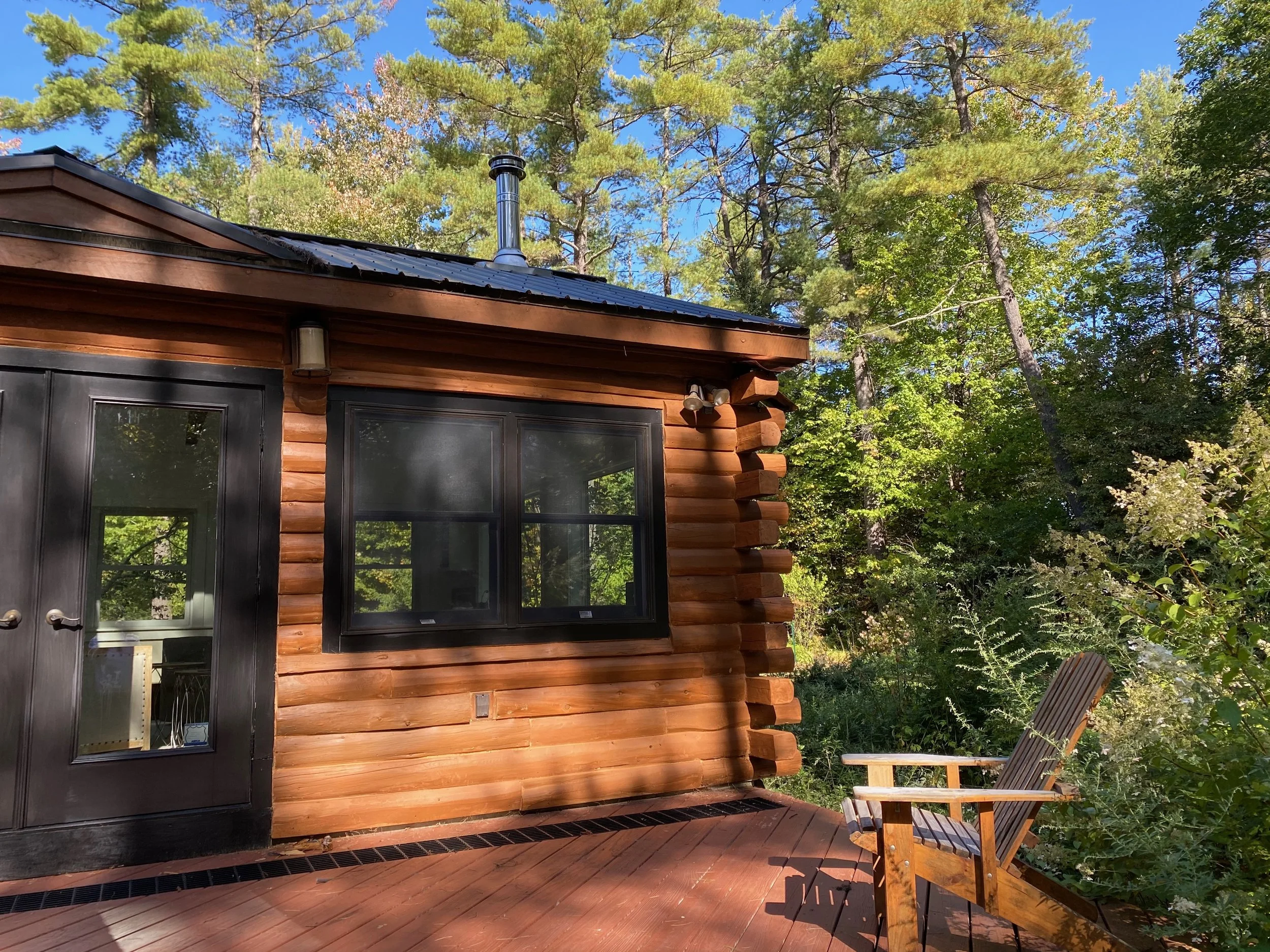
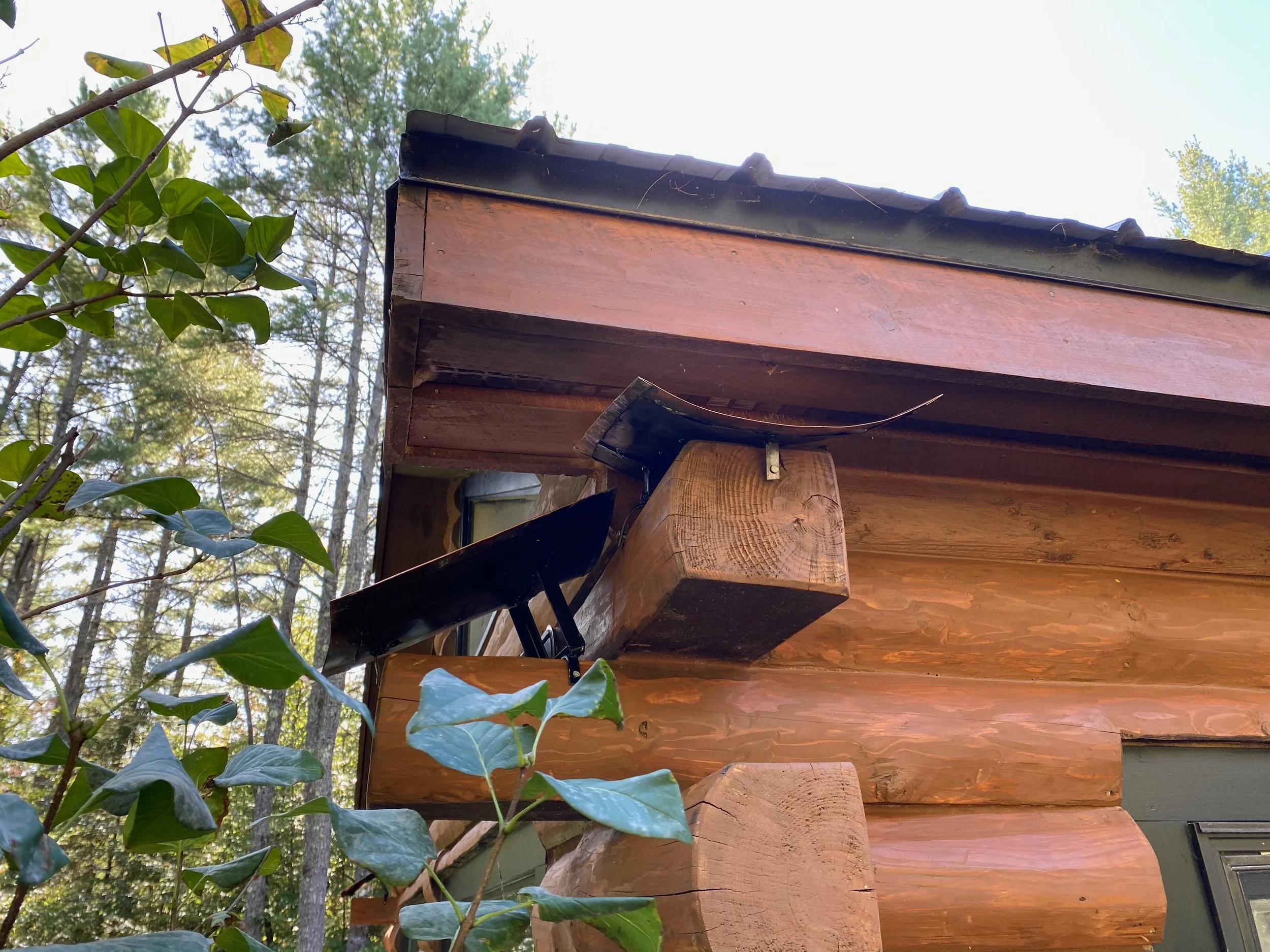
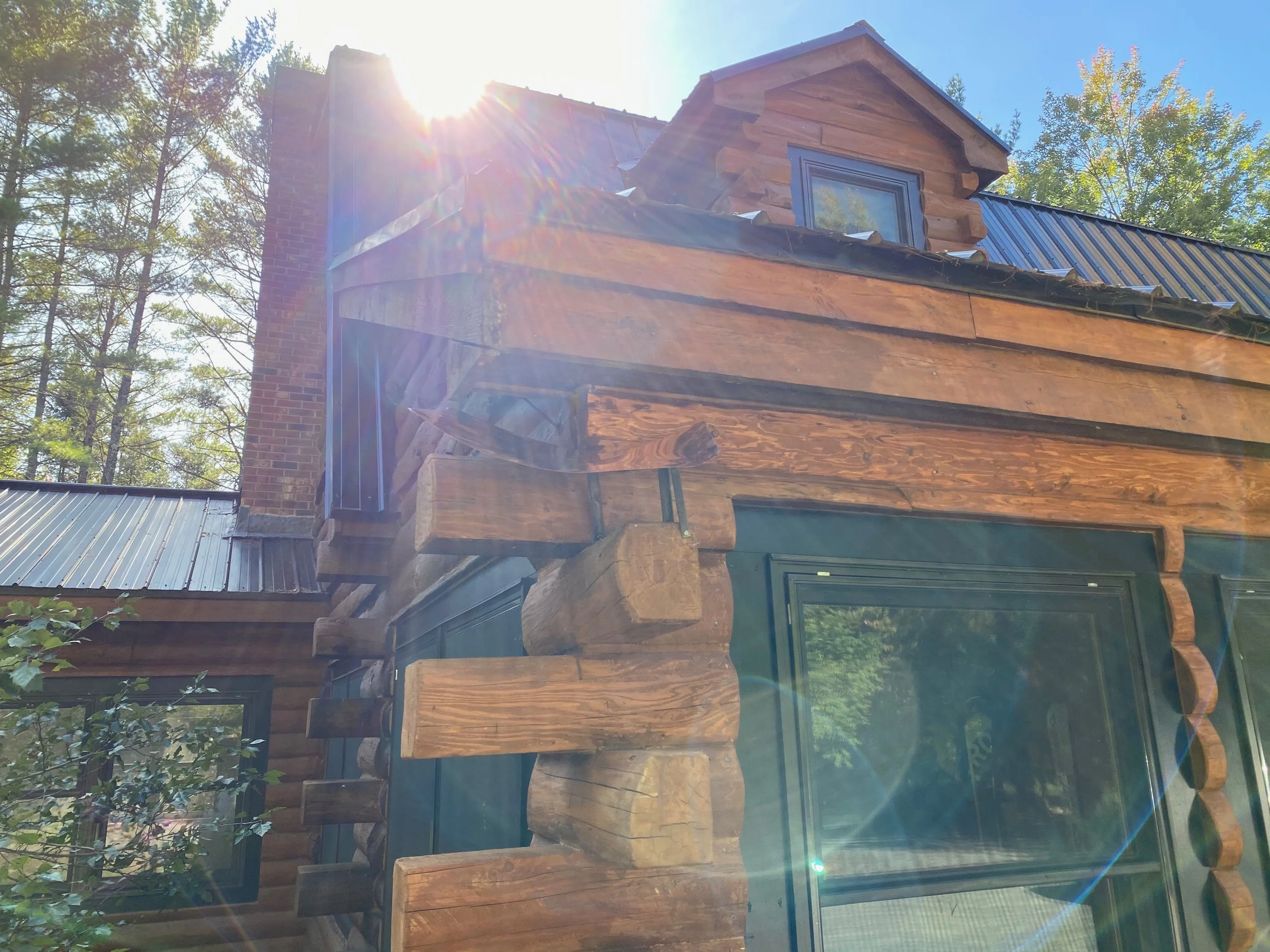
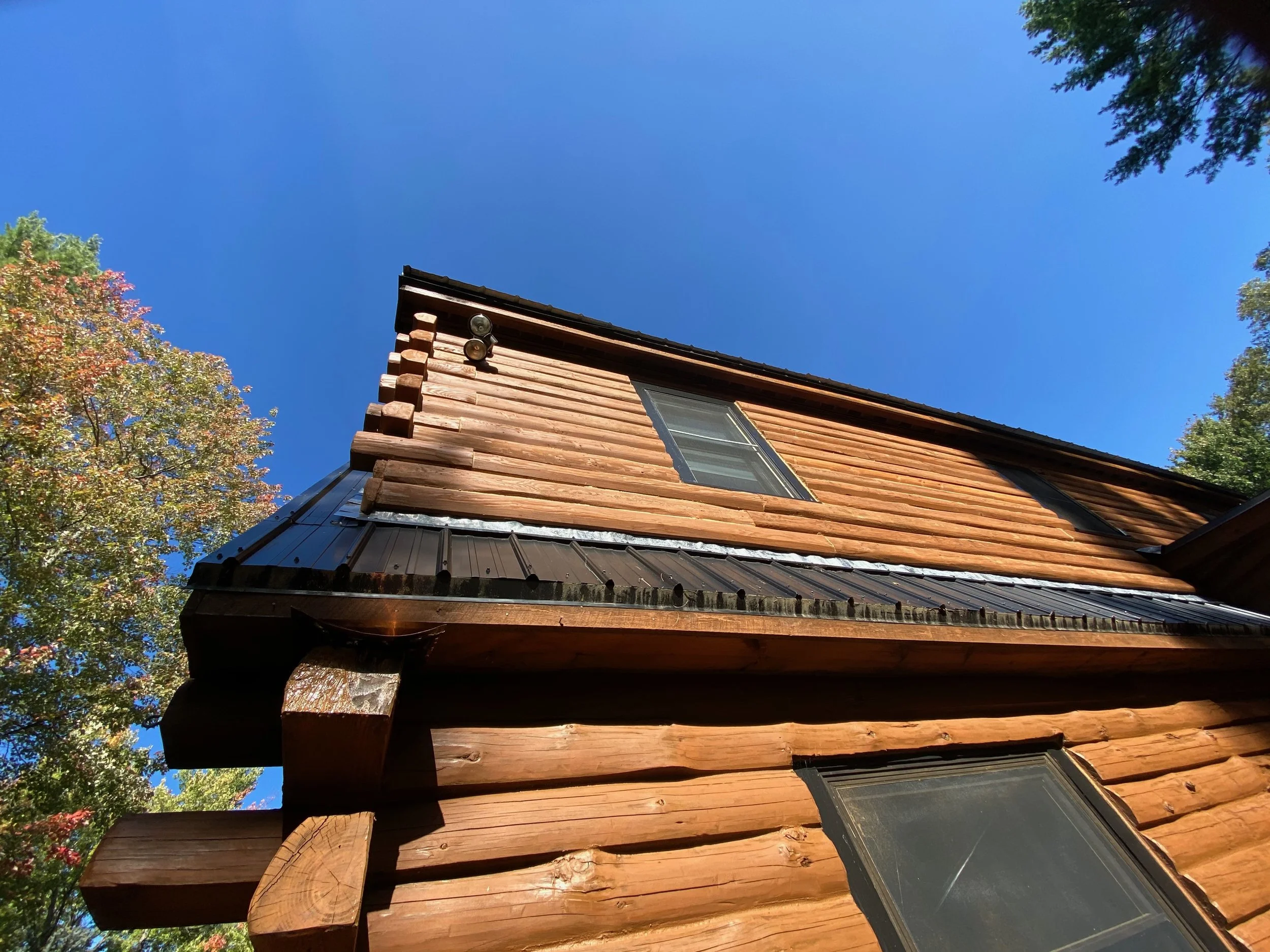
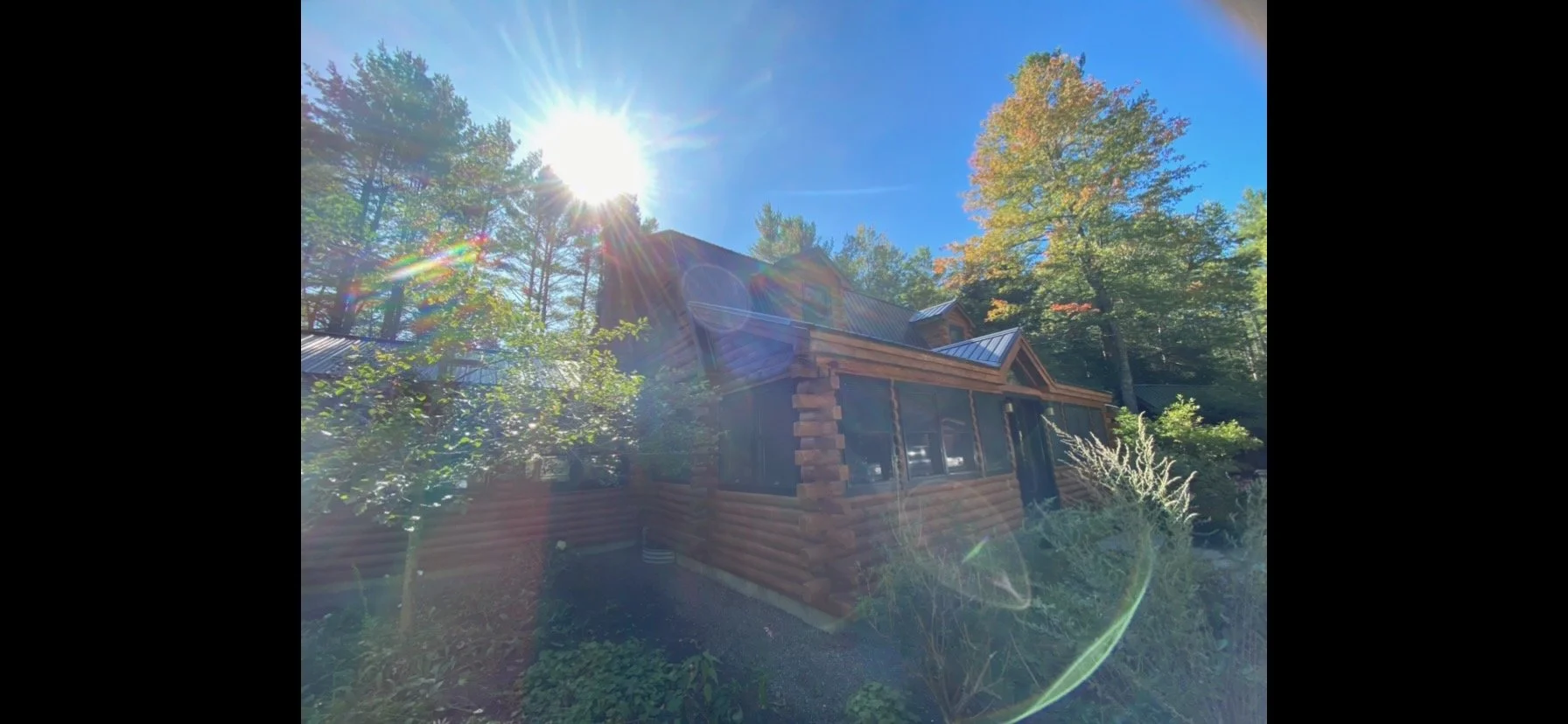
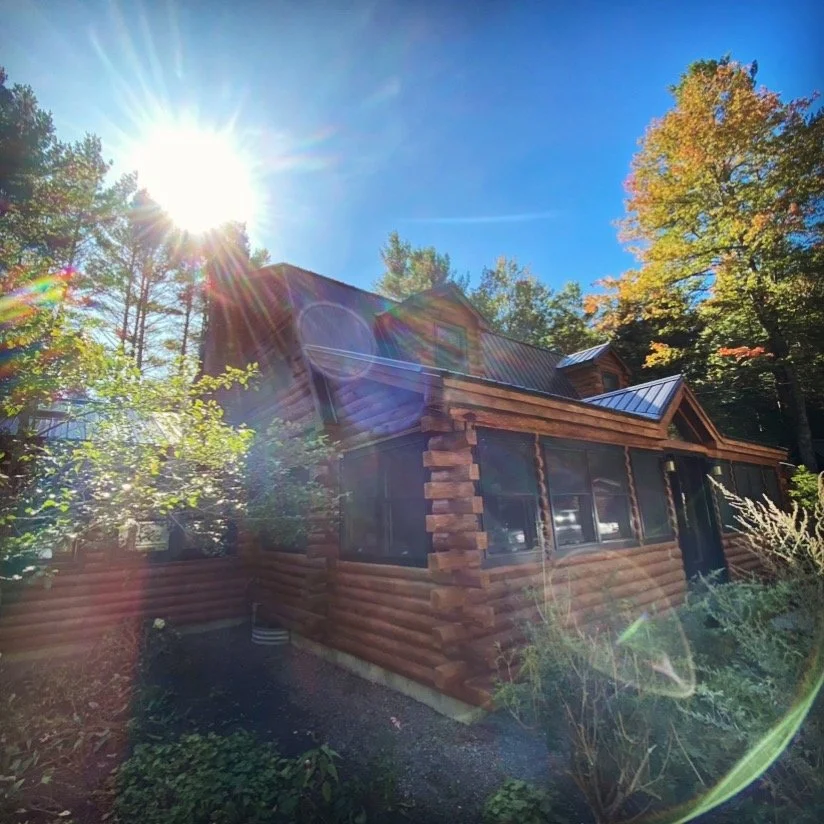
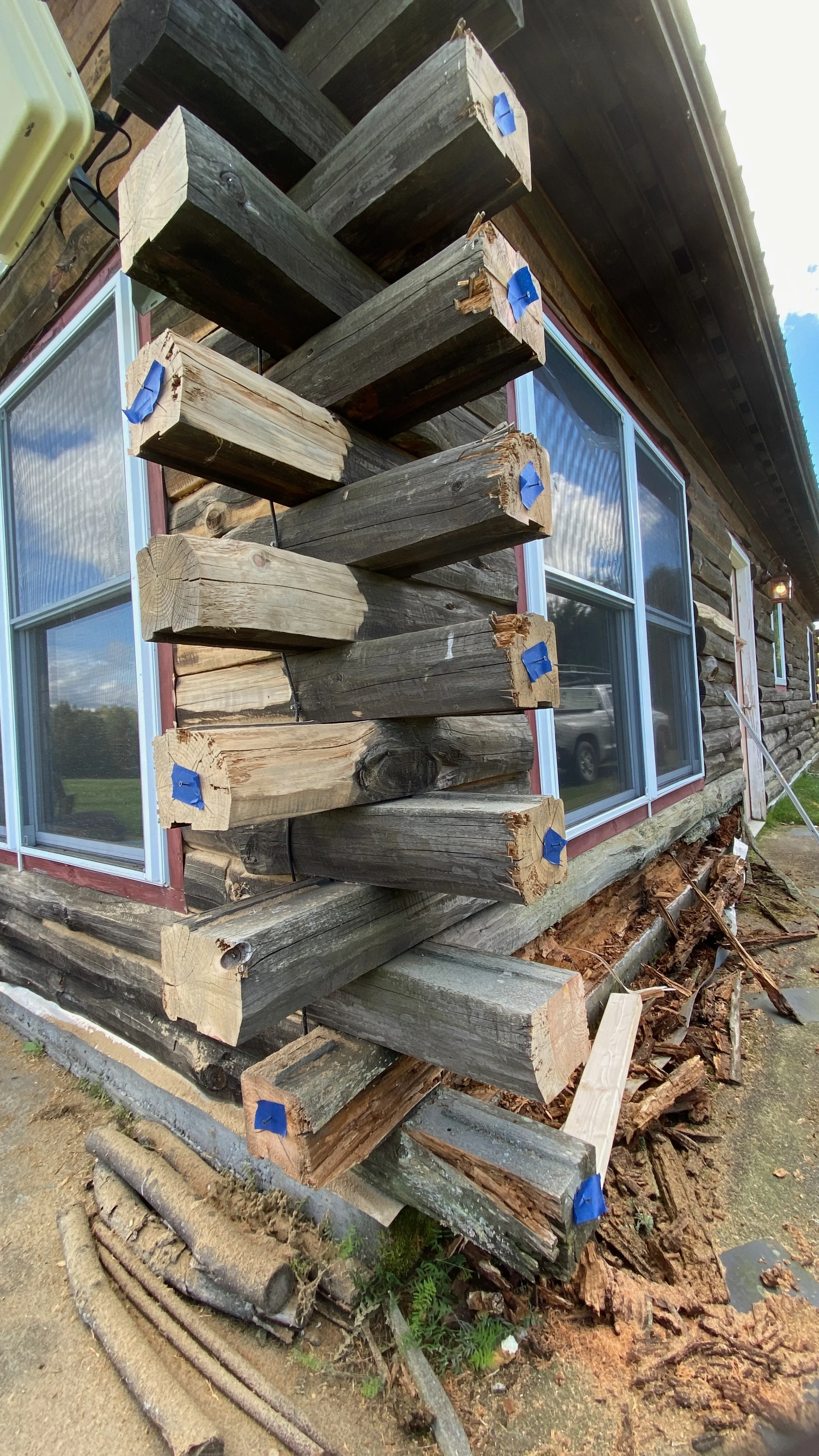
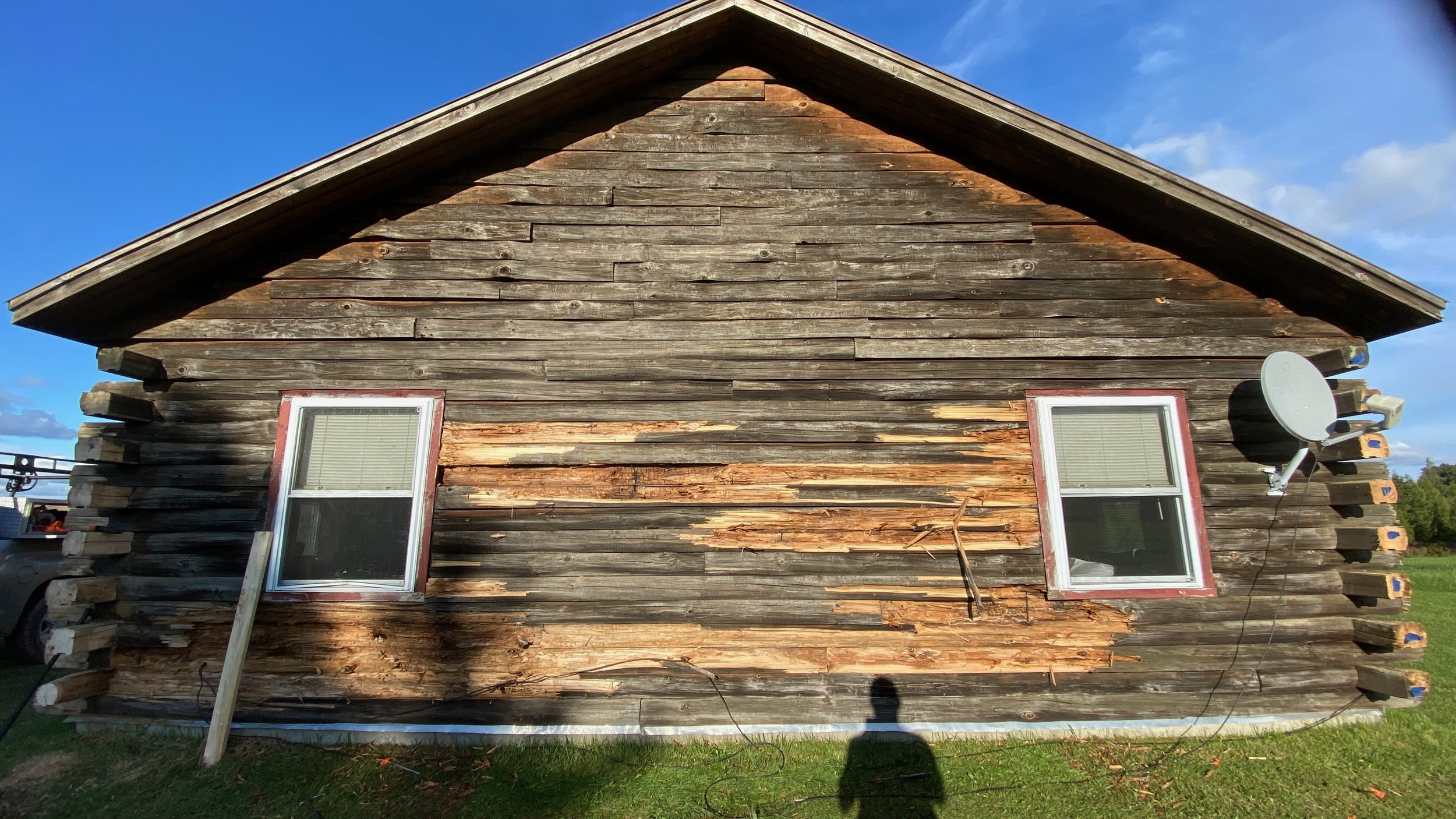
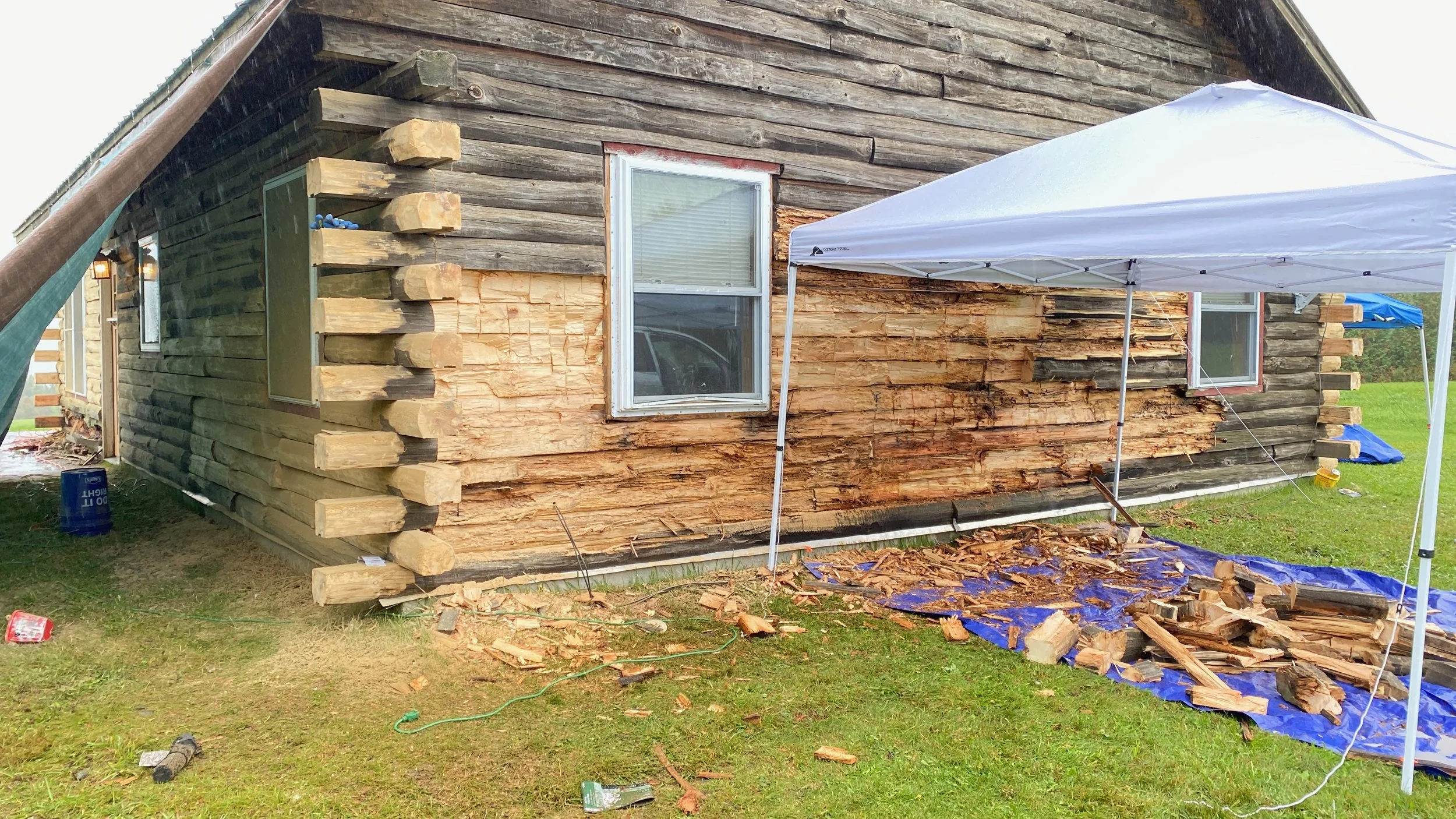
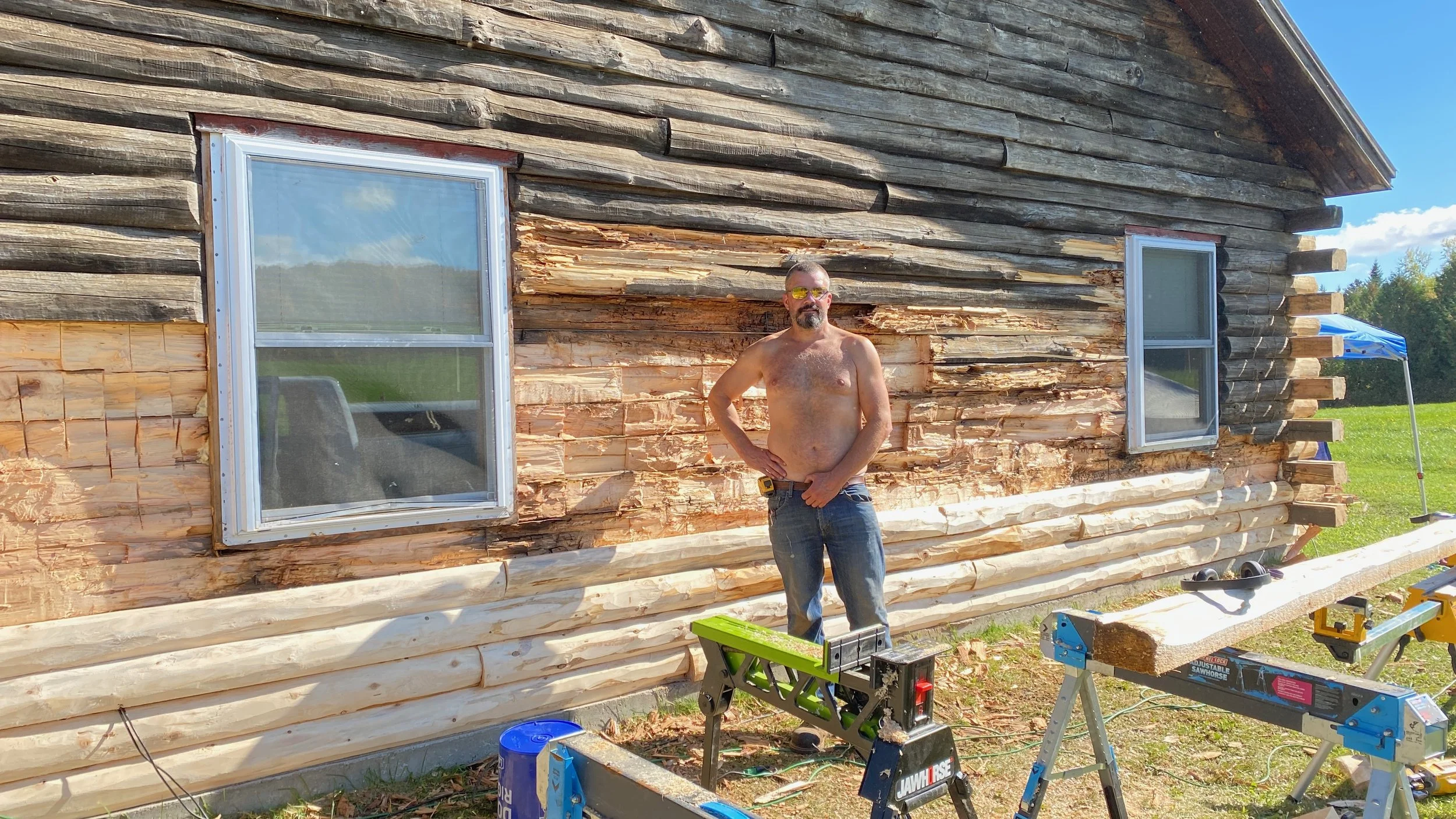
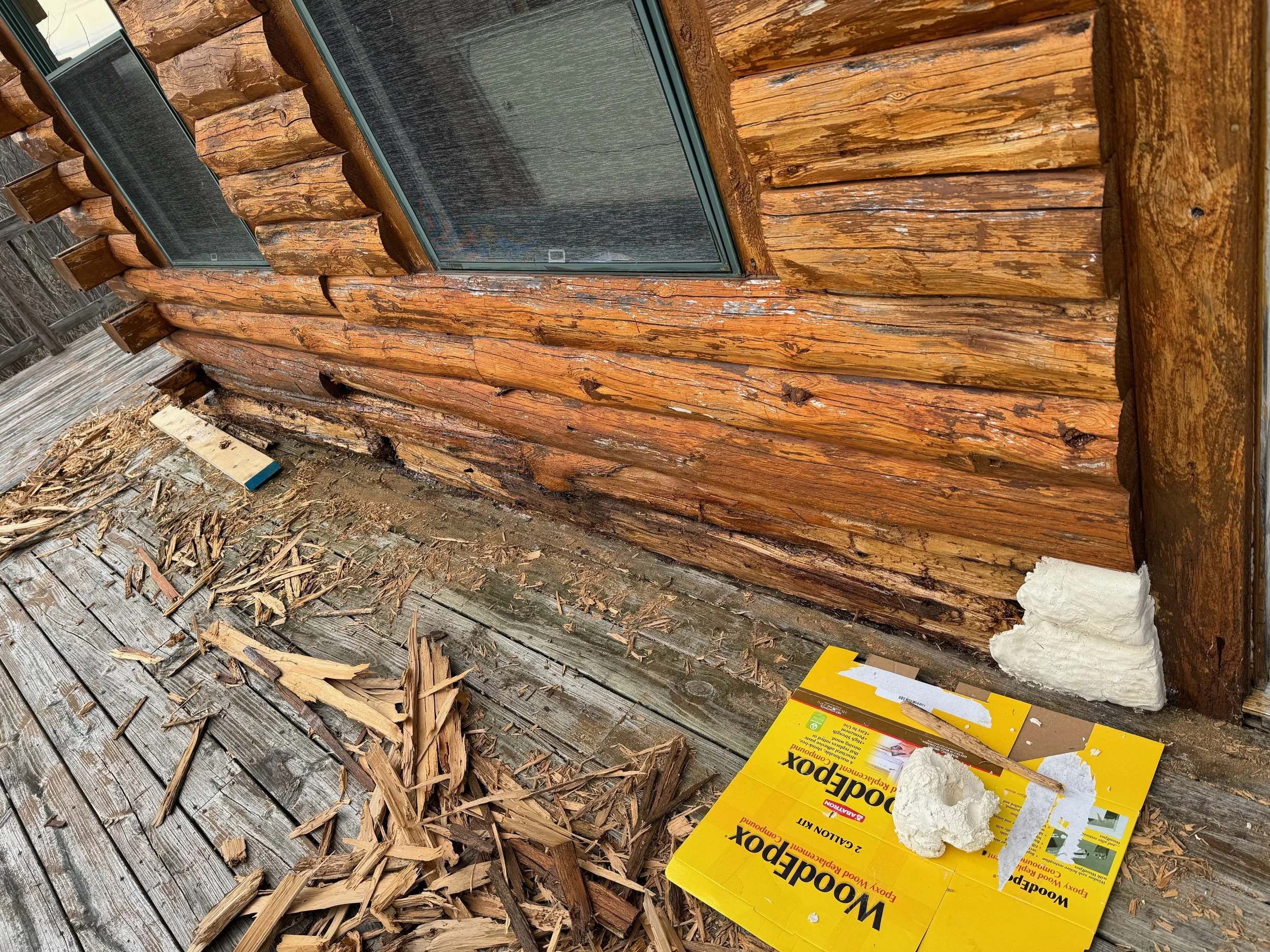
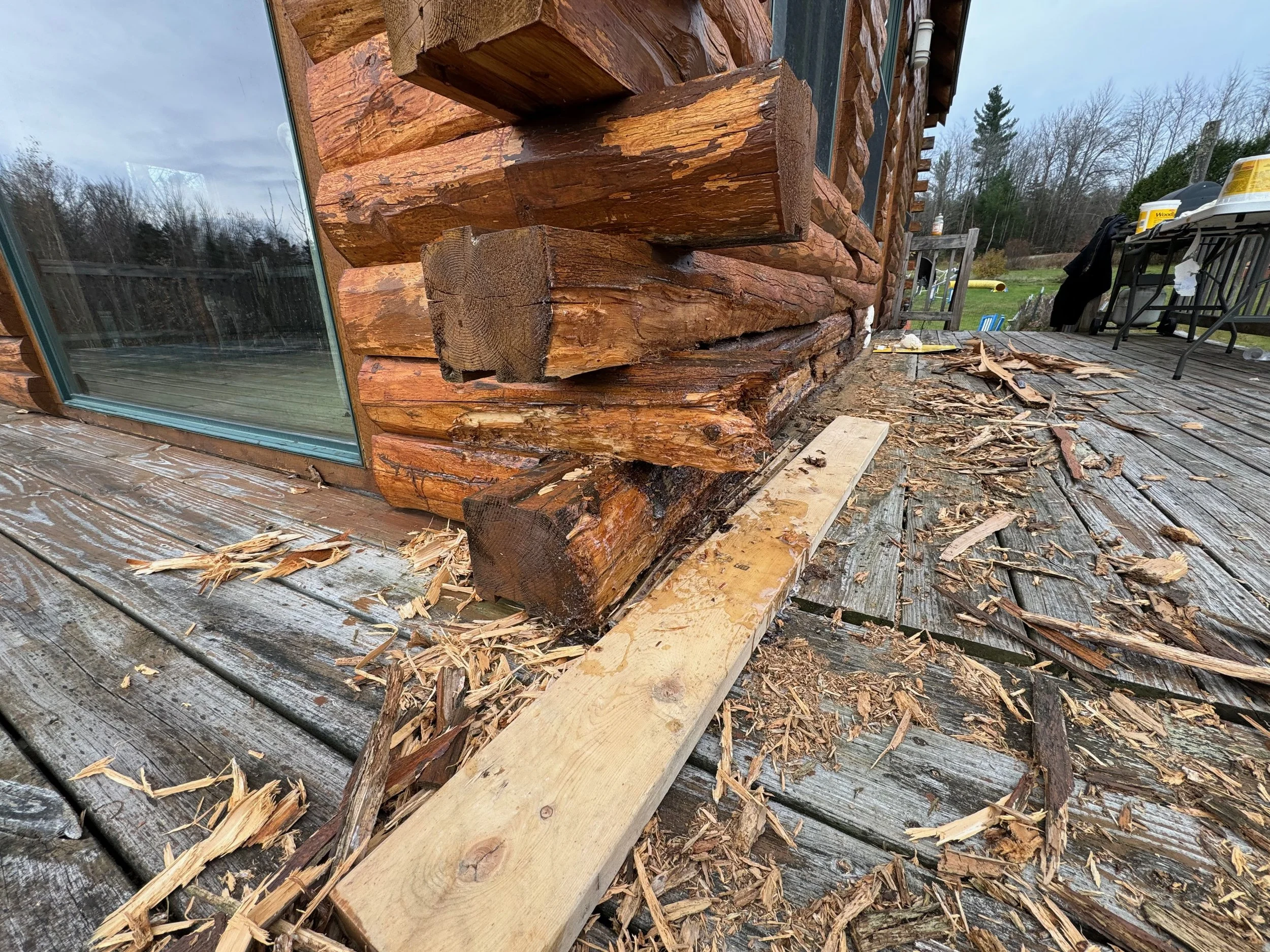
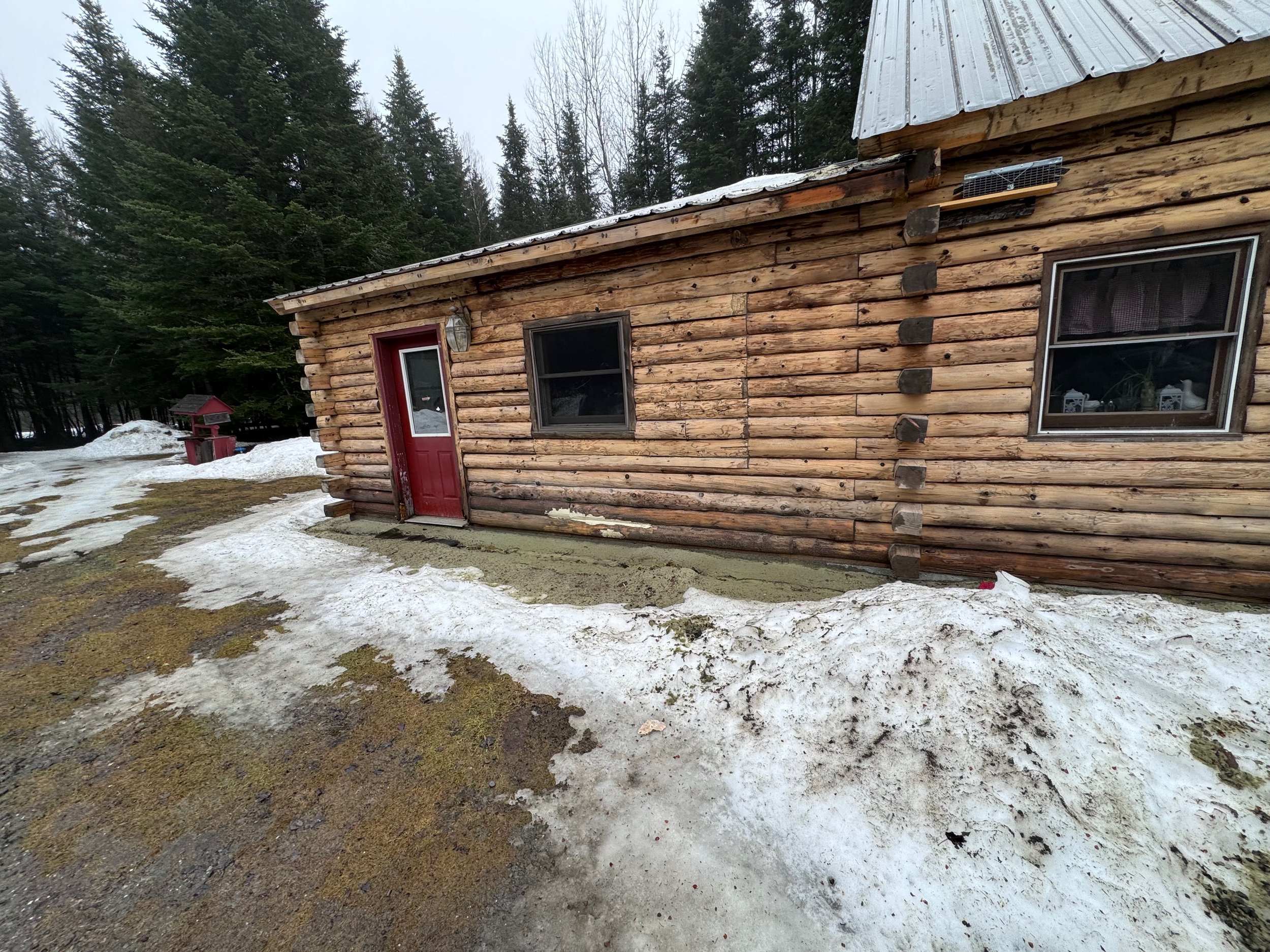
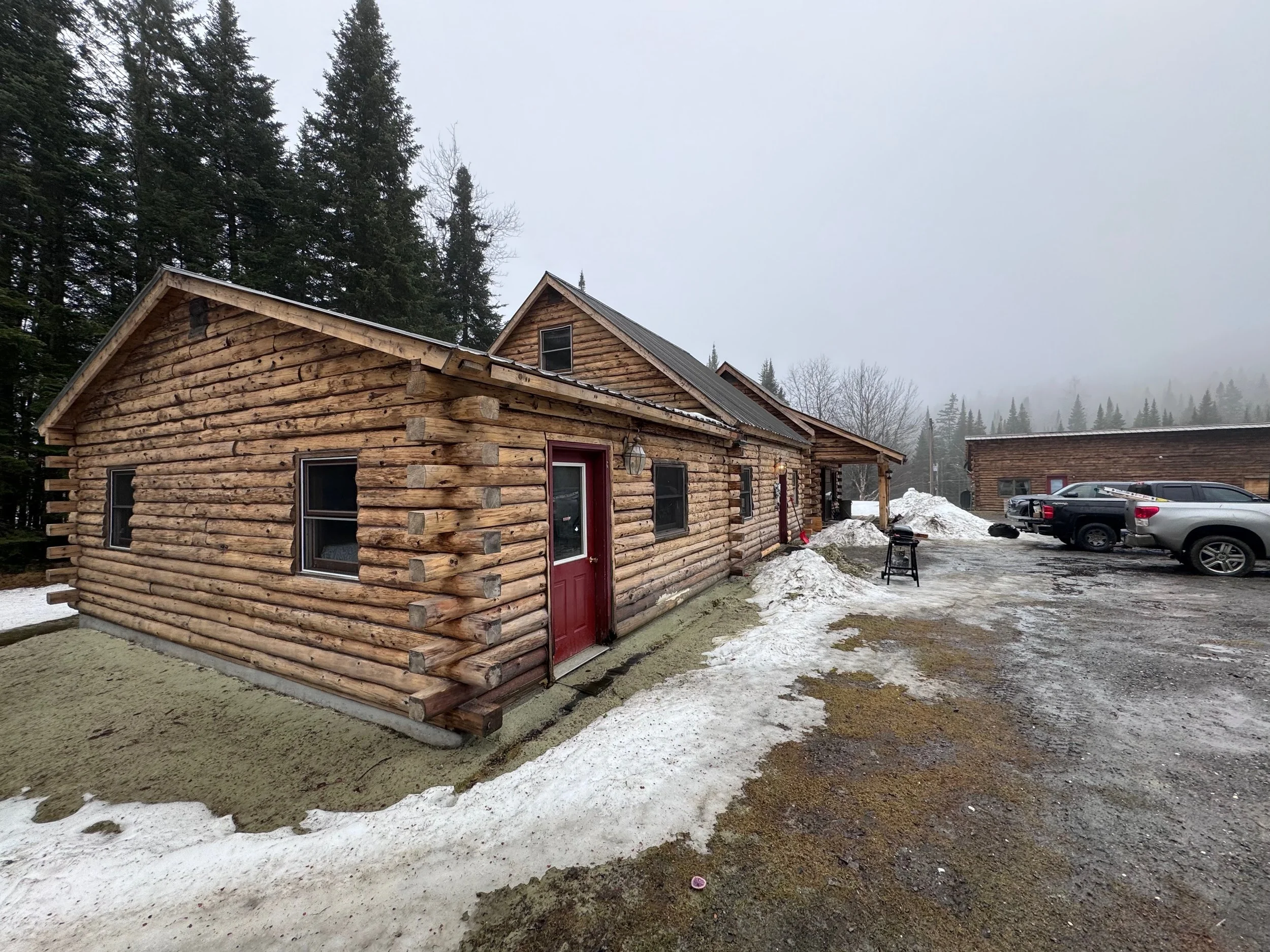
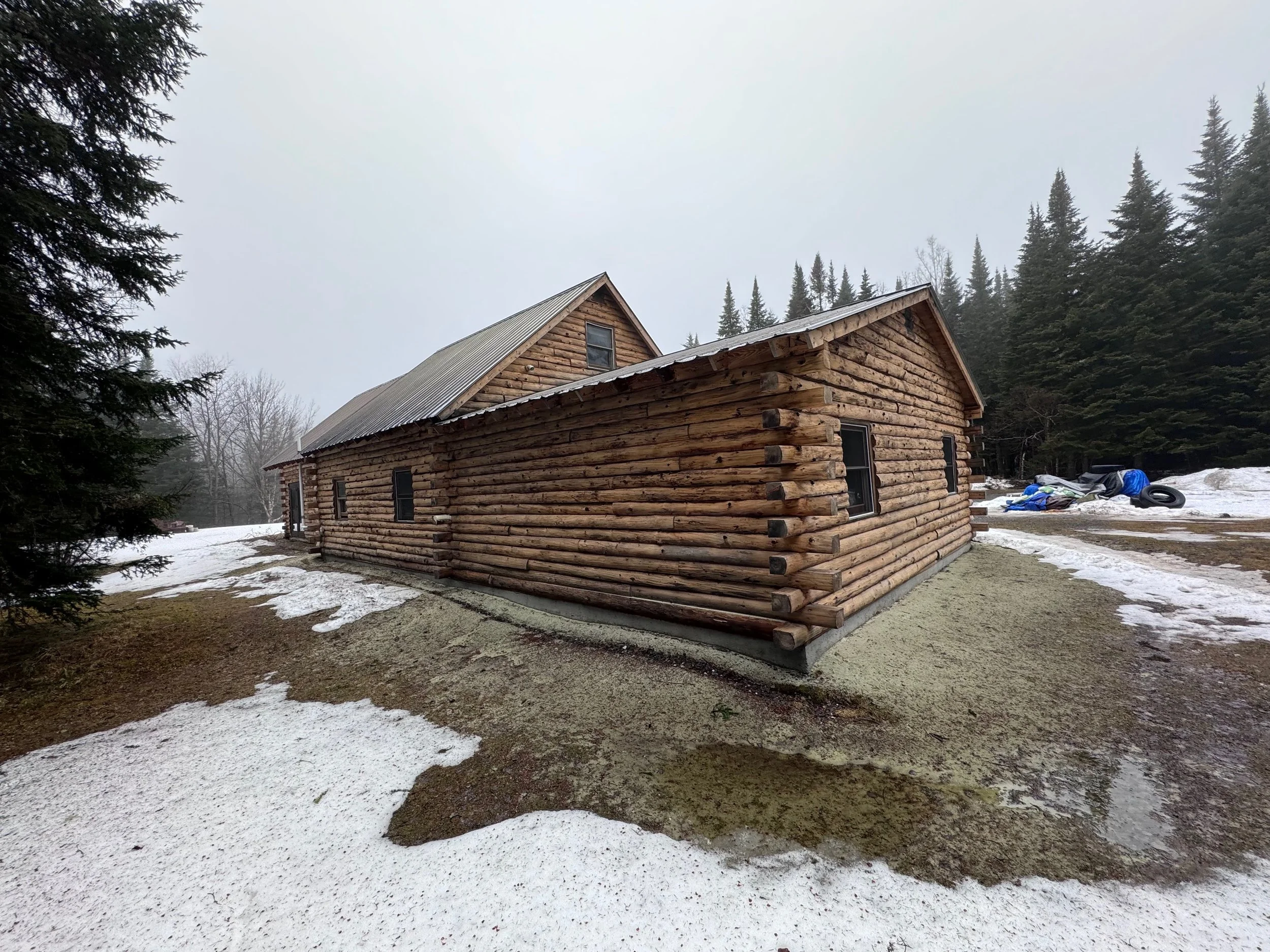
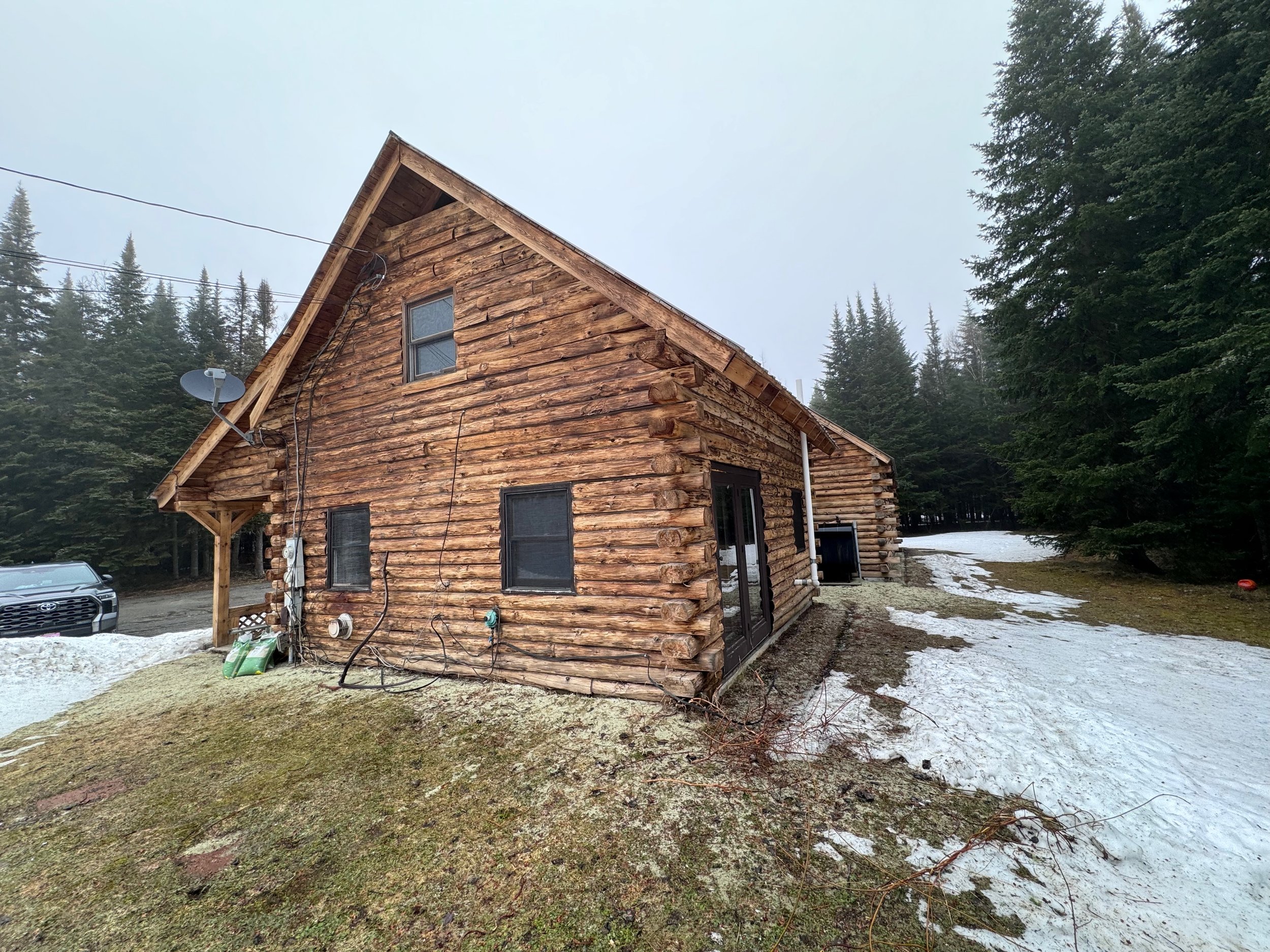
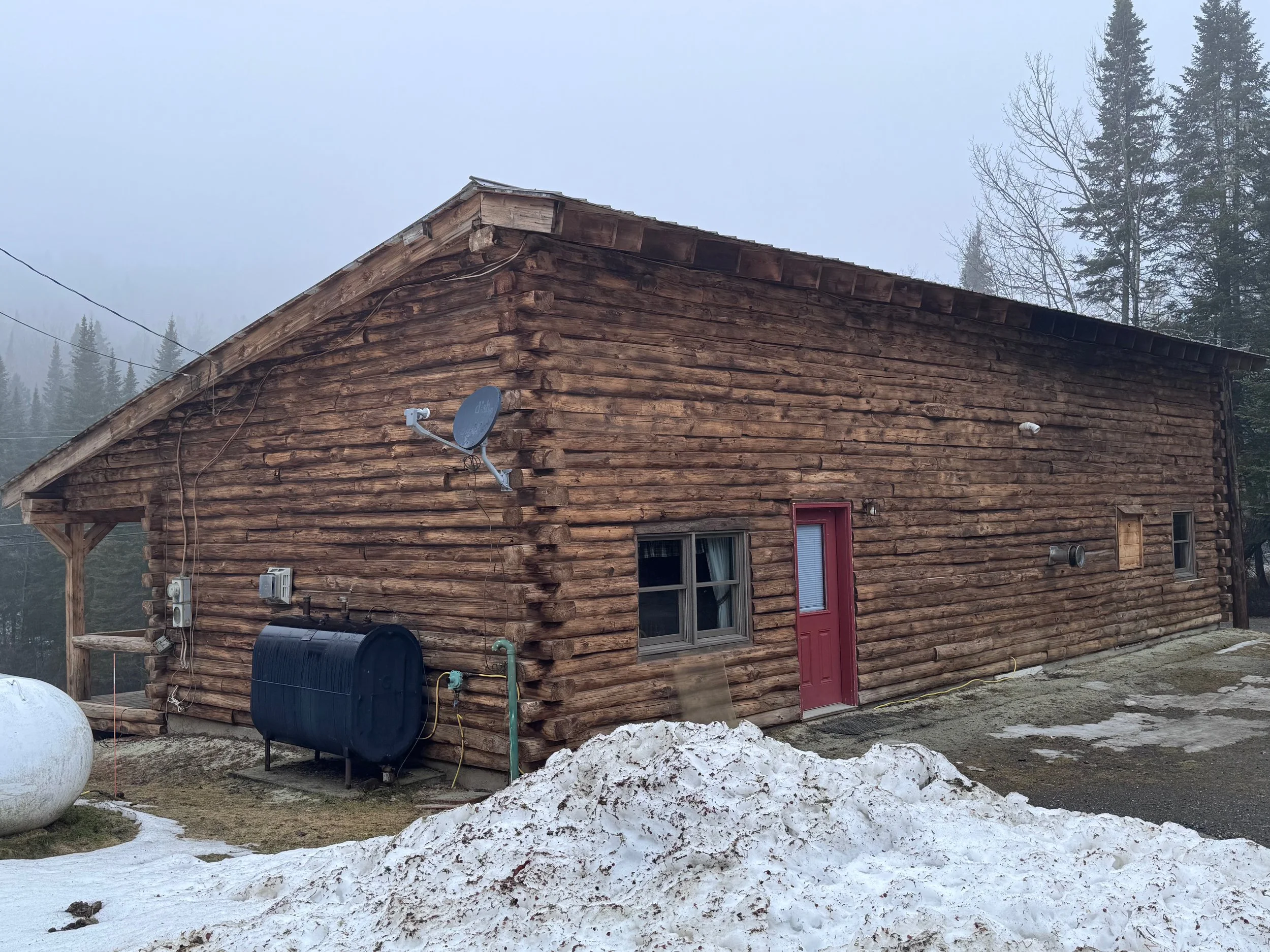
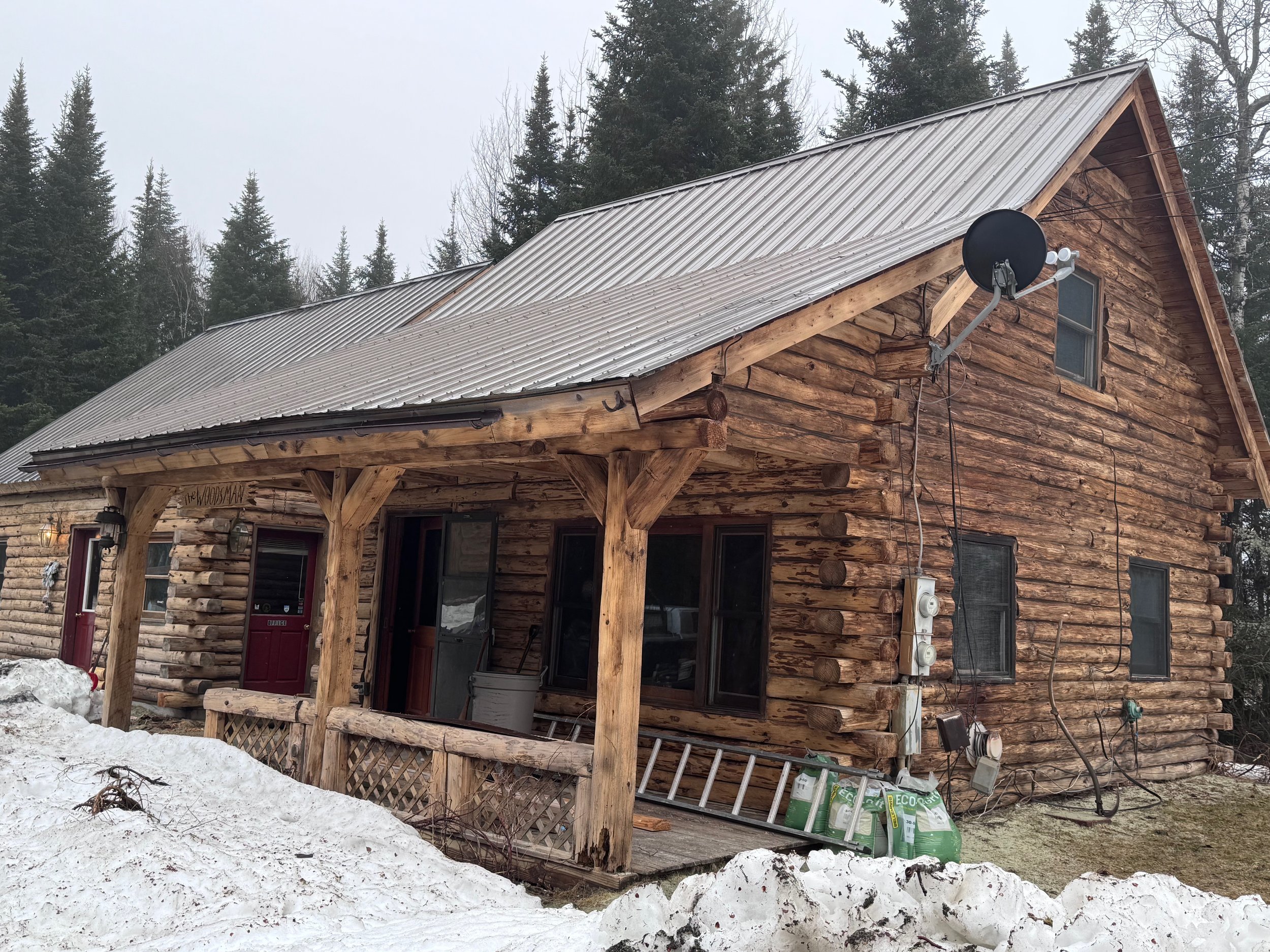
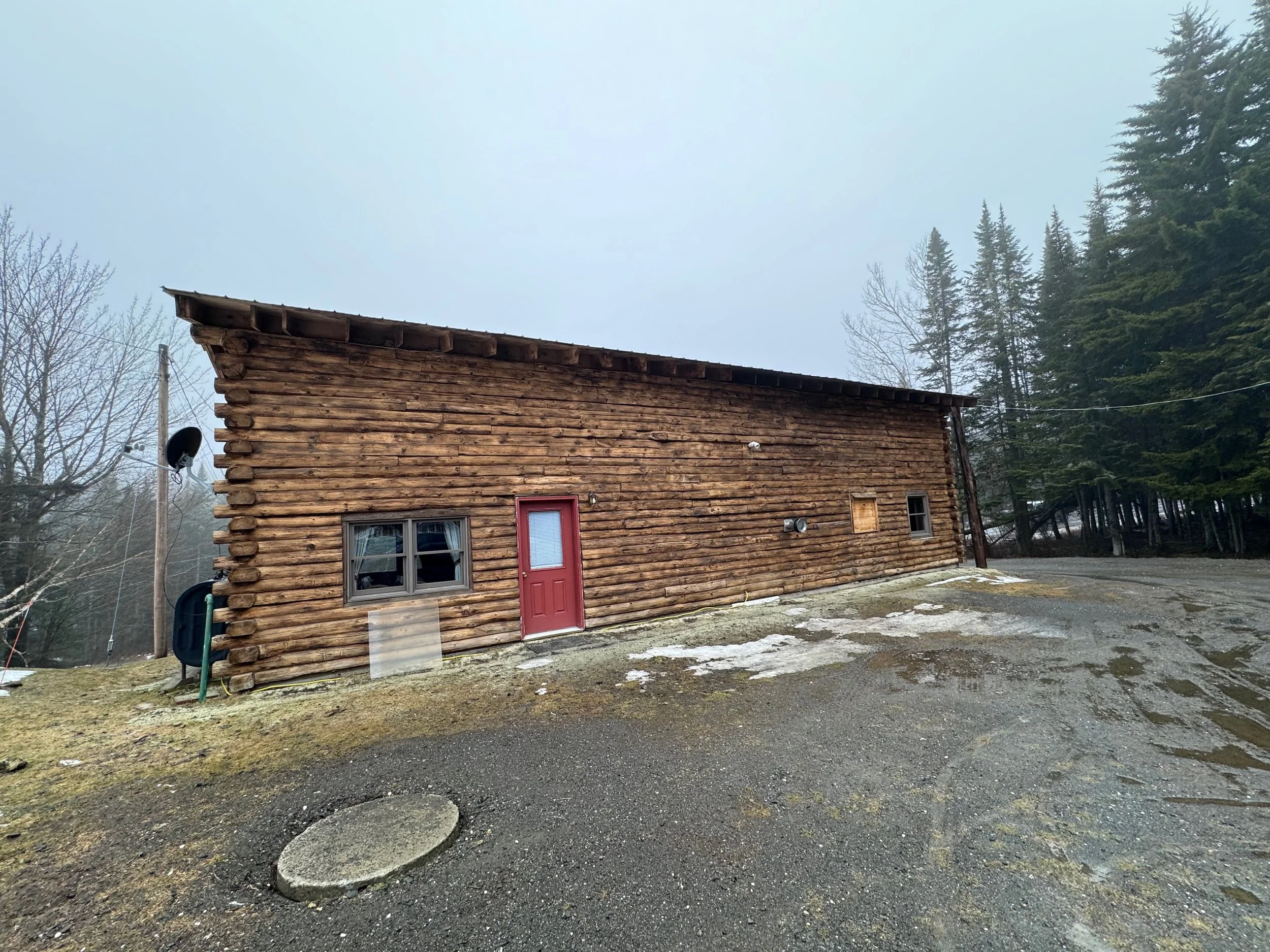
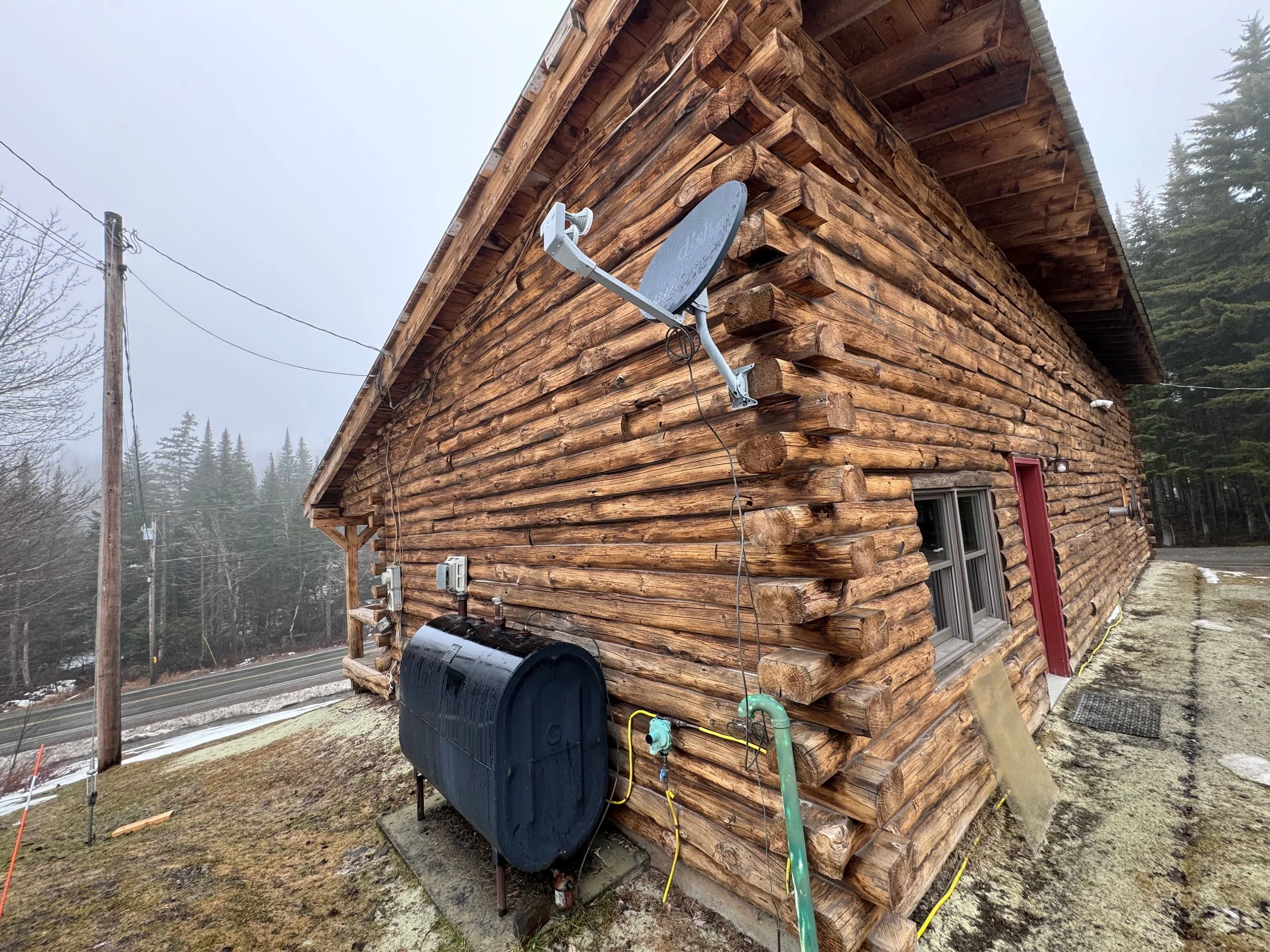
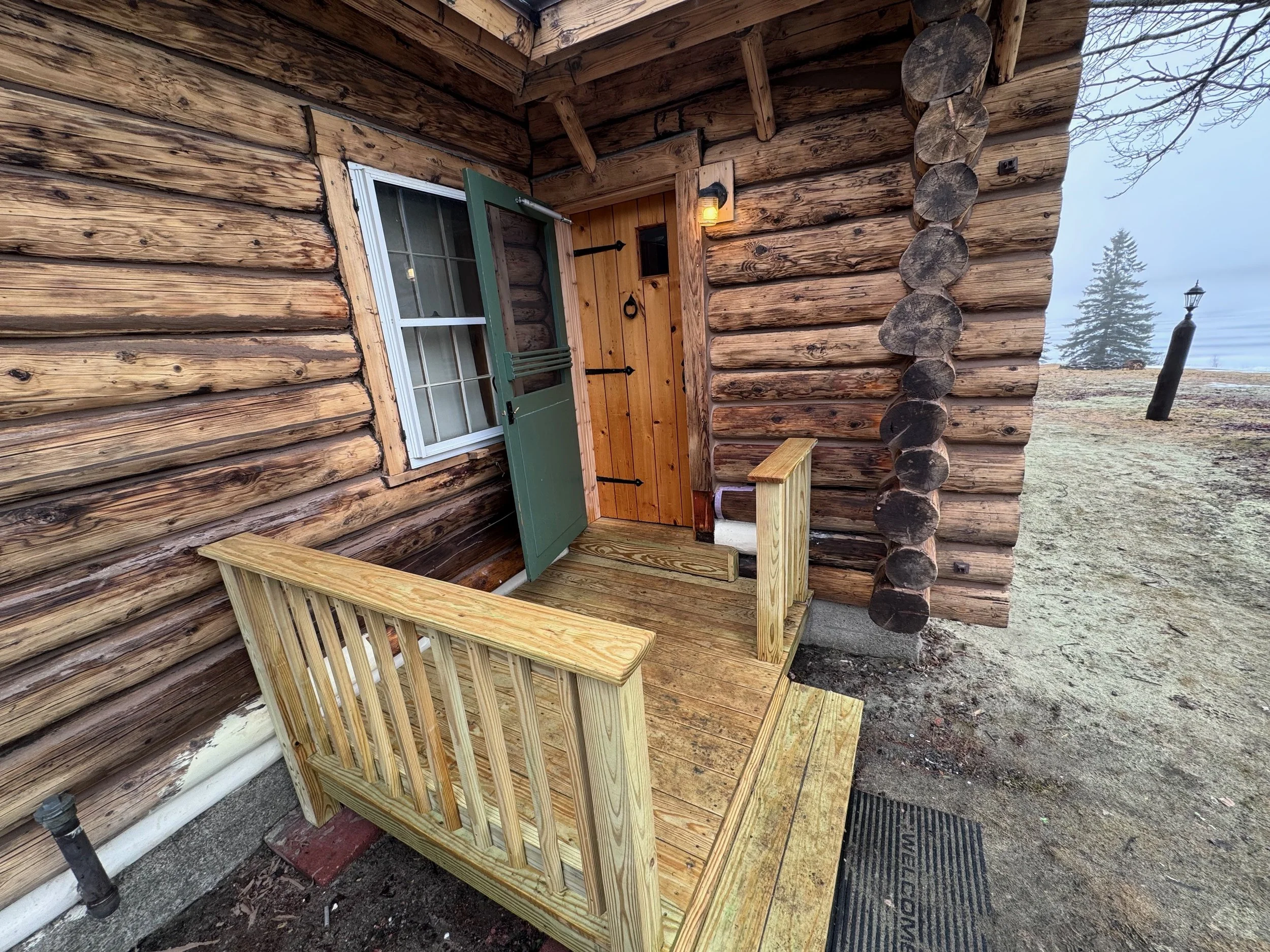
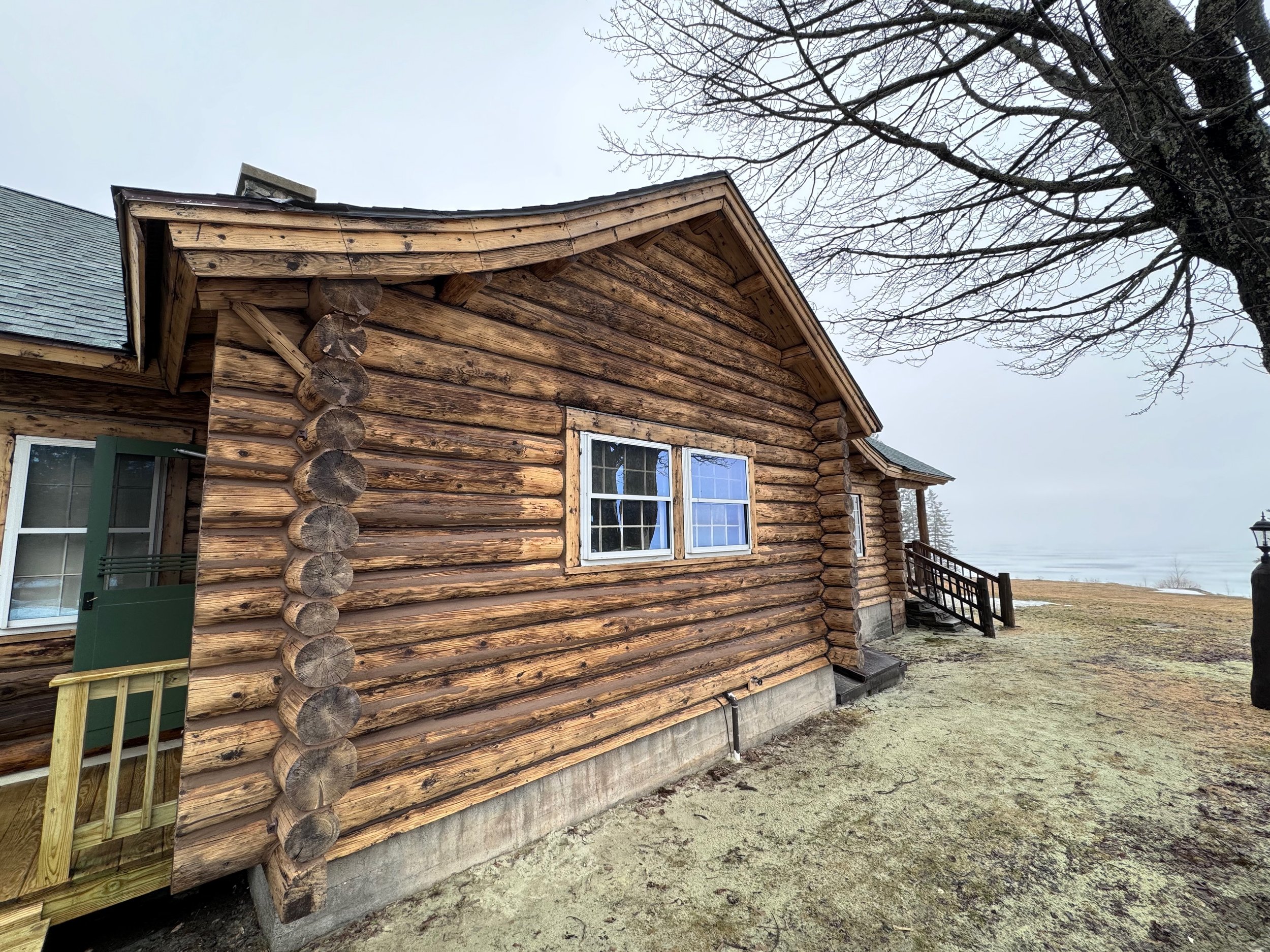
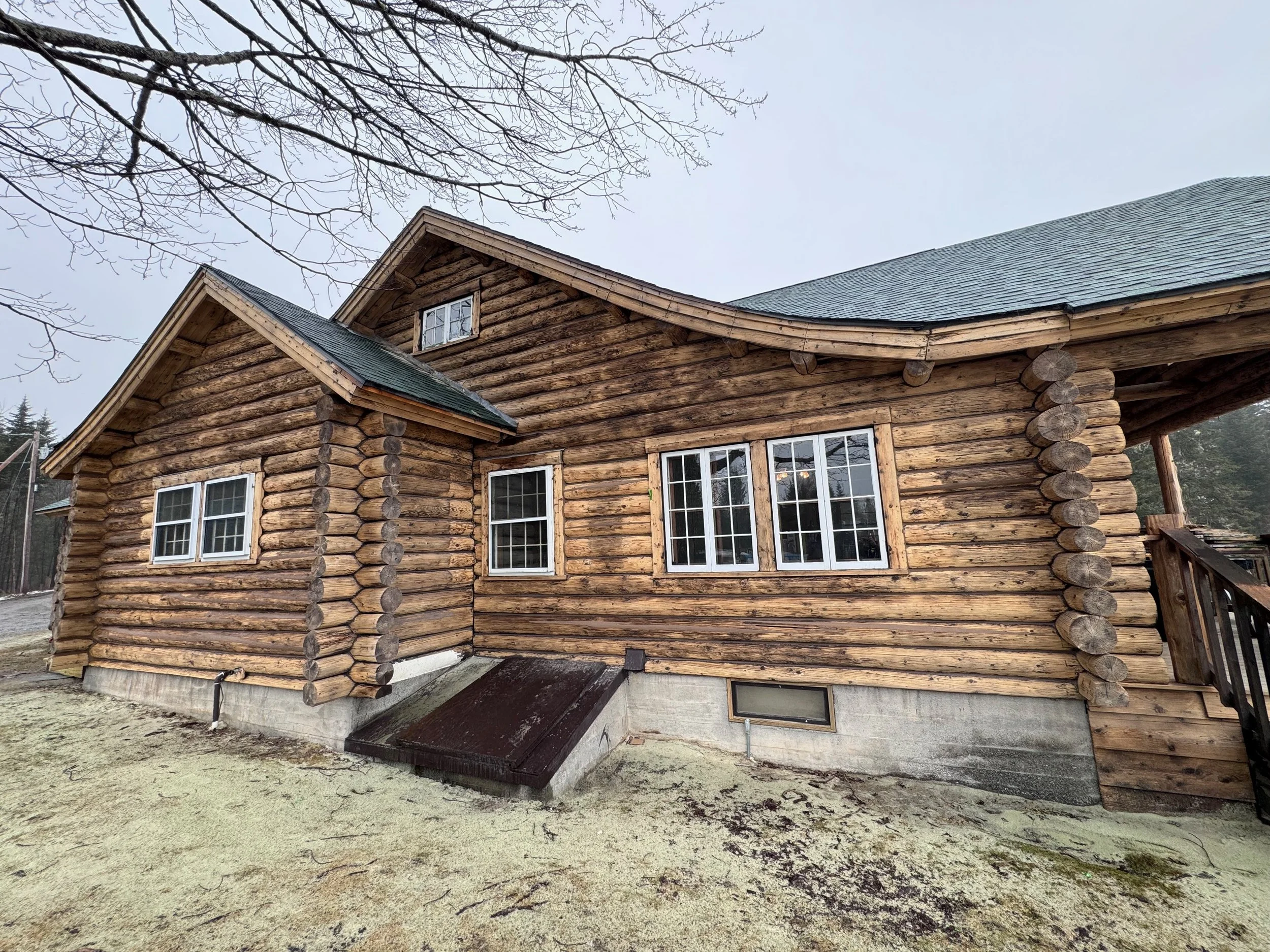
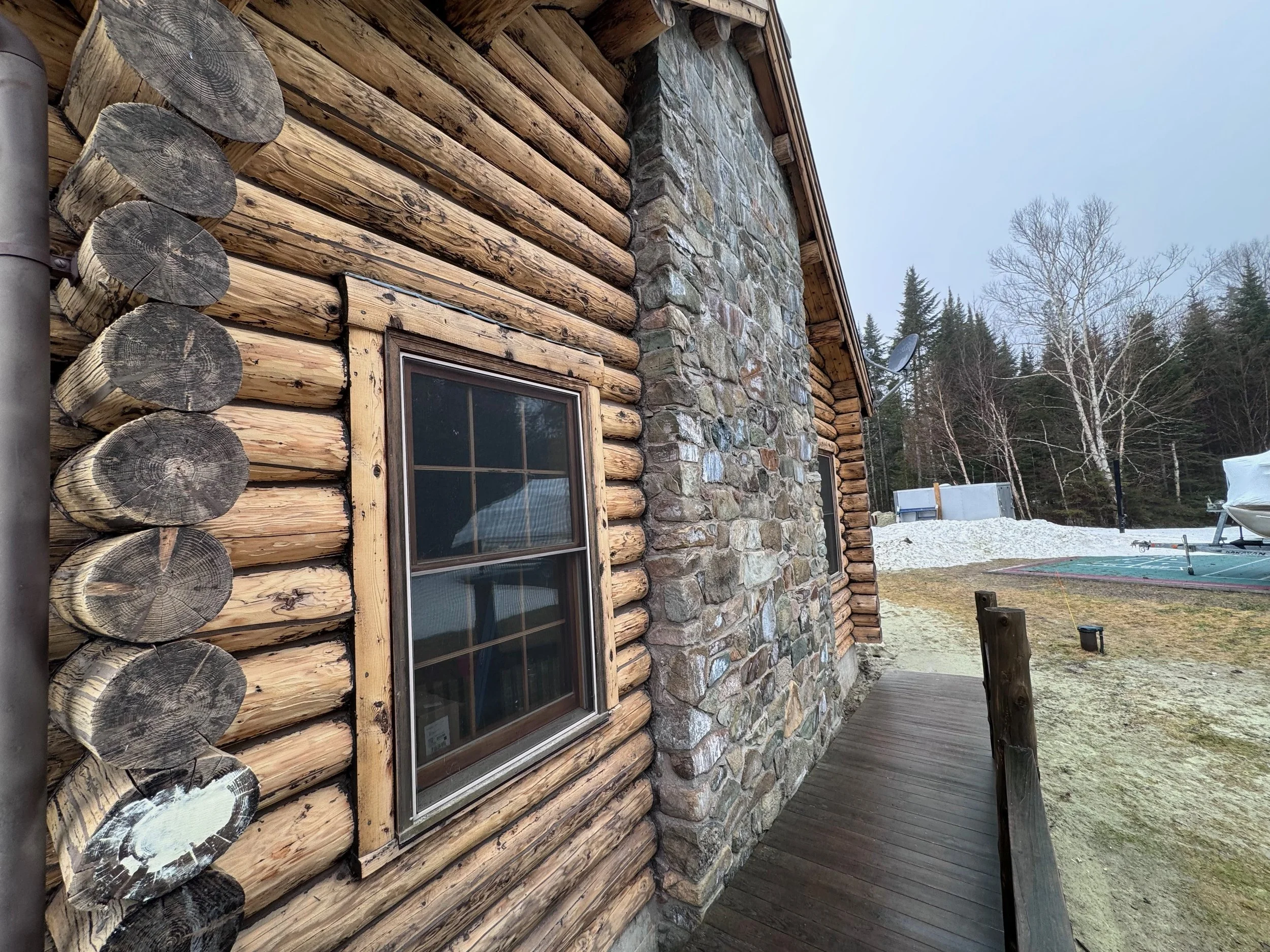
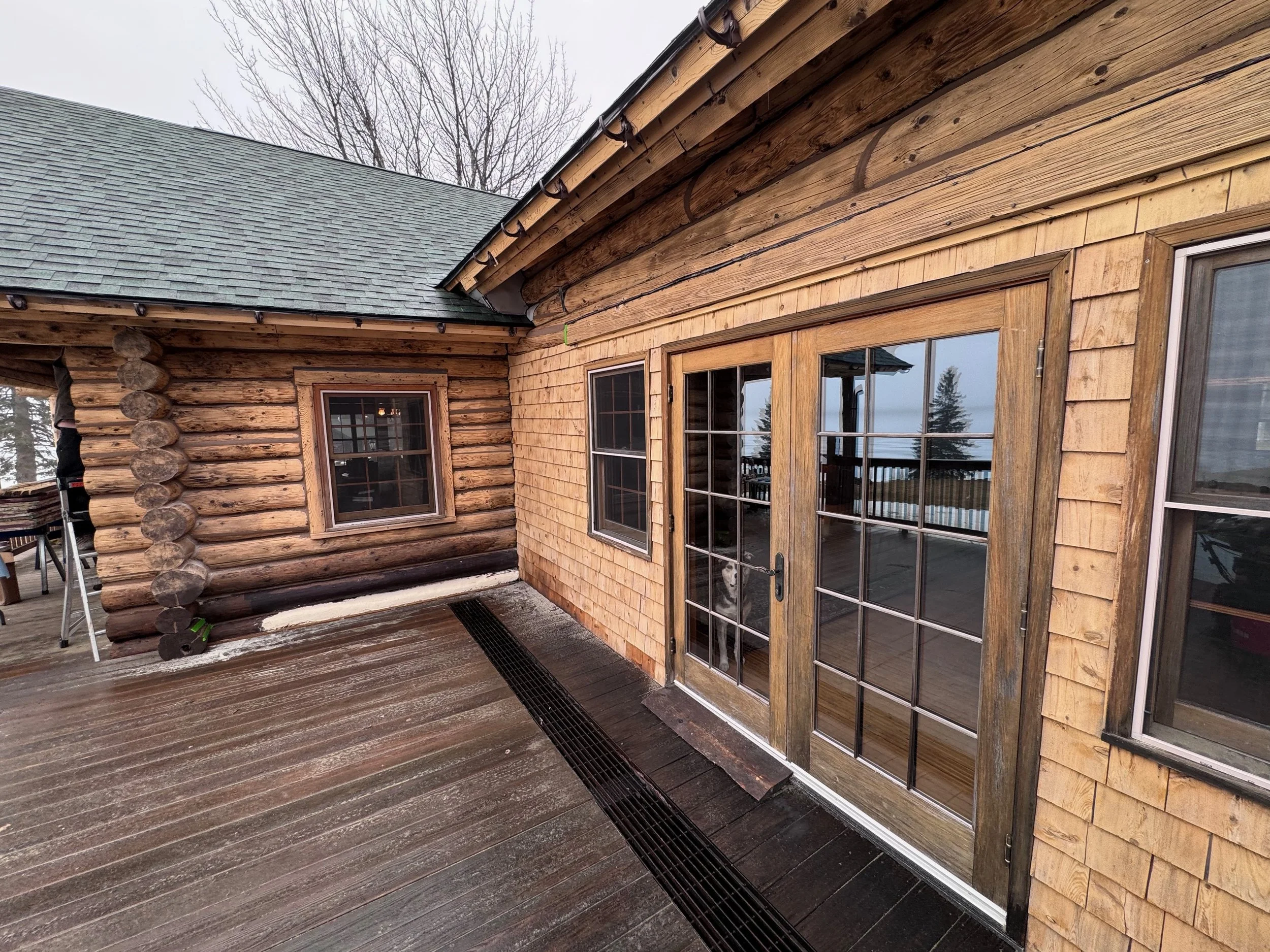
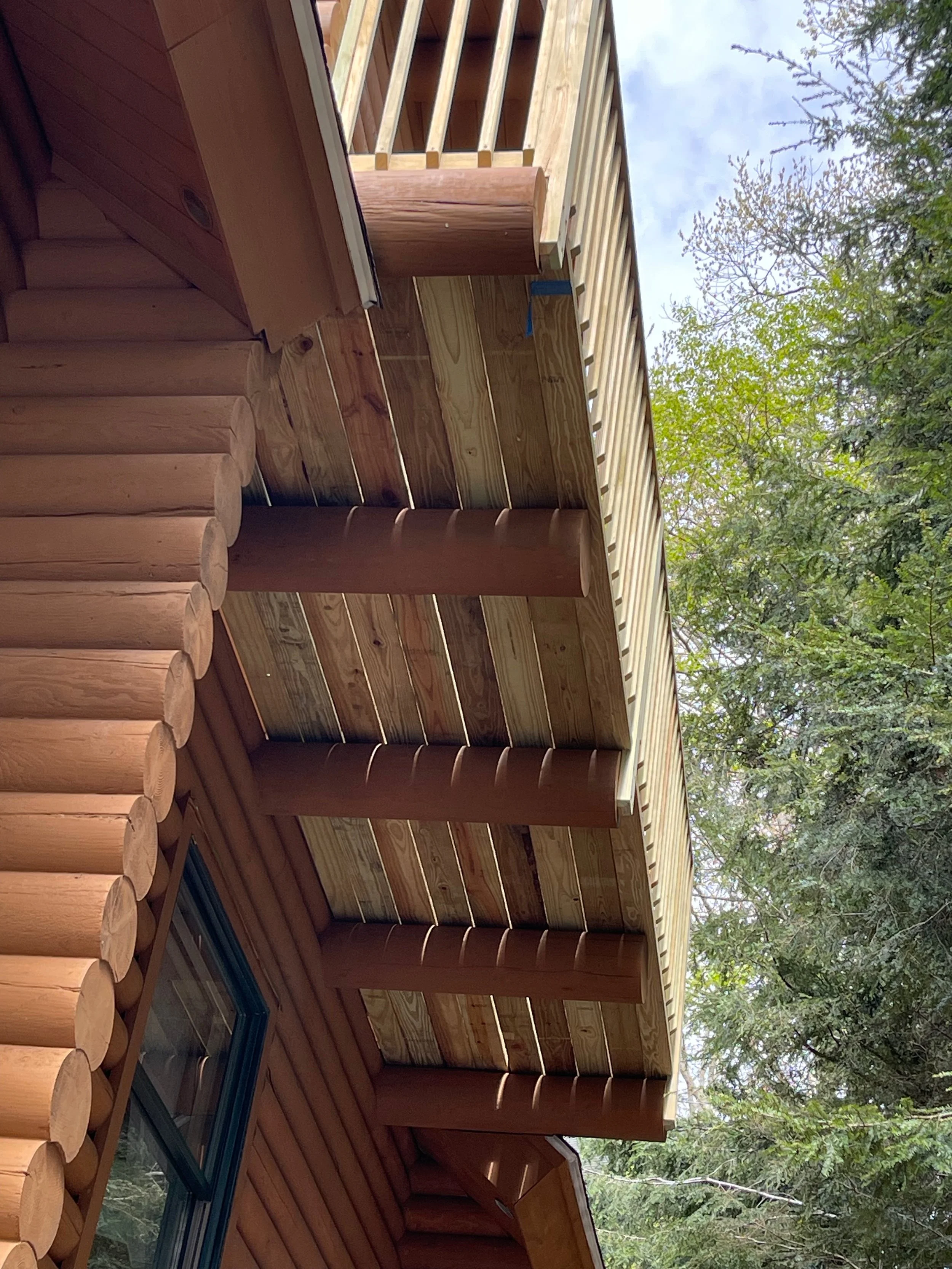
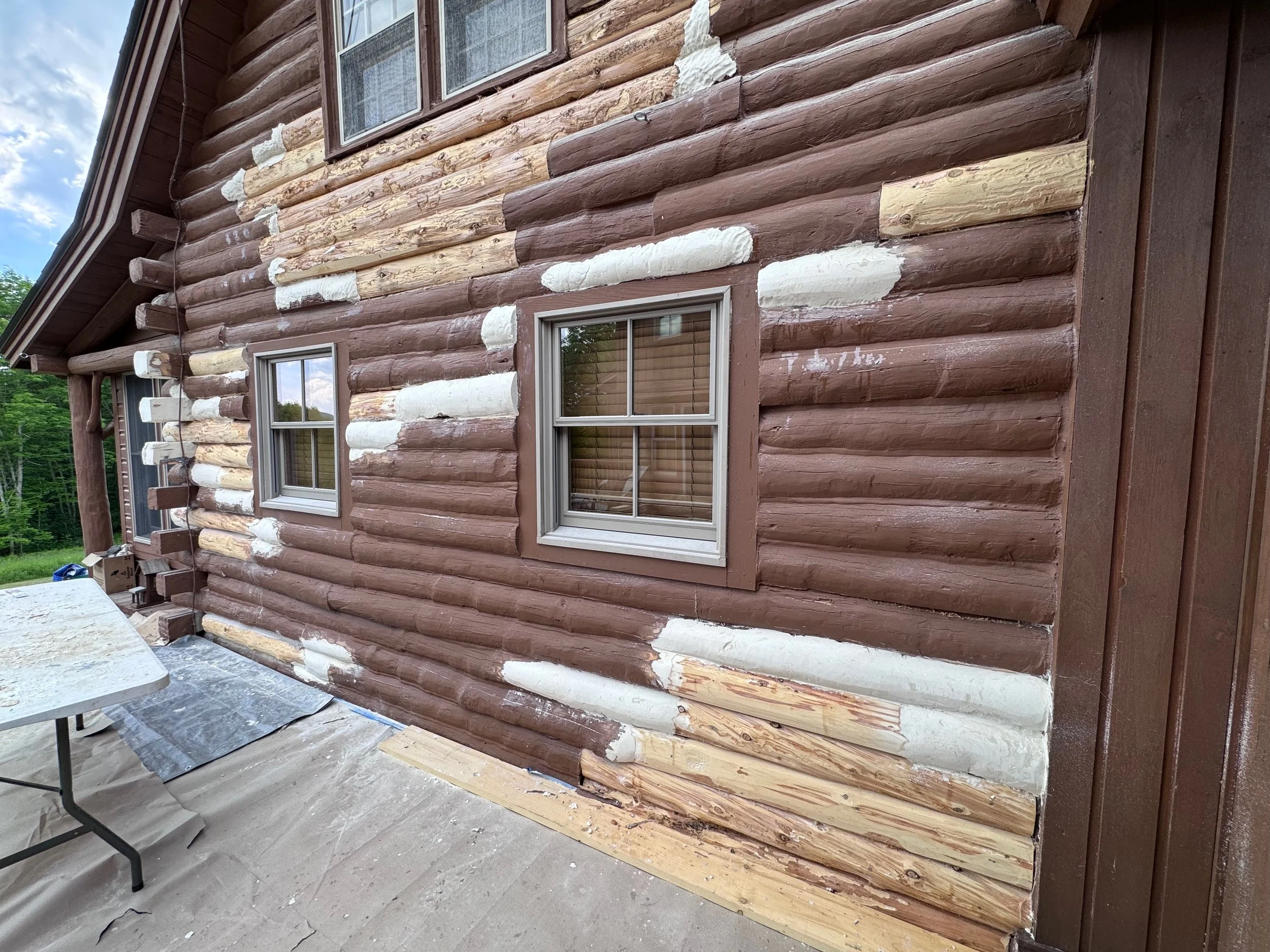
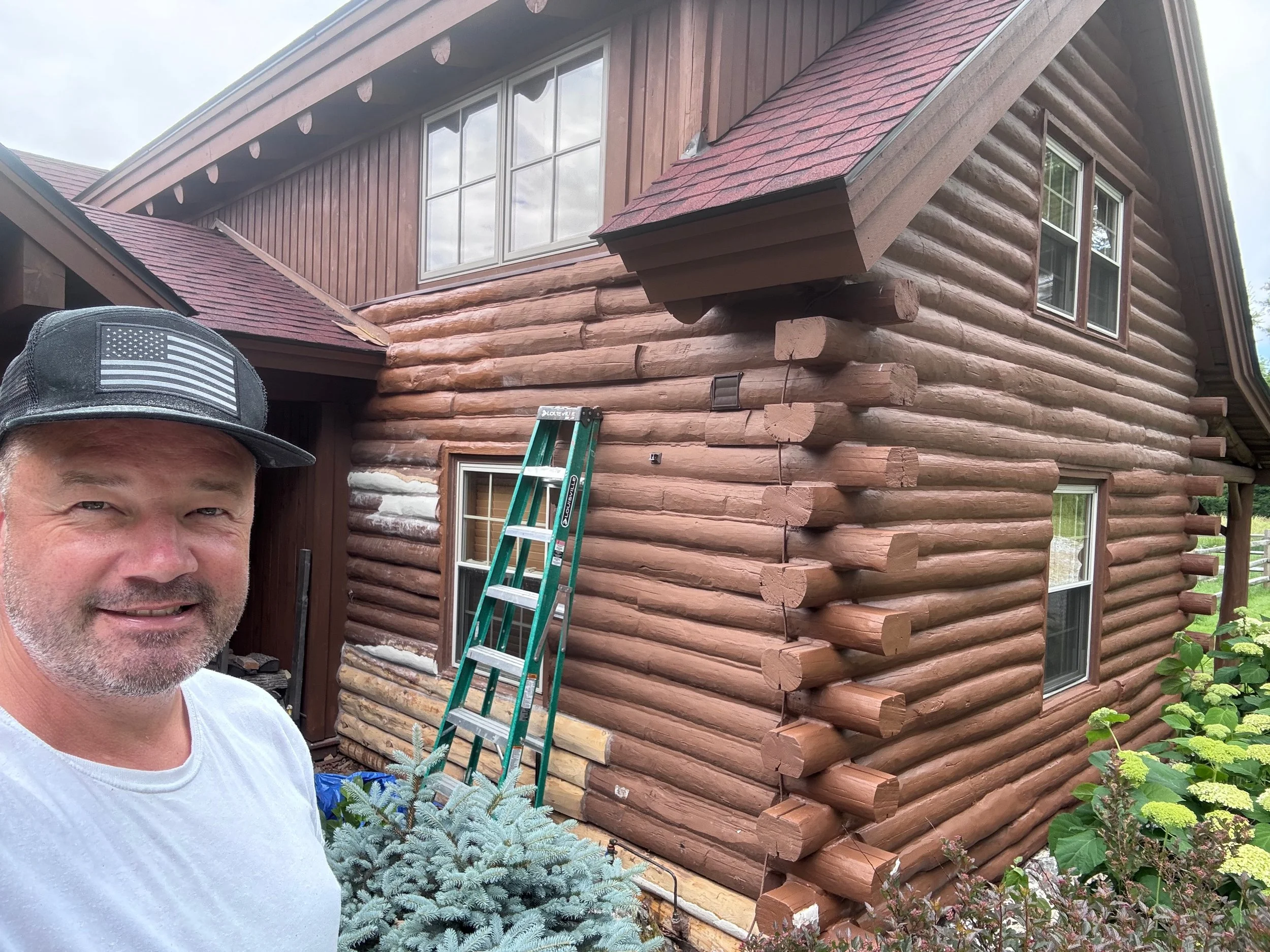
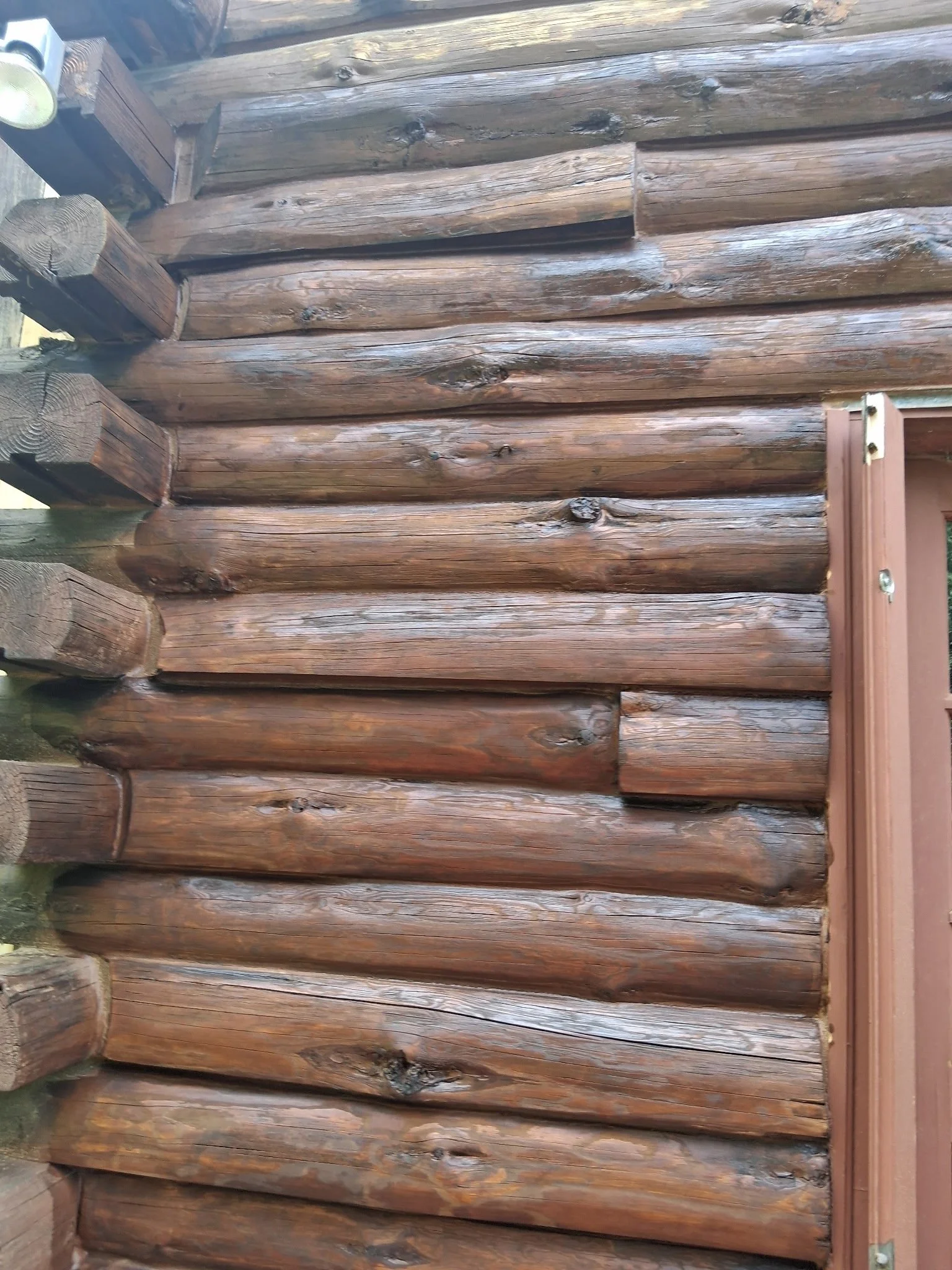
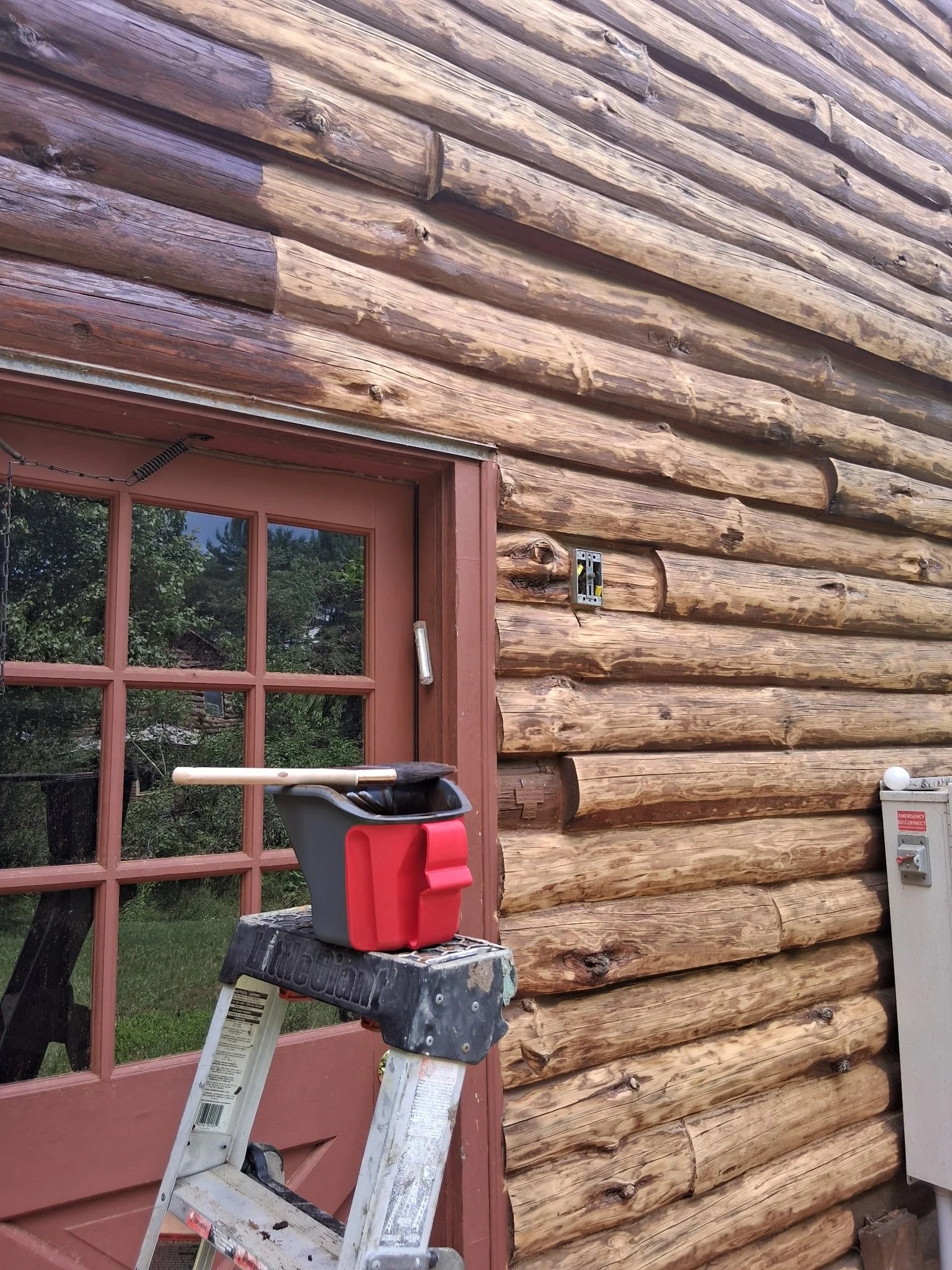
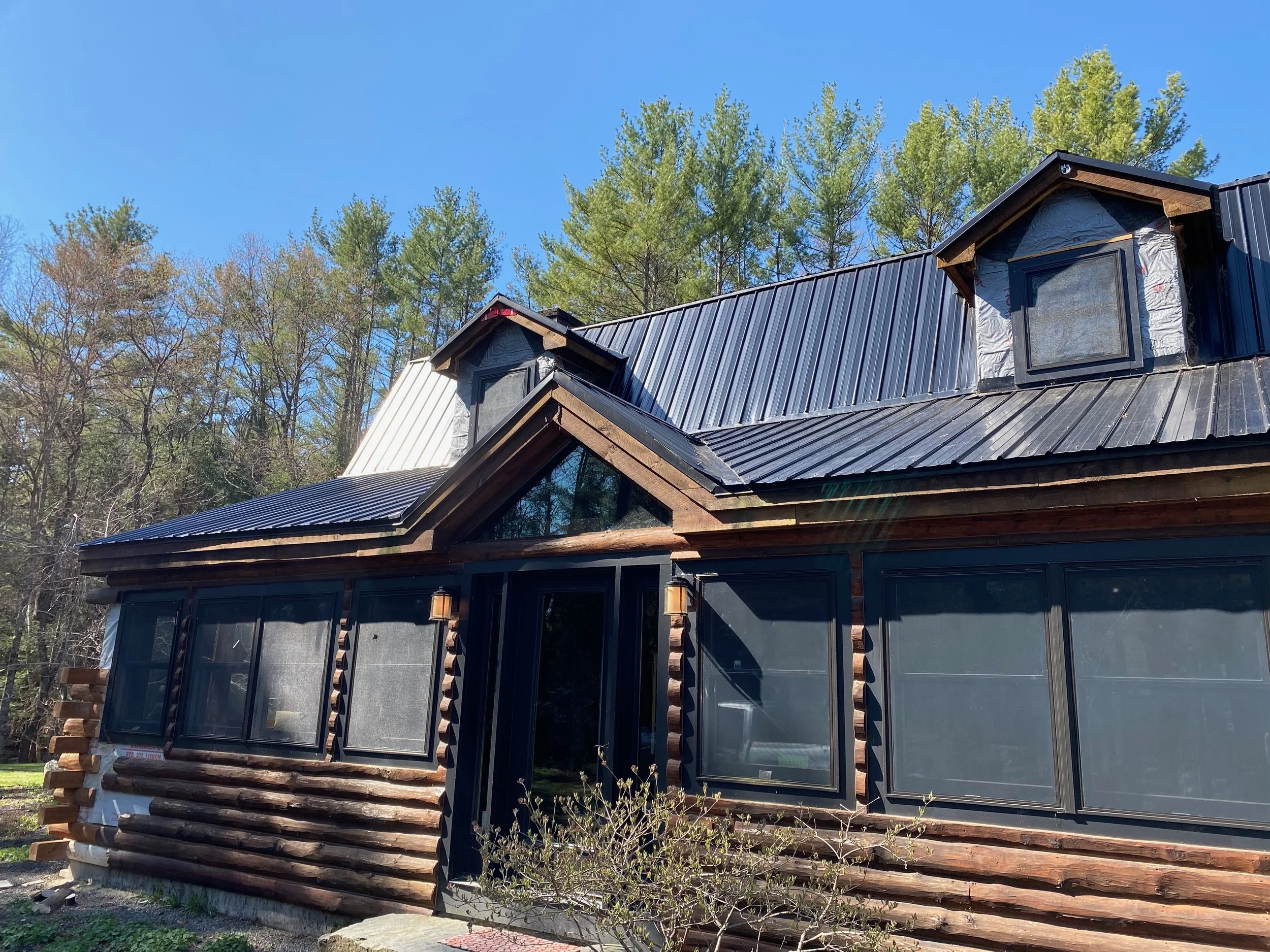
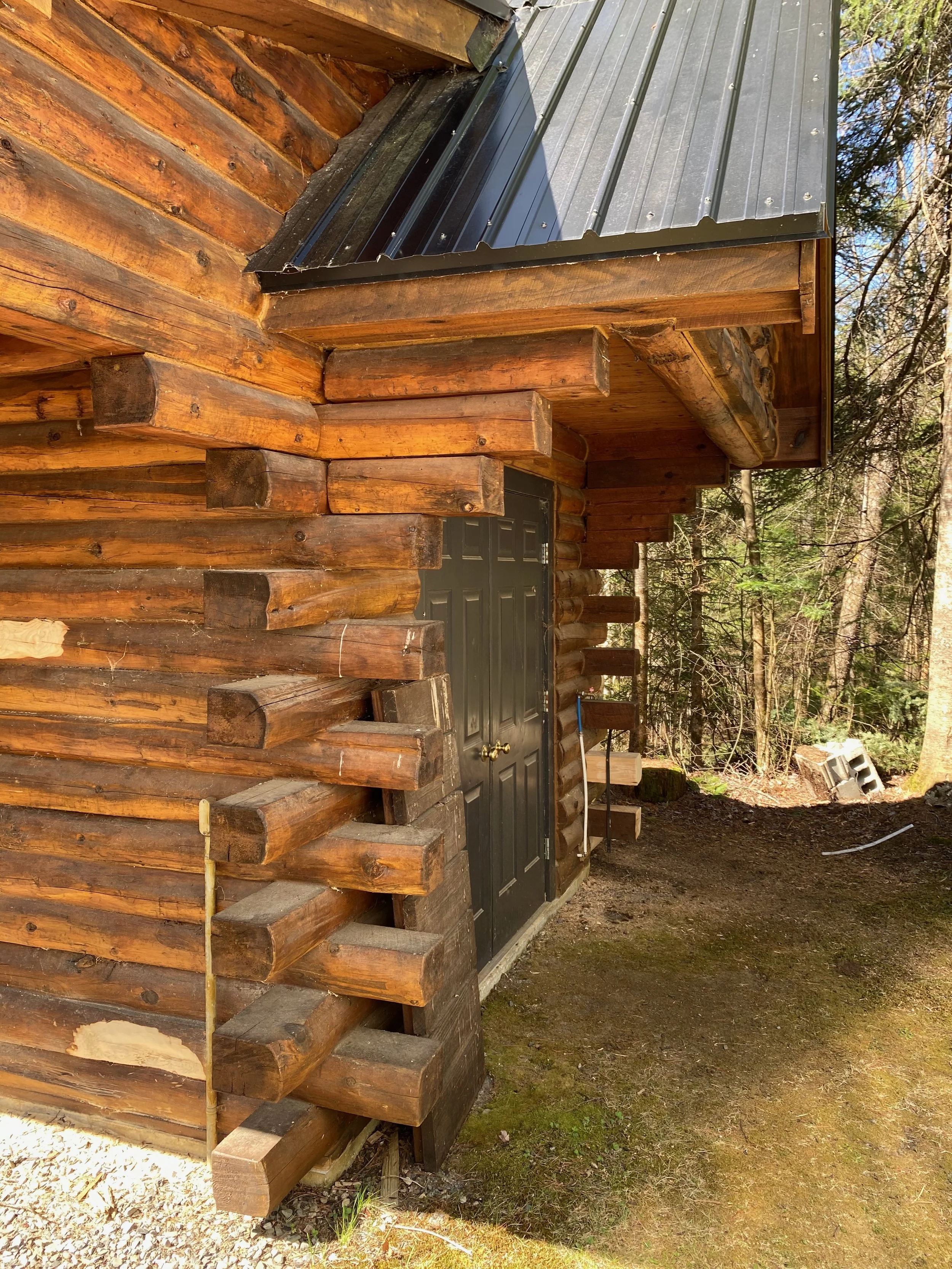
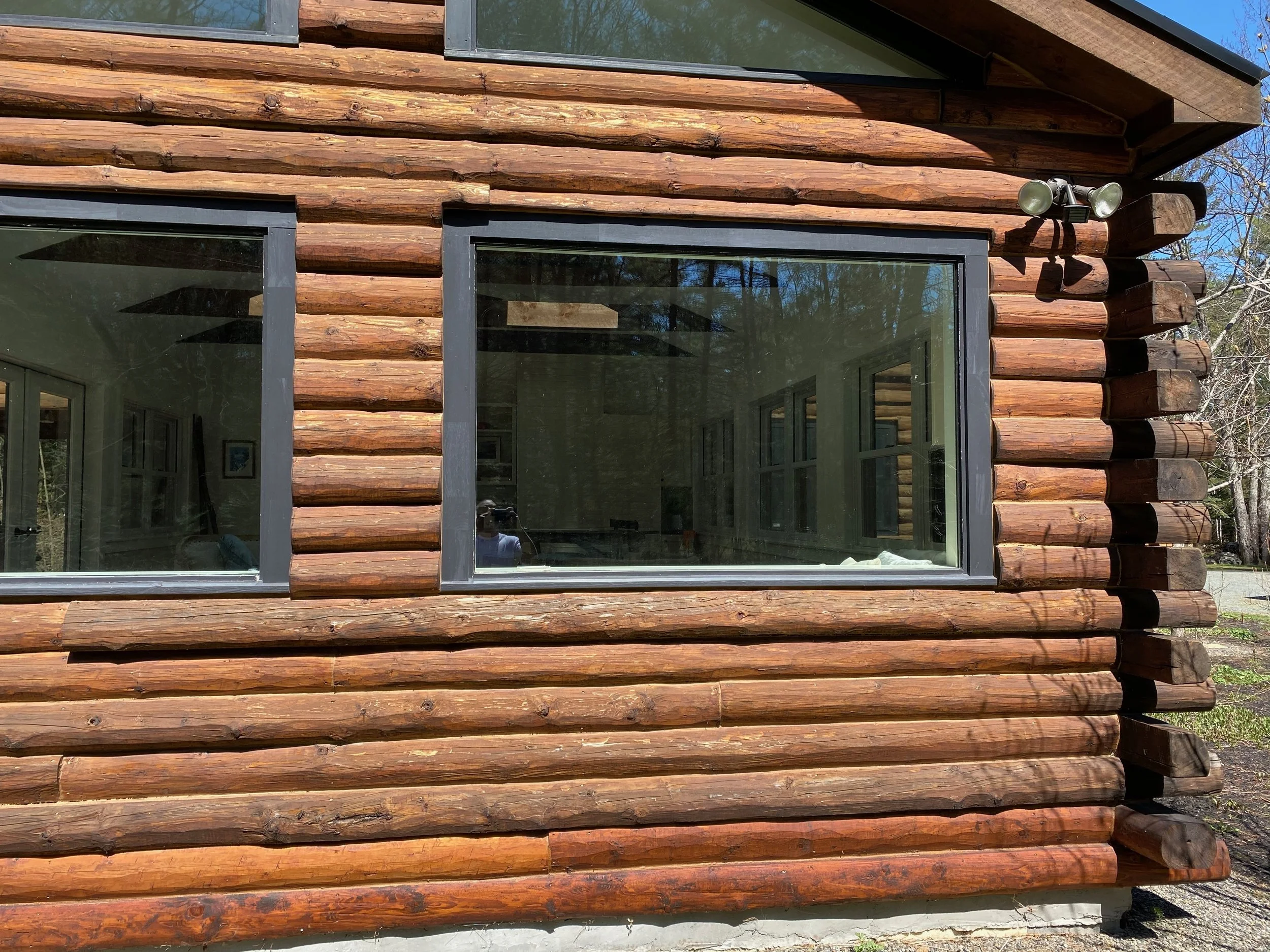
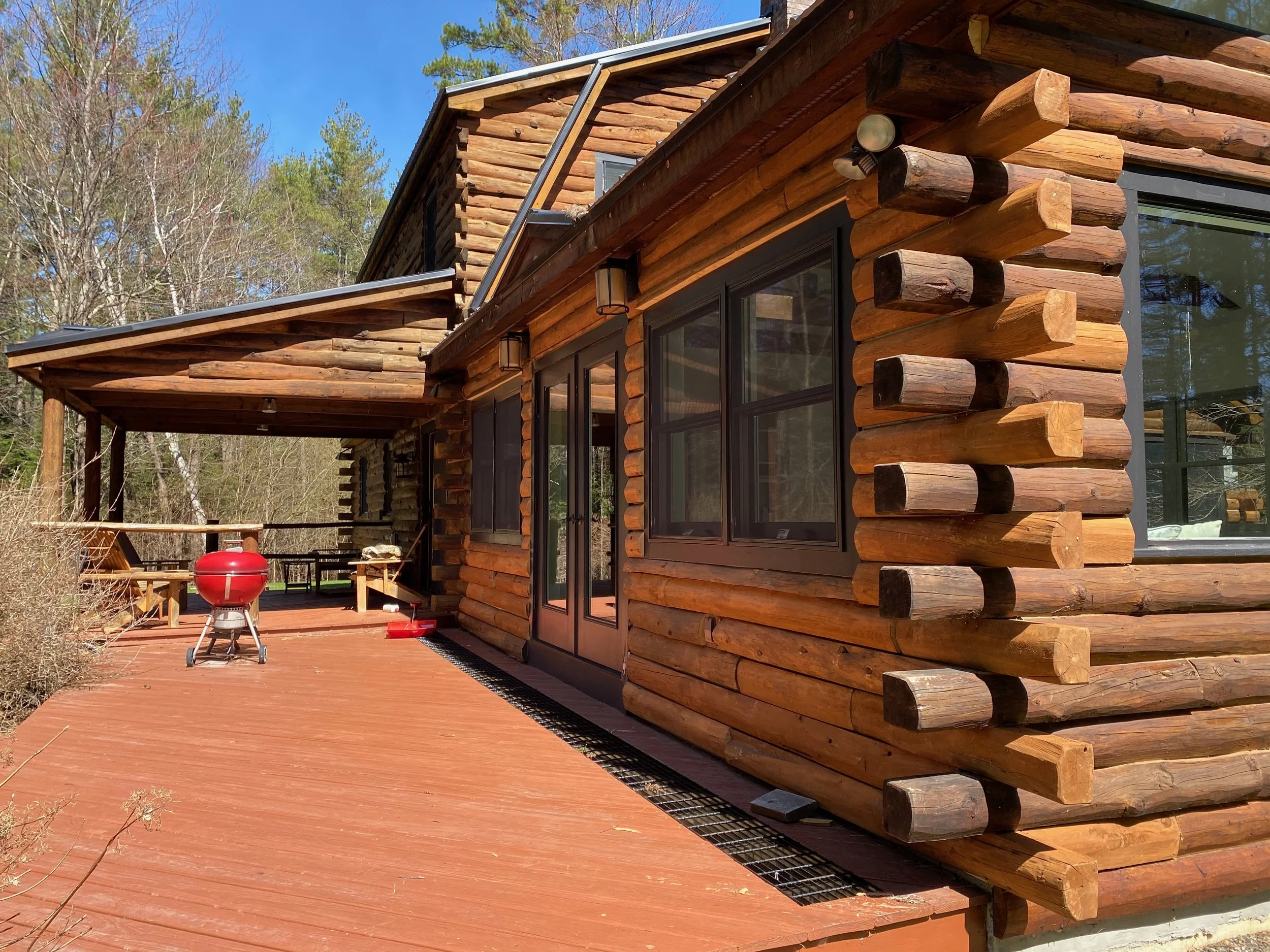
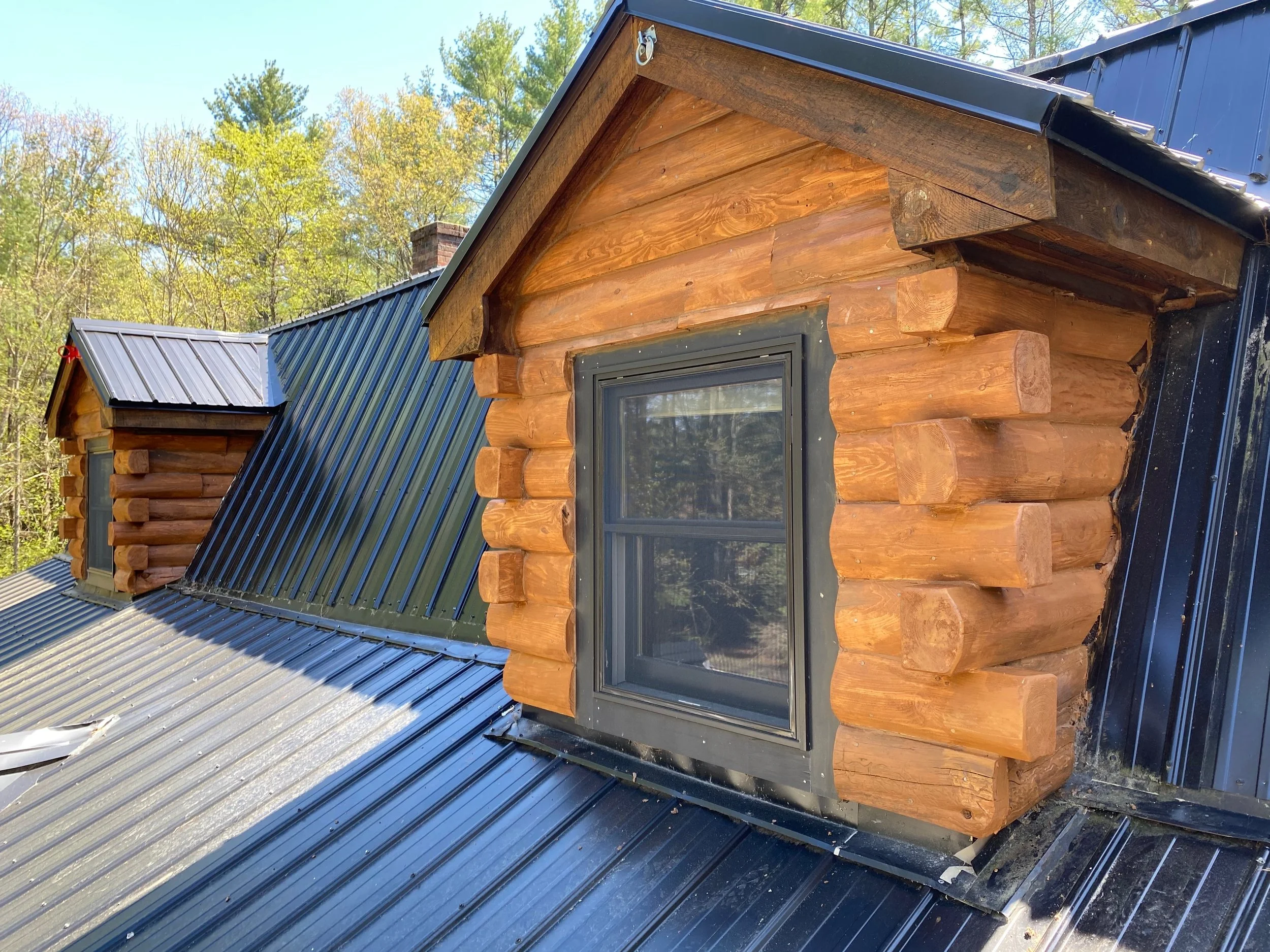
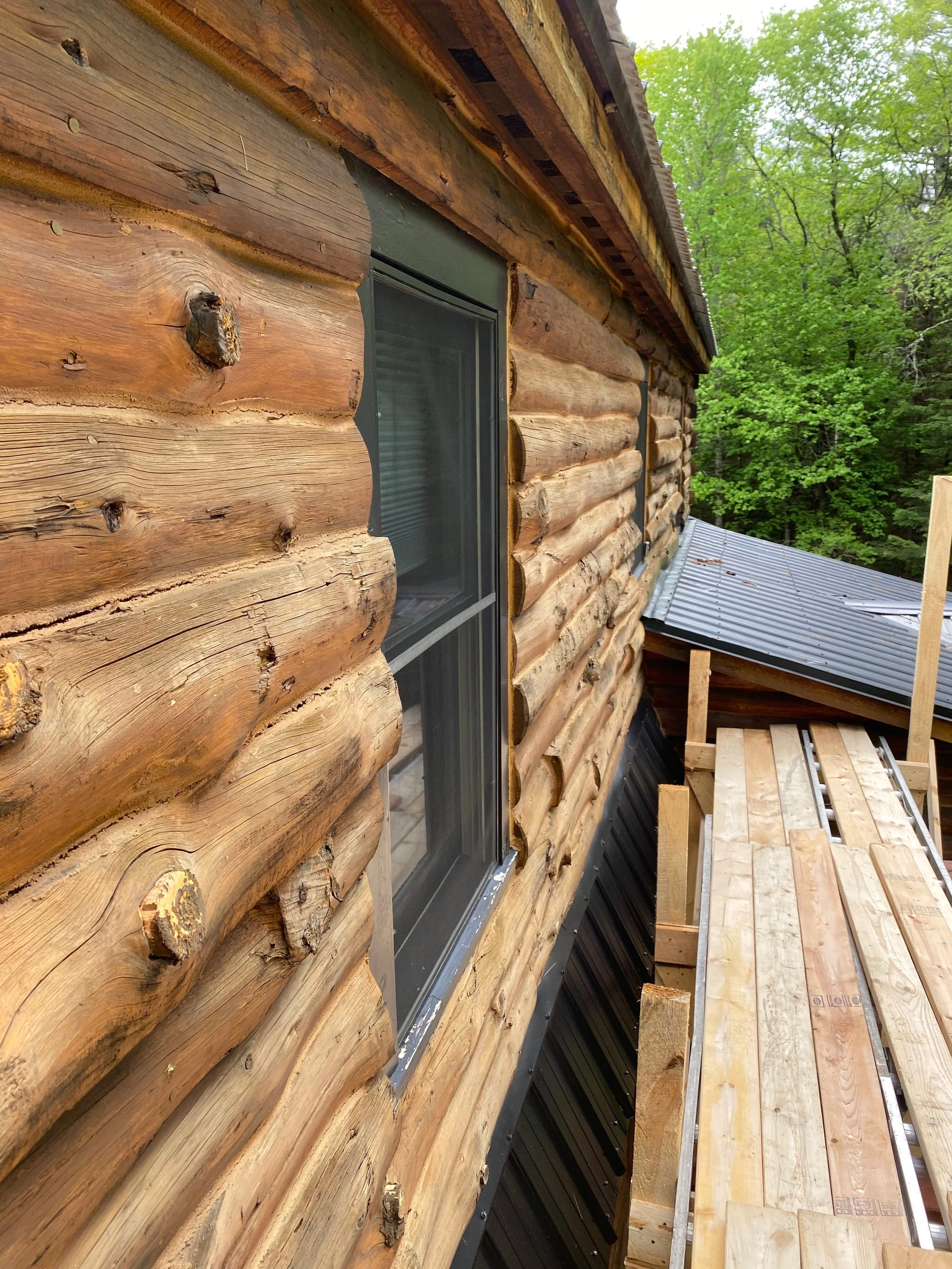
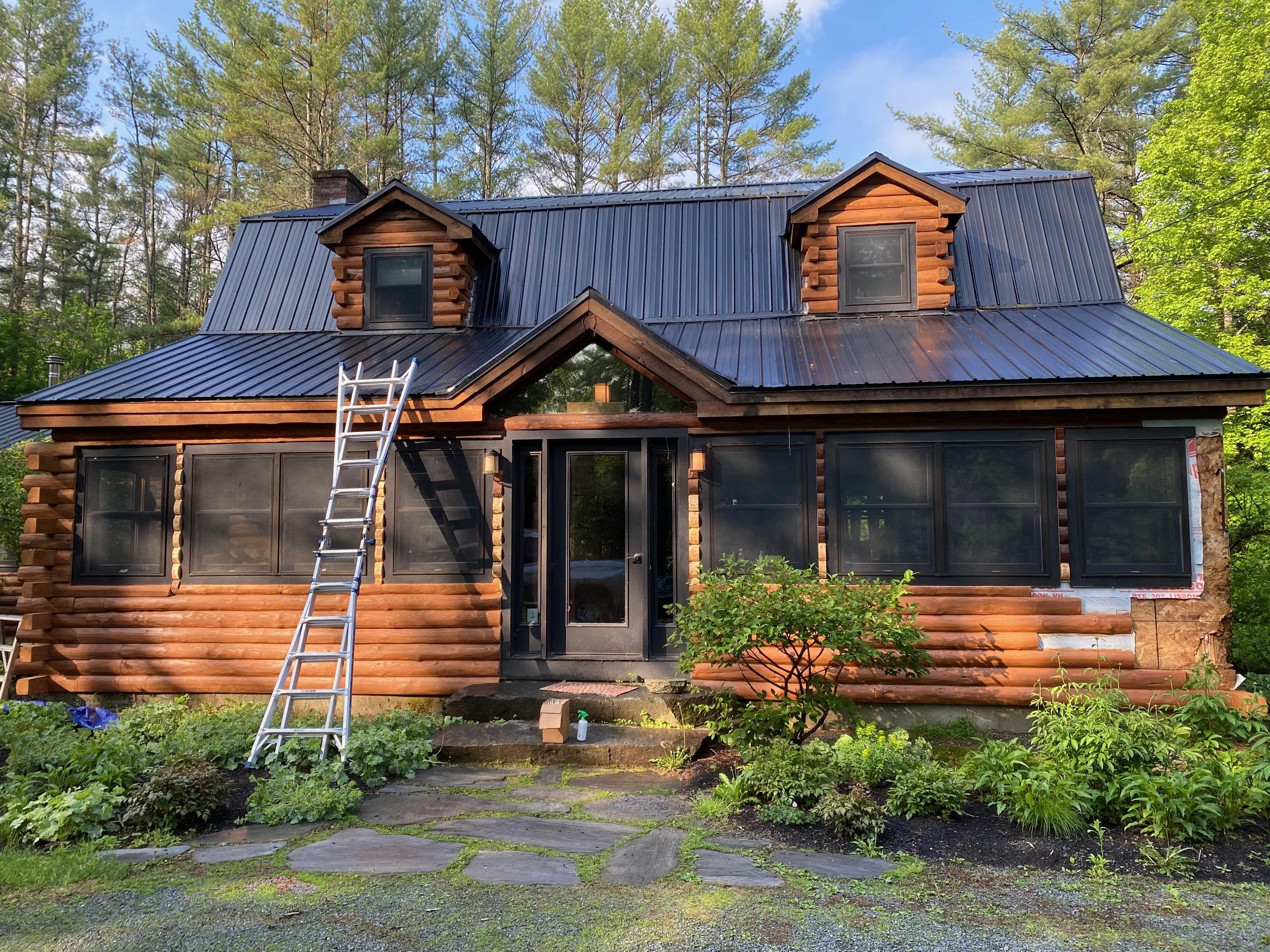
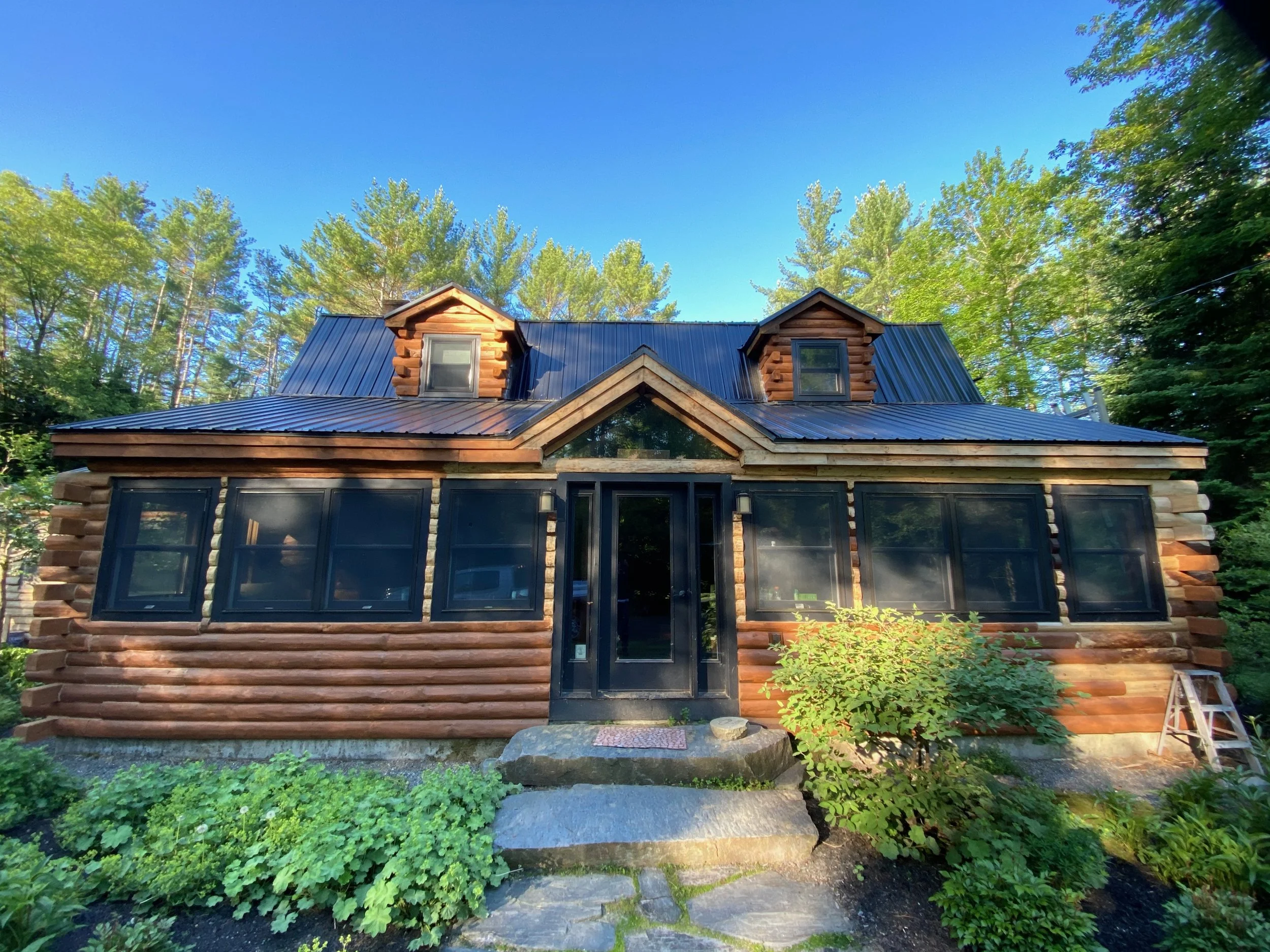
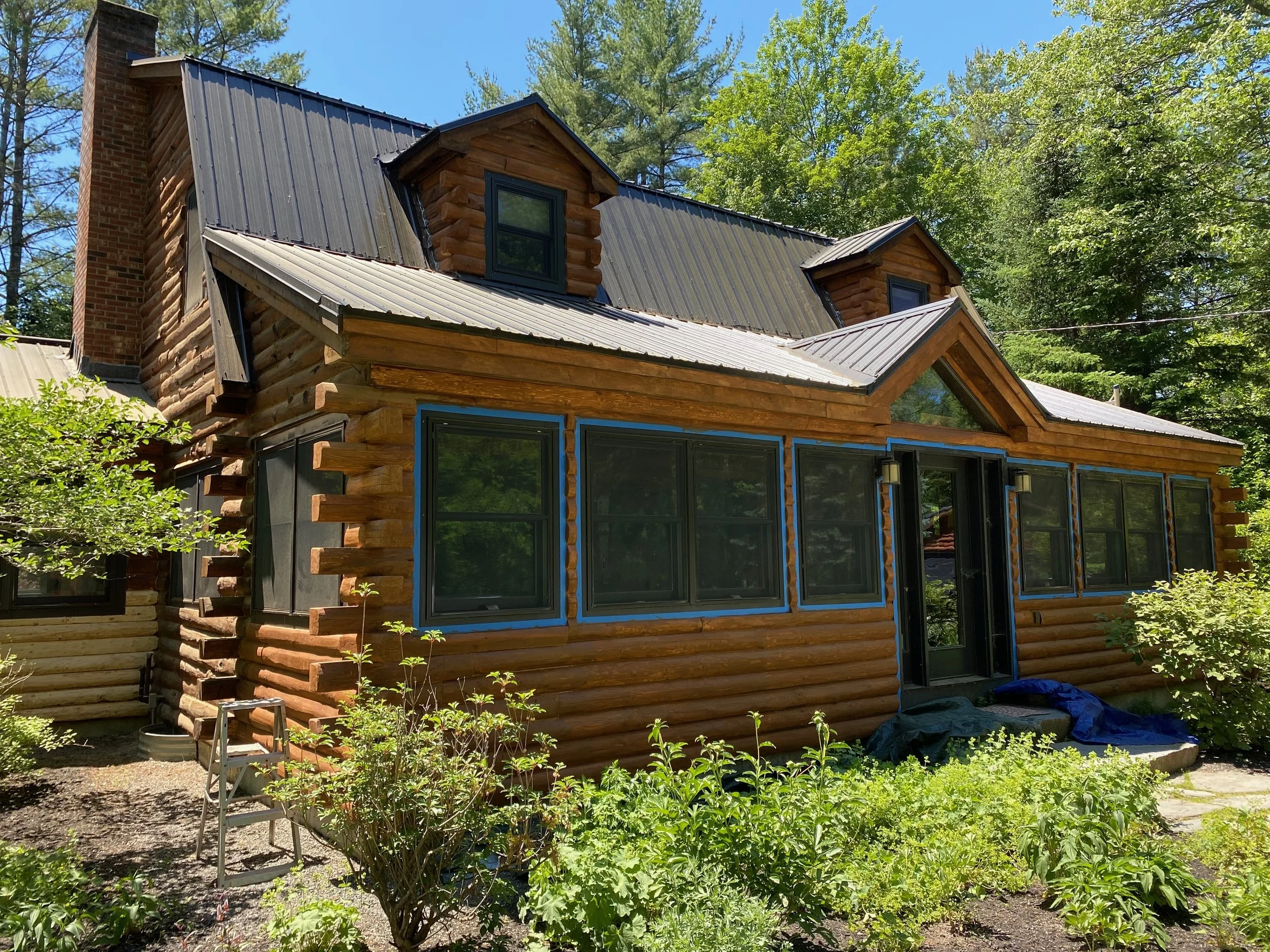
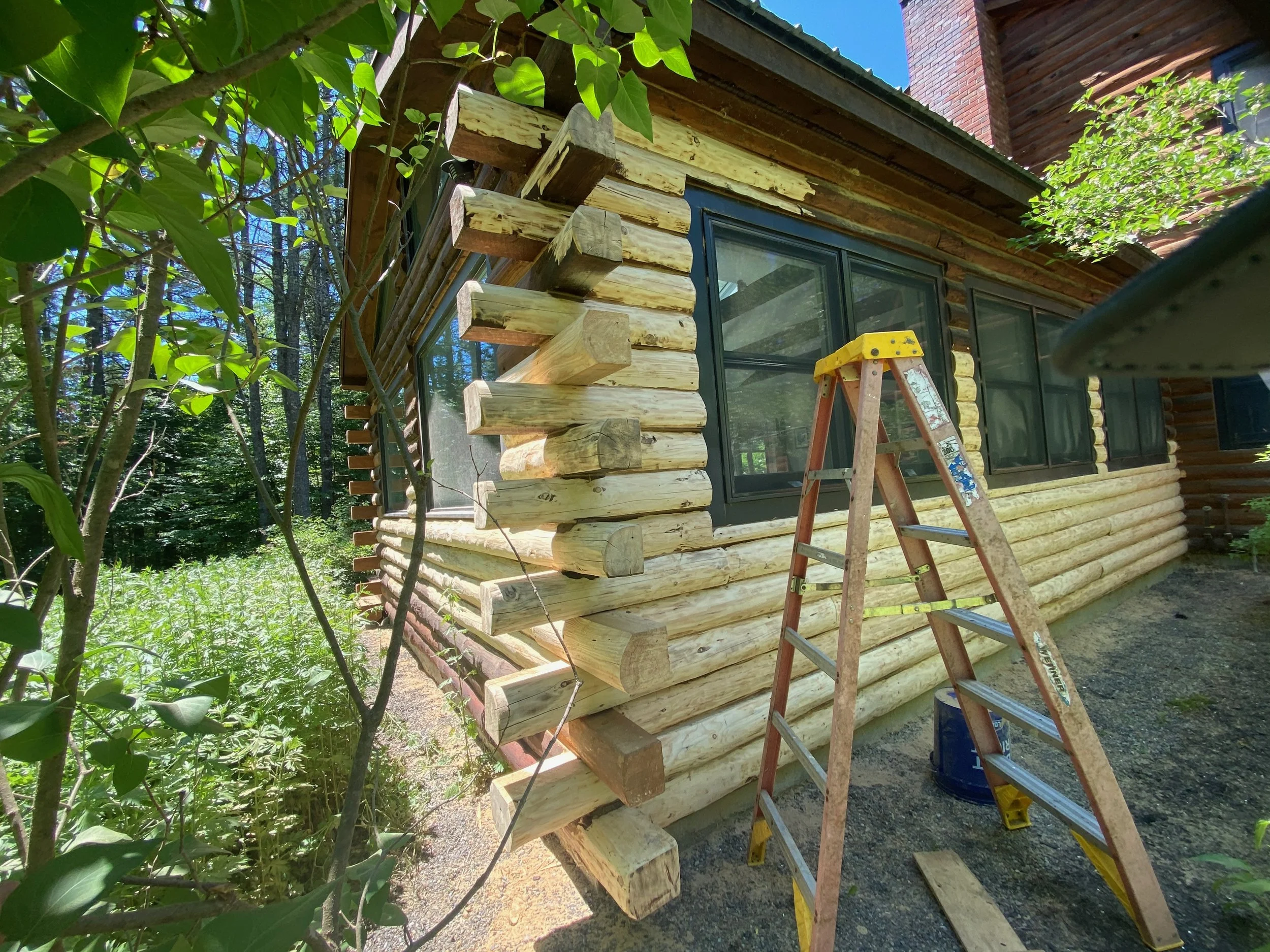
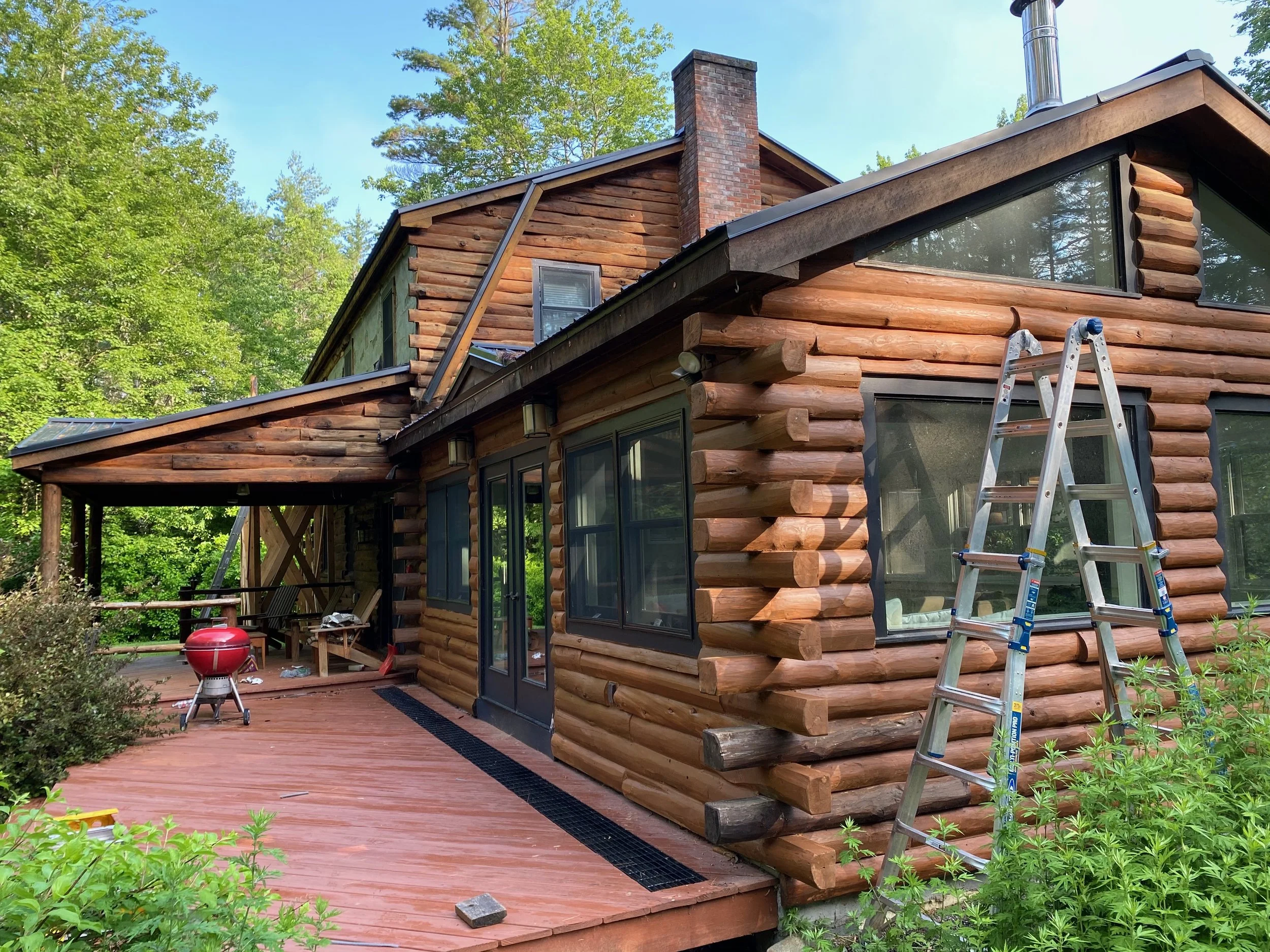
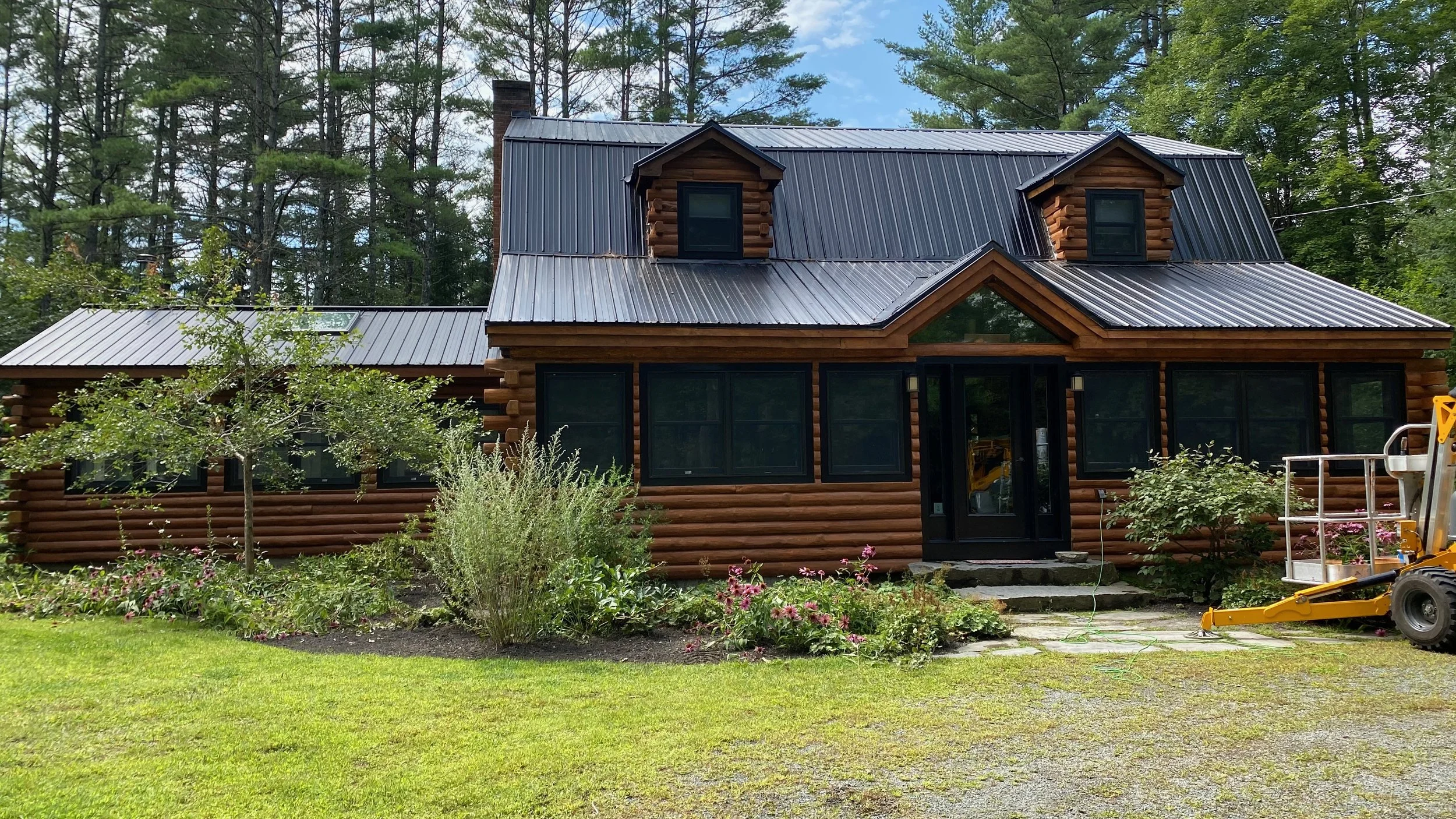
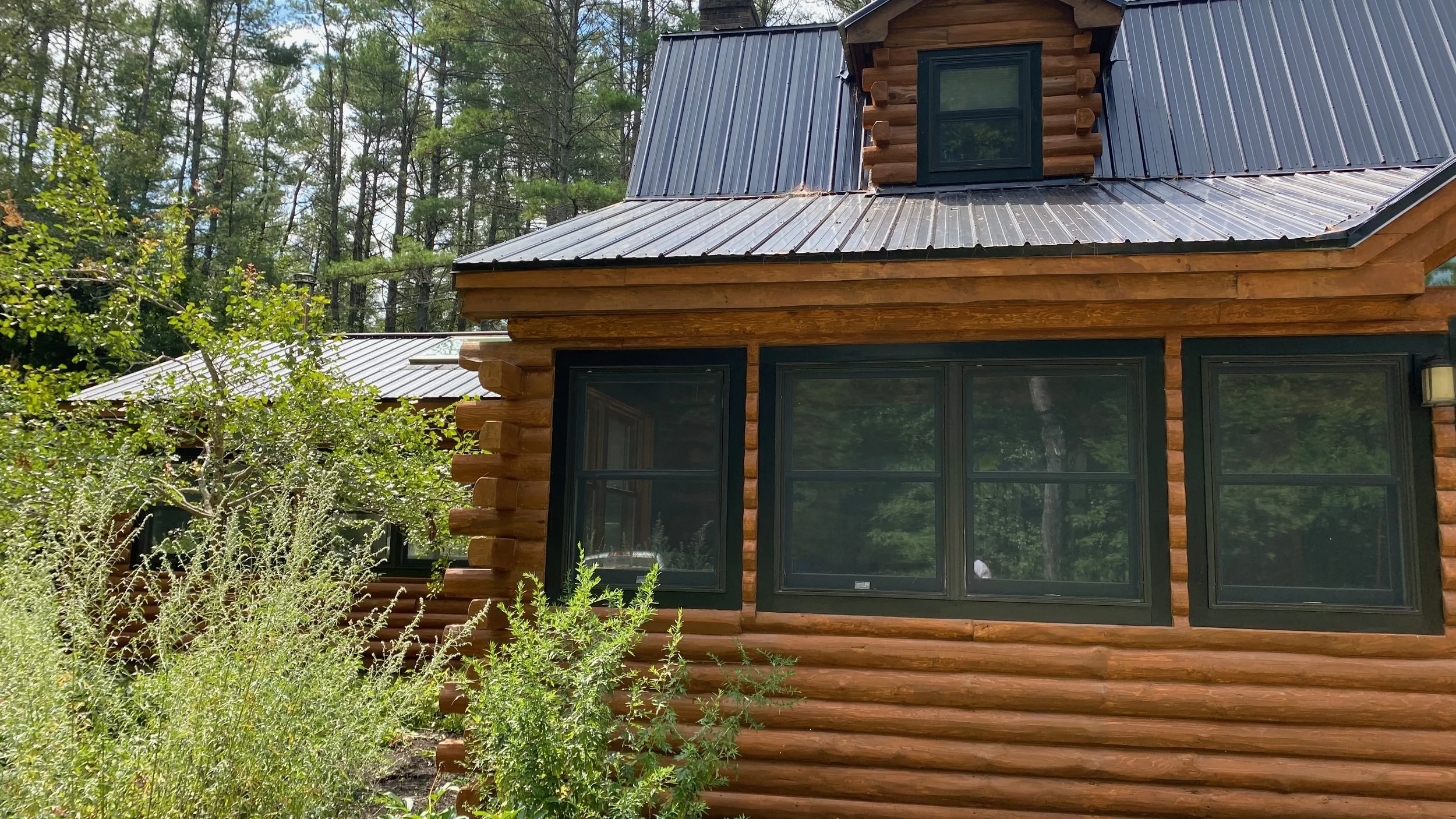
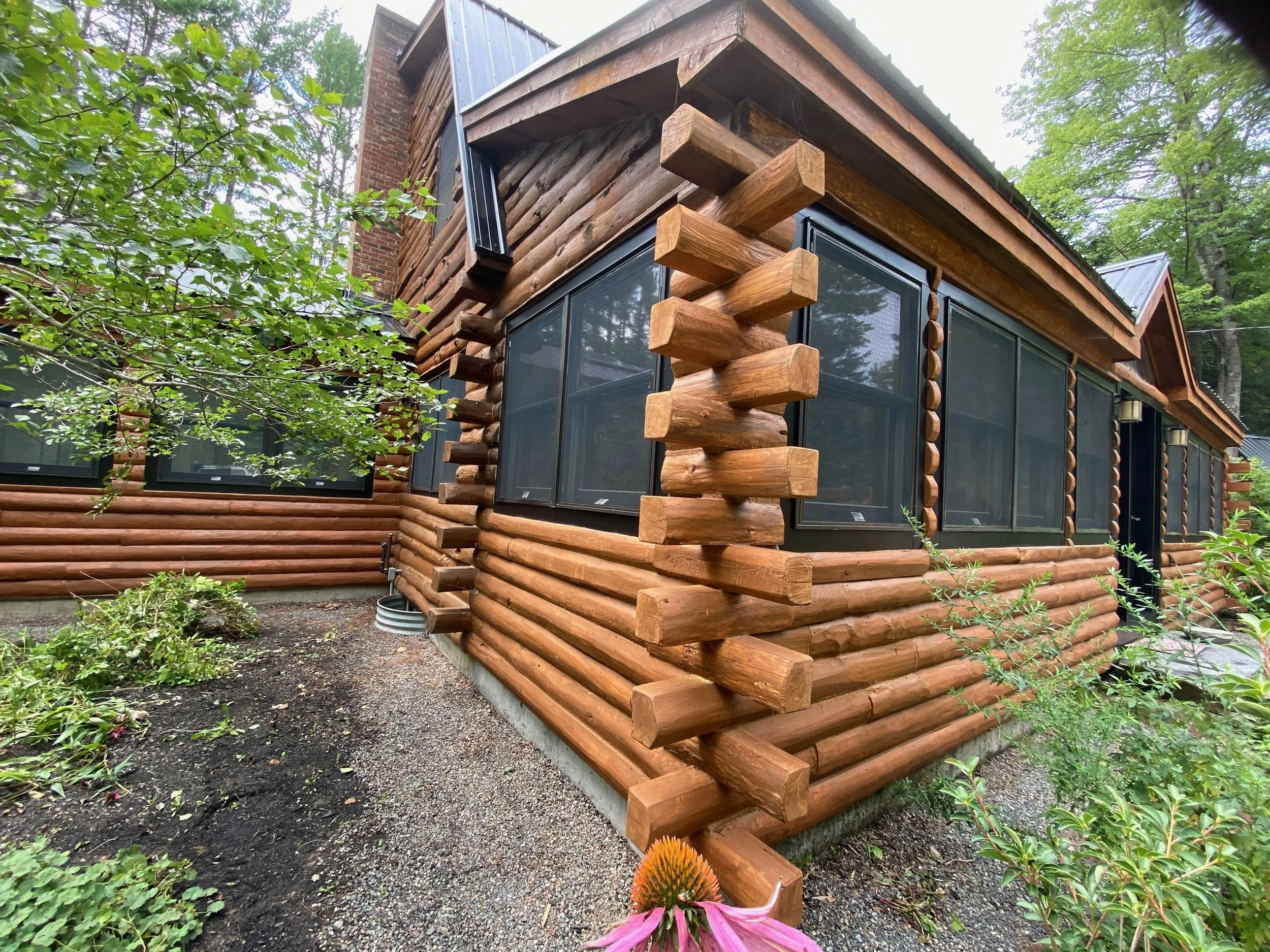
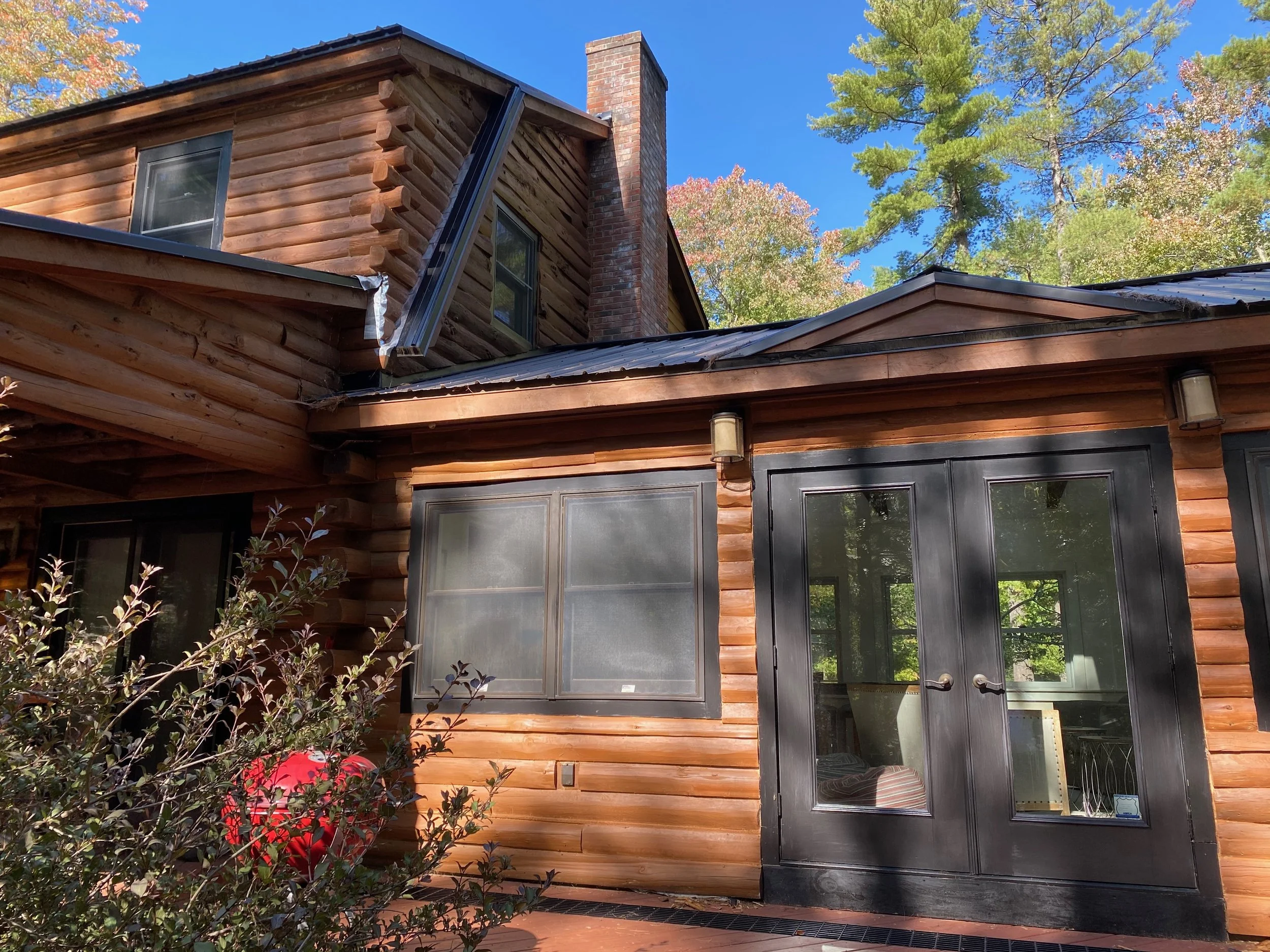
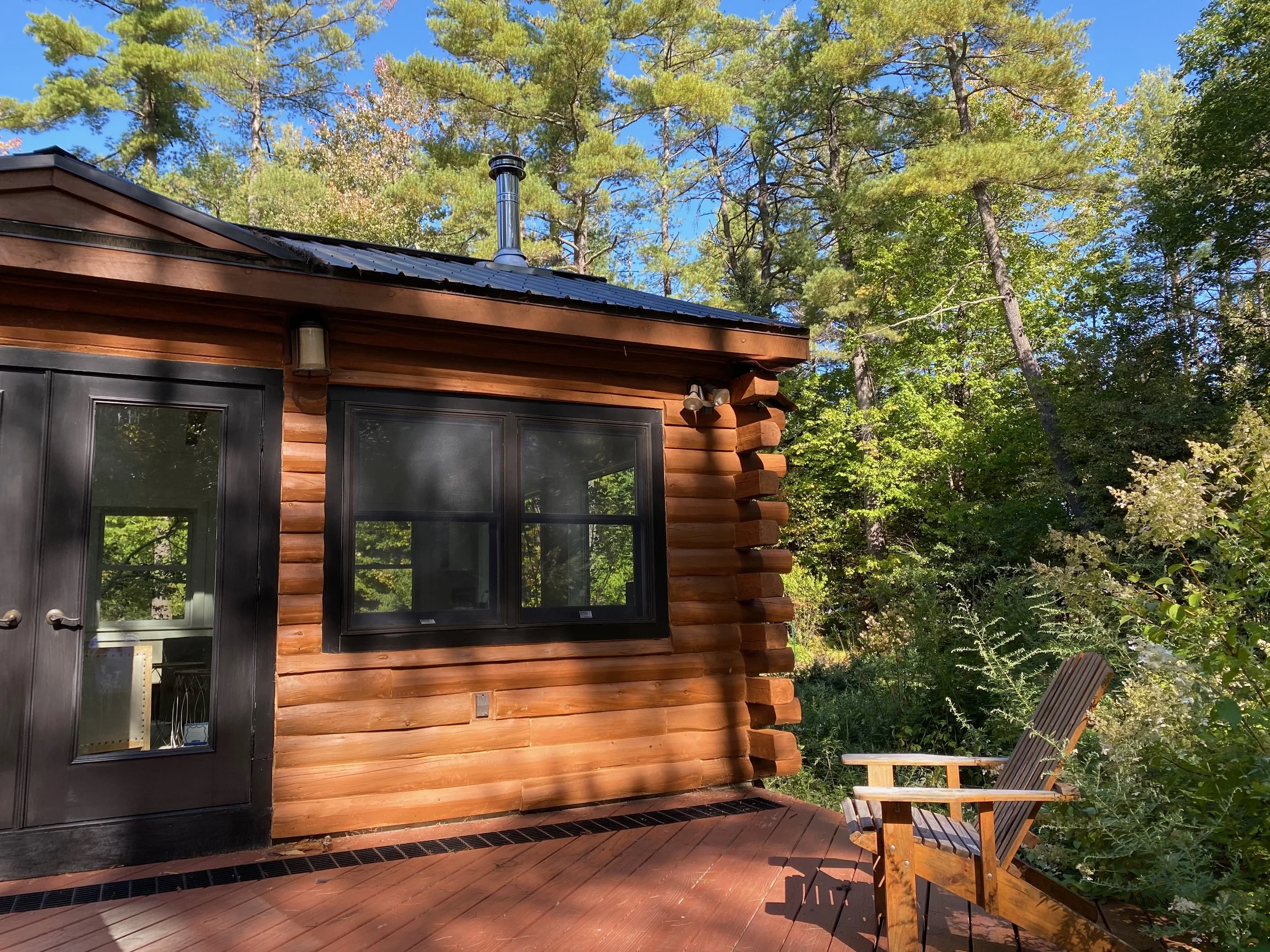
Full Log Home Restoration, Franconia, NH, including 633 linear feet log repair, false corners and new dormers, 2022.
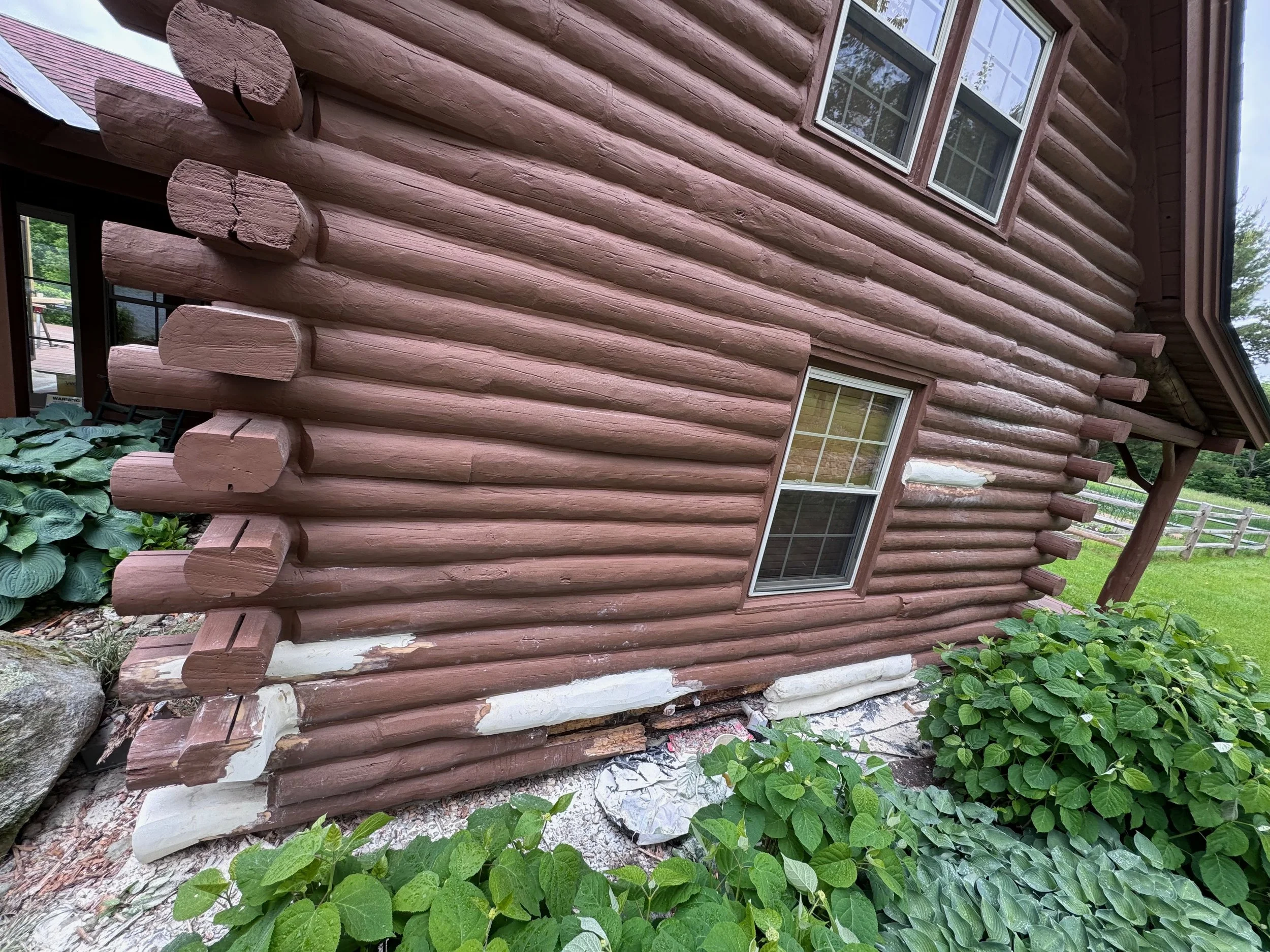
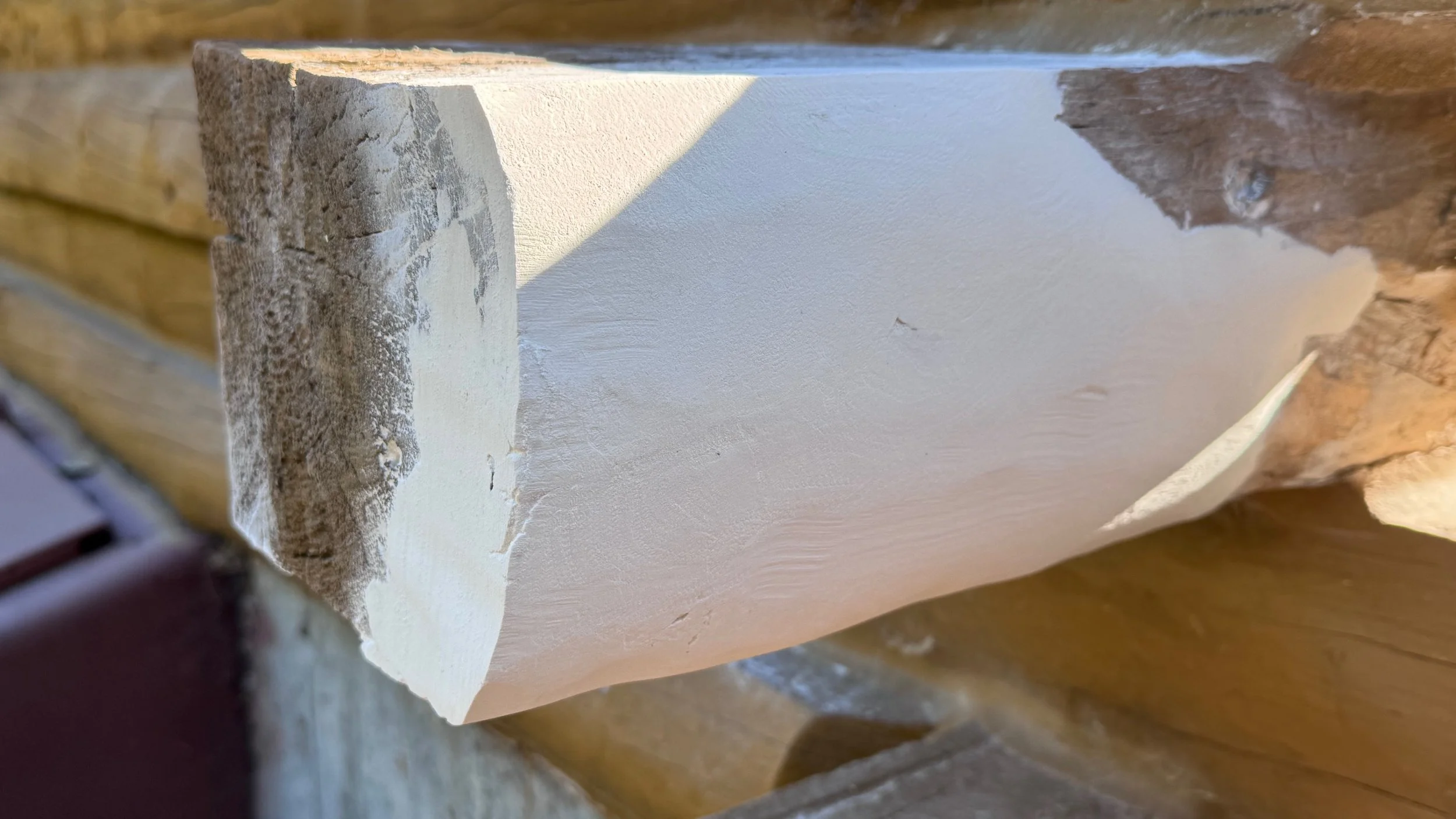
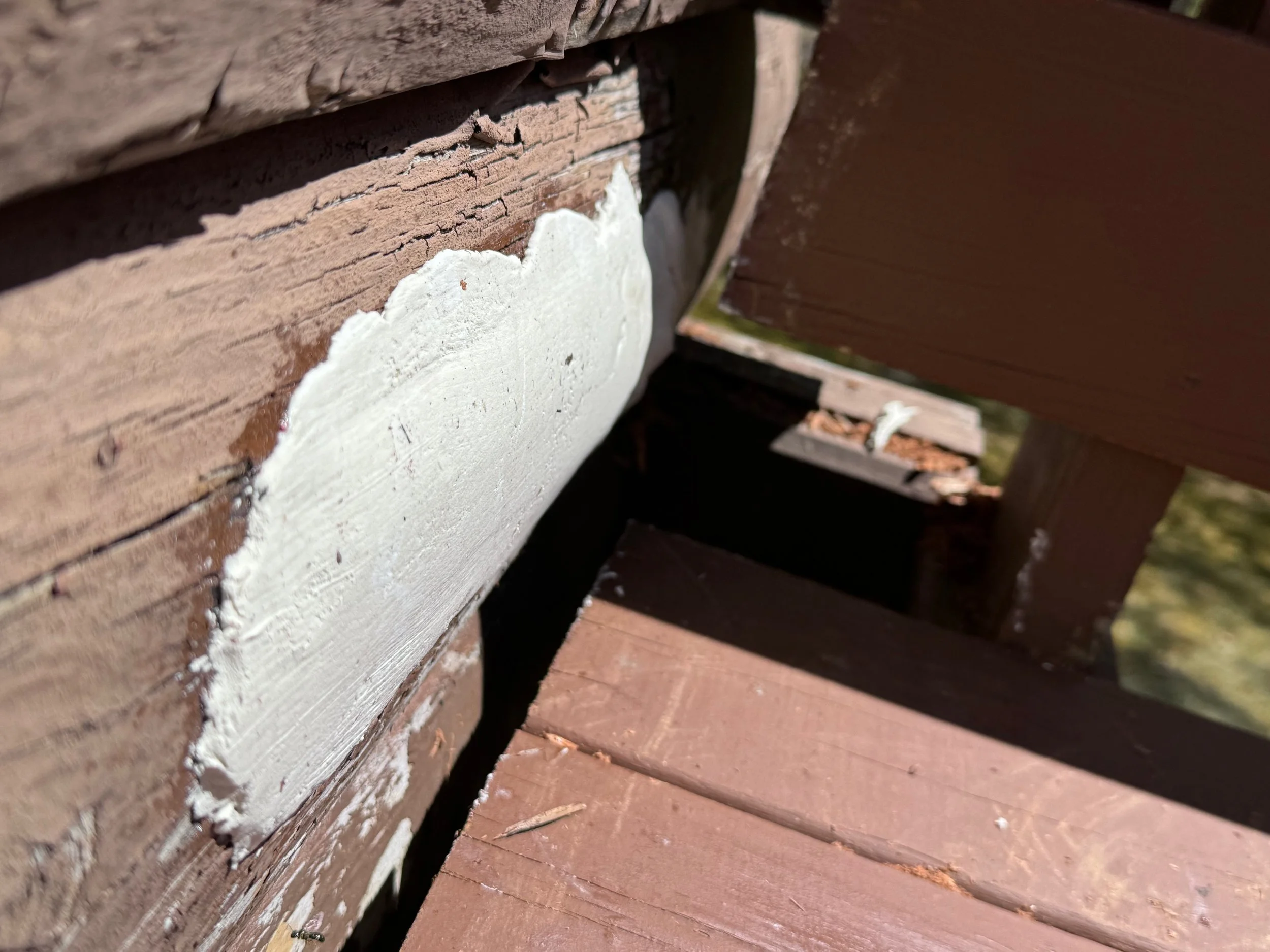
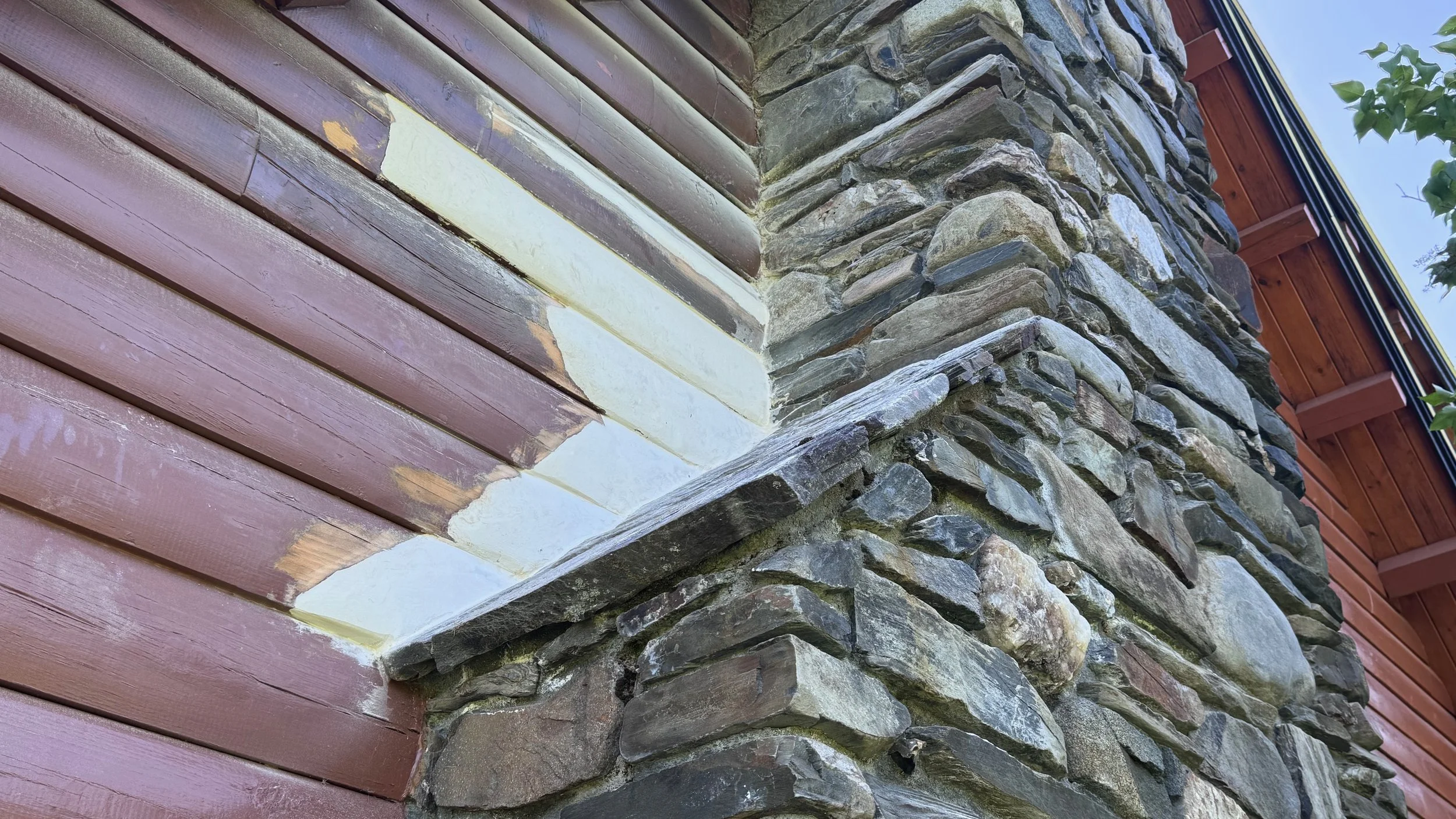
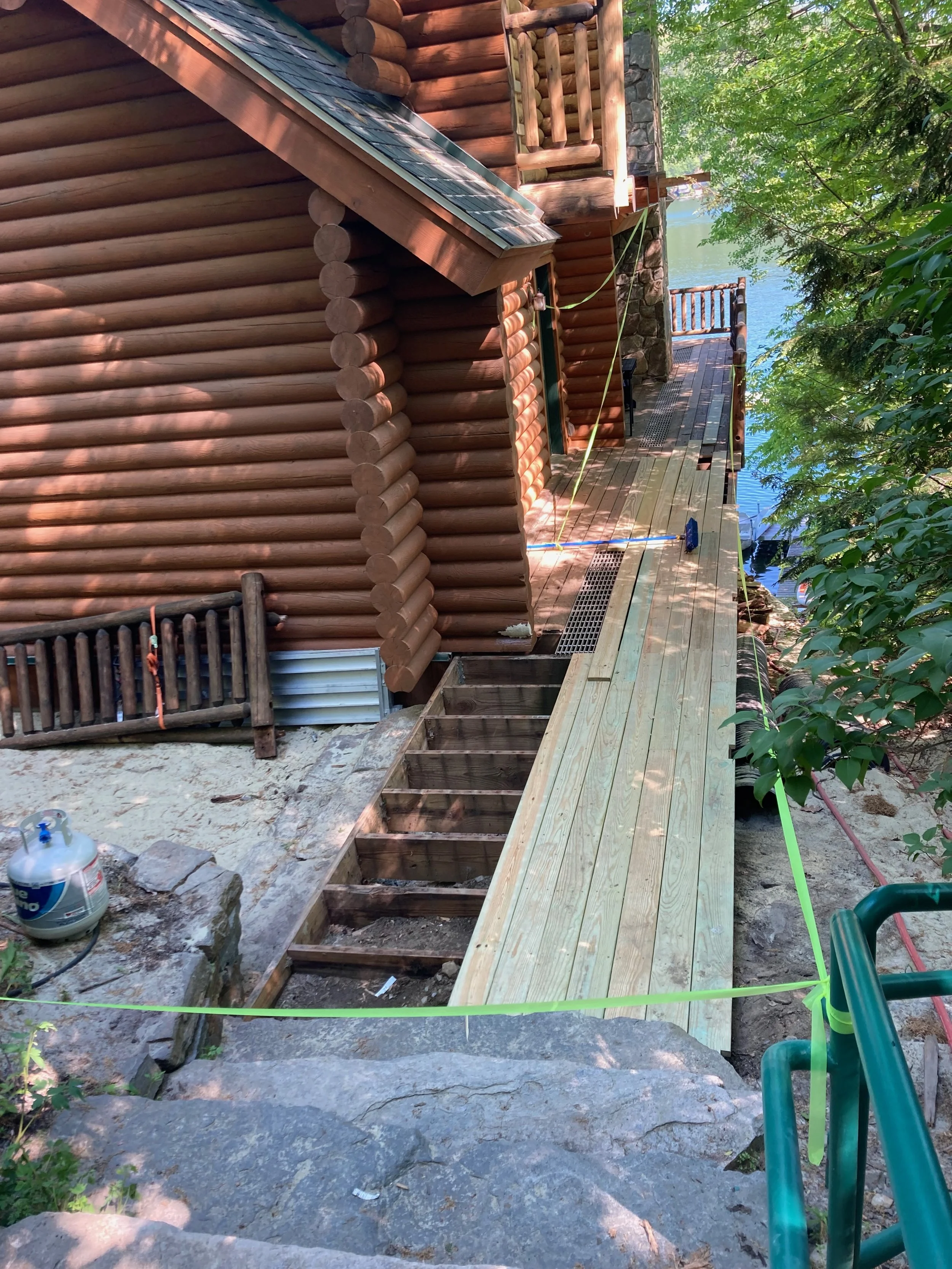
Full Log Home Restoration, Glover, VT, including 403 linear feet log repairs, 2021
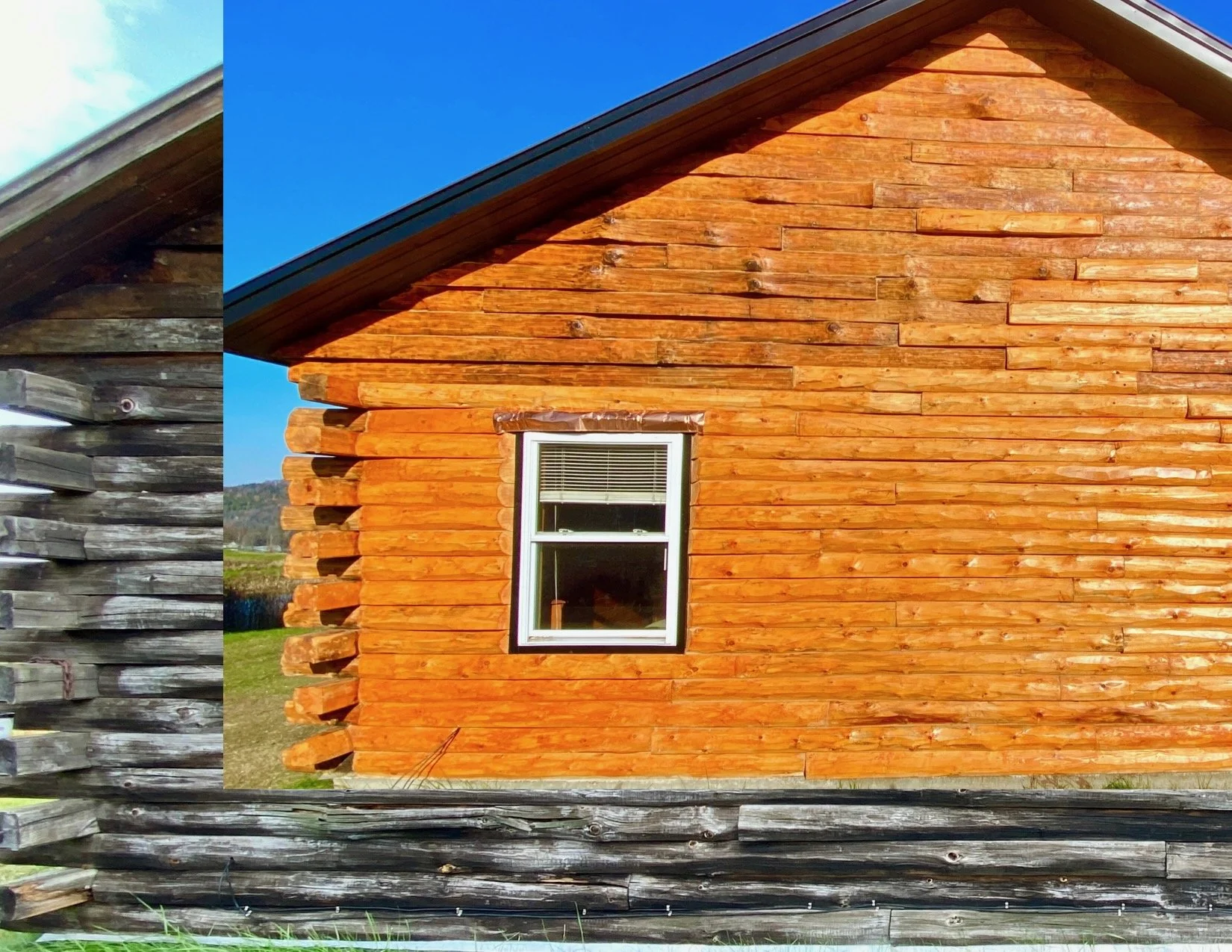
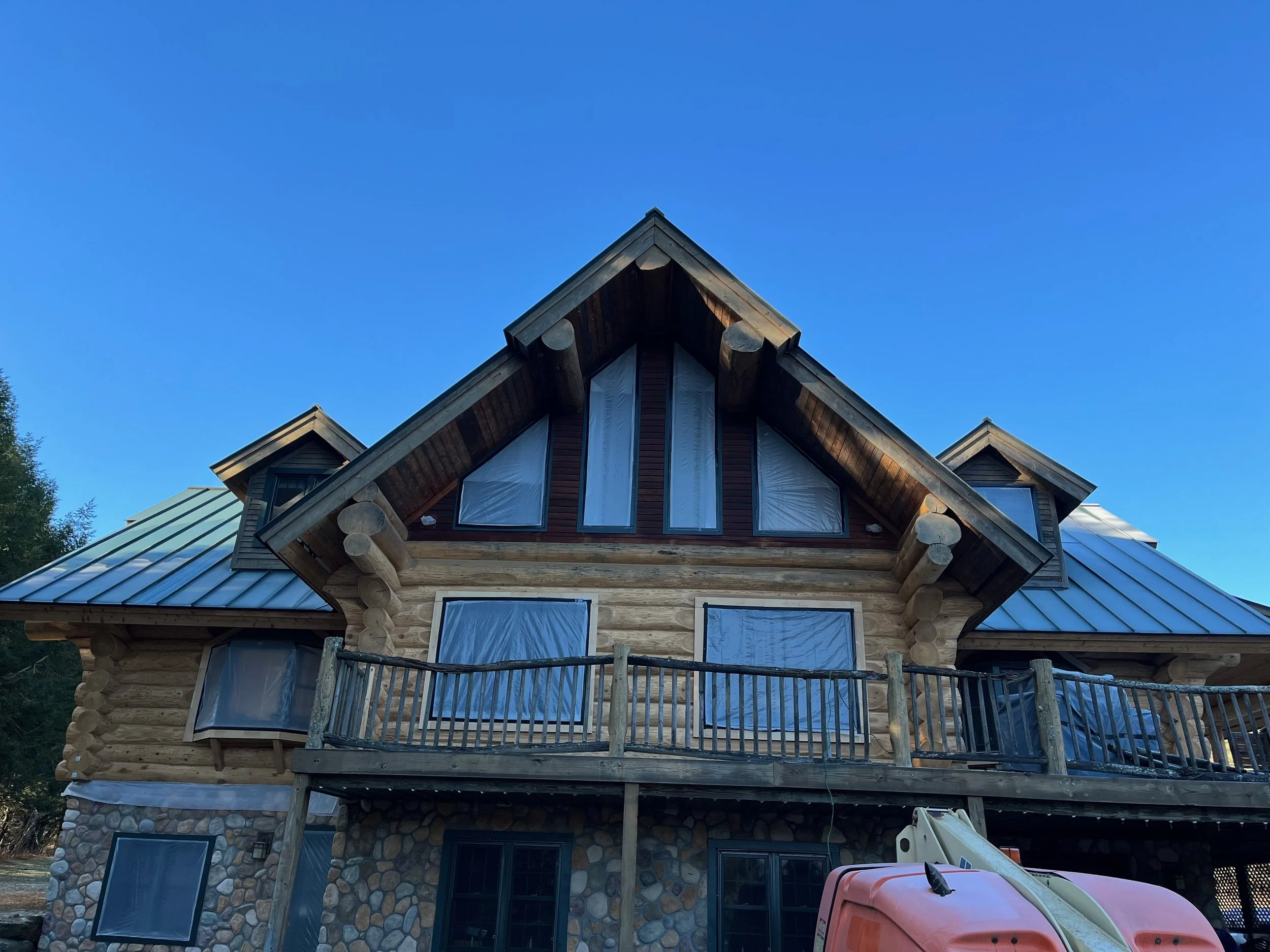
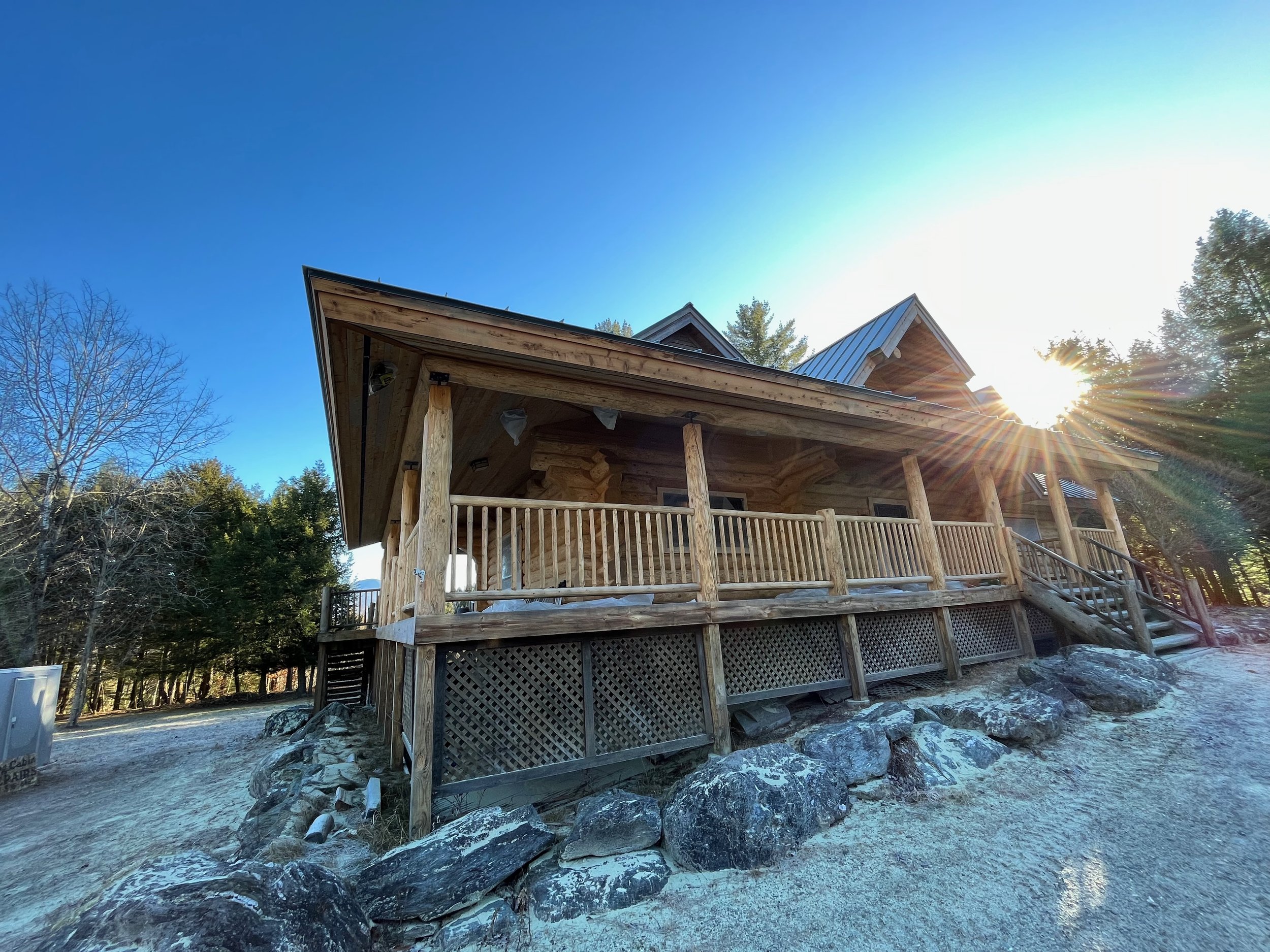
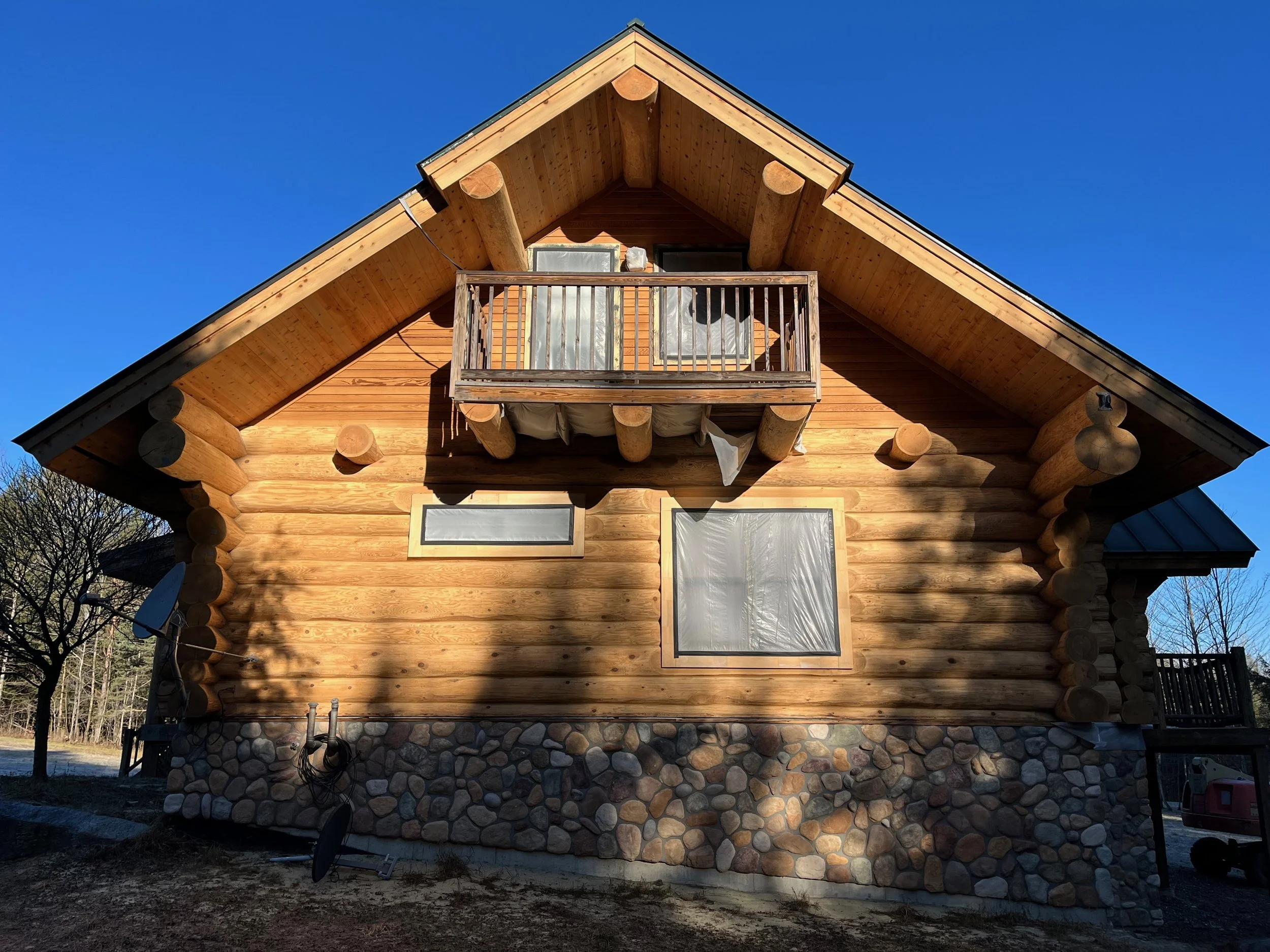
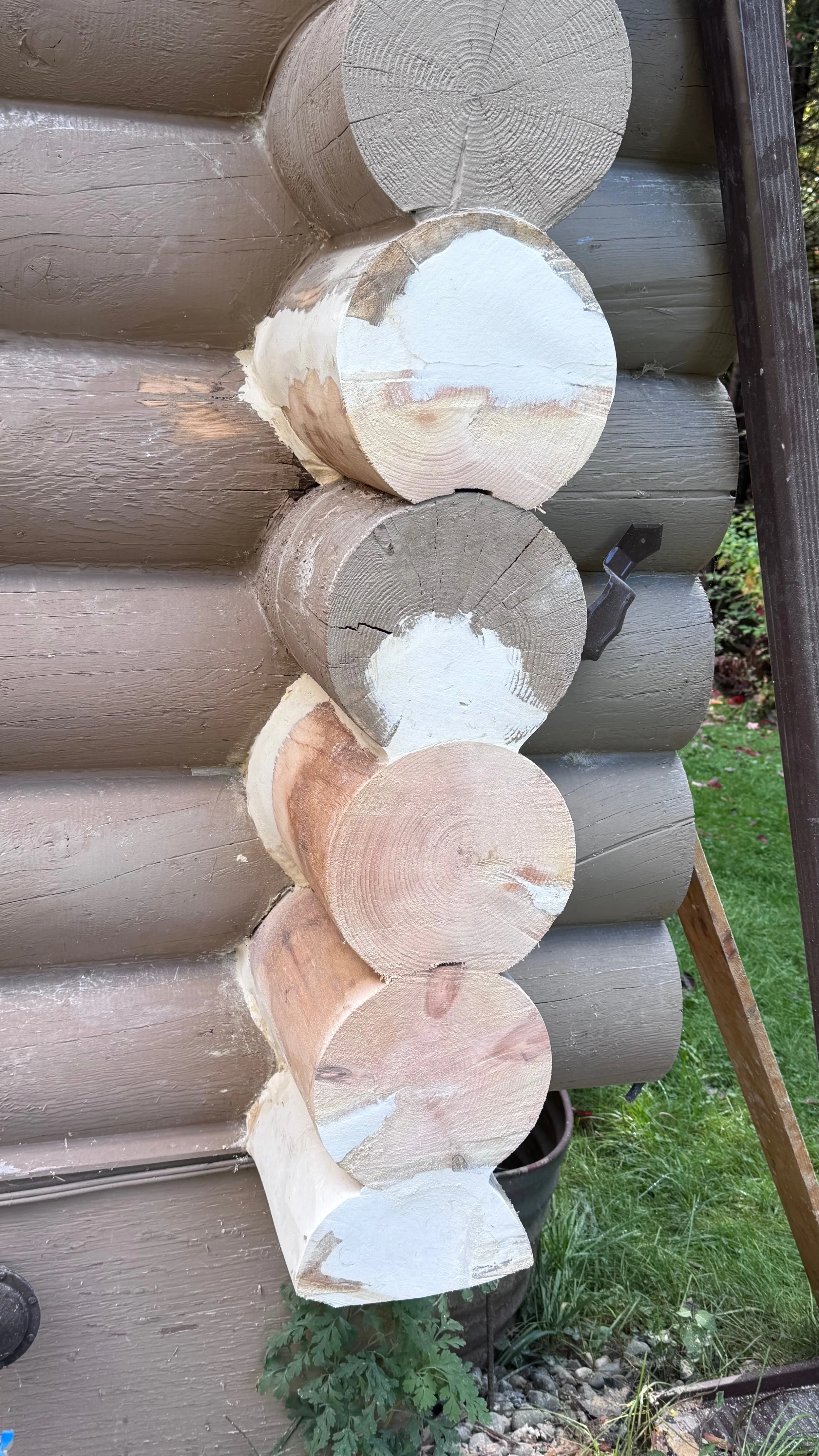
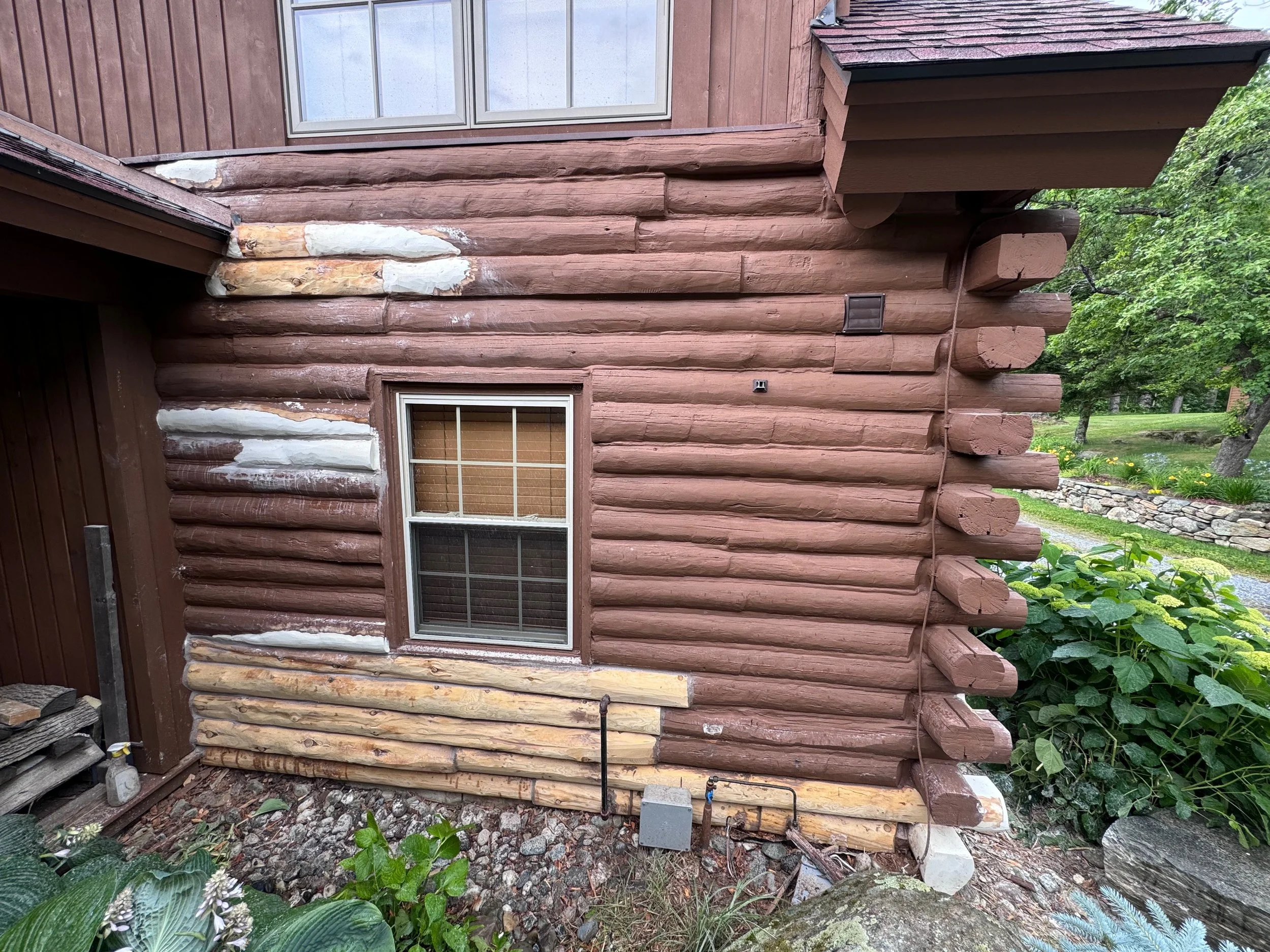
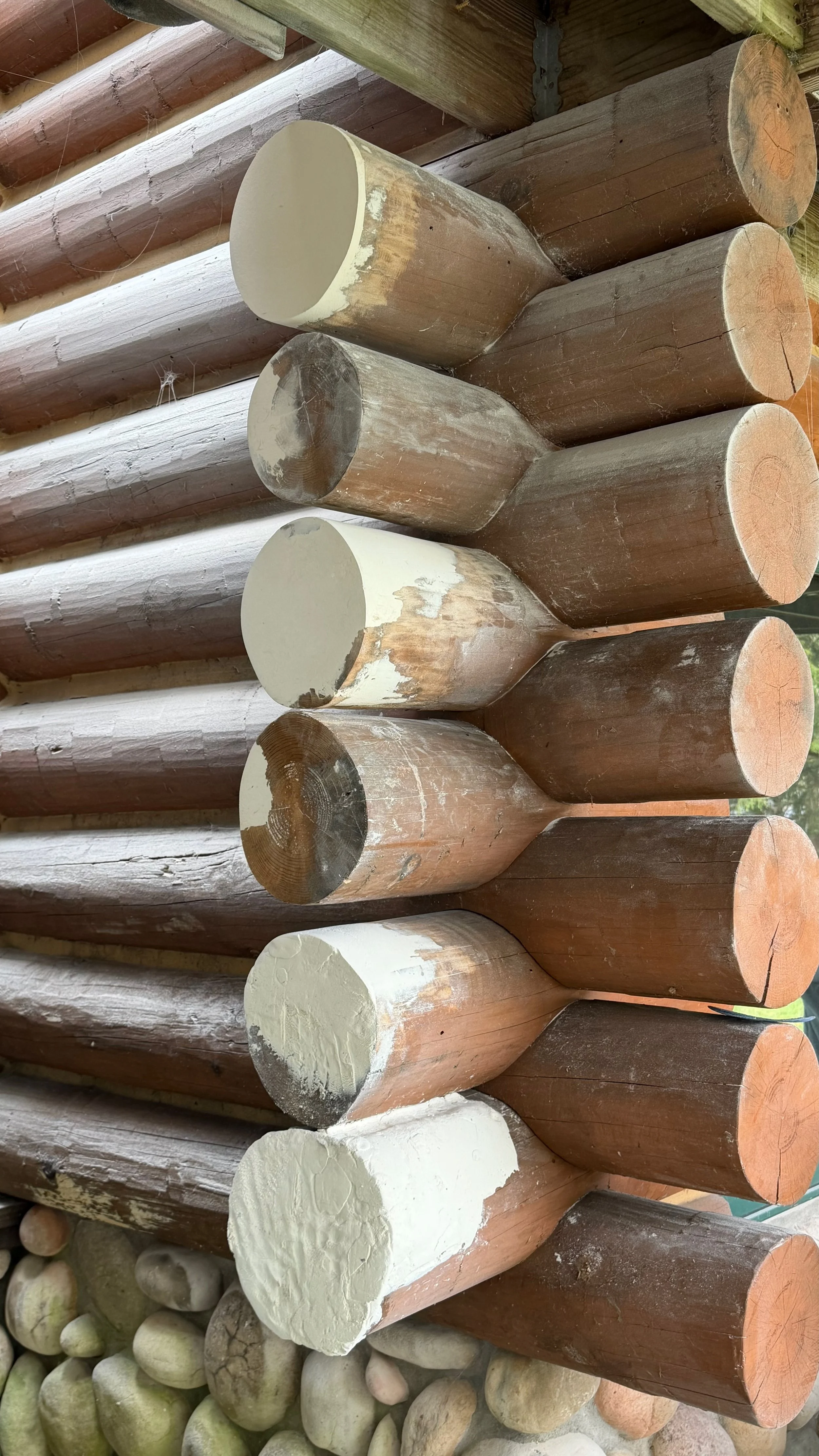
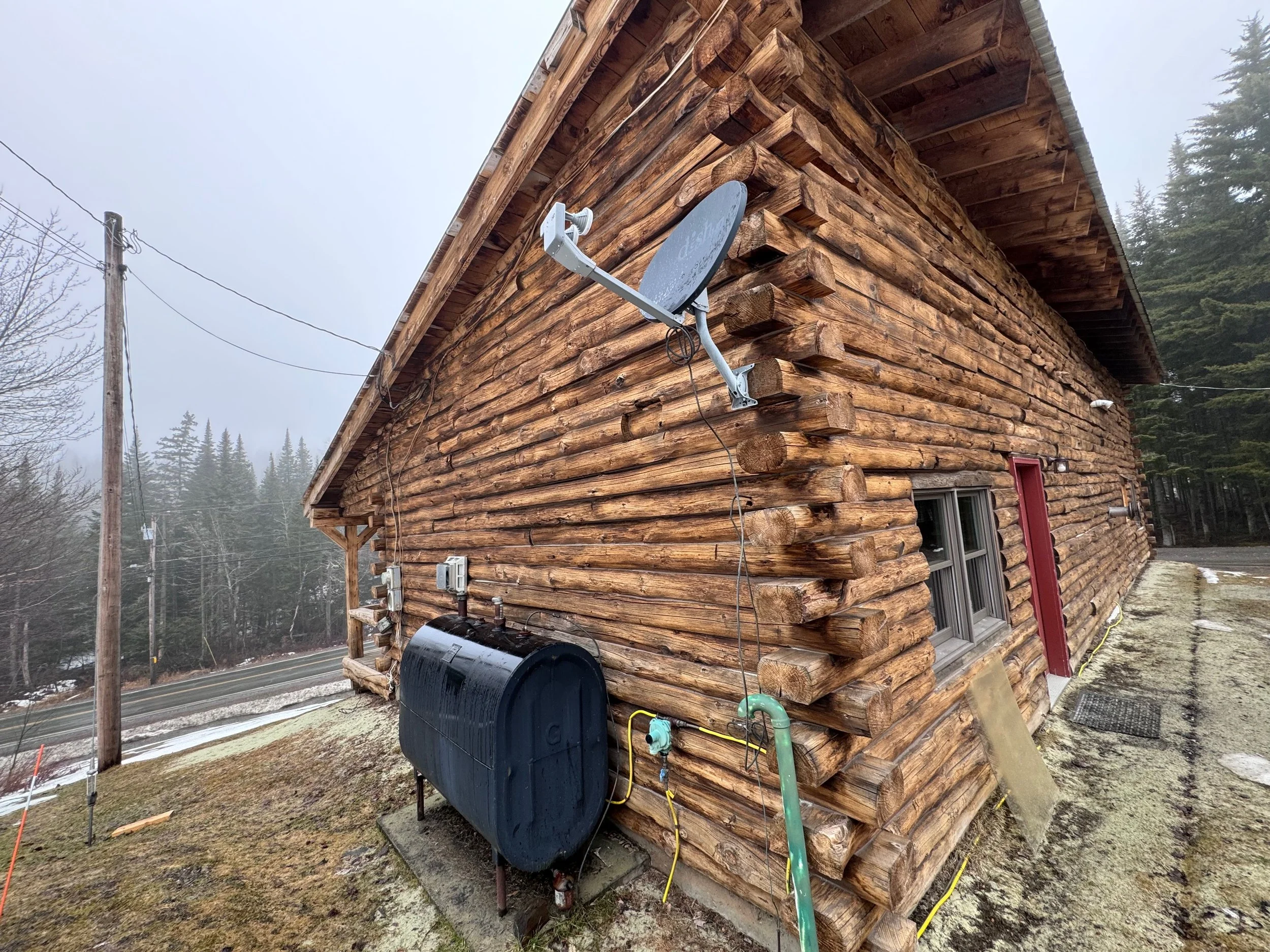
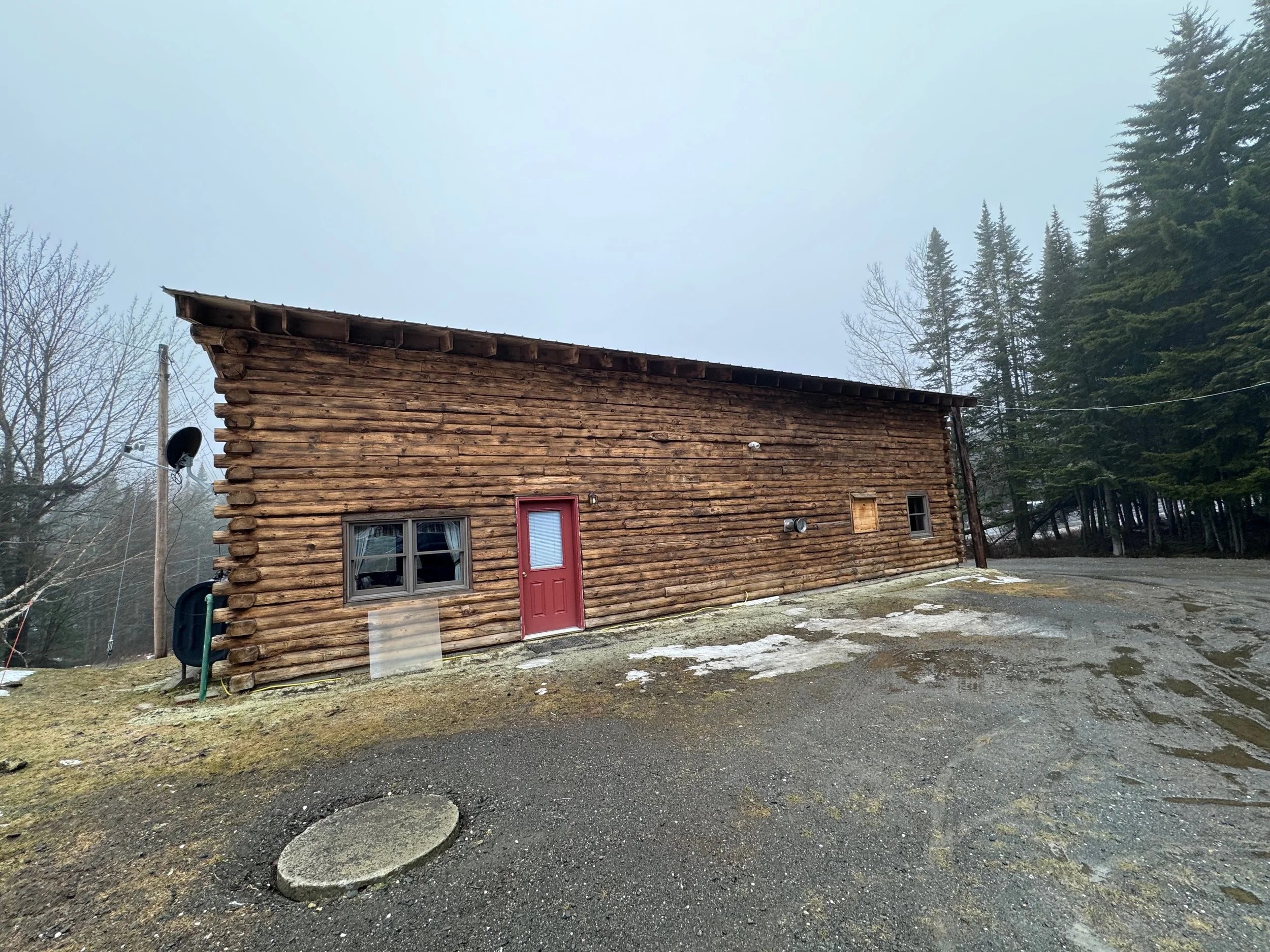
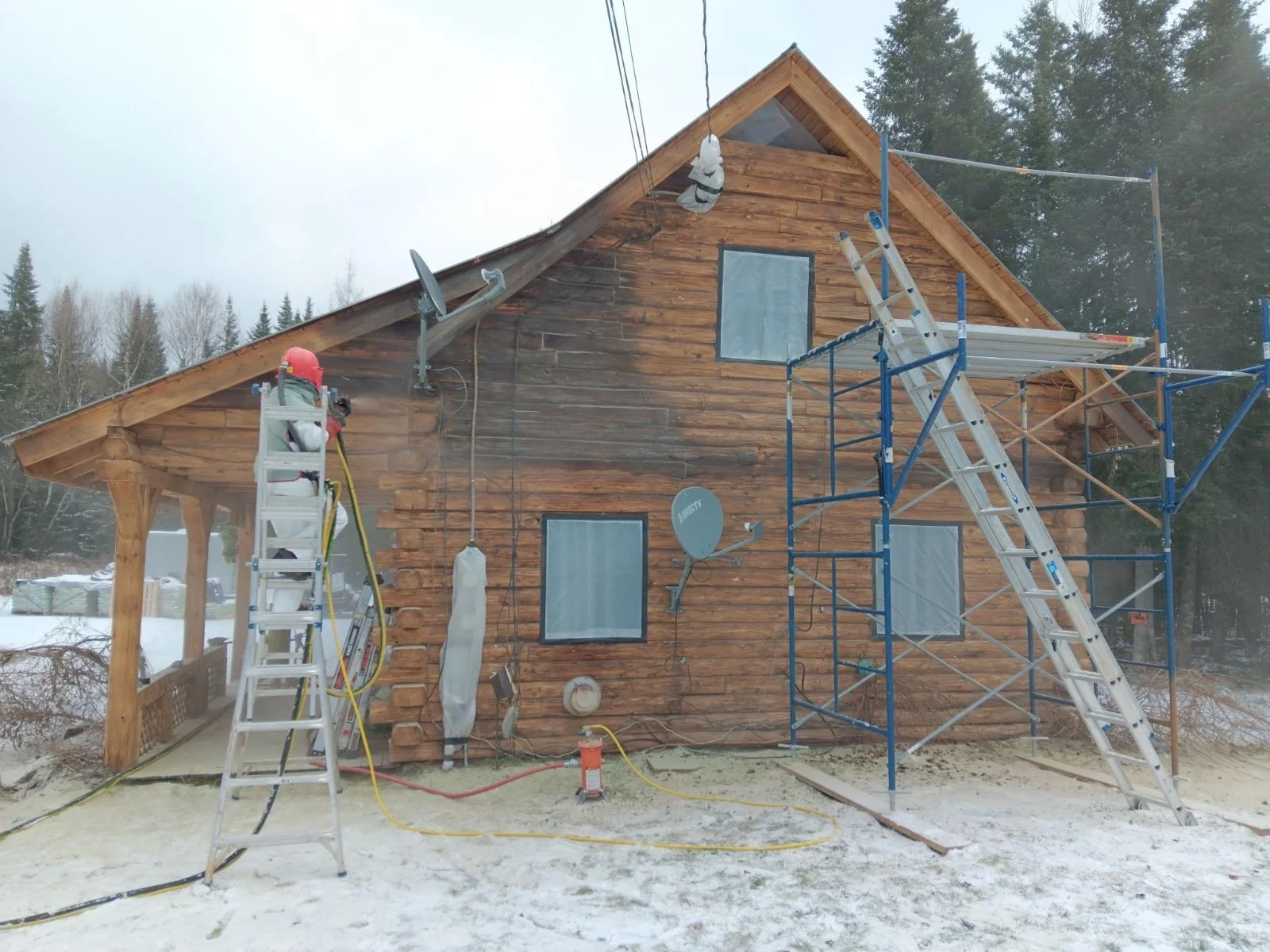
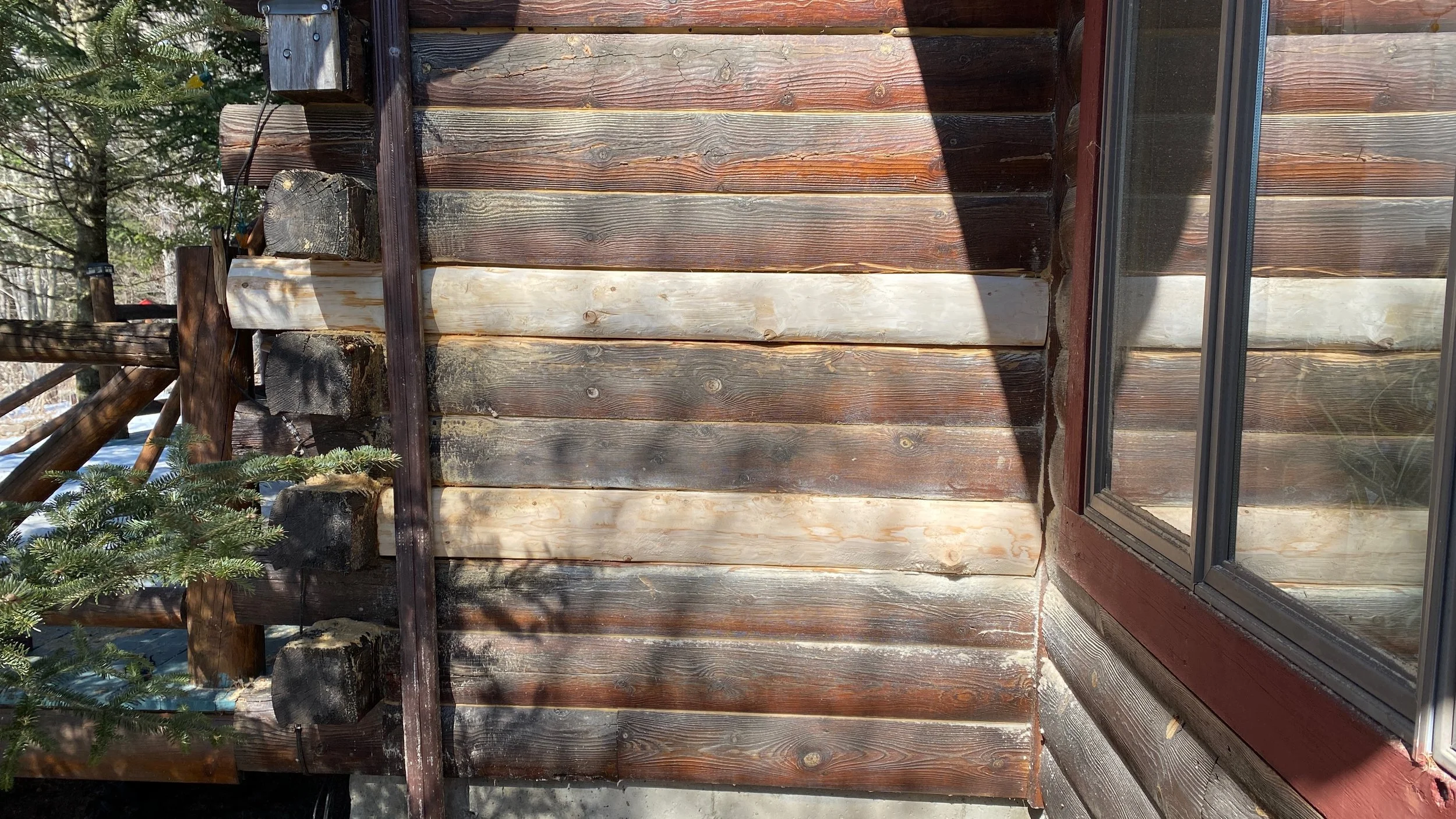
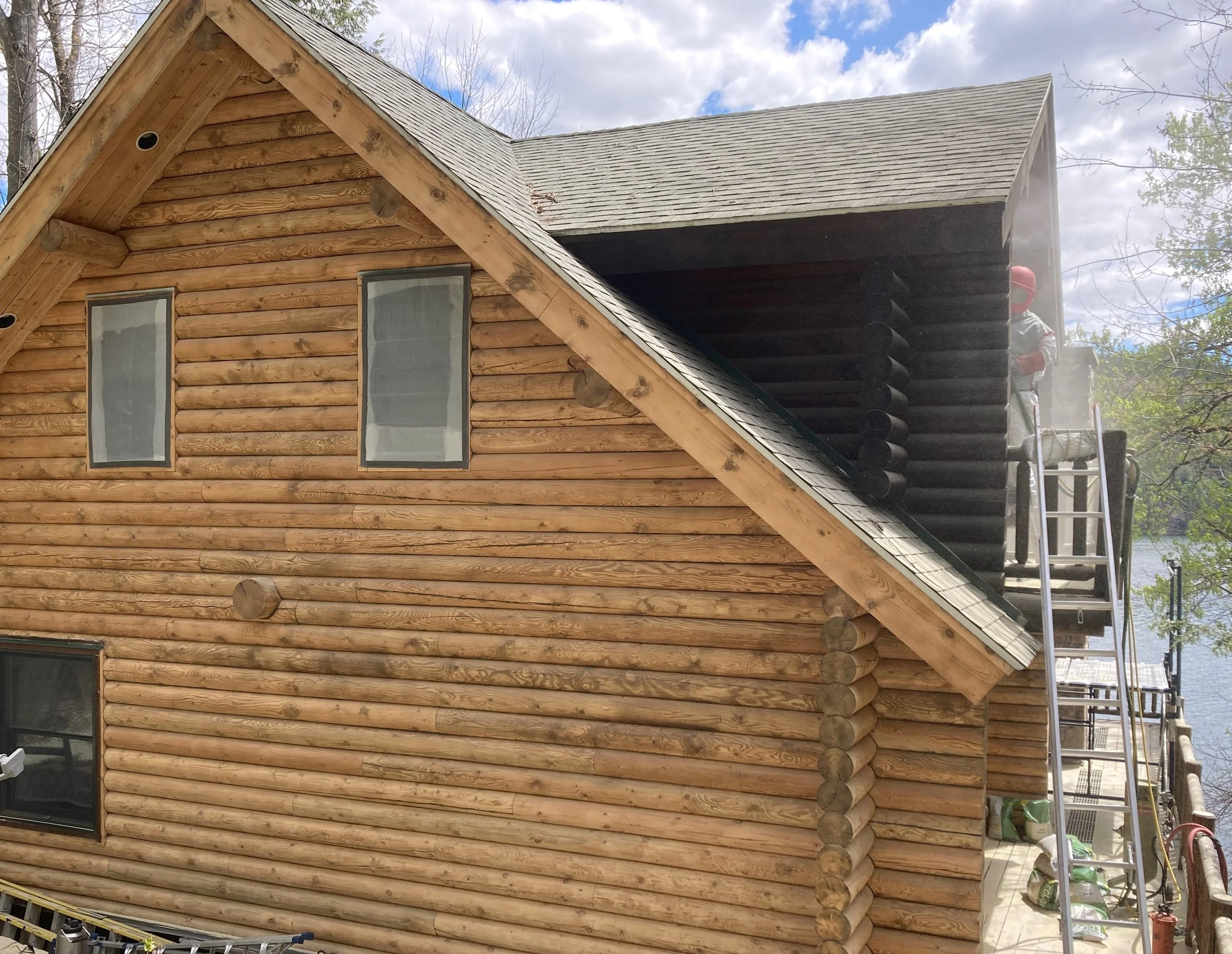
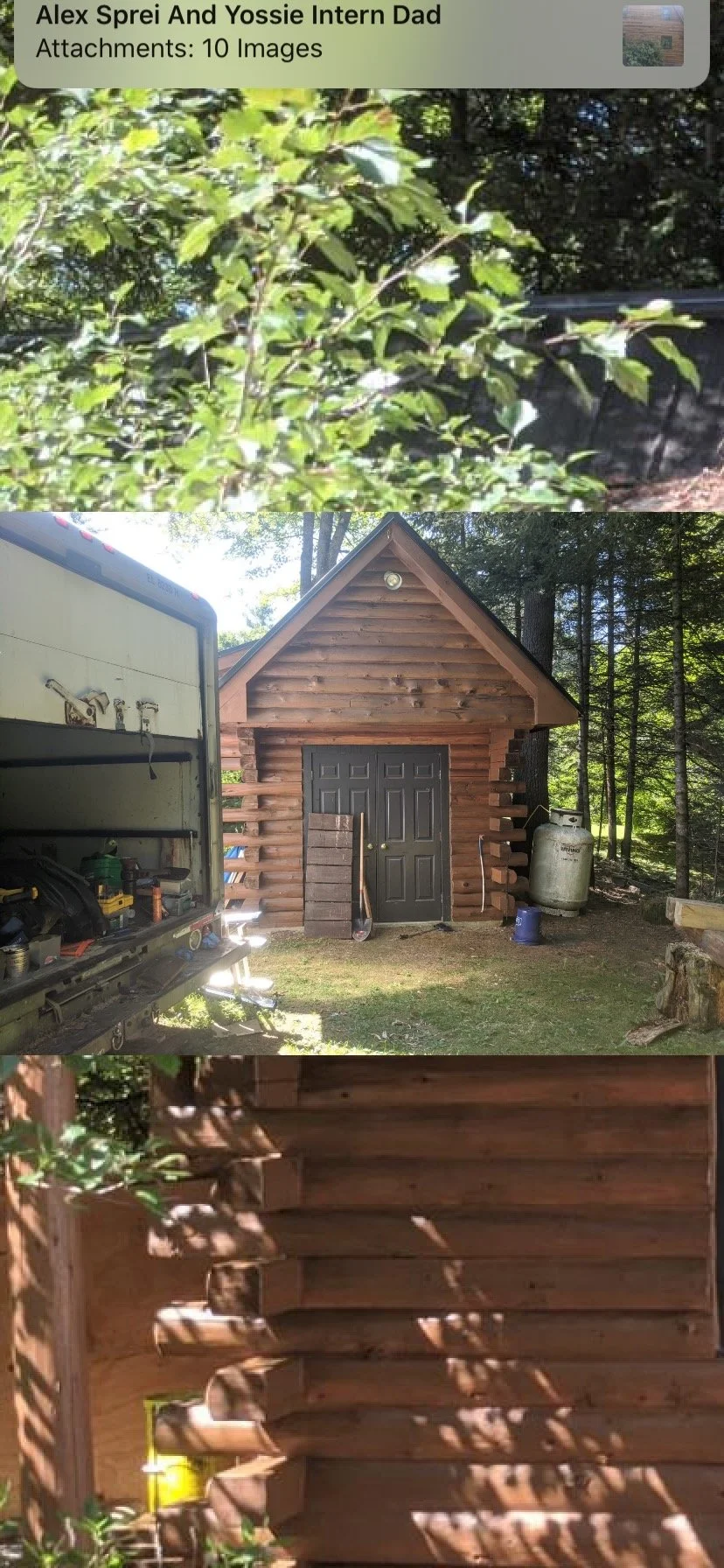
Full Log Home & Garage Restoration, Montgomery, VT, media blasting, 2022
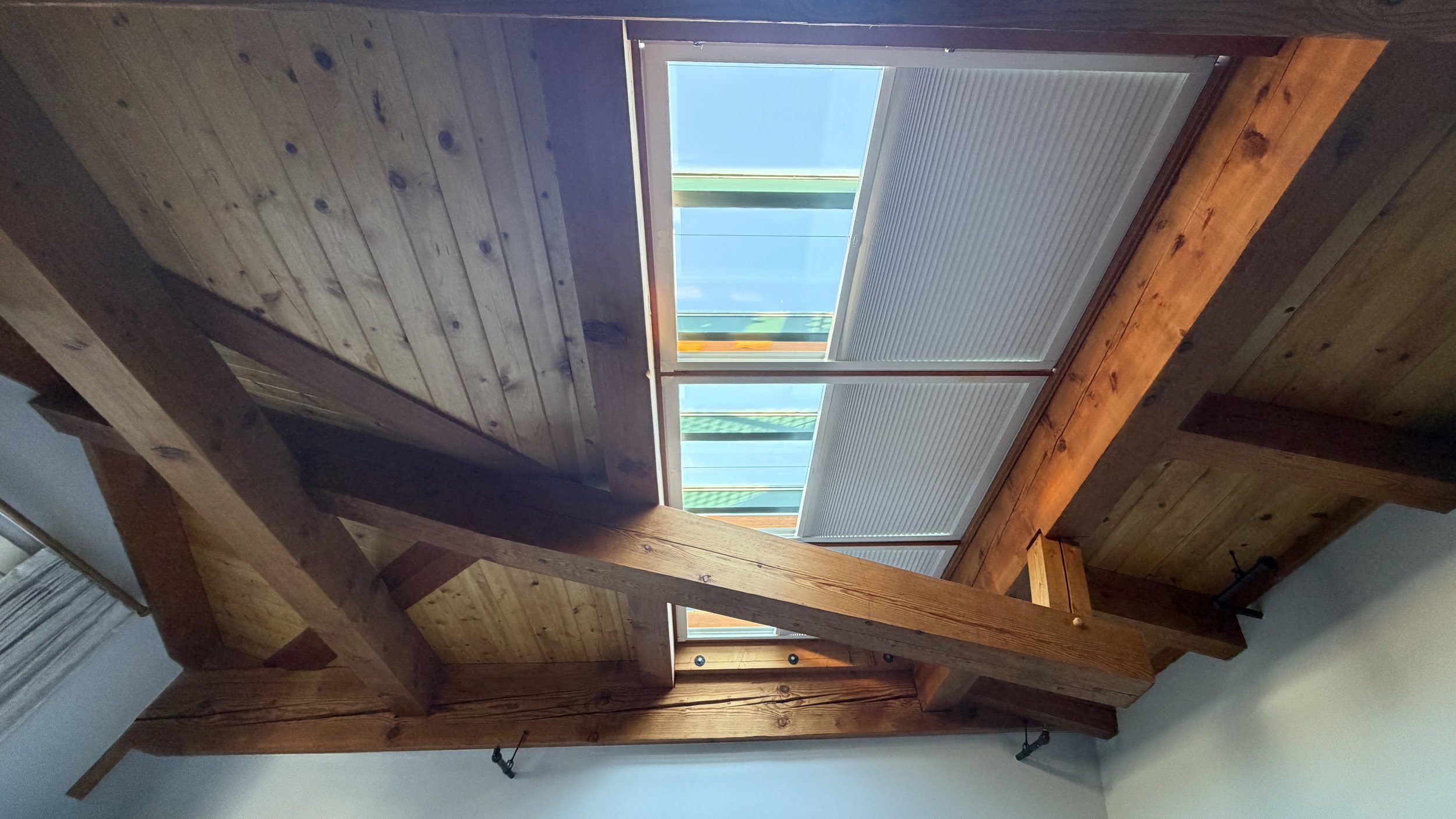
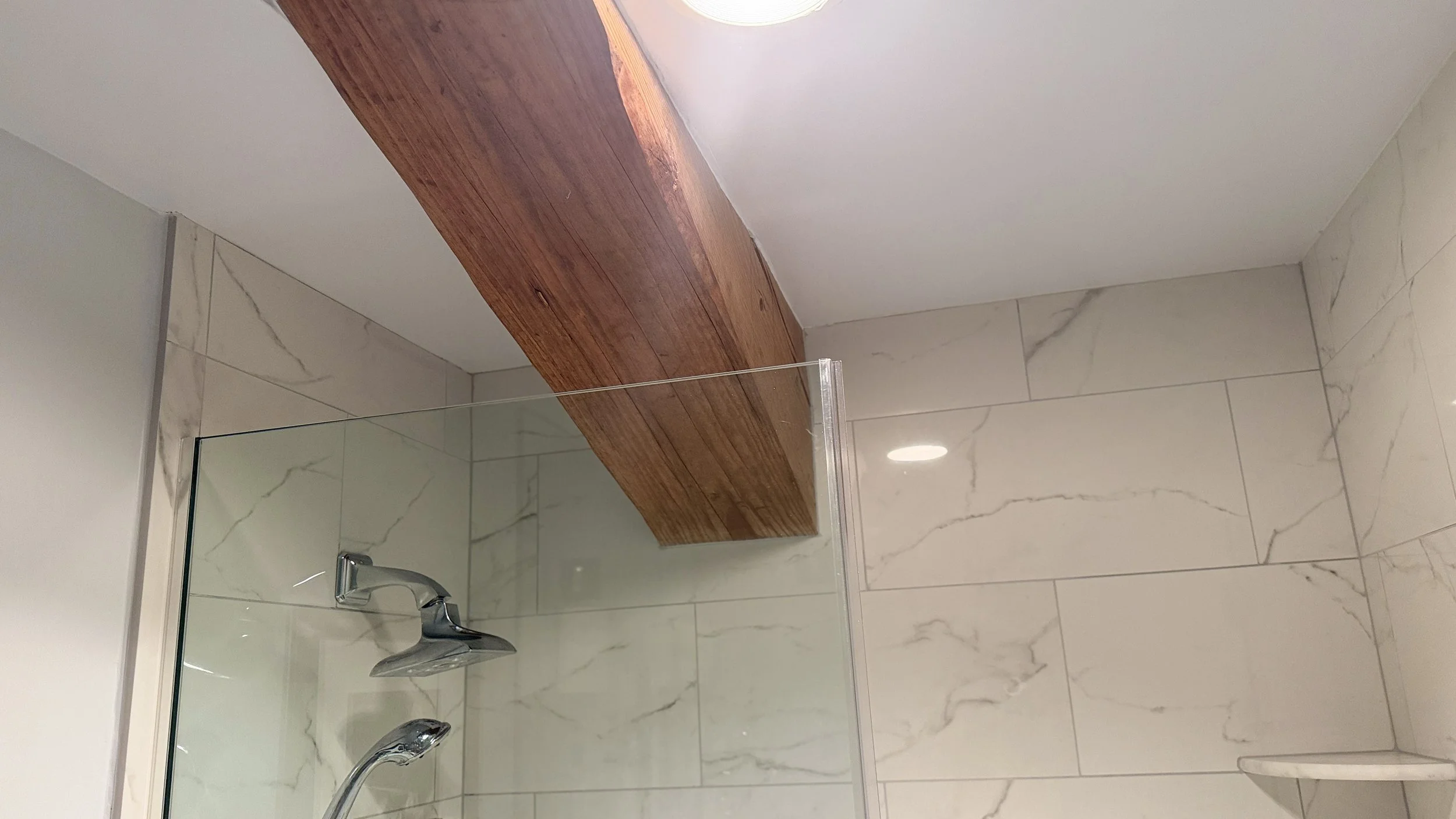
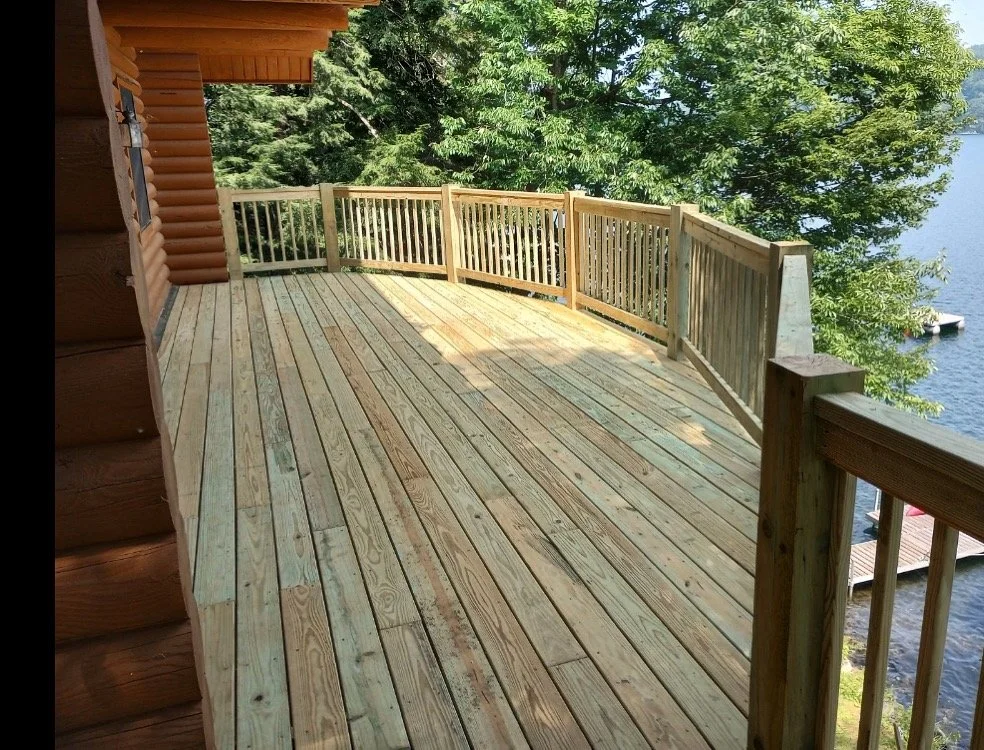
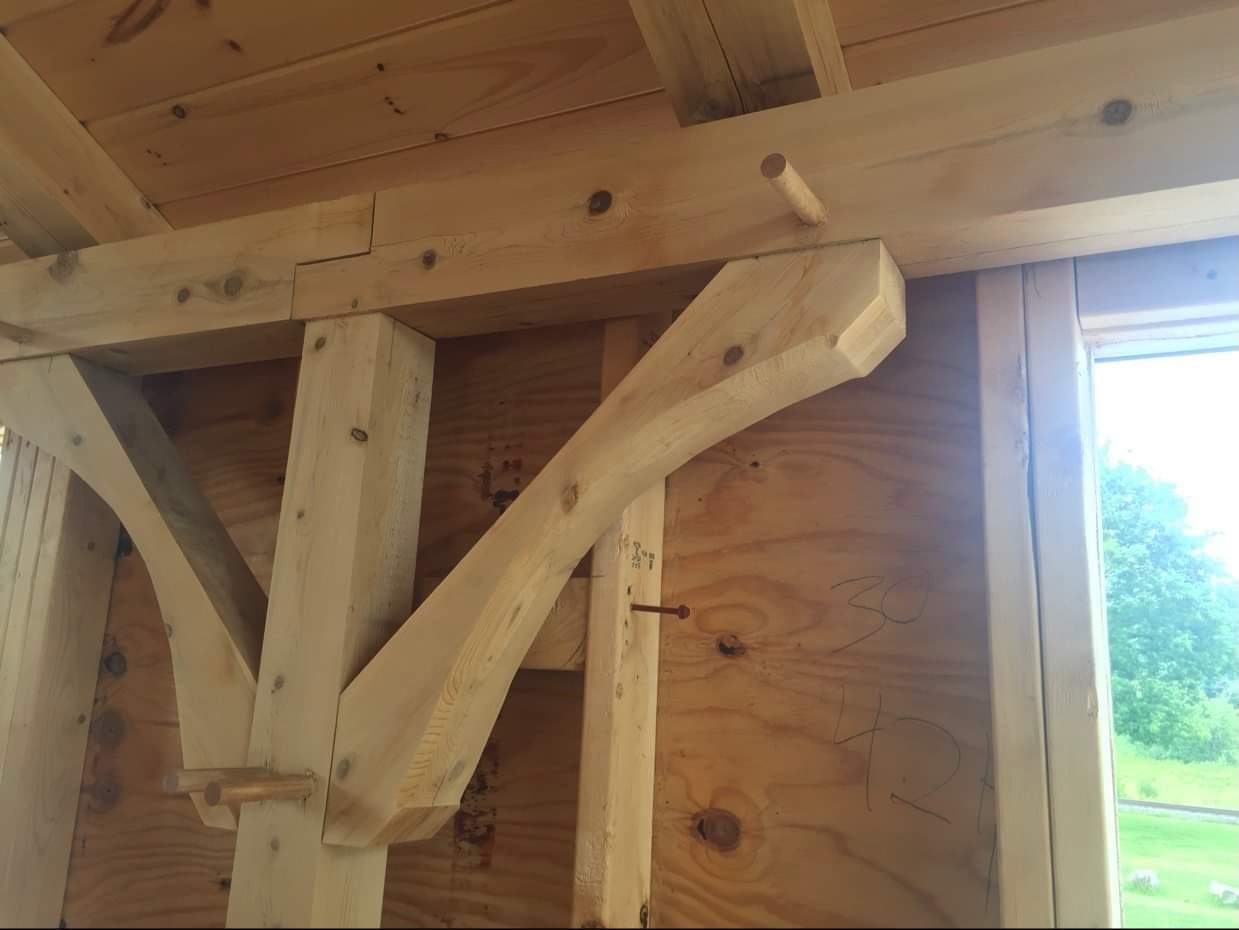
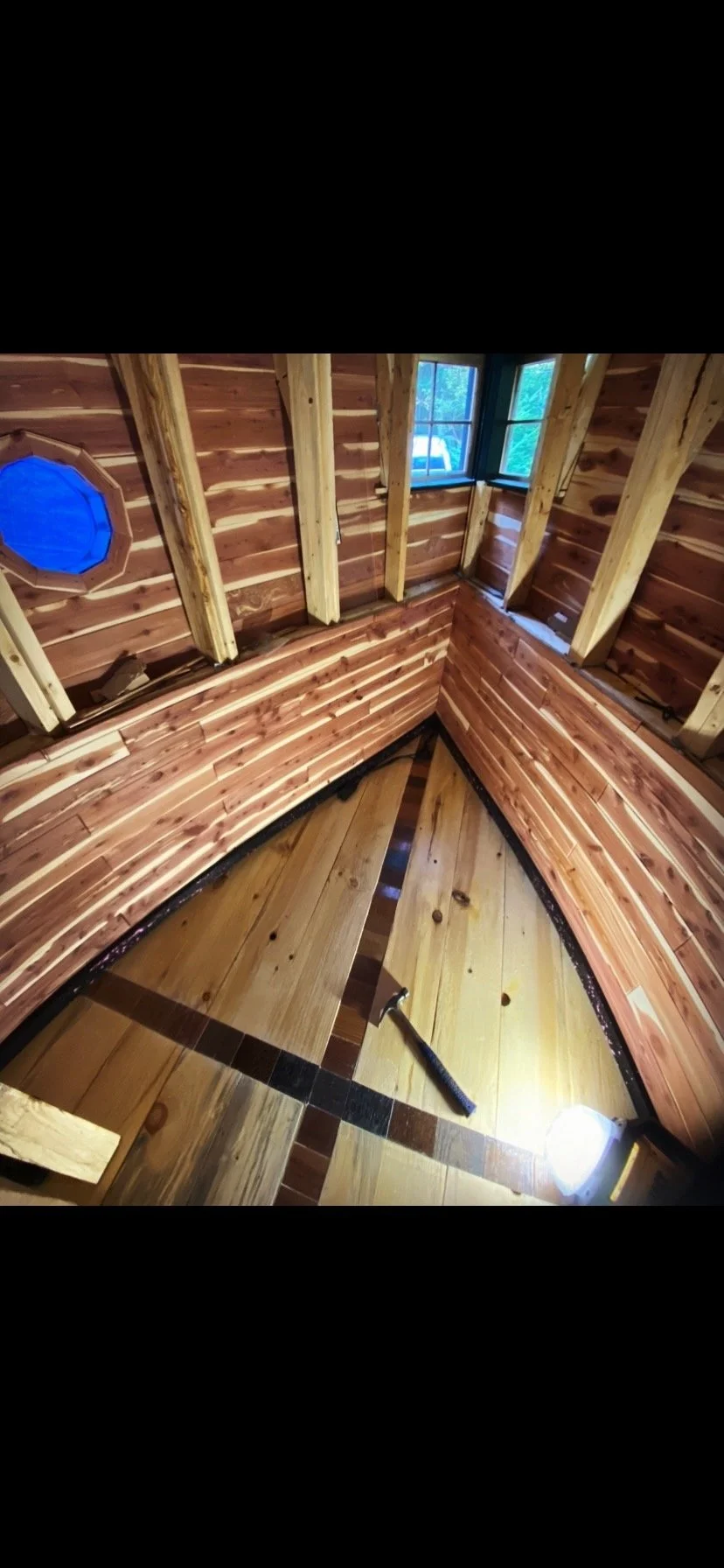
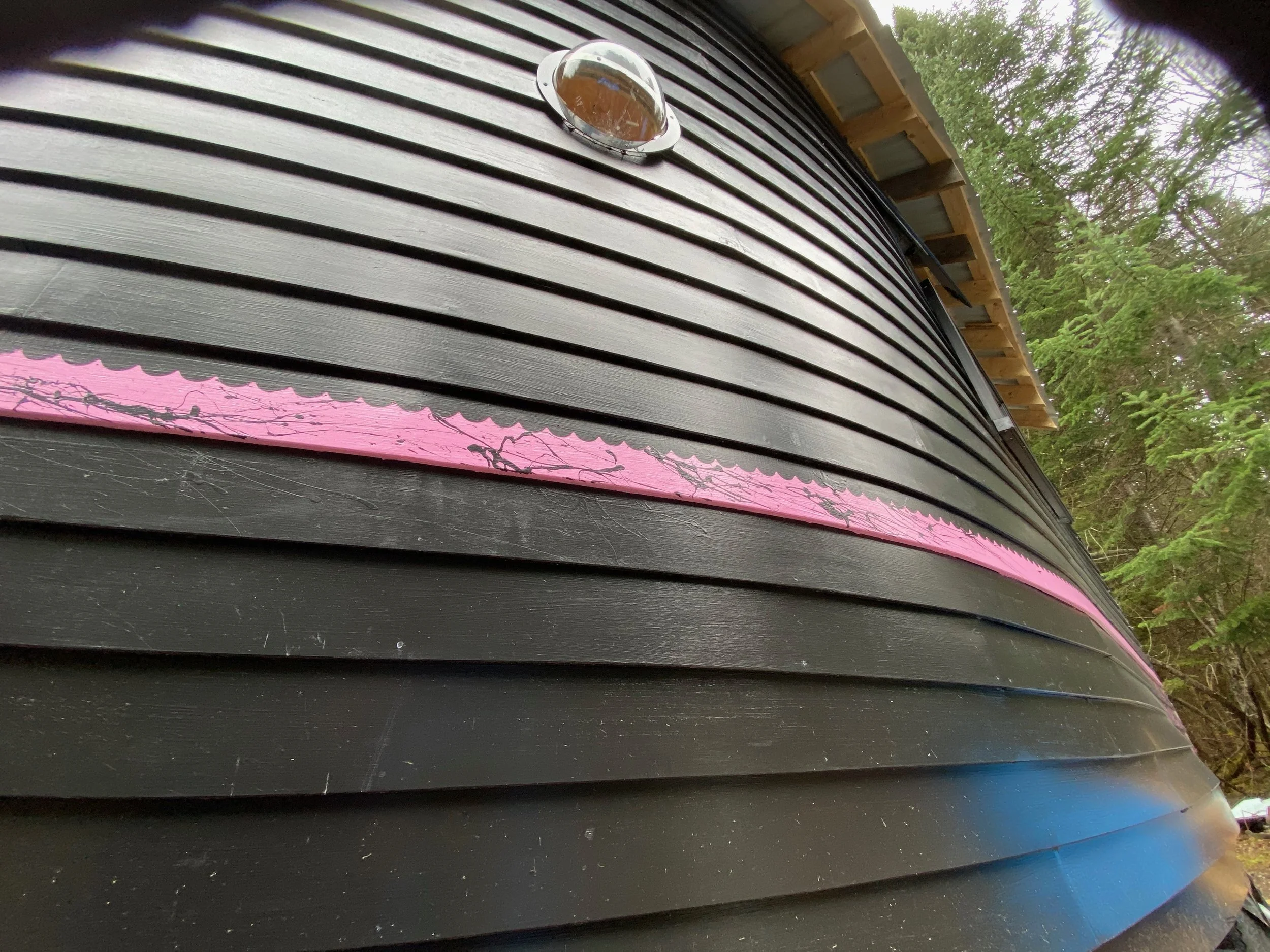
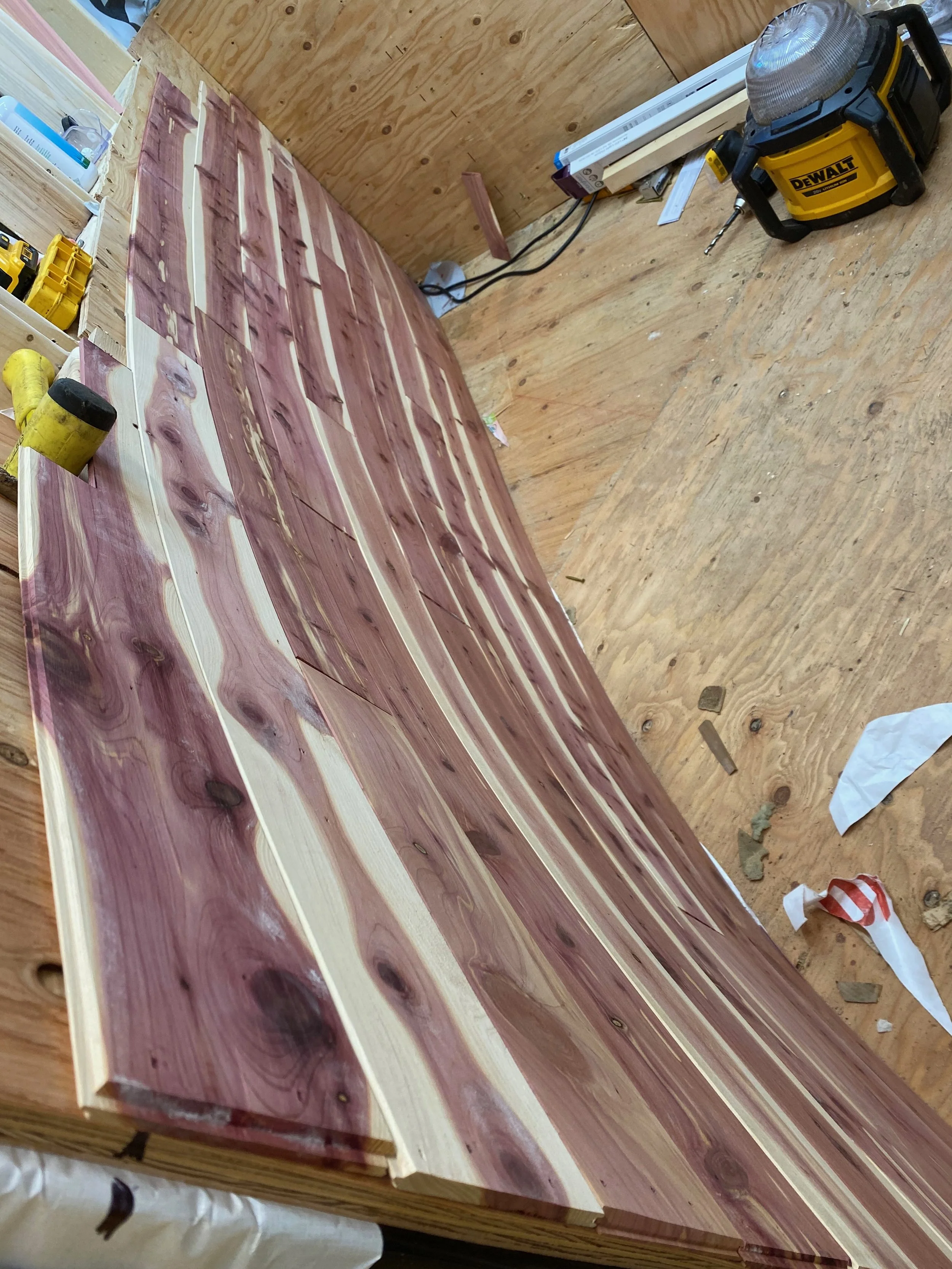
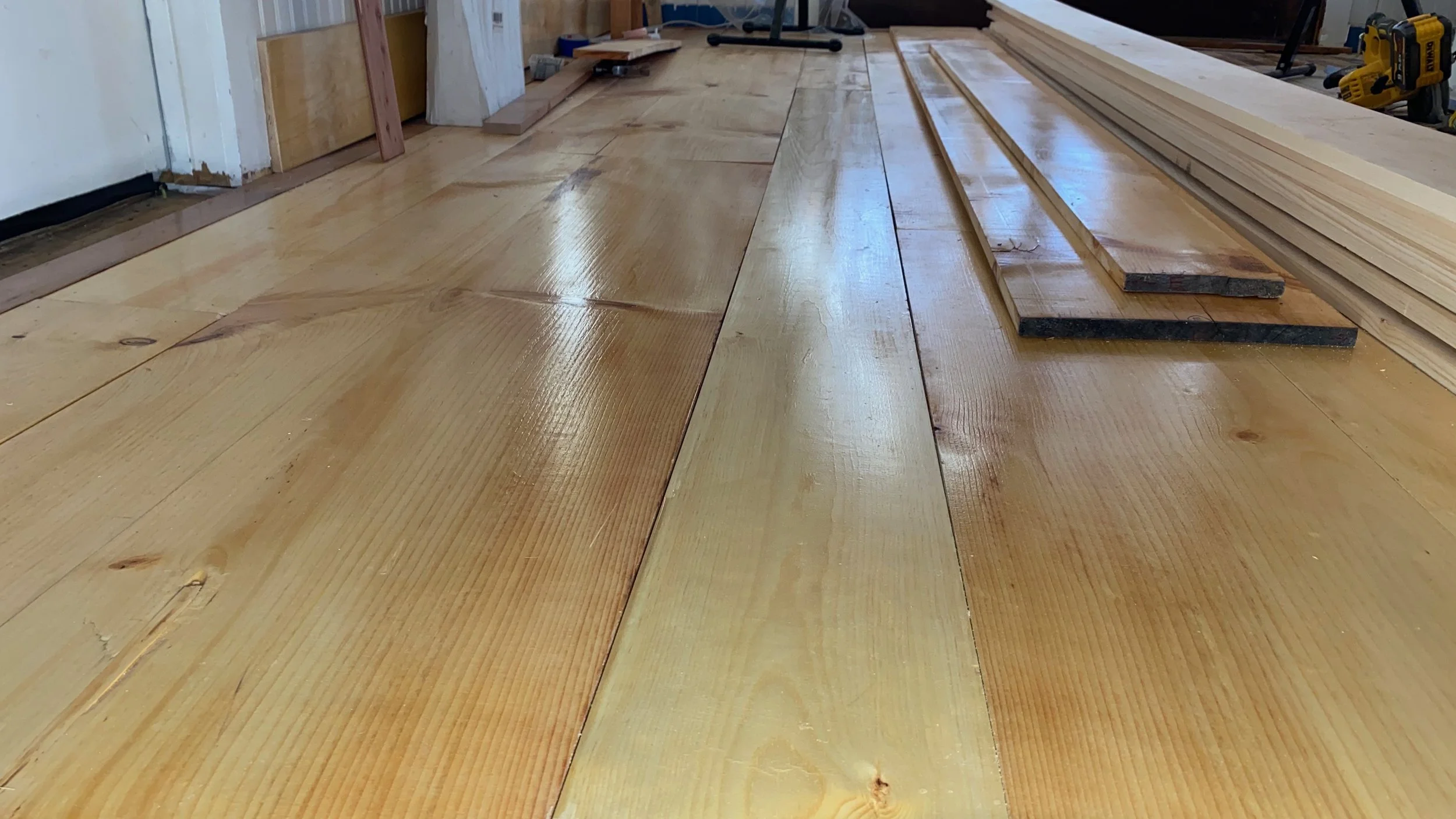
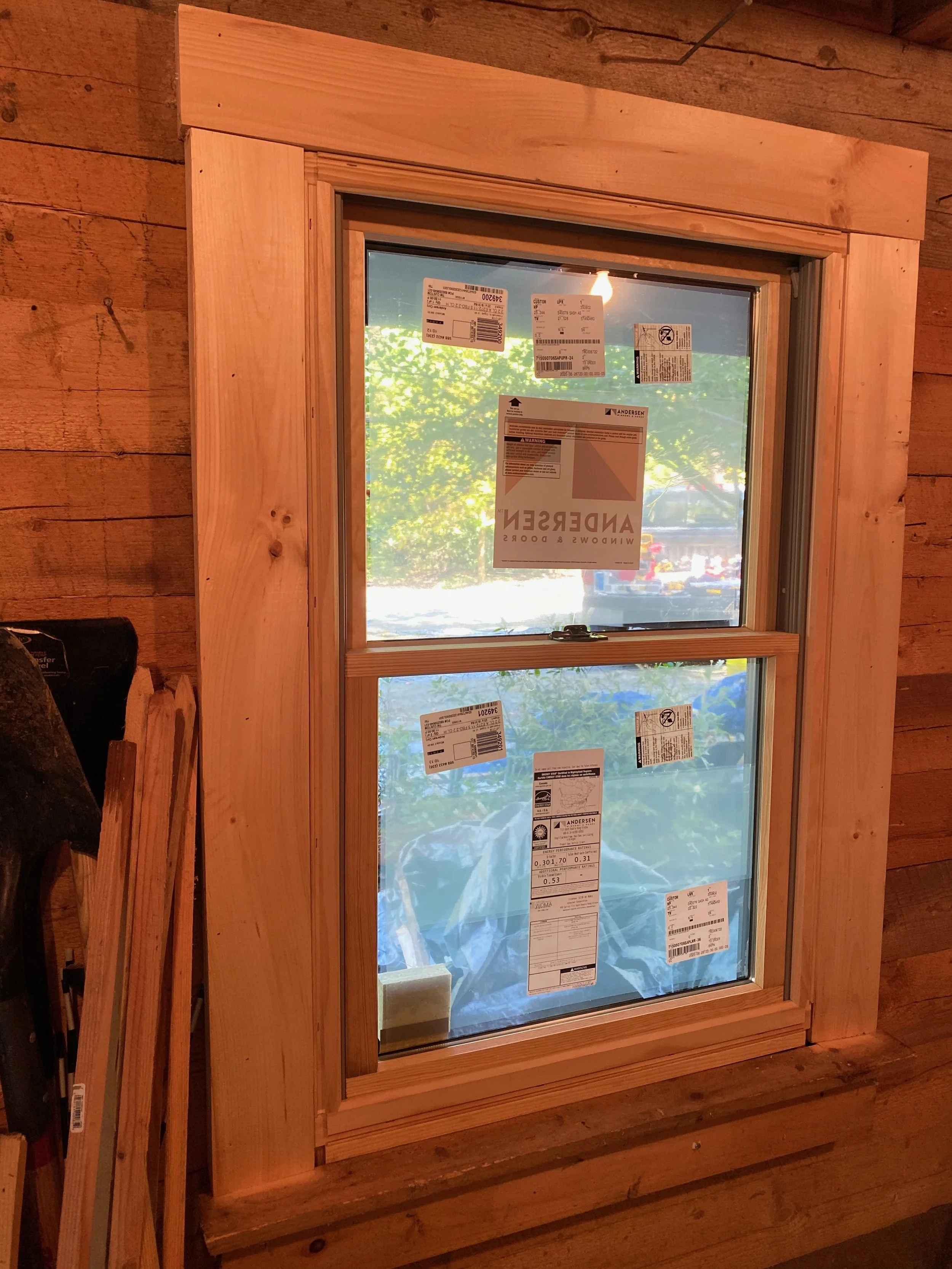
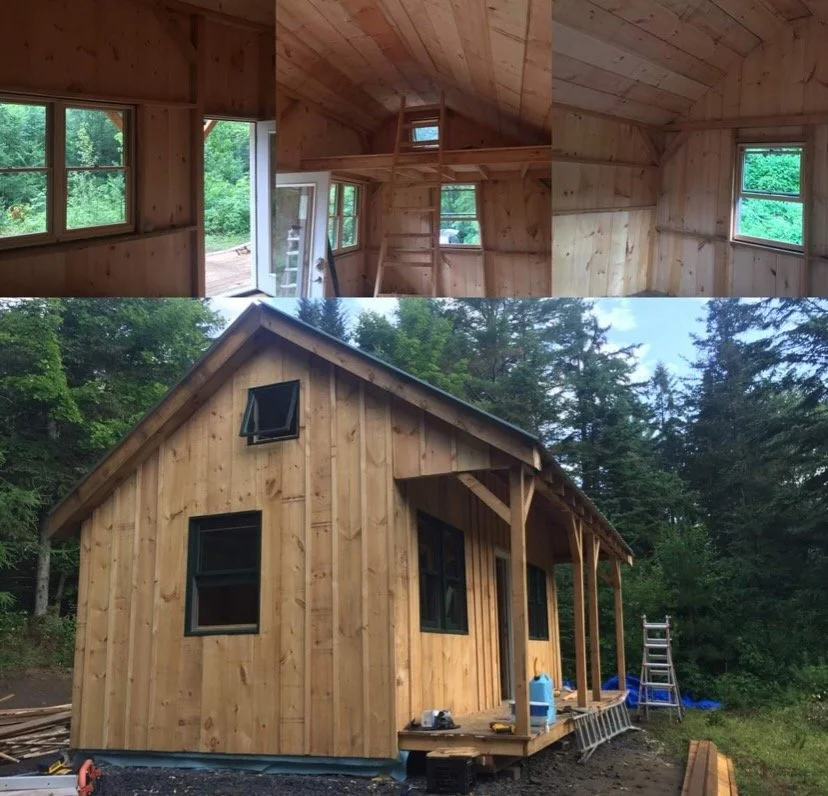
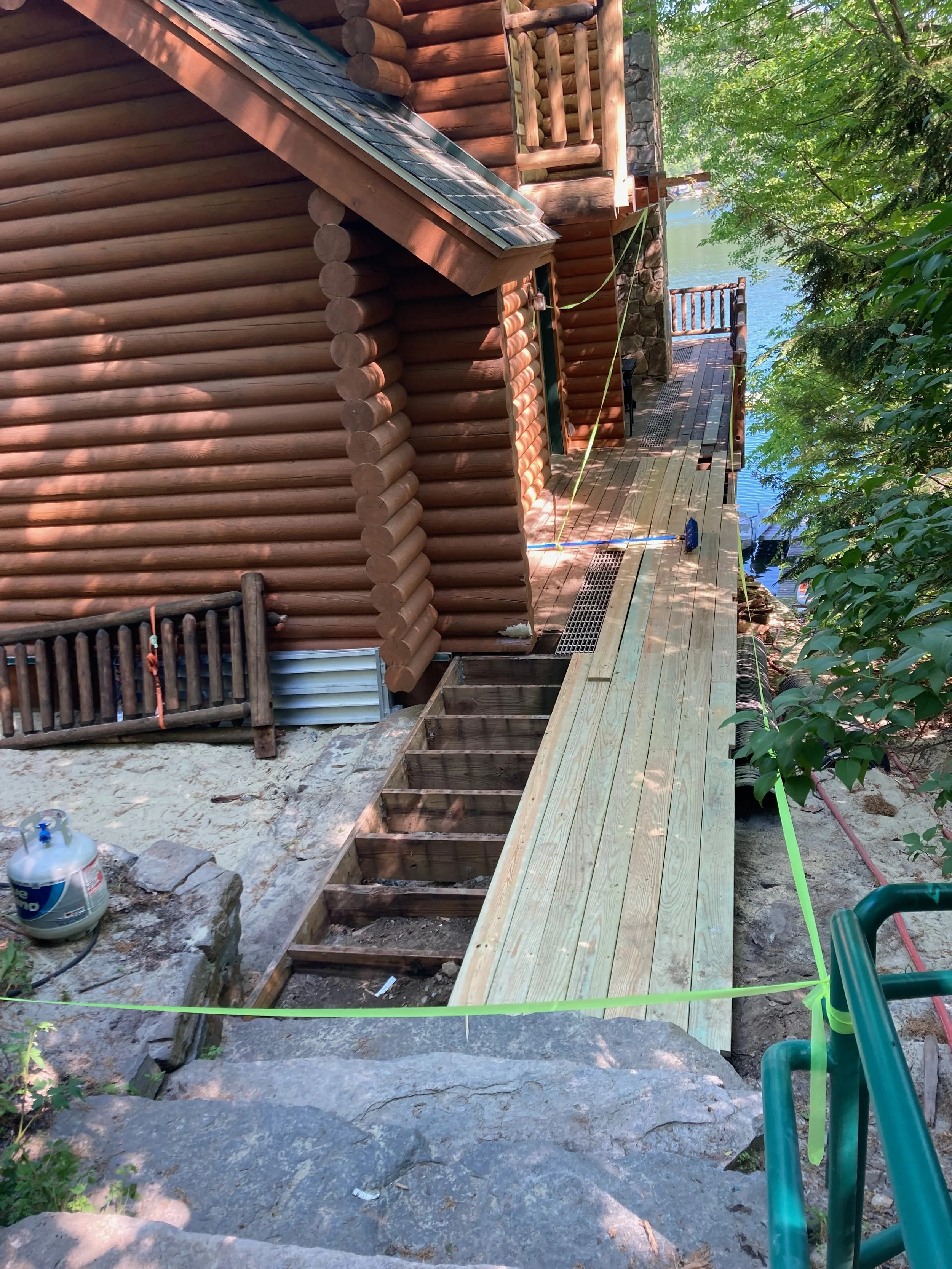
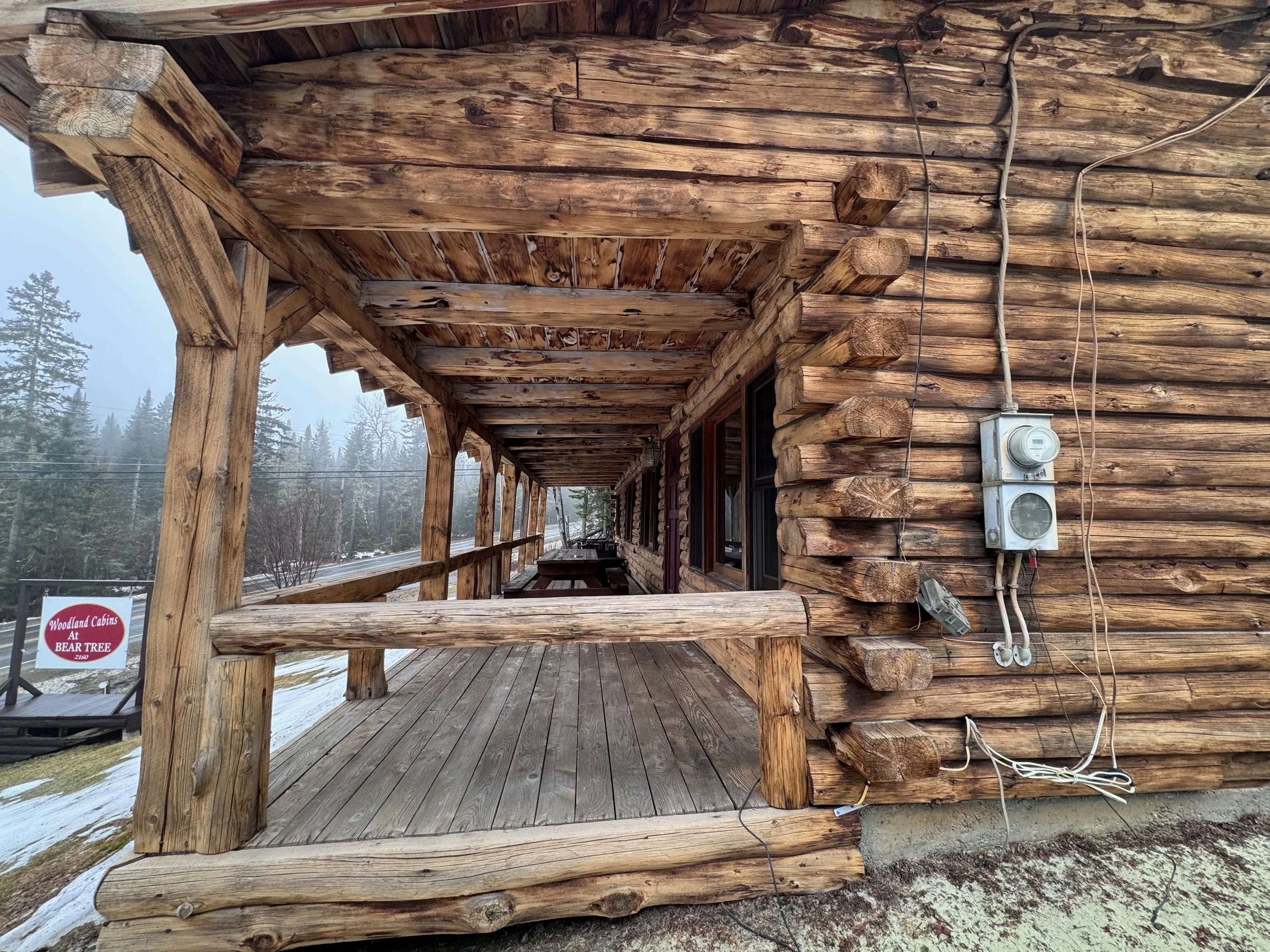
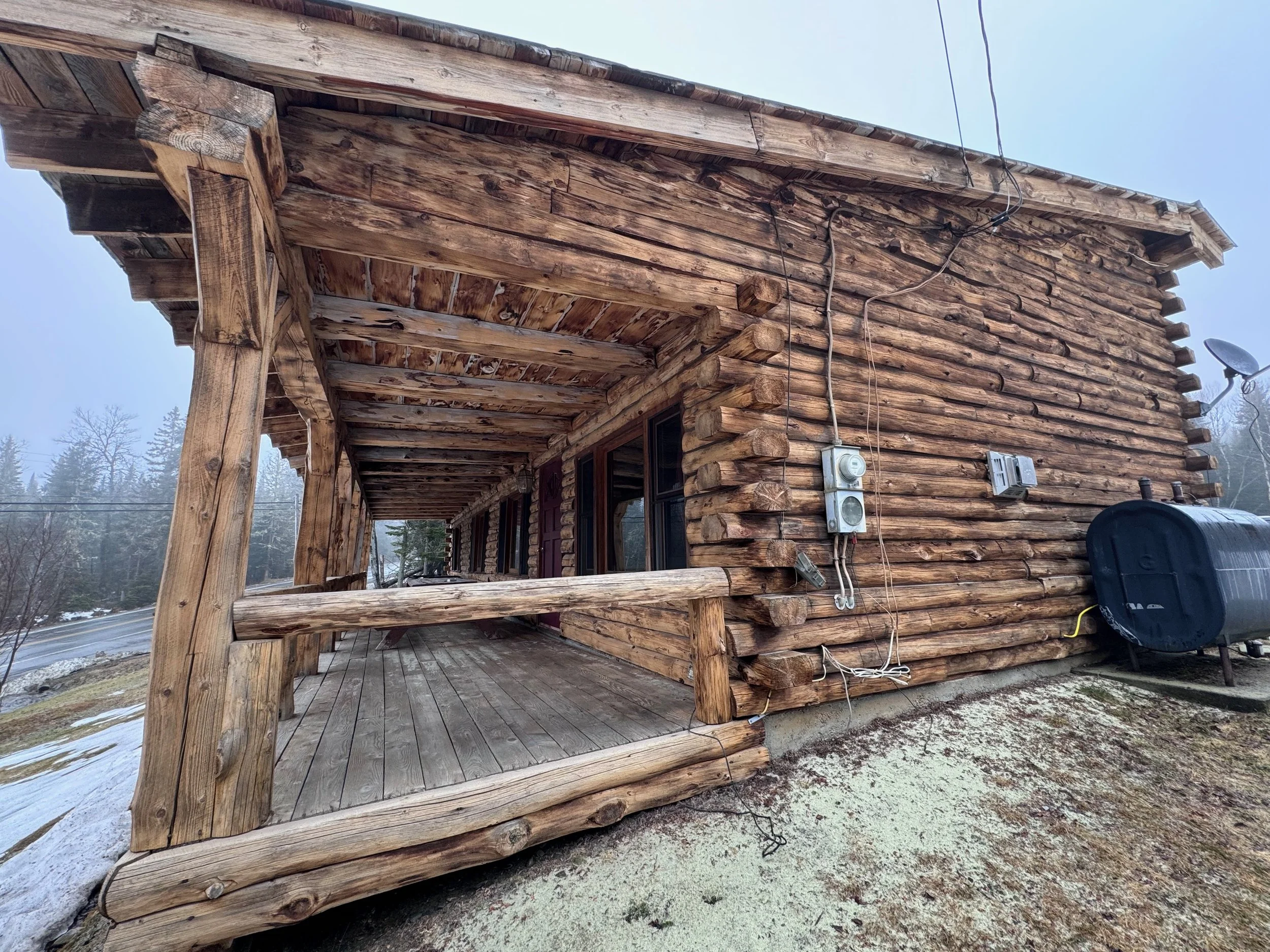
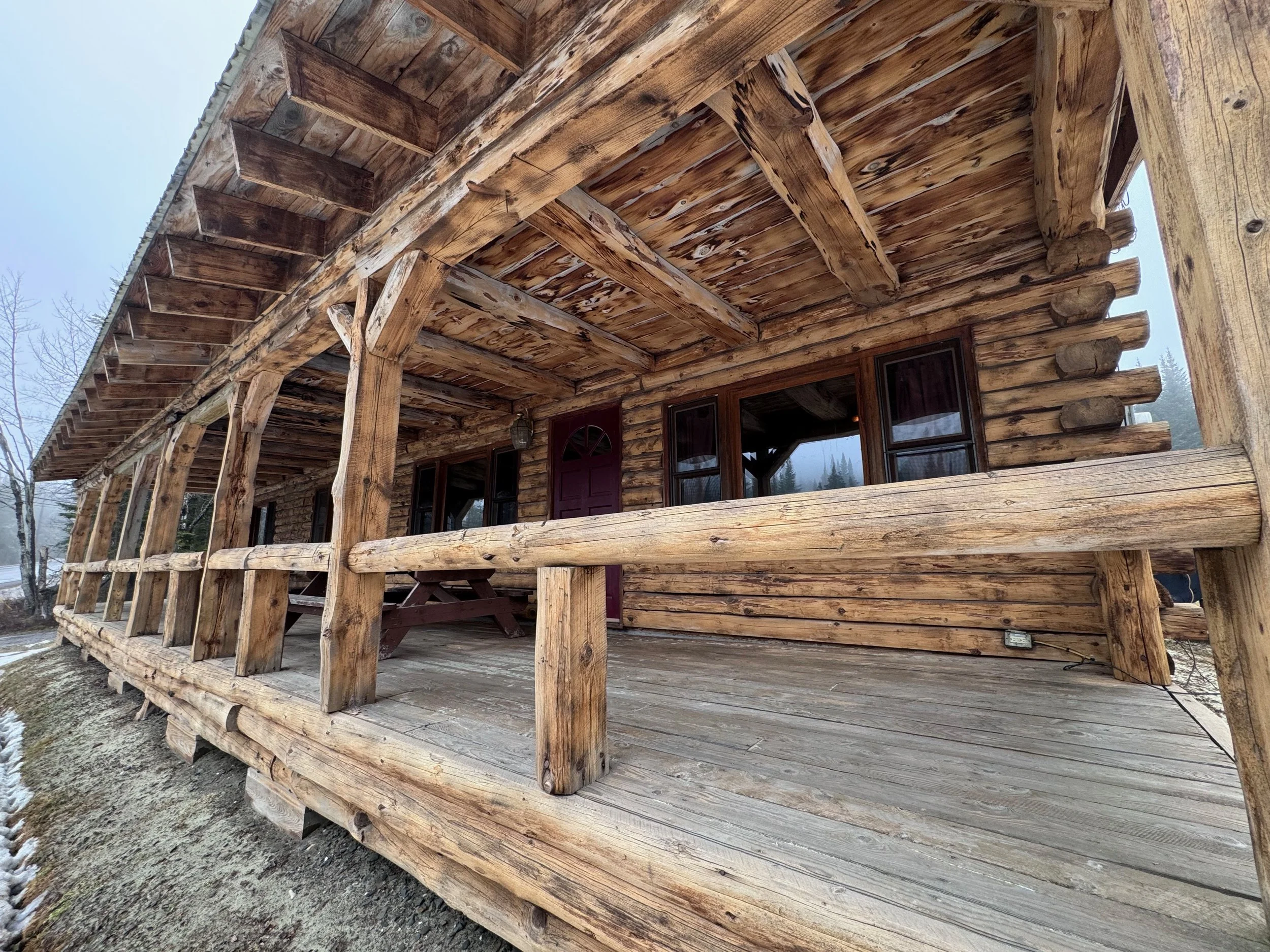
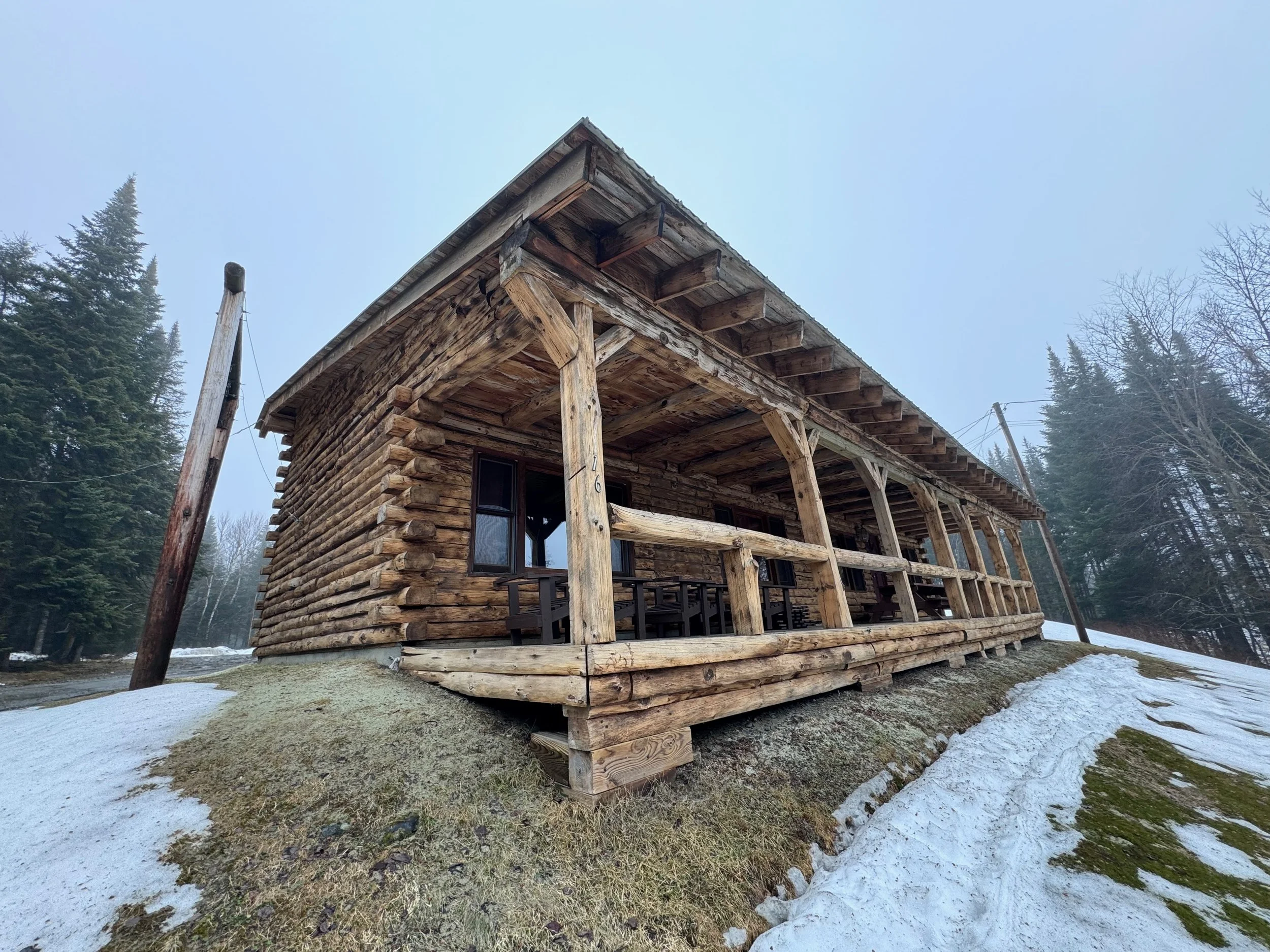
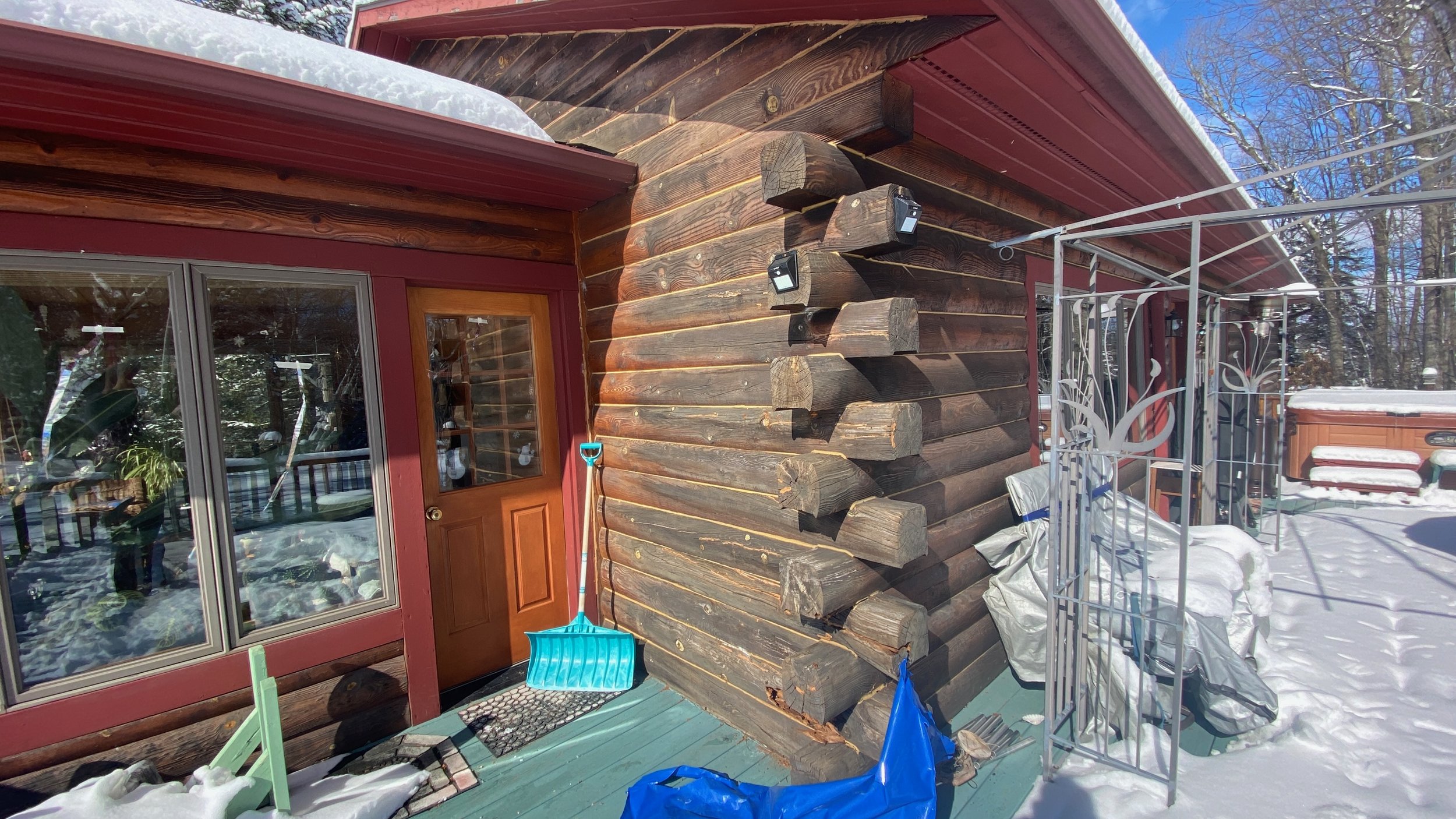
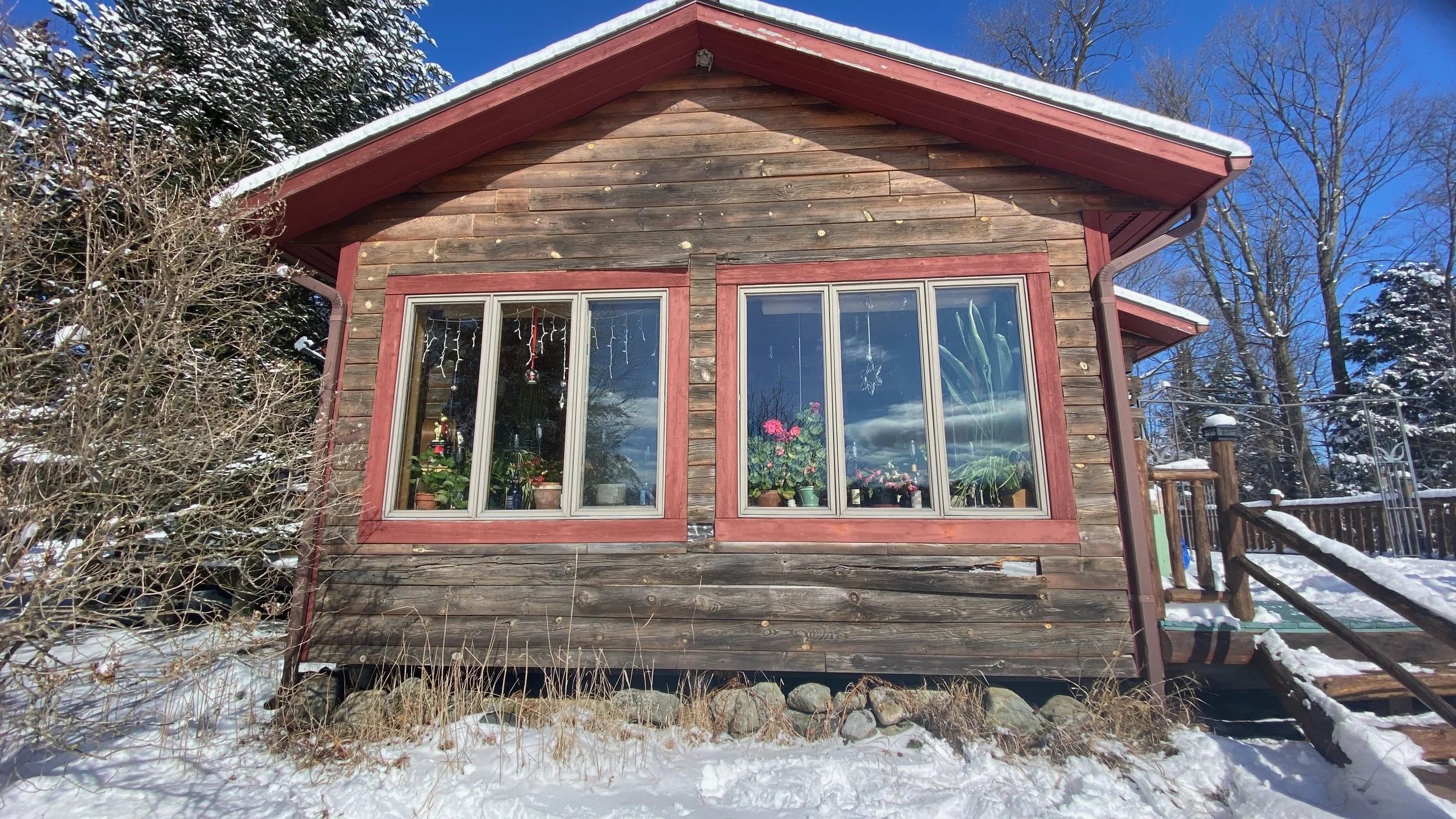
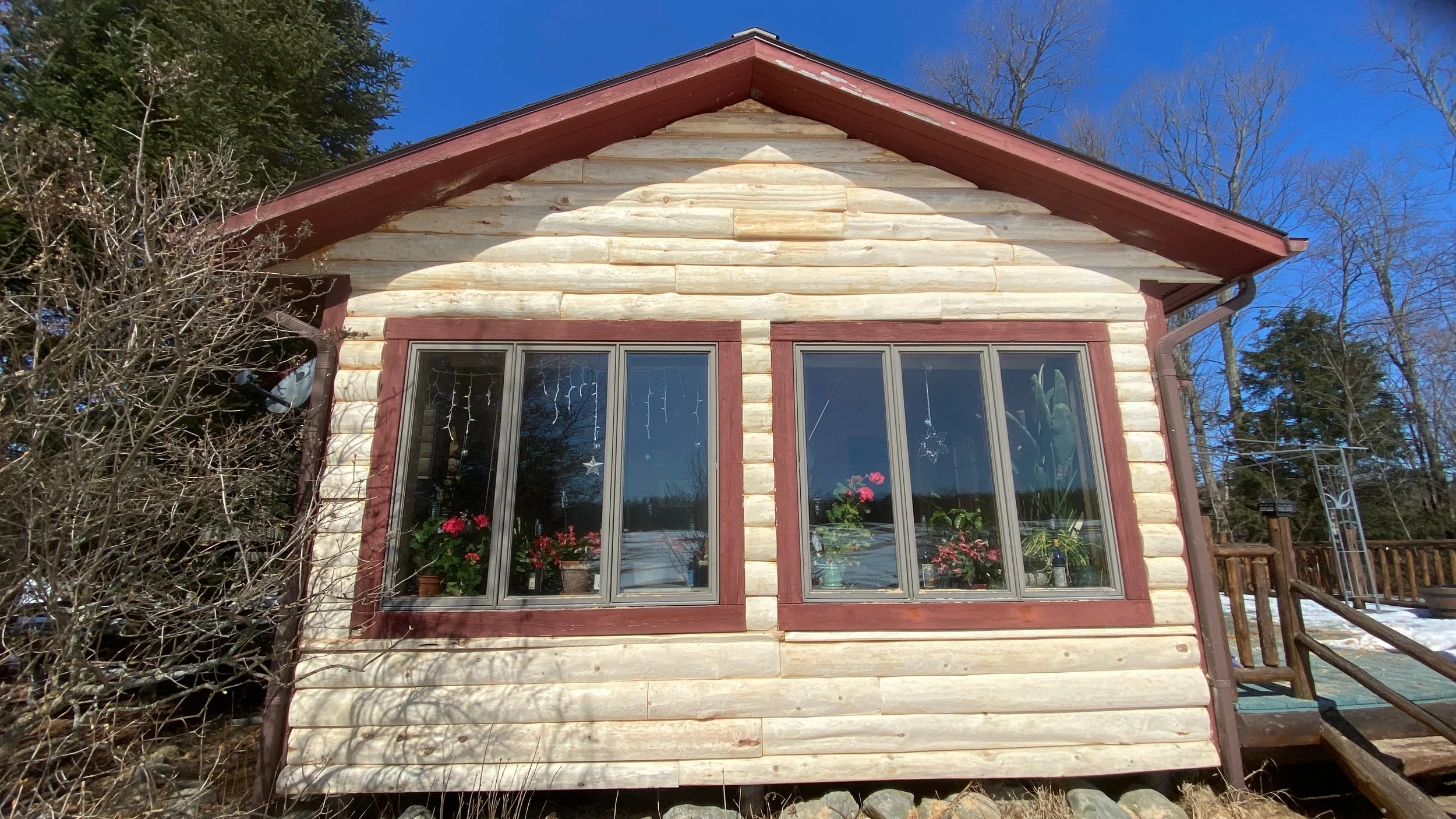
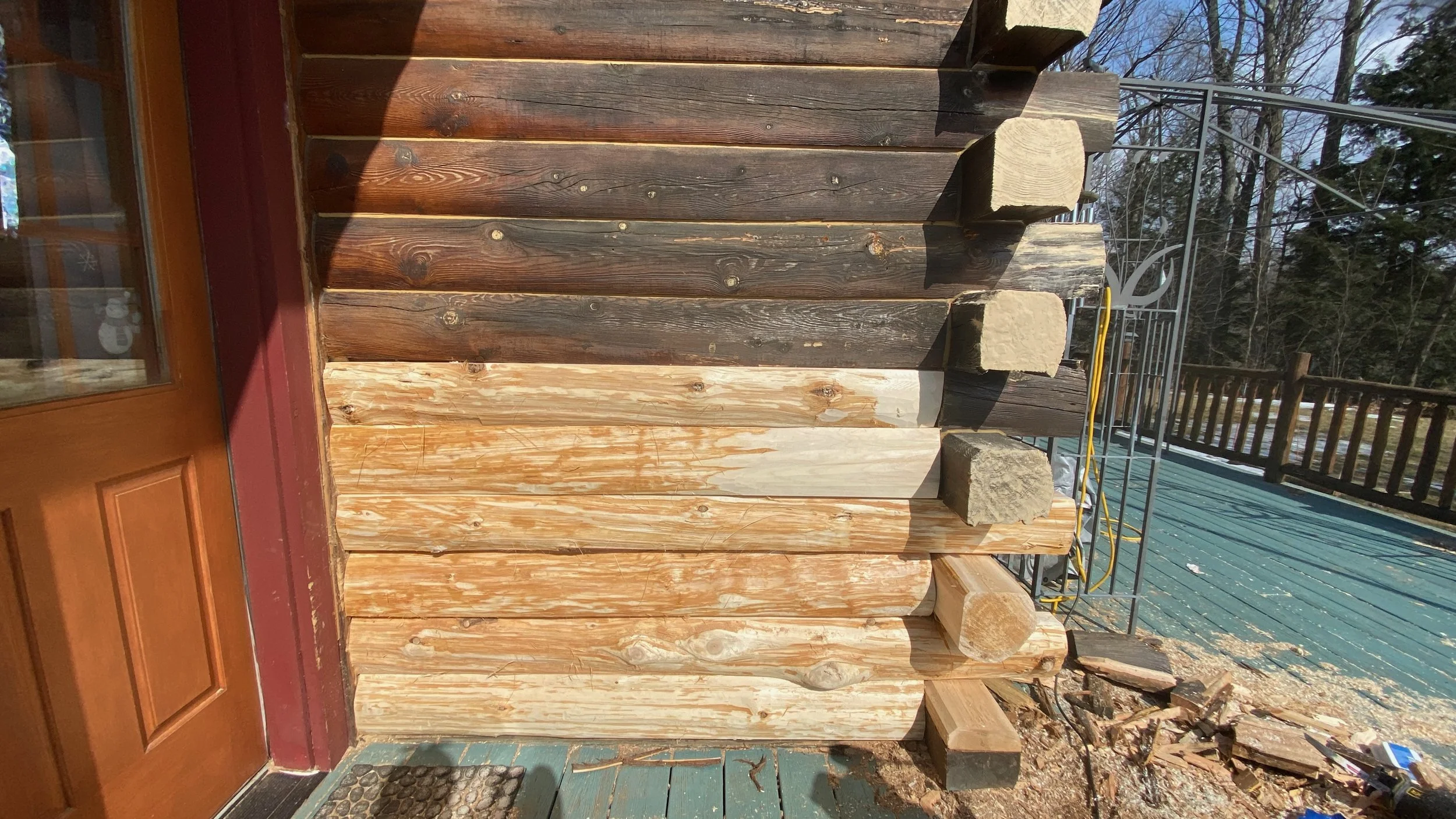
Signature Restoration Services
The five capabilities that
anchor most Solanna projects
-
![Substantial Rye New Hampshire log estate at golden hour after complete restoration, hand-hewn logs with fresh chinking, standing-seam copper roof, autumn foliage, warm windows glowing, sense of renewed timeless character.]()
STRUCTURAL LOG & TIMBER RESTORATION
-
![Stowe Vermont grand estate chef's kitchen with Sub-Zero and Wolf appliances, dark stained wood cabinetry, honed marble countertops, warm brass hardware, integrated wine display, view into butler's pantry through arched doorway]()
WINDOWS, DOORS & HISTORIC FABRIC
-
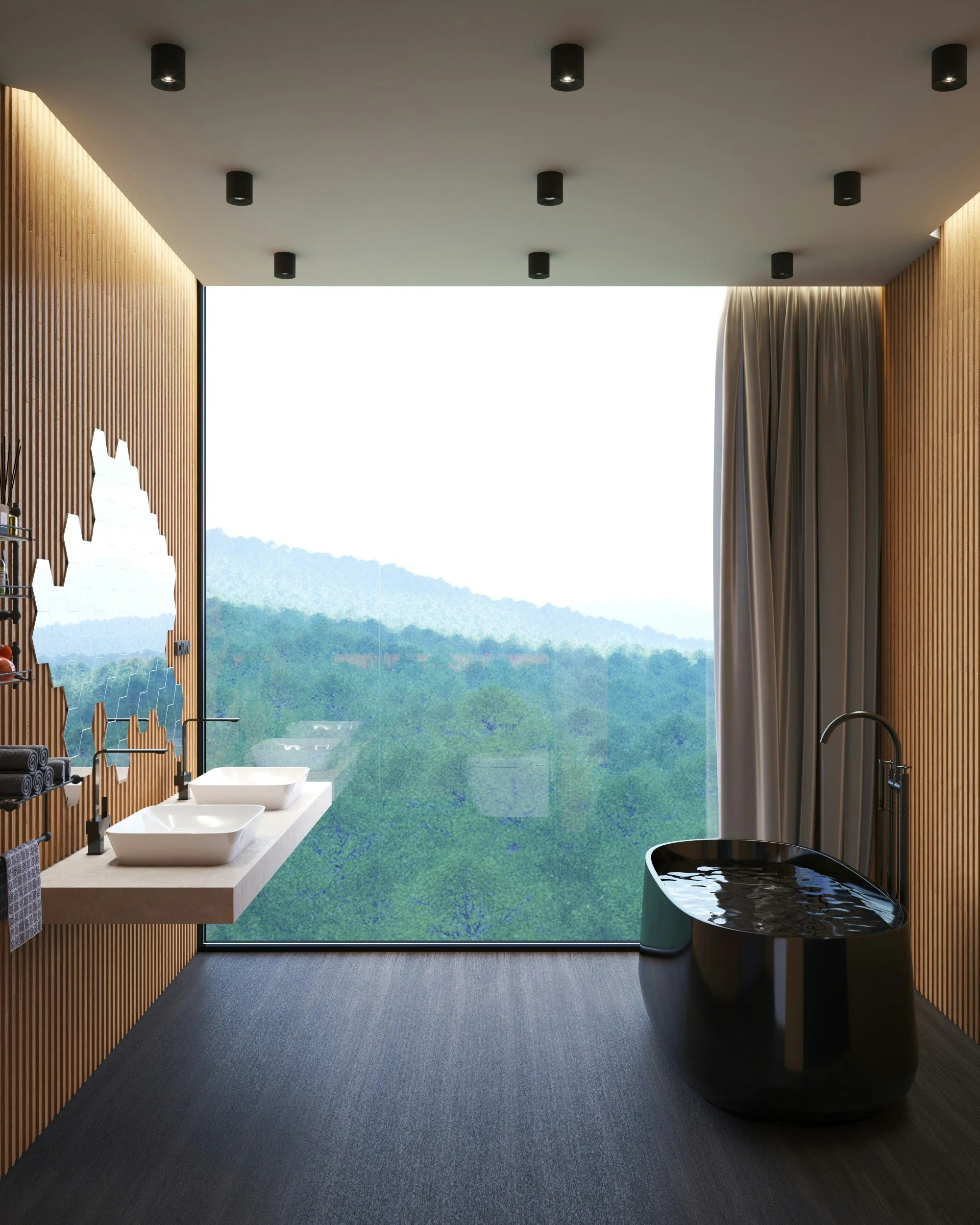
![Saratoga Springs, New York Luxurious primary suite spa bathroom, freestanding tub in front of large arched window overlooking mountains at dusk, book-matched natural stone walls, wide-plank wood floors with radiant heat, custom vanity, brass fixtures]()
WHOLE-ESTATE ENVELOPE RESTORATION
-
![Grand covered outdoor terrace of a Cape Elizabeth Maine estate at dusk, fire feature glowing, custom stone hardscape, mature plantings, Atlantic Ocean view beyond, warm lantern lighting, teak furniture with cashmere throws.]()
KITCHENS, BATHS & INTERIORS
-
![Custom Charlotte Vermont estate wine cellar with hundreds of bottles in dark walnut racks, arched brick ceiling, central tasting table, warm sconce lighting, atmospheric depth, luxurious hospitality space.]()
ESTATE STEWARDSHIP